
whitebeam 'John Bond'
Also known as: Information to be completed
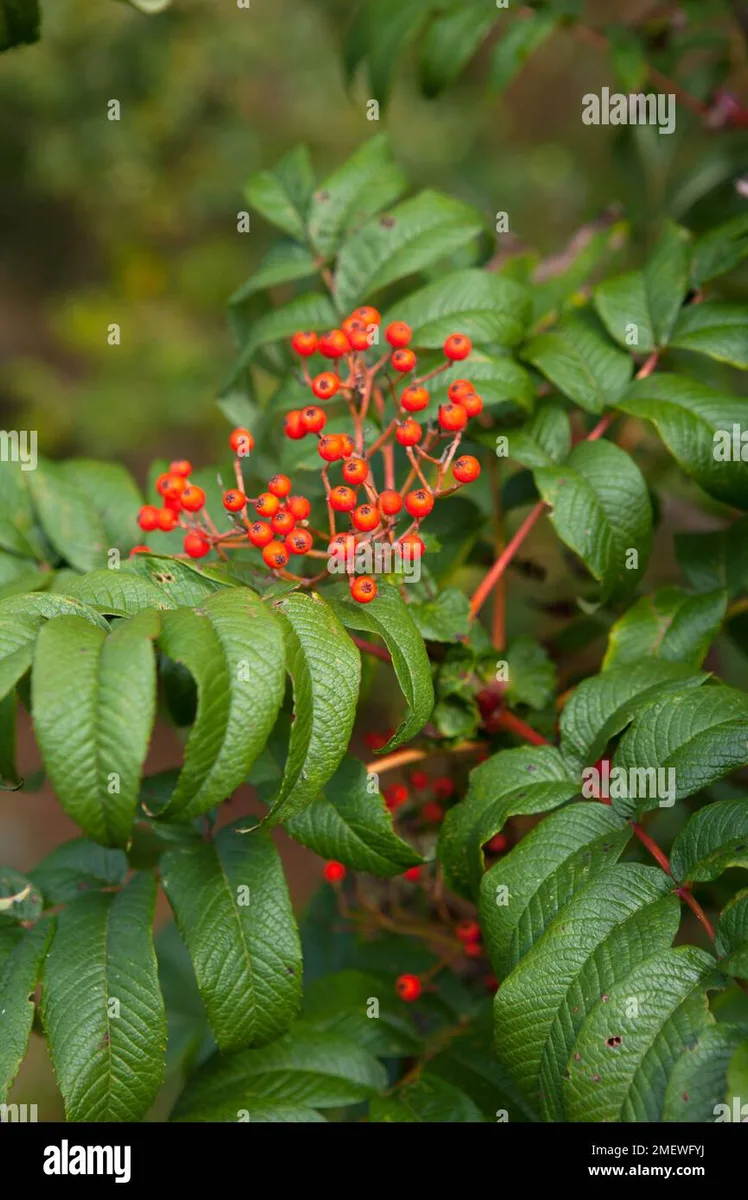
John Bond' is a compact, upright tree with a columnar habit, growing up to 4m tall. The heavily-veined, elliptic leaves are grey-green with downy-white undersides. White flowers in spring are followed by small brown autumn fruits
Scientific classification
- Species
- whitebeam 'John Bond' (Sorbus hemsleyi 'John Bond')
- Genus
- Sorbus
- Family
- Rosaceae
- Order
- Rosales
- Class
- Magnoliopsida
- Phylum
- Magnoliophyta
- Fruit are ornamental - not to be eaten. Wear gloves and other protective equipment when handling
- Toxicity
- Trees
- Plant type
- 2.5-4 metres
- Height
- 1.5-2.5 metres
- Spread
- Deciduous
- Foliage
- Columnar upright
- Habit
- Spring · Summer · Autumn
- Season of interest
- Full sun · Partial shade
- Sunlight
- Information to be completed
- Ideal temperature









whitebeam 'John Bond' pictures
Distribution of whitebeam 'John Bond'
Distribution map
- Native
- Introduced
- Cultivated
Source:WCVP v16 · Royal Botanic Gardens, Kew · CC BY 3.0 · Boundaries:WGSRPD / TDWG
Toxicity
Fruit are ornamental - not to be eaten. Wear gloves and other protective equipment when handling
whitebeam 'John Bond' care guide
- Deep watering during dry spells, allowing slight surface drying between soakings
- Watering
- Full sun · Partial shade
- Sunlight

Watering
Deep watering during dry spells, allowing slight surface drying between soakings
Fertilizing
 Fertilizing
Balanced shrub or tree feed once each early spring
Pruning
 Pruning
If pruning is required, only make cuts in summer to protect against disease
Propagation
 Propagation
Propagate by softwood cuttings in early summer, by chip budding in summer or grafting in winter
Growing
 Growing
Prefers soils that do not dry out
Common pests and diseases
Diseases
May be susceptible to fireblight, apple canker, silver leaf and honey fungus
Pests
May be susceptible to aphids, blister mites, scale insects, glasshouse red spider mite and sawflies
Explore the plant health library →




