
Geum 'Butterscotch'
Also known as: Information to be completed
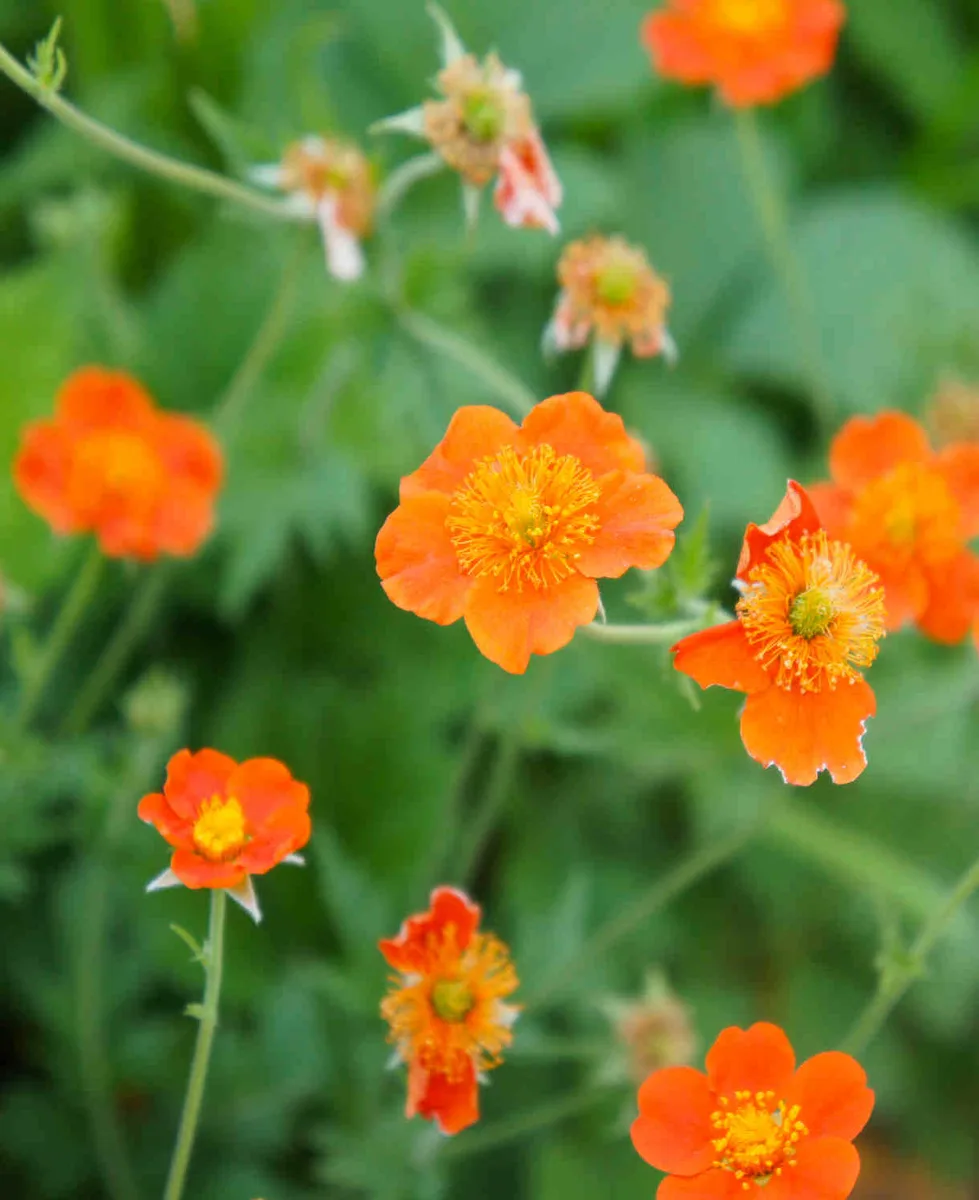
A low-growing, spreading, clump-forming rhizomatous perennial with basal rosettes of lobed and toothed green leaves. Dark orange, cup-shaped flowers appear from April to May
Scientific classification
- Species
- Geum 'Butterscotch' (Geum 'Butterscotch')
- Genus
- Geum
- Family
- Rosaceae
- Information to be completed
- Toxicity
- Herbaceous Perennial
- Plant type
- 0.1-0.5 metres
- Height
- 0.1-0.5 metres
- Spread
- Deciduous
- Foliage
- Clump forming
- Habit
- Spring · Summer · Autumn
- Season of interest
- Full sun · Partial shade
- Sunlight
- Information to be completed
- Ideal temperature









Geum 'Butterscotch' pictures
Distribution of Geum 'Butterscotch'
Distribution map
Information to be completed
Information to be completed
Culture
Information to be completed
Toxicity
Information to be completed
Quick identification of Geum 'Butterscotch'
Information to be completed
Geum 'Butterscotch' care guide
- Moderate regular watering, avoid prolonged drought or waterlogging
- Watering
- Full sun · Partial shade
- Sunlight
- Information to be completed
- Ideal temperature

Watering
Moderate regular watering, avoid prolonged drought or waterlogging
Fertilizing
 Fertilizing
Balanced feed in spring and light repeat in growth season
Pruning
 Pruning
Deadhead to promote more blooms, and cut back old stems after flowering
Propagation
 Propagation
Propagate by division in autumn or spring
Growing
 Growing
Grow in fertile, moist but well-drained soil in sun or partial shade. Avoid areas that are waterlogged over winter. Divide every three years or so to maintain vigour
People also ask
Information to be completed
Common pests and diseases
Diseases
May be susceptible to powdery mildews
Pests
May be susceptible to leaf miners and geum sawfly
Explore the plant health library →




