
Manescau storksbill
Also known as: Manescau heronsbill; showy heron's bill
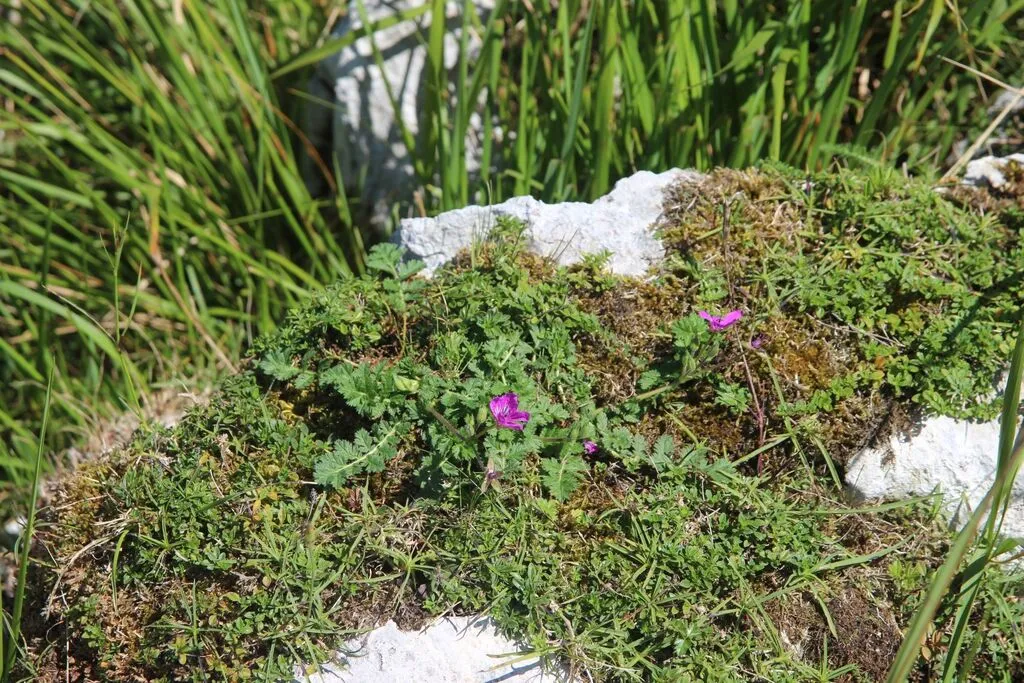
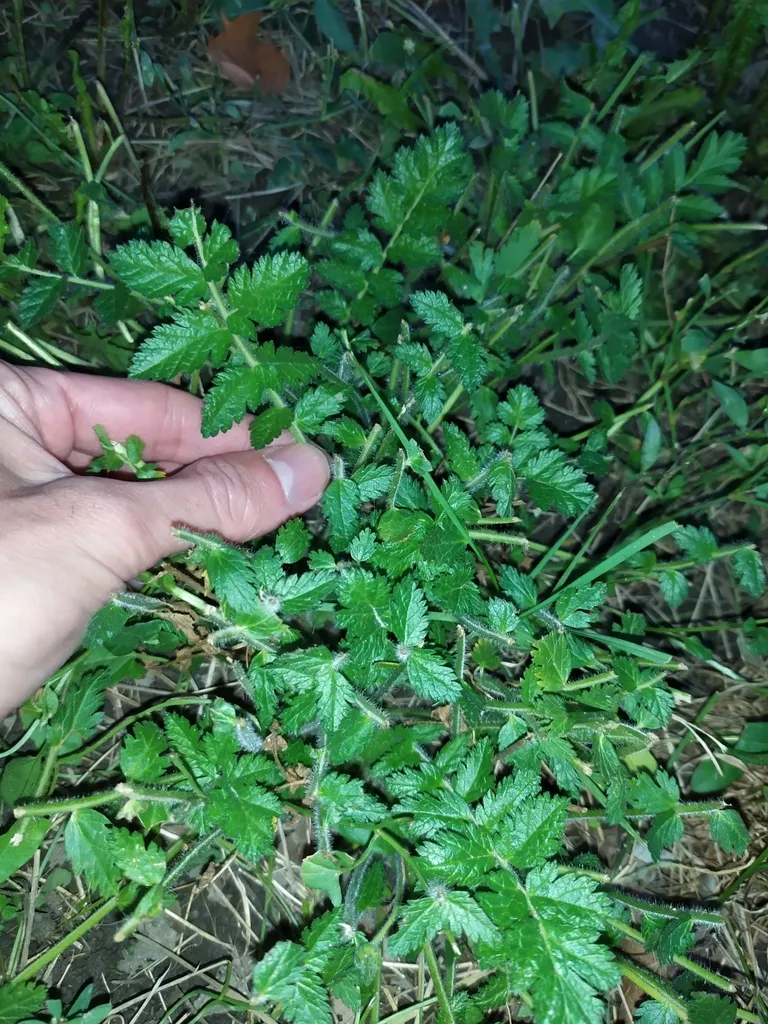
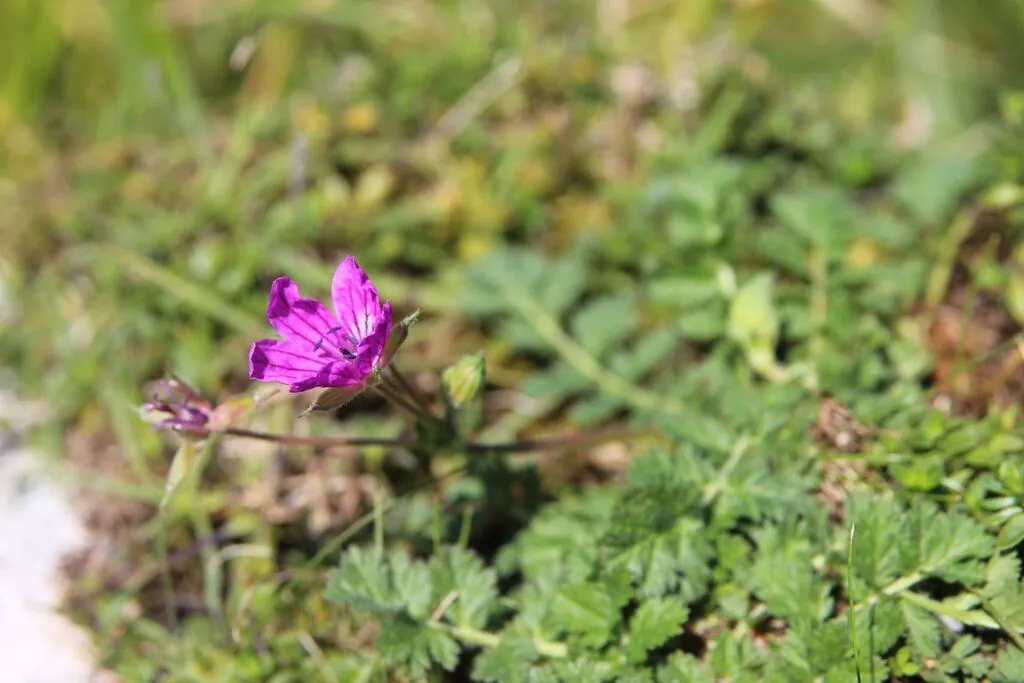
A clump-forming perennial with pinnate, toothed, hairy mid-green basal leaves to 30cm long. Clusters of 3cm wide saucer-shaped magenta-purple flowers have dark spots on the upper petals and are freely borne on long stems from early summer to early autumn
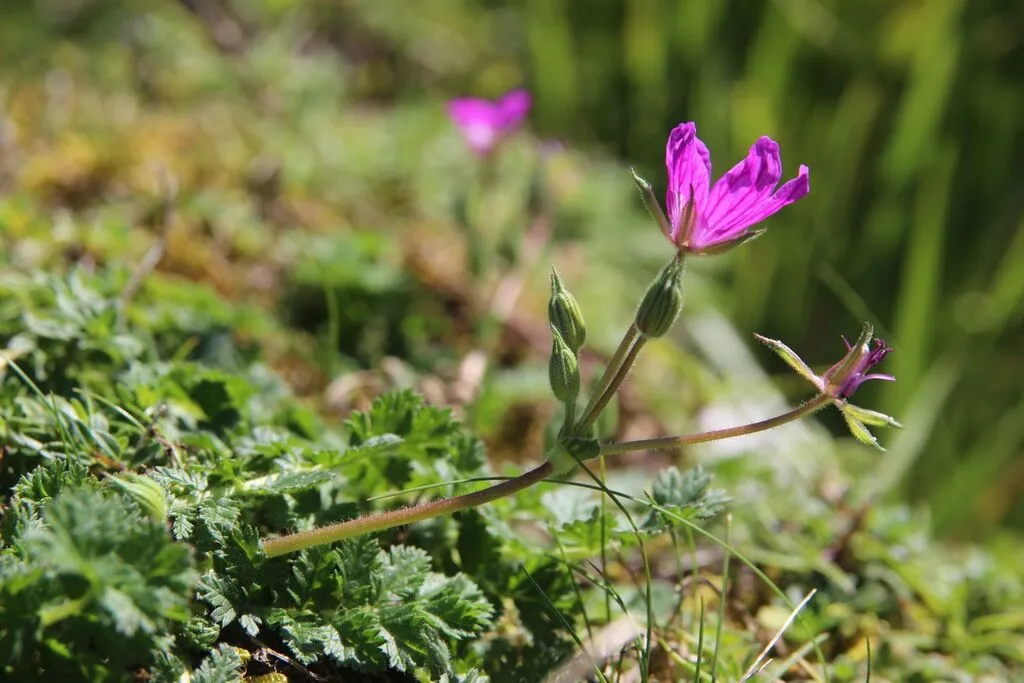
Scientific classification
- Species
- Manescau storksbill (Erodium manescavi)
- Genus
- Erodium
- Family
- Geraniaceae
- Information to be completed
- Toxicity
- Alpine Rockery
- Plant type
- 0.1-0.5 metres
- Height
- 0.1-0.5 metres
- Spread
- Deciduous
- Foliage
- Trailing
- Habit
- Spring · Summer · Autumn
- Season of interest
- Full sun
- Sunlight
- Information to be completed
- Ideal temperature









Manescau storksbill pictures
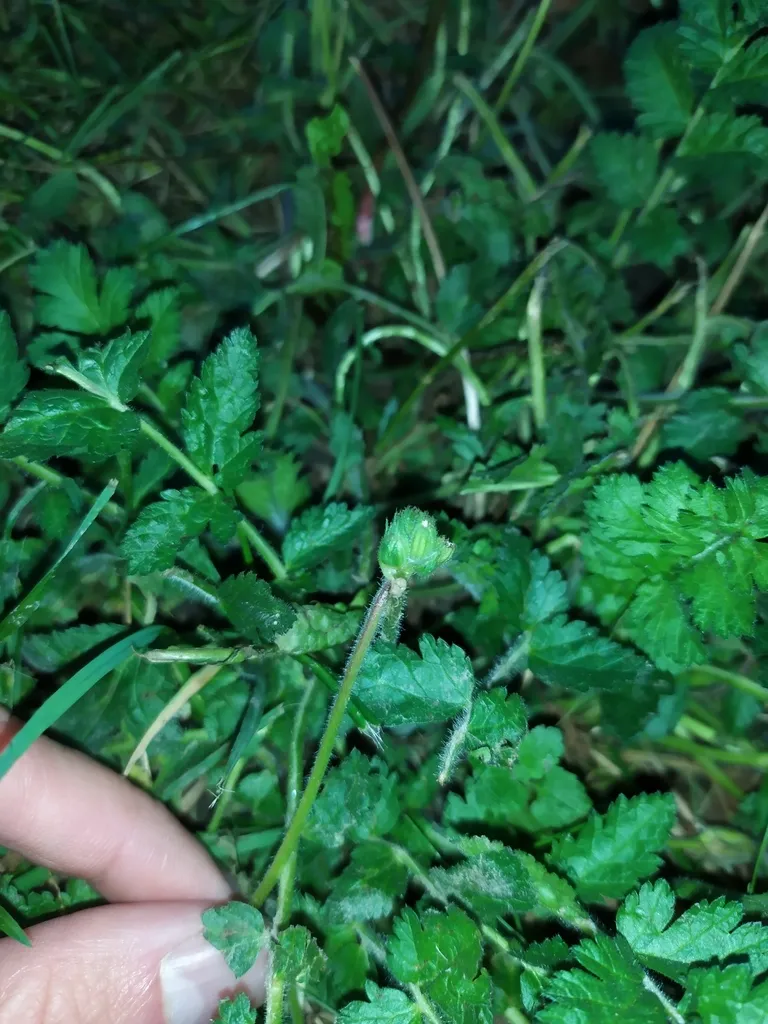
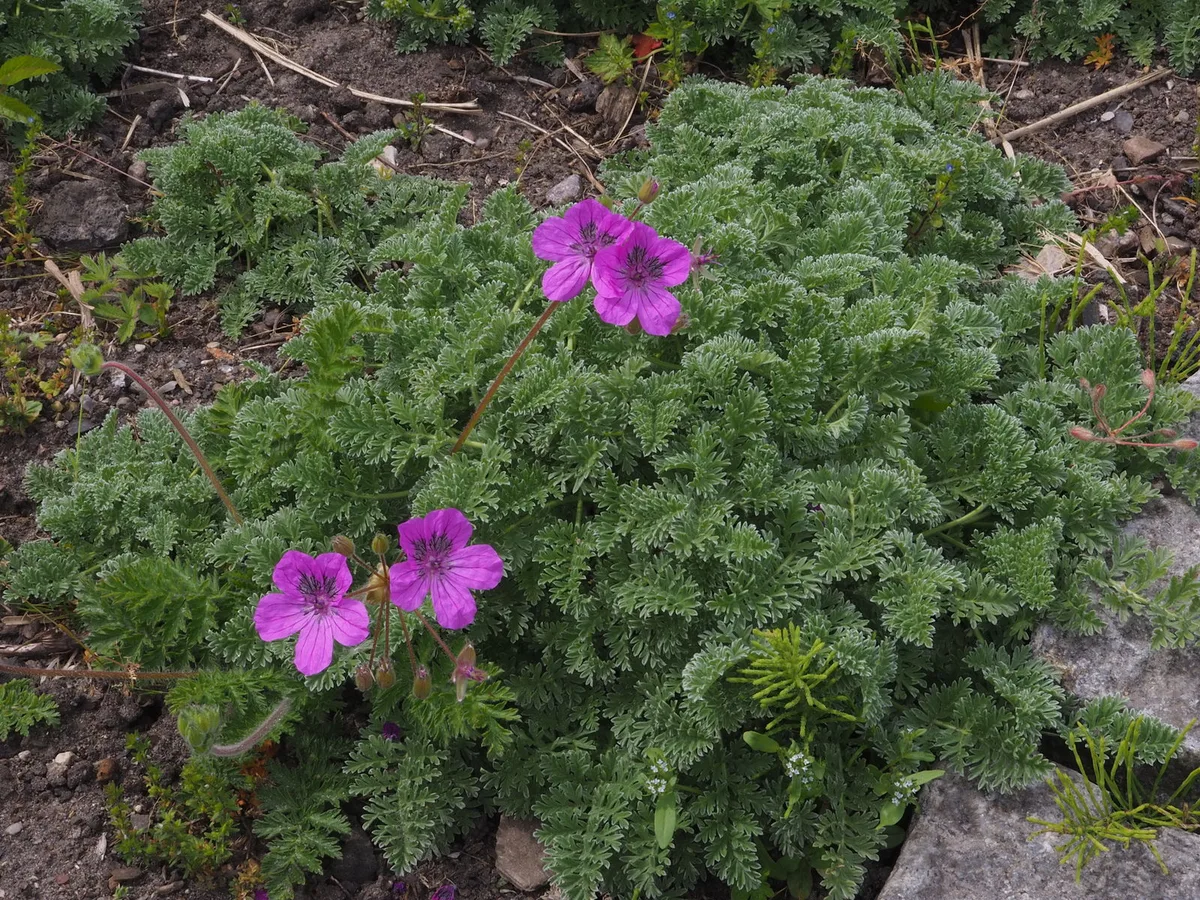
Distribution of Manescau storksbill
Distribution map
- Native
- Introduced
- Cultivated
Source:WCVP v16 · Royal Botanic Gardens, Kew · CC BY 3.0 · Boundaries:WGSRPD / TDWG
Culture
Information to be completed
Toxicity
Information to be completed
Quick identification of Manescau storksbill
Information to be completed
Manescau storksbill care guide
- Moderate regular watering, avoid prolonged drought or waterlogging
- Watering
- Full sun
- Sunlight
- Information to be completed
- Ideal temperature

Watering
Moderate regular watering, avoid prolonged drought or waterlogging
Fertilizing
 Fertilizing
Balanced feed in spring and light repeat in growth season
Pruning
 Pruning
No pruning required
Propagation
 Propagation
Propagate by basal stem cuttings or division; propagate by seed as soon as ripe
Growing
 Growing
Grow in gritty, sharply drained neutral to alkaline soil rock garden, alpine house or trough. Deadhead regularly
People also ask
Information to be completed
Common pests and diseases
Diseases
Generally disease free
Pests
Generally pest-free but vine weevils may be a problem
Explore the plant health library →




