
Colvile butterfly bush
Also known as: Information to be completed
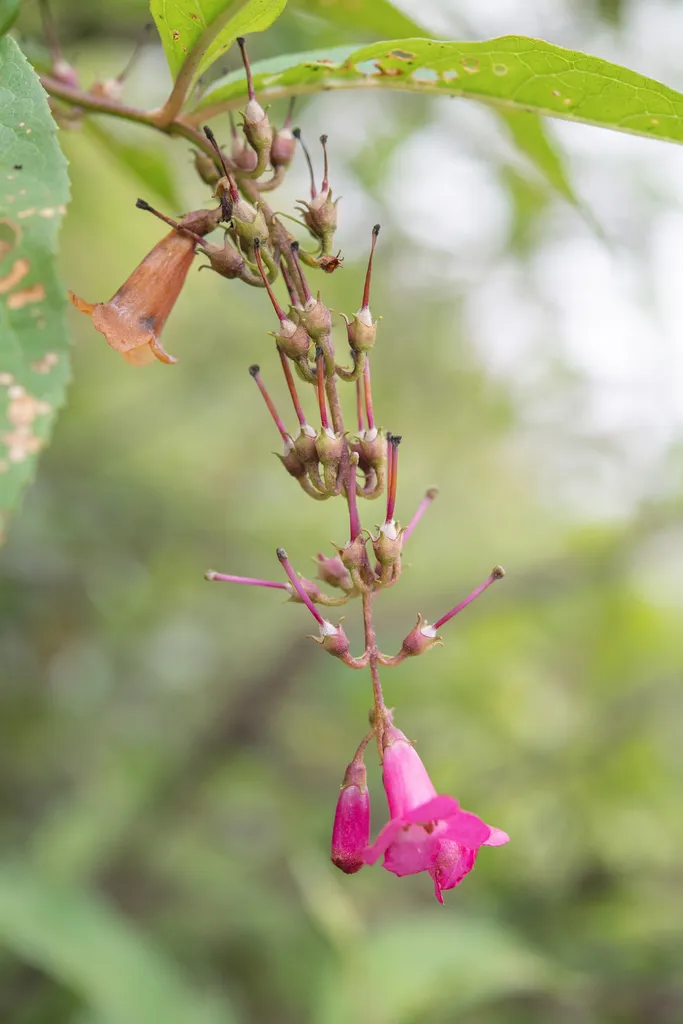
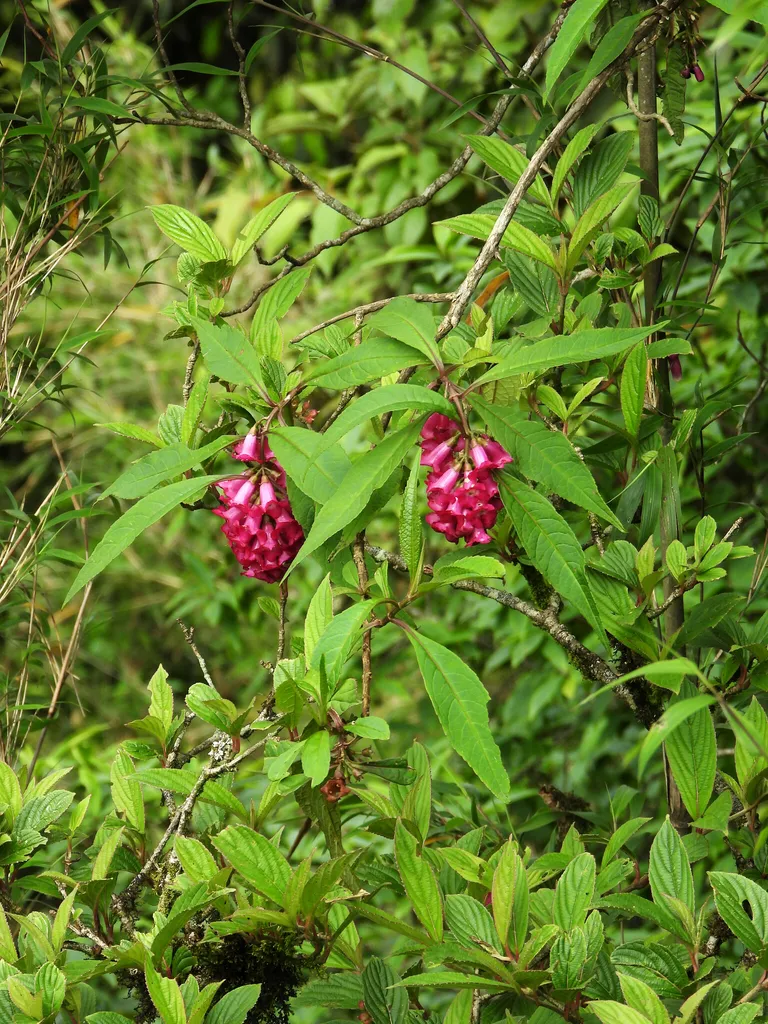
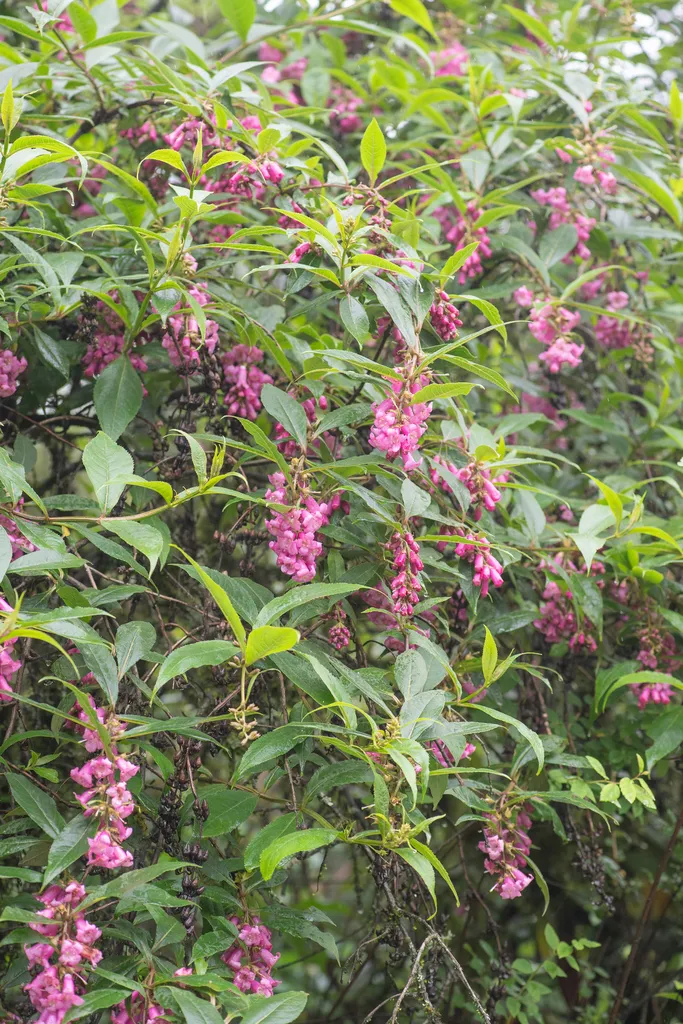
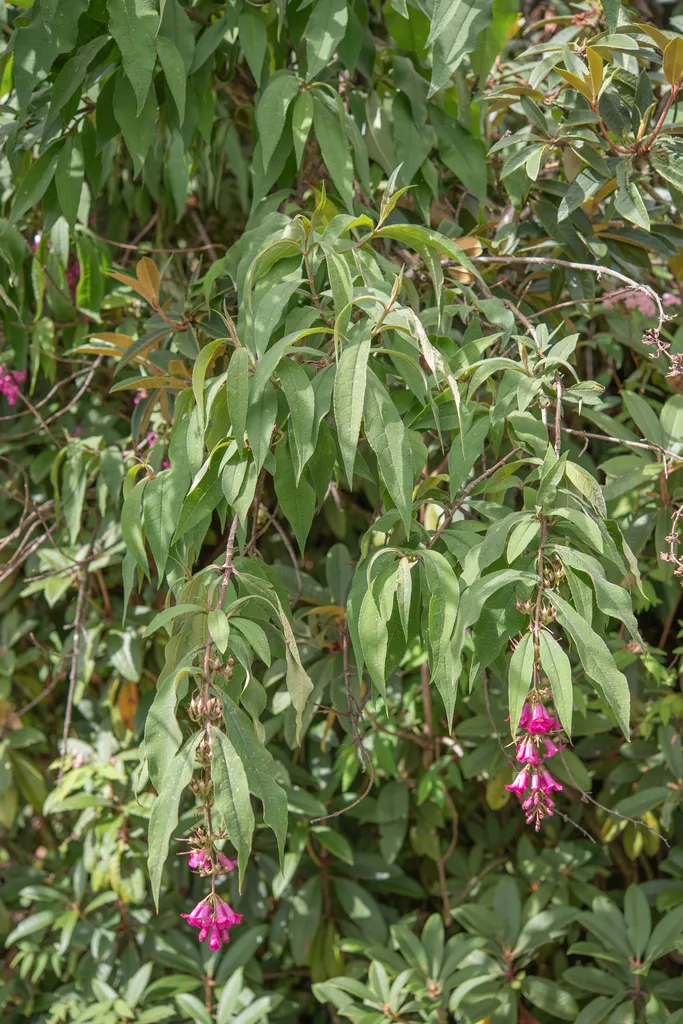
Vigorous, deciduous or semi-evergreen, large shrub or small tree to 6m in height, with long, narrow, pointed, dark green leaves. Produces tight, hanging sprays up to 20cm long of small, dark red or dark pink flowers in early summer
Scientific classification
- Species
- Colvile butterfly bush (Buddleja colvilei)
- Genus
- Buddleja
- Family
- Scrophulariaceae
- Information to be completed
- Toxicity
- Shrubs · Trees
- Plant type
- 4-8 metres
- Height
- 4-8 metres
- Spread
- Deciduous
- Foliage
- Information to be completed
- Habit
- Spring · Summer · Autumn · Winter
- Season of interest
- Full sun
- Sunlight
- Information to be completed
- Ideal temperature









Colvile butterfly bush pictures
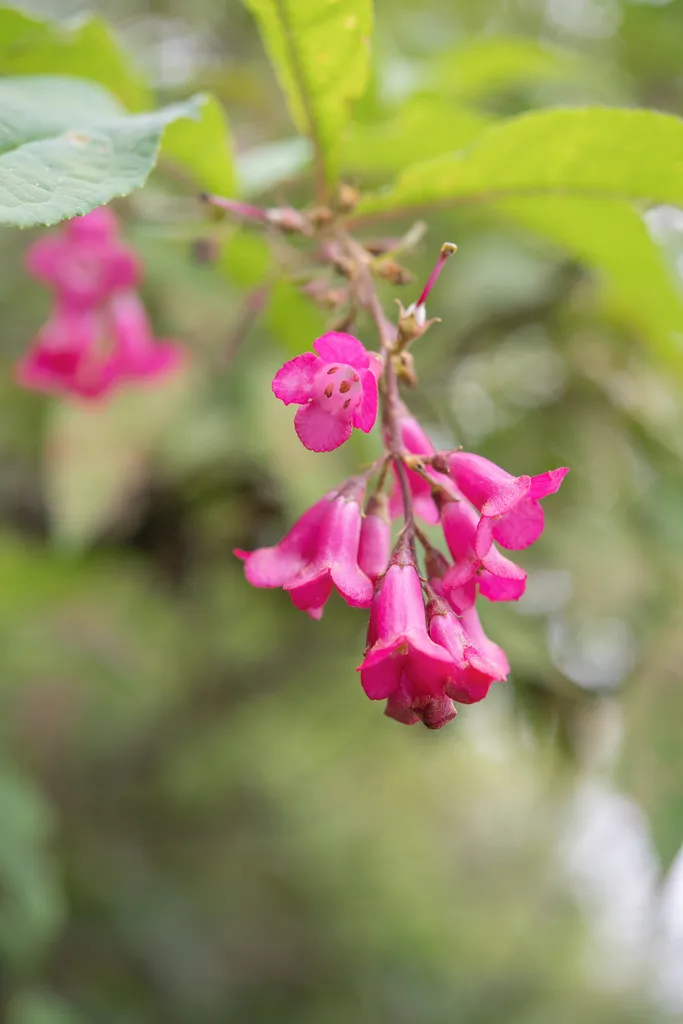
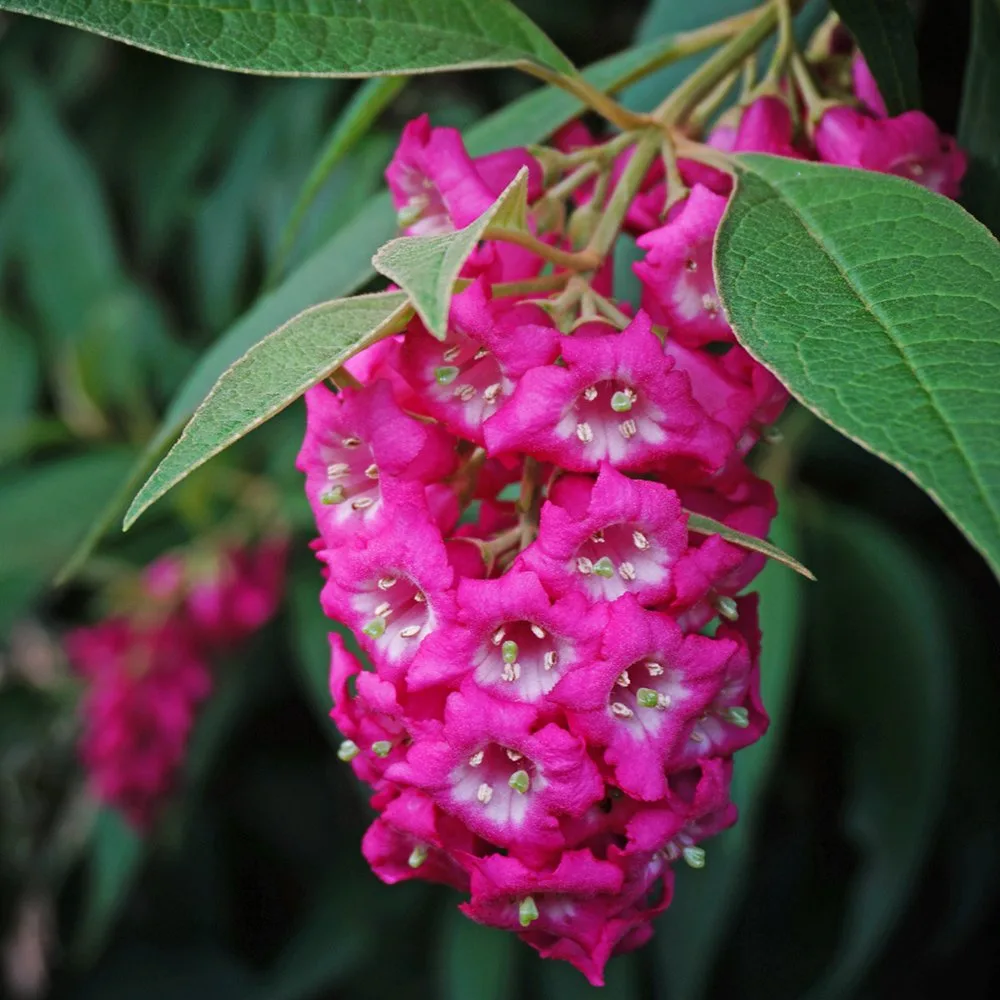
Distribution of Colvile butterfly bush
Distribution map
Information to be completed
Information to be completed
Culture
Information to be completed
Toxicity
Information to be completed
Quick identification of Colvile butterfly bush
Information to be completed
Colvile butterfly bush care guide
- Moderate regular watering, allowing brief slight drying between soakings
- Watering
- Full sun
- Sunlight
- Information to be completed
- Ideal temperature

Watering
Moderate regular watering, allowing brief slight drying between soakings
Fertilizing
 Fertilizing
Balanced perennial feed every four weeks from spring through summer
Pruning
 Pruning
Cut flowered growth back to strong young shoots below, removing up to a fifth of old stems near the base each year. Prune immediately after flowering.
Propagation
 Propagation
Propagate by semi-ripe cuttings in summer
Growing
 Growing
Needs a sunny, sheltered spot with excellent drainage; in areas prone to winter wet, it may be best grown in containers and overwintered in a cool greenhouse. See buddleja cultivation for more detailed advice
People also ask
Information to be completed
Common pests and diseases
Diseases
May be susceptible to honey fungus, fungal leaf spot, and virus diseases
Pests
May be susceptible to aphids, capsid bugs, caterpillars, earwigs, figwort weevils, glasshouse red spider mite, leaf and bud eelworm, and mullein moth
Explore the plant health library →




