
wild carrot
Also known as: Information to be completed
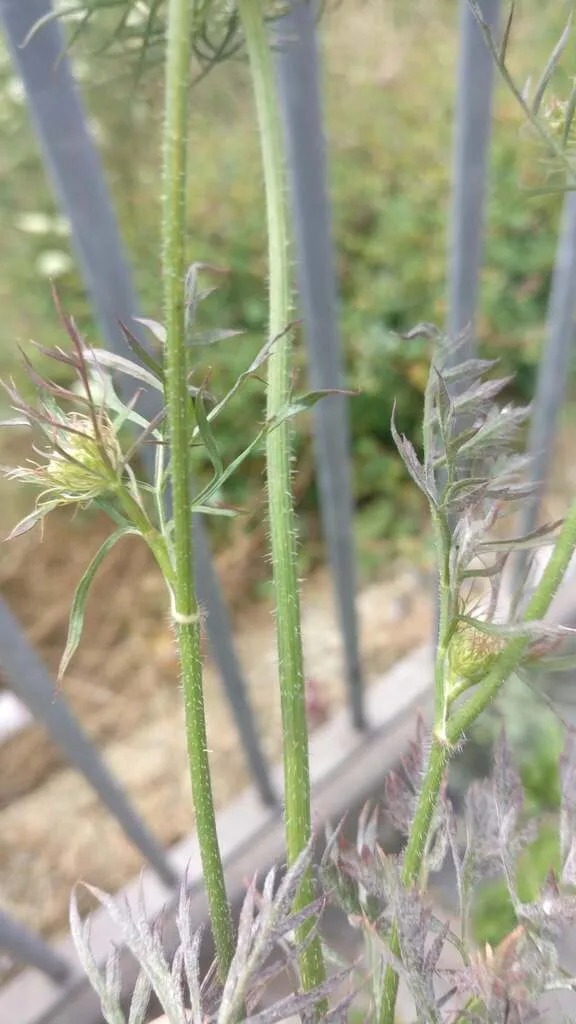
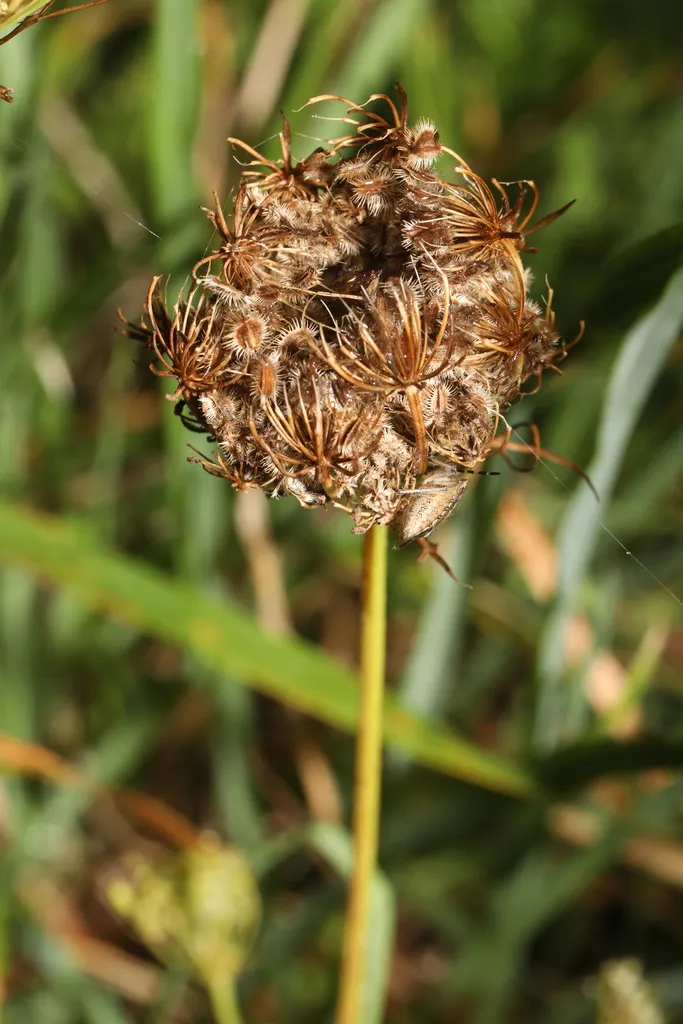
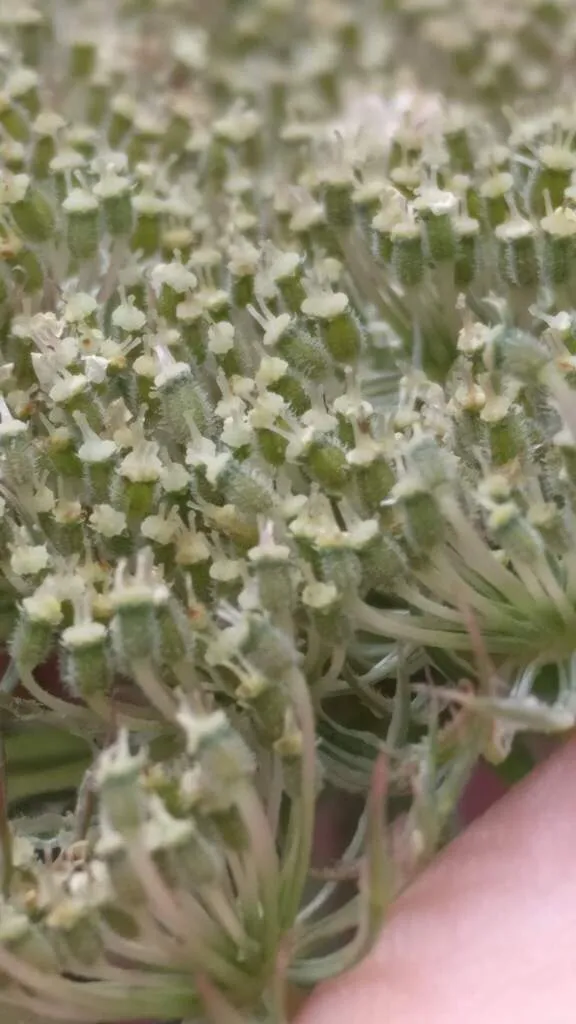
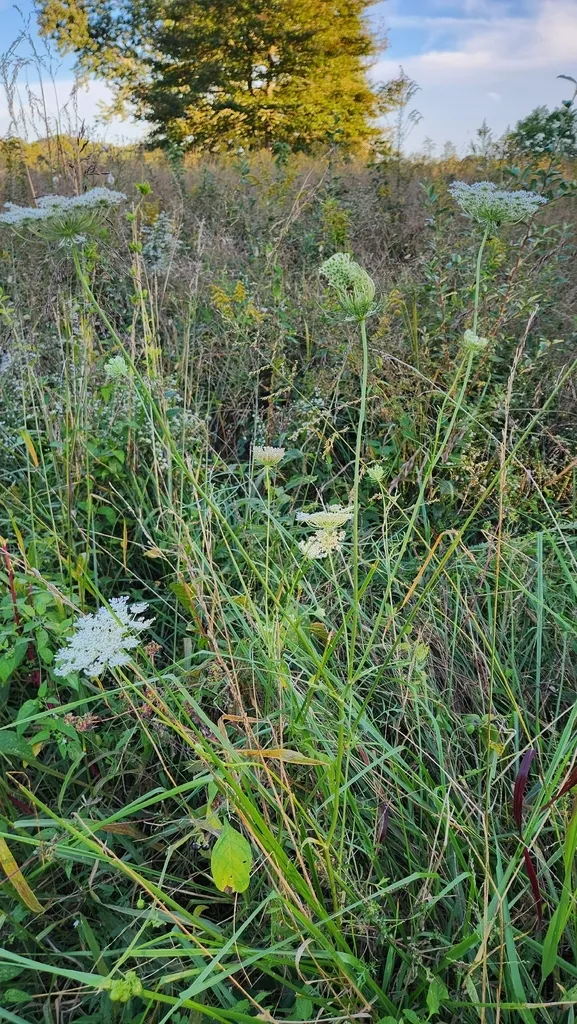
The wild carrot is a tap-rooted biennial, its solid, ridged stems reaching 75cm in height. In summer it bears white umbels, tinged with pink in bud and sometimes in flower and the very central floret is dark red. Only this flower produces nectar. It can be identified from other umbellifers by the 3 forked bracts below the flowerhead. After flowering, these turn inwards giving the appearance of delicate baskets. Flowers are enjoyed by bees and other pollinators\r\n\r\nWild carrot is an ancestor of all cultivated carrot varieties
Scientific classification
- Species
- wild carrot (Daucus carota)
- Genus
- Daucus
- Family
- Apiaceae
- Information to be completed
- Toxicity
- Annual Biennial
- Plant type
- 0.5-1 metres
- Height
- 0.1-0.5 metres
- Spread
- Deciduous
- Foliage
- Bushy
- Habit
- Spring · Summer
- Season of interest
- Full sun
- Sunlight
- Information to be completed
- Ideal temperature









wild carrot pictures
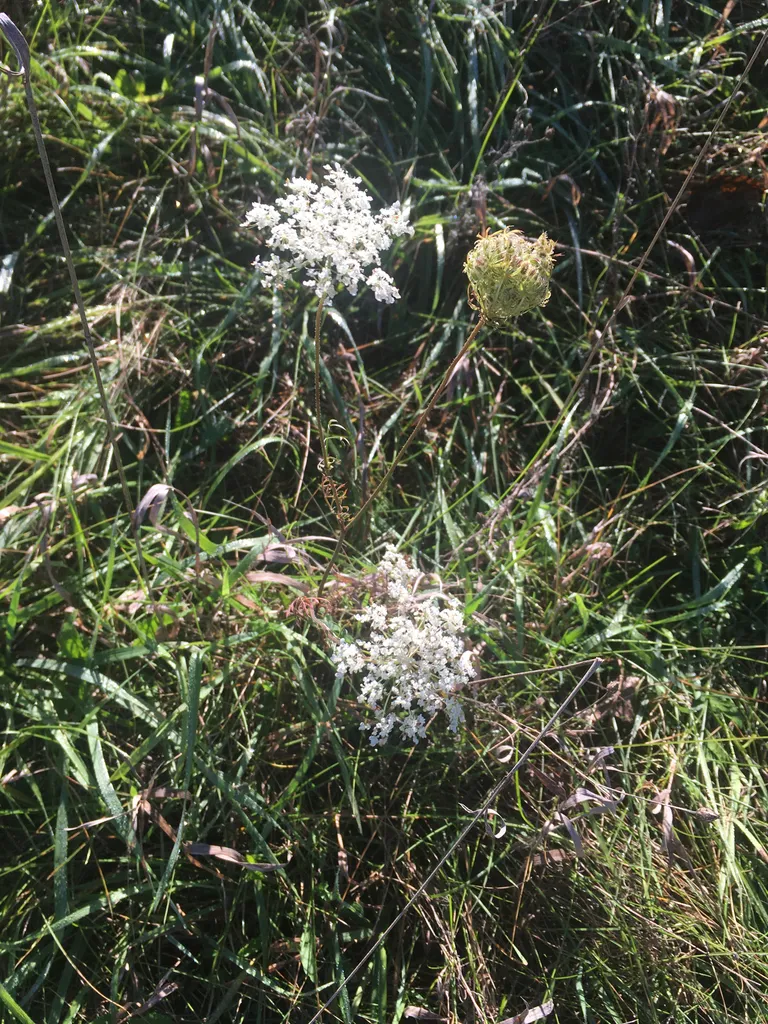
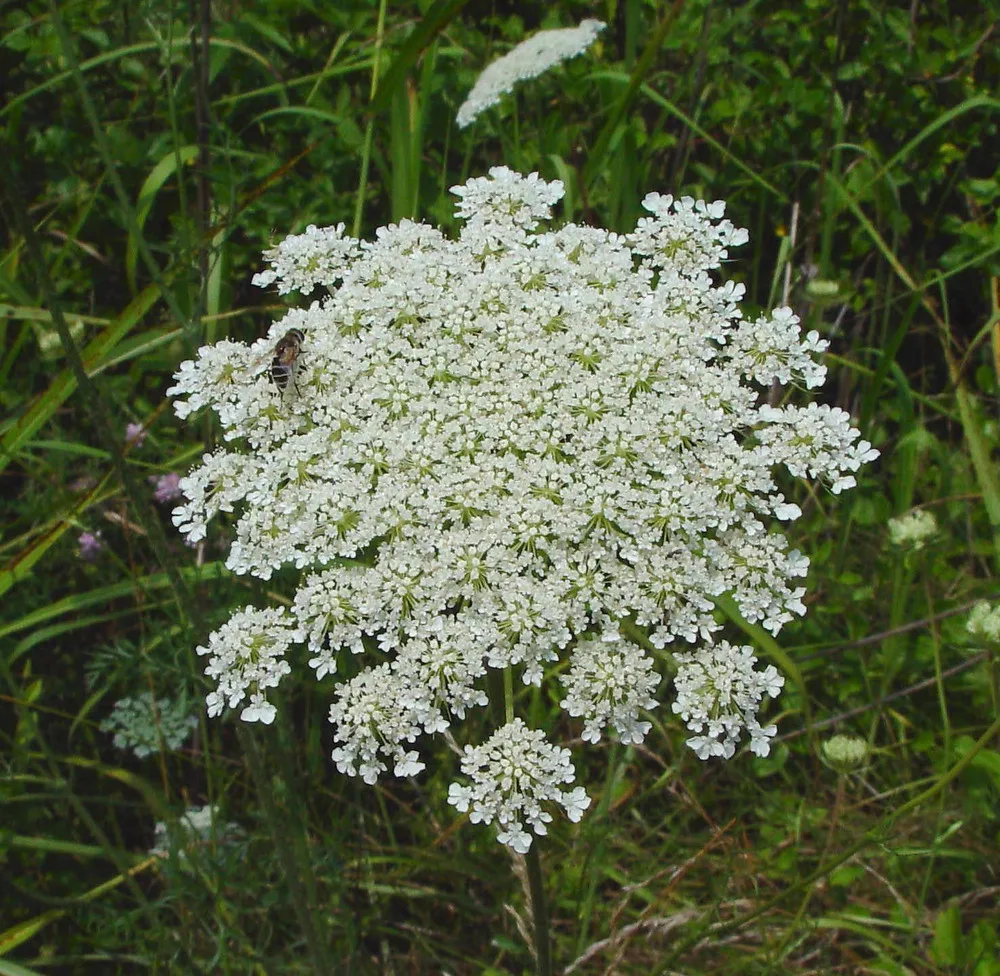
Distribution of wild carrot
Distribution map
Europe to India
Information to be completed
Culture
Information to be completed
Toxicity
Information to be completed
Quick identification of wild carrot
Information to be completed
wild carrot care guide
- Regular deep watering, keep soil damp during taproot growth phase
- Watering
- Full sun
- Sunlight
- Information to be completed
- Ideal temperature

Watering
Regular deep watering, keep soil damp during taproot growth phase
Fertilizing
 Fertilizing
Vegetable balanced crop feed every four weeks warm growing months
Pruning
 Pruning
No pruning required
Propagation
 Propagation
Propagate from seed sown in situ between February and July, early sowings should be protected with cloches or fleece. Sow thinly to avoid having to thin out seedlings, as this can attract carrot fly
Growing
 Growing
Grow in light, well-drained, deep soils in full sun. See carrots cultivation page for more advice
People also ask
Information to be completed
Common pests and diseases
Diseases
Generally disease-free
Pests
May be susceptible to carrot fly and slugs snails when young
Explore the plant health library →




