
Tibetan hellebore
Also known as: Information to be completed
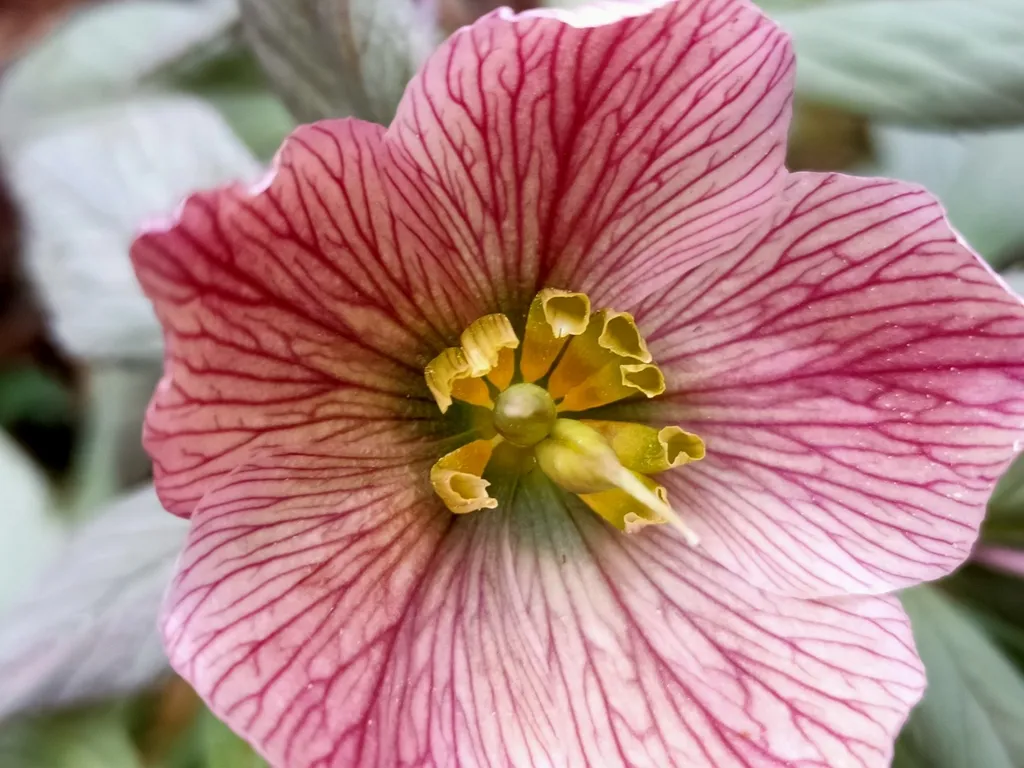
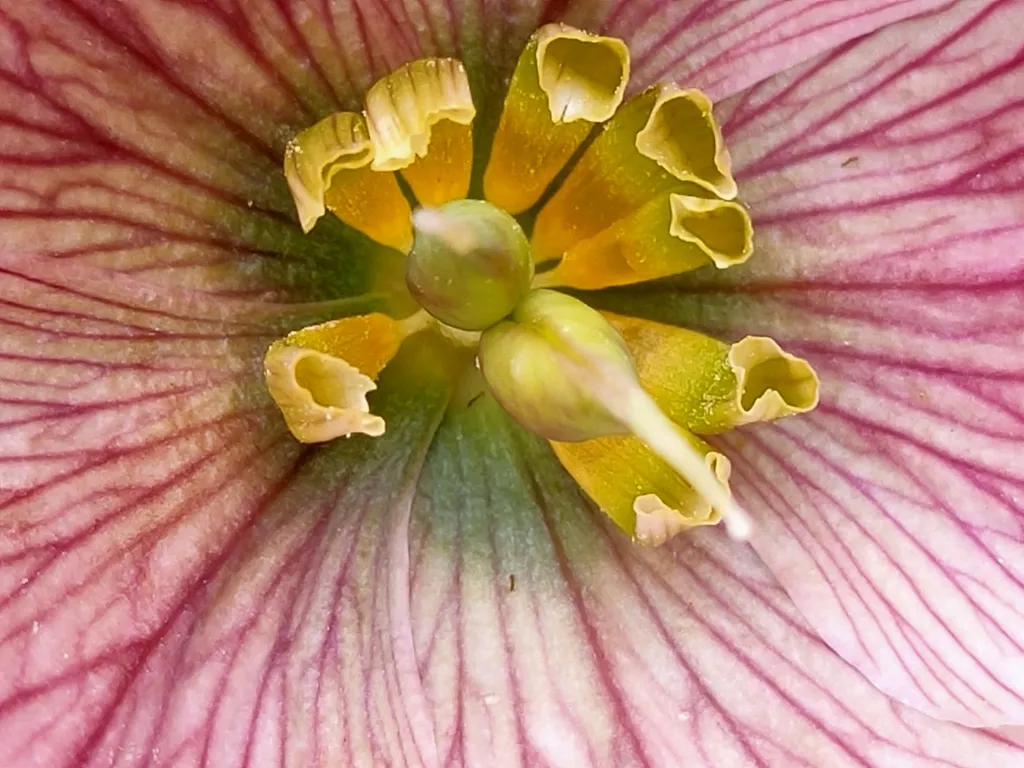
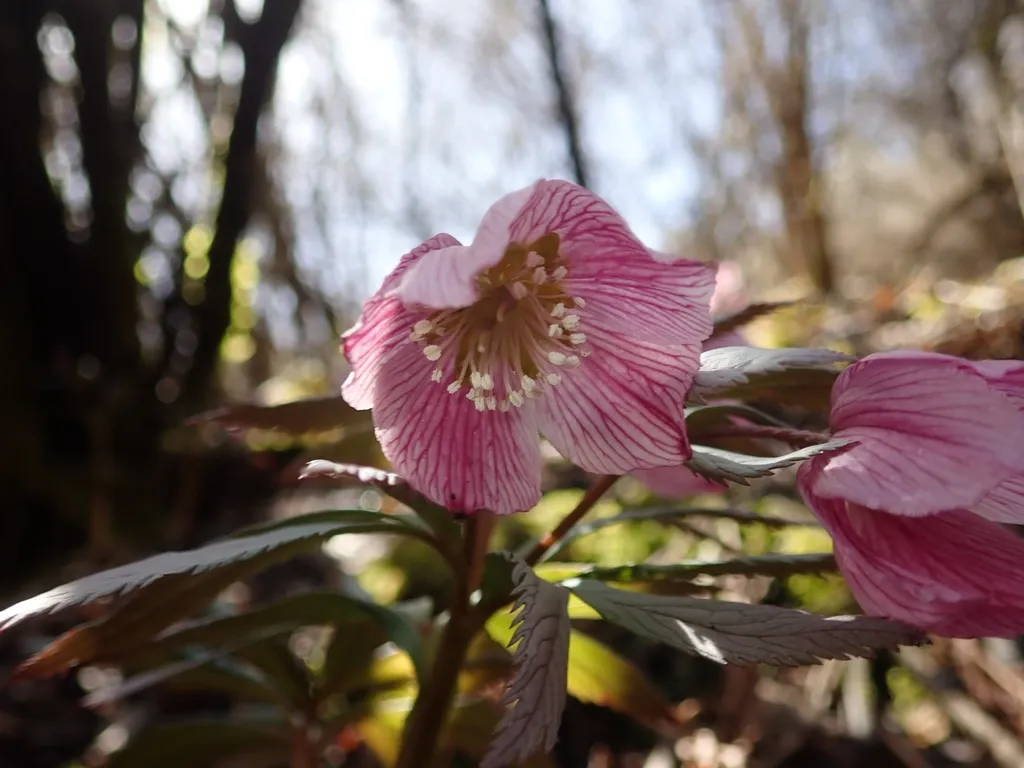
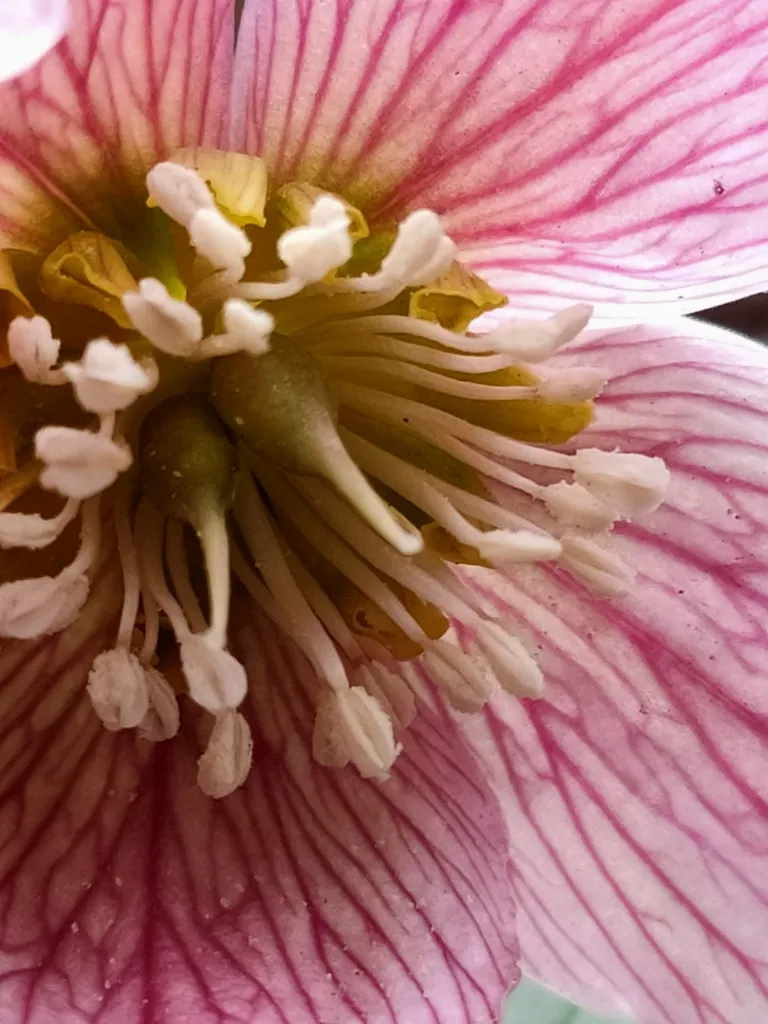
H. thibetanus is a deciduous perennial to 45cm tall. The divided leaves, with saw-like teeth, are borne in spring and early summer before dying back. Clusters of two to eight, bell-shaped flowers, 5-6cm in diameter, appear in early spring. The papery-textured flowers are white at first, fading through pale pink to green, often with conspicuous dark veins
Scientific classification
- Species
- Tibetan hellebore (Helleborus thibetanus)
- Genus
- Helleborus
- Family
- Ranunculaceae
- Harmful if eaten, skin irritant. Wear gloves and other protective equipment when handling]
- Toxicity
- Alpine Rockery · Herbaceous Perennial
- Plant type
- 0.1-0.5 metres
- Height
- 0.1-0.5 metres
- Spread
- Deciduous
- Foliage
- Bushy
- Habit
- Spring · Summer
- Season of interest
- Partial shade
- Sunlight
- Information to be completed
- Ideal temperature









Tibetan hellebore pictures
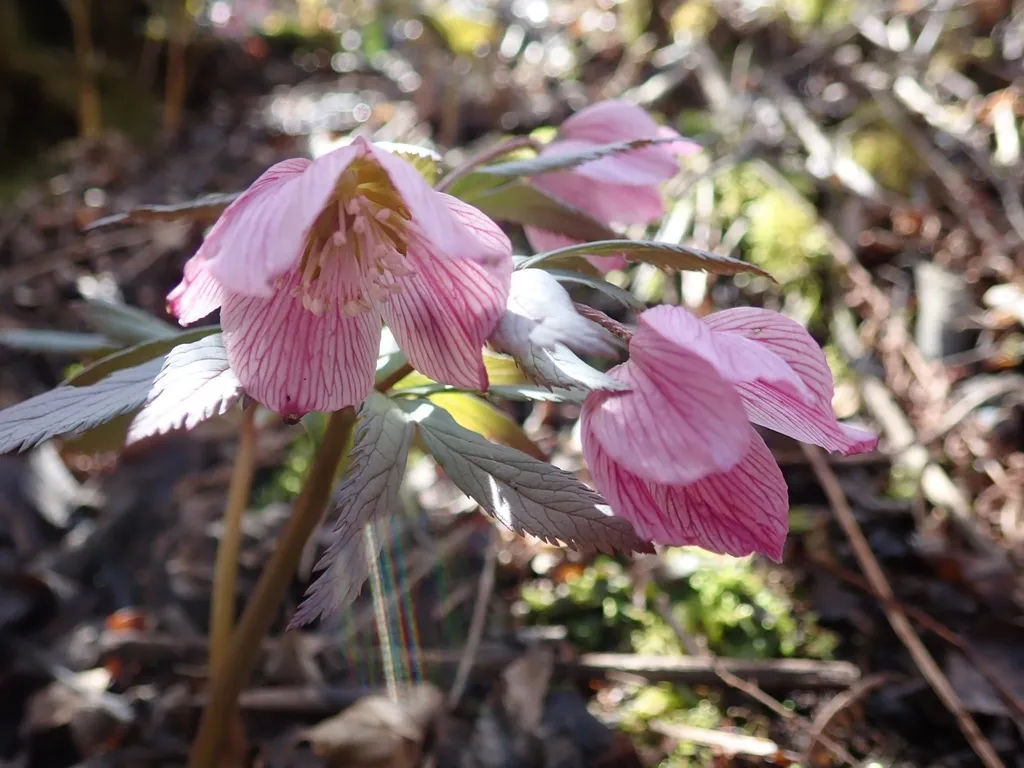
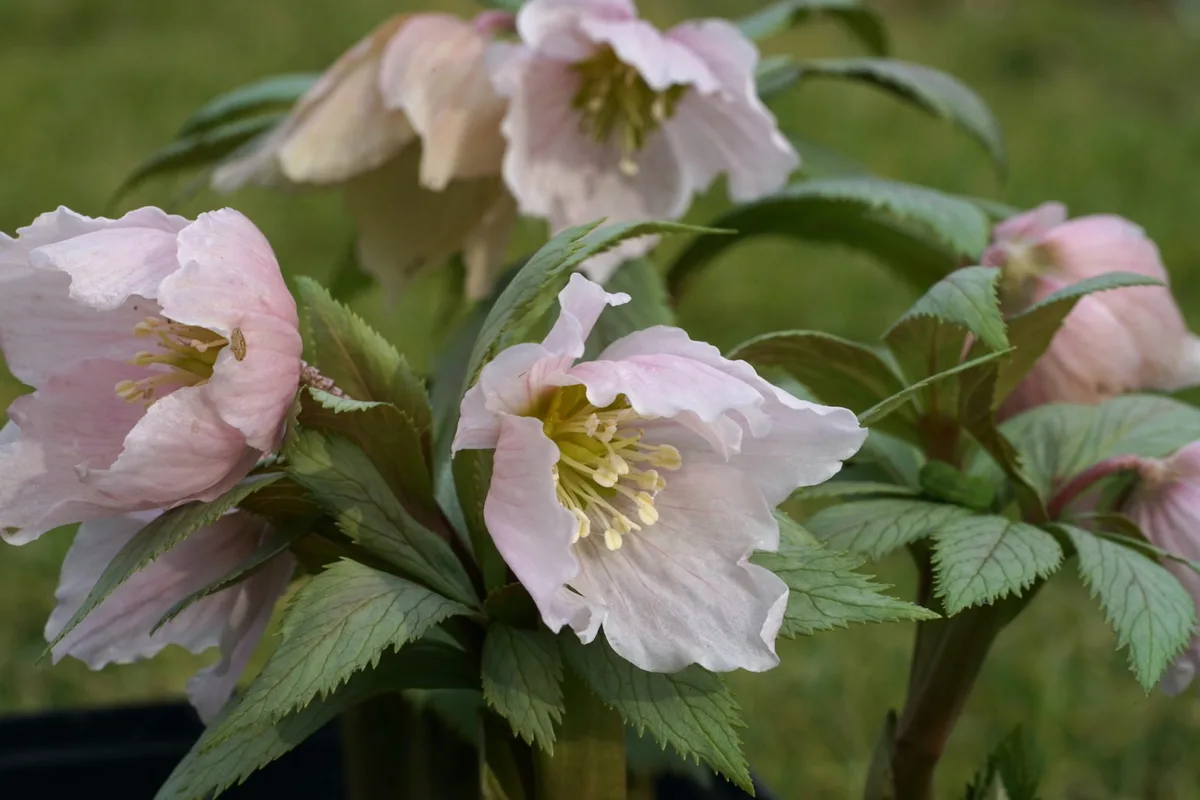
Distribution of Tibetan hellebore
Distribution map
China
Information to be completed
Culture
Information to be completed
Toxicity
Harmful if eaten, skin irritant. Wear gloves and other protective equipment when handling]
Quick identification of Tibetan hellebore
Information to be completed
Tibetan hellebore care guide
- Moderate regular watering, allowing brief slight drying between soakings
- Watering
- Partial shade
- Sunlight
- Information to be completed
- Ideal temperature

Watering
Moderate regular watering, allowing brief slight drying between soakings
Fertilizing
 Fertilizing
Balanced perennial feed every four weeks from spring through summer
Pruning
 Pruning
None required
Propagation
 Propagation
Propagate by seed
Growing
 Growing
Best grown in woodland gardens in moist, fertile and humus-rich soils in partial shade. Protect from excessive wet from late summer to early spring when the plant is dormant. Can also be grown in an alpine house
People also ask
Information to be completed
Common pests and diseases
Diseases
May be susceptible to hellebore leaf spot and hellebore black death
Pests
May be susceptible to hellebore aphid, hellebore leaf miner and snails
Explore the plant health library →




