
squash (butternut) 'Hunter'
Also known as: Information to be completed
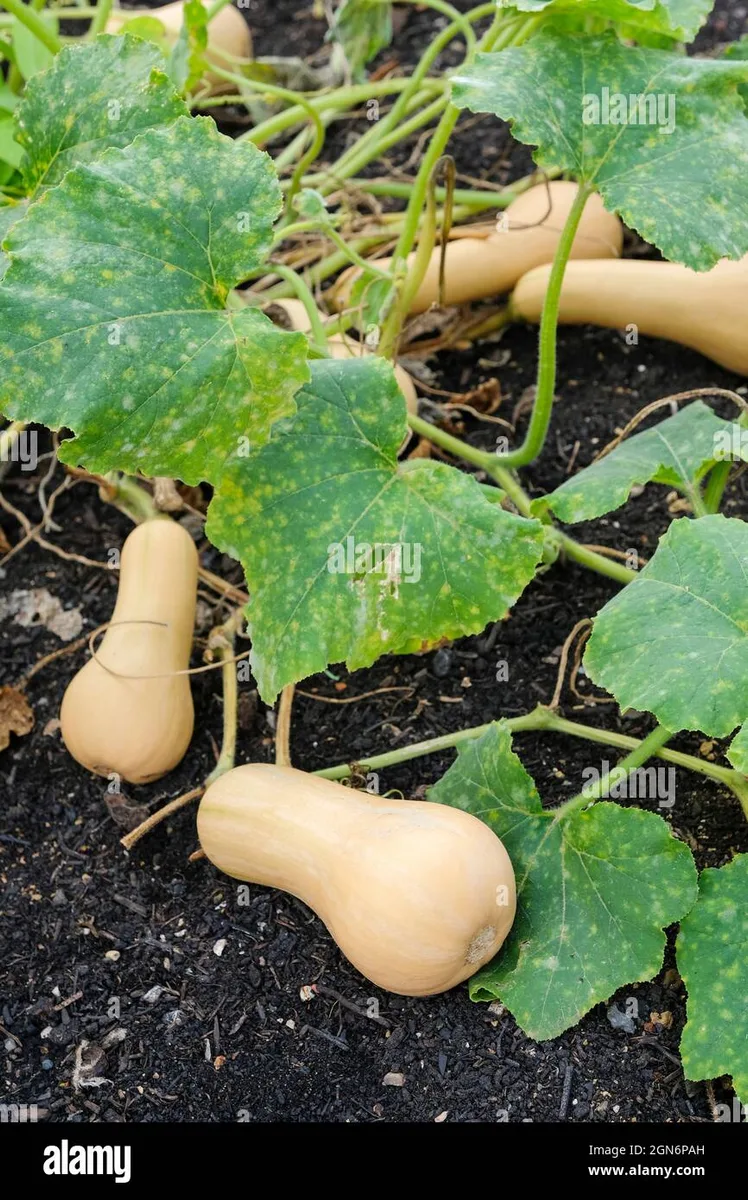
Hunter' is a squash producing uniform, small to medium-sized fruit, six to seven per plant, on bushy plants with trailing stems from late summer into autumn. Fruits are a light brown colour with orange-gold flesh with a small seed cavity
Scientific classification
- Species
- squash (butternut) 'Hunter' (Cucurbita moschata 'Hunter')
- Genus
- Cucurbita
- Family
- Cucurbitaceae
- If crop is bitter, don't eat. Wear gloves and other protective equipment when handling
- Toxicity
- Annual Biennial
- Plant type
- 0.5-1 metres
- Height
- 1-1.5 metres
- Spread
- Deciduous
- Foliage
- Trailing · Bushy
- Habit
- Summer · Autumn
- Season of interest
- Full sun
- Sunlight
- Information to be completed
- Ideal temperature









squash (butternut) 'Hunter' pictures
Distribution of squash (butternut) 'Hunter'
Distribution map
Information to be completed
Information to be completed
Culture
Information to be completed
Toxicity
If crop is bitter, don't eat. Wear gloves and other protective equipment when handling
Quick identification of squash (butternut) 'Hunter'
Information to be completed
squash (butternut) 'Hunter' care guide
- Keep moisture even through flowering and fruiting, avoiding hard dry swings
- Watering
- Full sun
- Sunlight
- Information to be completed
- Ideal temperature

Watering
Keep moisture even through flowering and fruiting, avoiding hard dry swings
Fertilizing
 Fertilizing
Tomato or pepper feed every one to two weeks in fruiting season
Pruning
 Pruning
None required
Propagation
 Propagation
Propagate by seed. See sowing vegetable seeds
Growing
 Growing
Grow in a fertile, well-drained soil in full sun; sed germination requires a minimum temperature of 13⁰C and plants grow best at 18-21⁰C. Feed regularly with a high potassium fertiliser when the first fruits start to swell
People also ask
Information to be completed
Common pests and diseases
Diseases
Powdery mildews and grey moulds may affect plants
Pests
Generally trouble free
Explore the plant health library →




