
beetroot 'Moulin Rouge'
Also known as: Information to be completed
An excellent annual grown as a vegetable for its edible, sweet tasting, purple coloured taproots that can be harvested when young, as baby beet, or left to mature
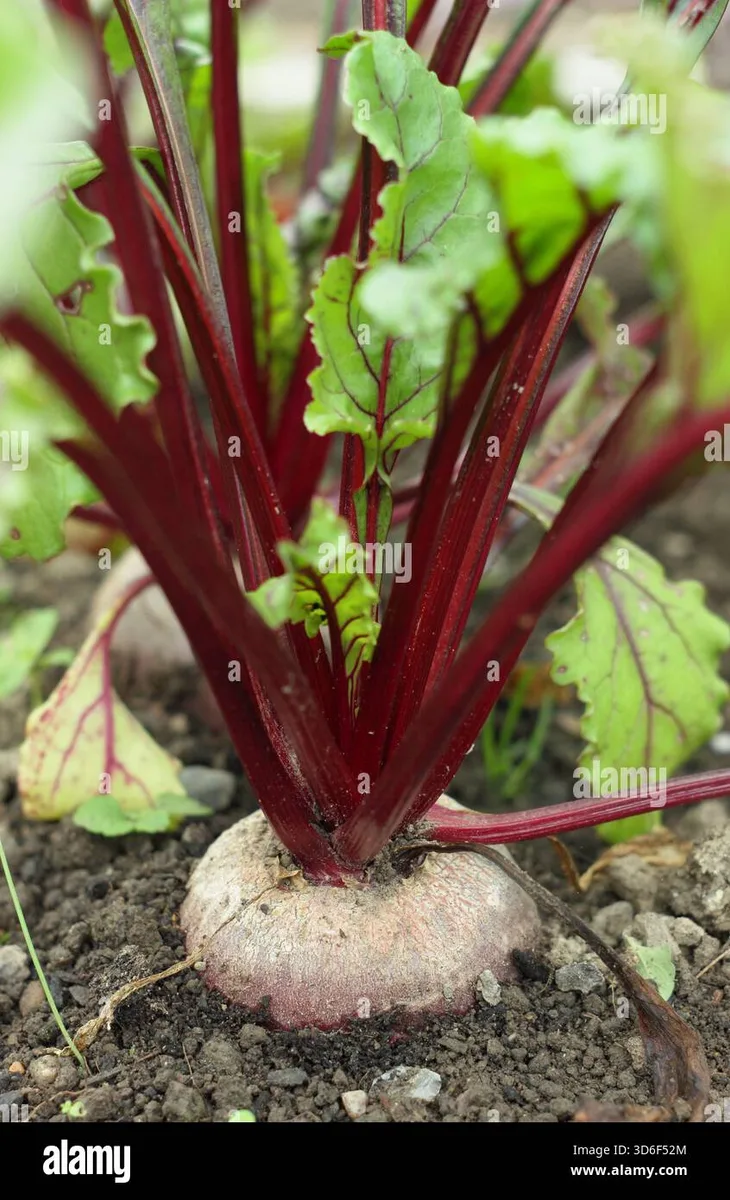
Scientific classification
- Species
- beetroot 'Moulin Rouge' (Beta vulgaris 'Moulin Rouge')
- Genus
- Beta
- Family
- Amaranthaceae
- Order
- Caryophyllales
- Class
- Magnoliopsida
- Phylum
- Tracheophyta
- Information to be completed
- Toxicity
- Annual Biennial
- Plant type
- 0.1-0.5 metres
- Height
- 0.1-0.5 metres
- Spread
- Deciduous
- Foliage
- Clump forming
- Habit
- Spring · Summer · Autumn
- Season of interest
- Full sun
- Sunlight
- Information to be completed
- Ideal temperature









beetroot 'Moulin Rouge' pictures
Distribution of beetroot 'Moulin Rouge'
Distribution map
- Native
- Introduced
- Cultivated
Source:WCVP v16 · Royal Botanic Gardens, Kew · CC BY 3.0 · Boundaries:WGSRPD / TDWG
beetroot 'Moulin Rouge' care guide
- Keep soil consistently moist for steady leafy growth without drought stress
- Watering
- Full sun
- Sunlight

Watering
Keep soil consistently moist for steady leafy growth without drought stress
Fertilizing
 Fertilizing
Nitrogen-rich vegetable feed every two to three weeks in active growth
Pruning
 Pruning
No pruning required. Harvest roots when they are more than 5cm in diameter
Propagation
 Propagation
Propagate by seed. See sowing vegetable seeds
Growing
 Growing
Grow in fertile, well drained, alkaline soil in full sun. Dig over bed in autumn and add well rotted manure if humus content is low. Sow direct between March and July into drills 2.5cm deep and lighly rake over with soil. Thin out seedlings to 10cm spacings. See beetroot cultivation for more information
Common pests and diseases
Diseases
May be susceptible to beetroot heart rot, black leg and leaf spot
Pests
May be susceptible to aphids, flea beetles and mangold fly (beet leaf miner)
Explore the plant health library →




