
golden wand
Also known as: Information to be completed
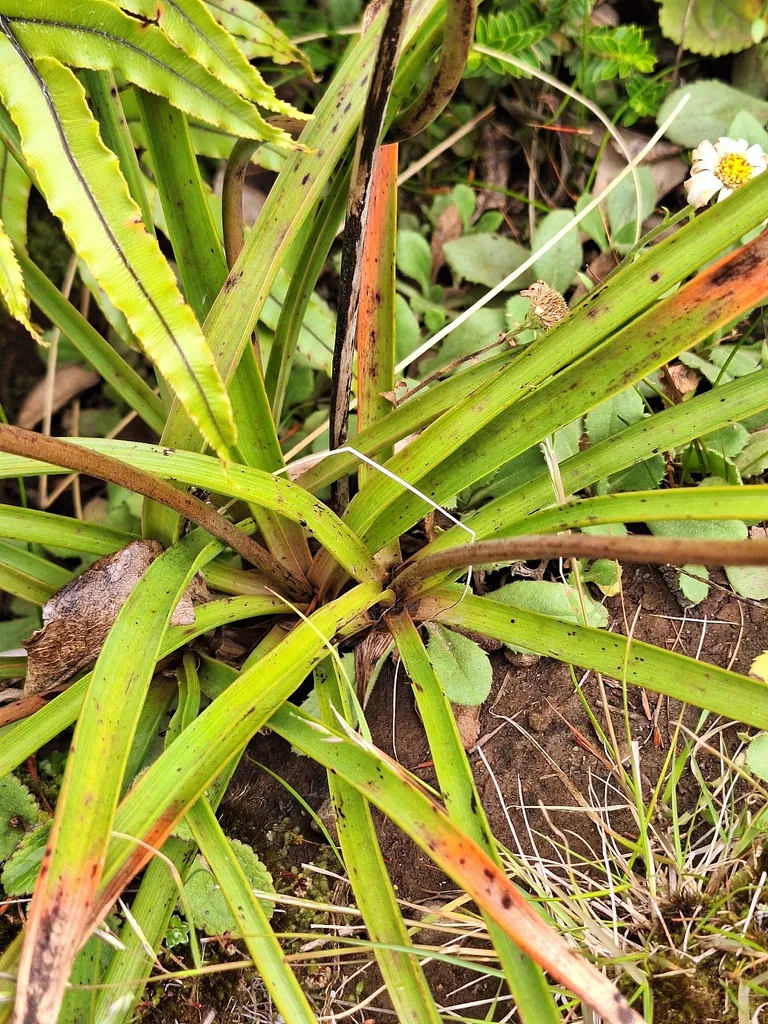
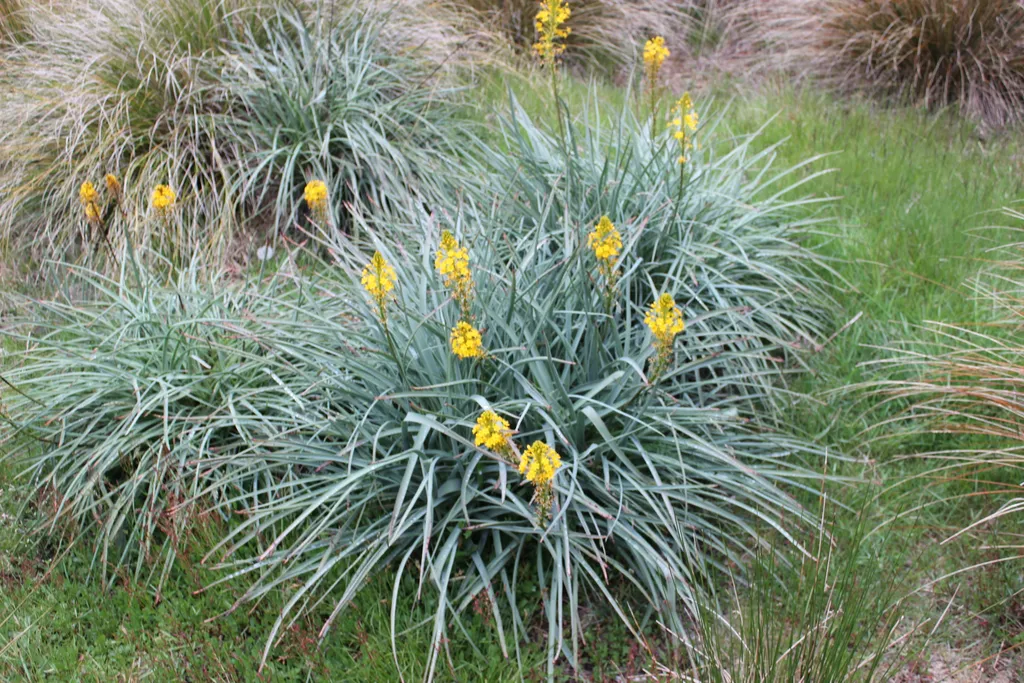
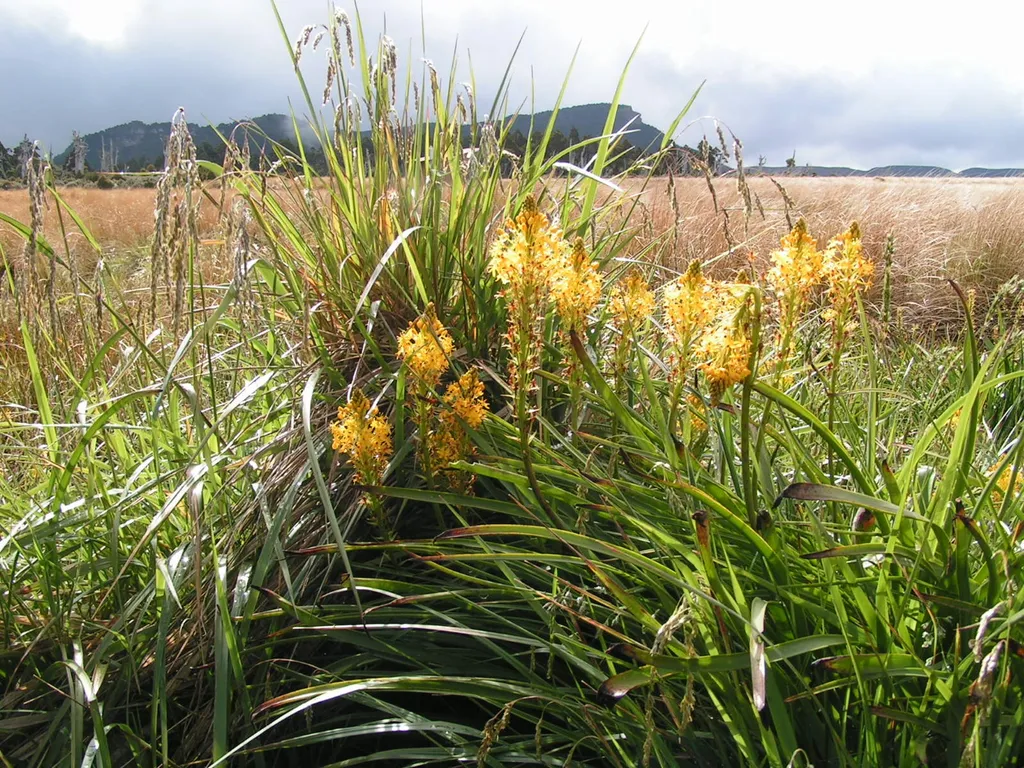
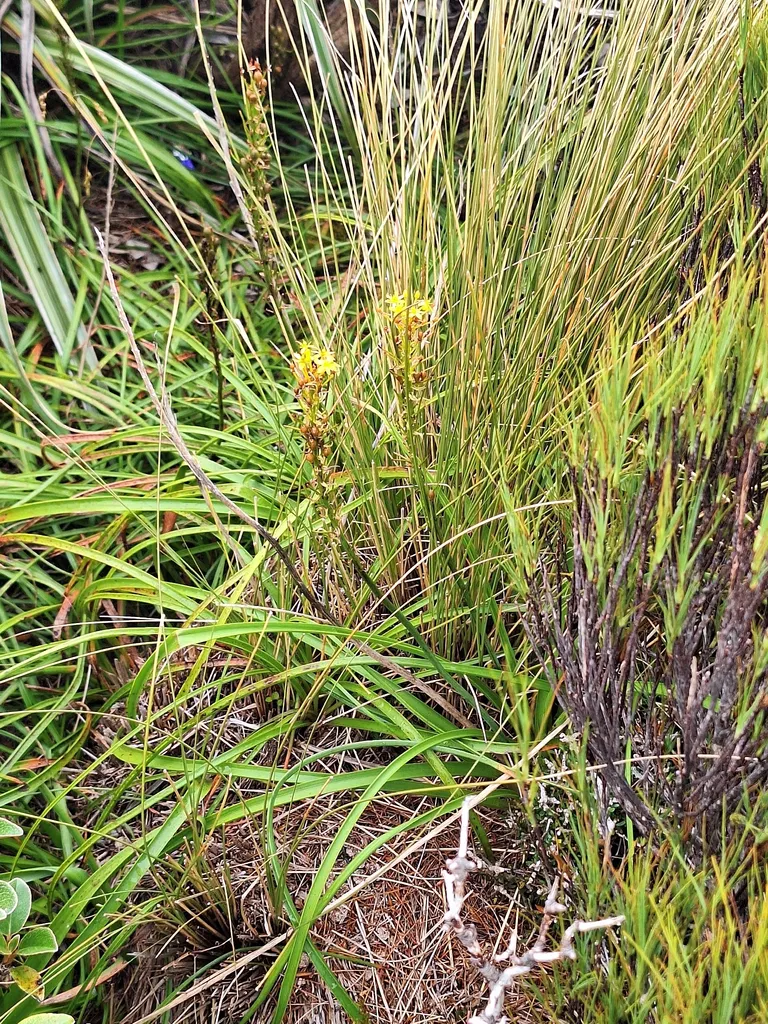
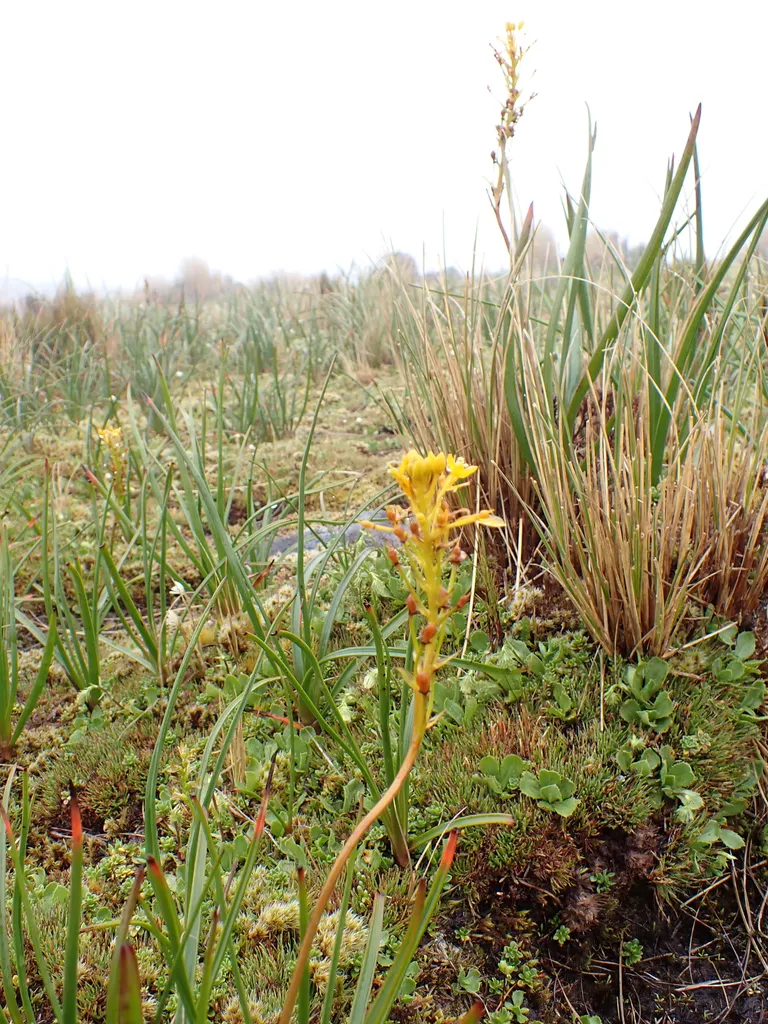
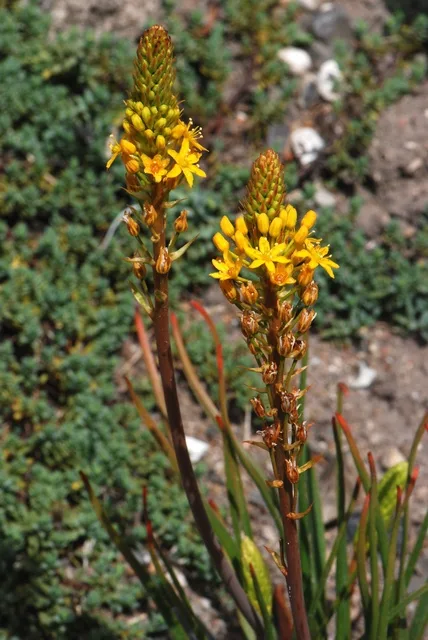
A deciduous plant forming rosetttes of lanceolate, rather fleshy leaves to 30cm tall which start into growth in early spring. Later it produces upright stems to 60cm bearing dense racemes of starry, bright yellow flowers, which last throughout the summer
Scientific classification
- Species
- golden wand (Bulbinella hookeri)
- Genus
- Bulbinella
- Family
- Asphodelaceae
- Information to be completed
- Toxicity
- Herbaceous Perennial
- Plant type
- 0.5-1 metres
- Height
- 0.1-0.5 metres
- Spread
- Deciduous
- Foliage
- Columnar upright
- Habit
- Spring · Summer
- Season of interest
- Full sun · Partial shade
- Sunlight
- Information to be completed
- Ideal temperature









golden wand pictures
Distribution of golden wand
Distribution map
New Zealand
Information to be completed
Culture
Information to be completed
Toxicity
Information to be completed
Quick identification of golden wand
Information to be completed
golden wand care guide
- Water moderately, keeping the soil moist during active growth; reduce in winter.
- Watering
- Full sun · Partial shade
- Sunlight
- Information to be completed
- Ideal temperature

Watering
Water moderately, keeping the soil moist during active growth; reduce in winter.
Fertilizing
 Fertilizing
Apply a balanced liquid fertilizer monthly during the growing season.
Pruning
 Pruning
None required
Propagation
 Propagation
Propagate by seed in a cold frame as soon as ripe or propagate by division in autumn
Growing
 Growing
Grow in moist but well-drained, neutral to acid soil in full sun or partial shade. Mulch with leaf mould in winter. Can also be grown in an alpine house in containers of equal parts loam, leaf mould and sharp sand
People also ask
Information to be completed
Common pests and diseases
Diseases
Usually trouble free
Pests
Under glass, glasshouse whitefly, aphids and glasshouse red spider mite may be problematic
Explore the plant health library →




