
bluebell creeper
Also known as: Australian bluebell creeper
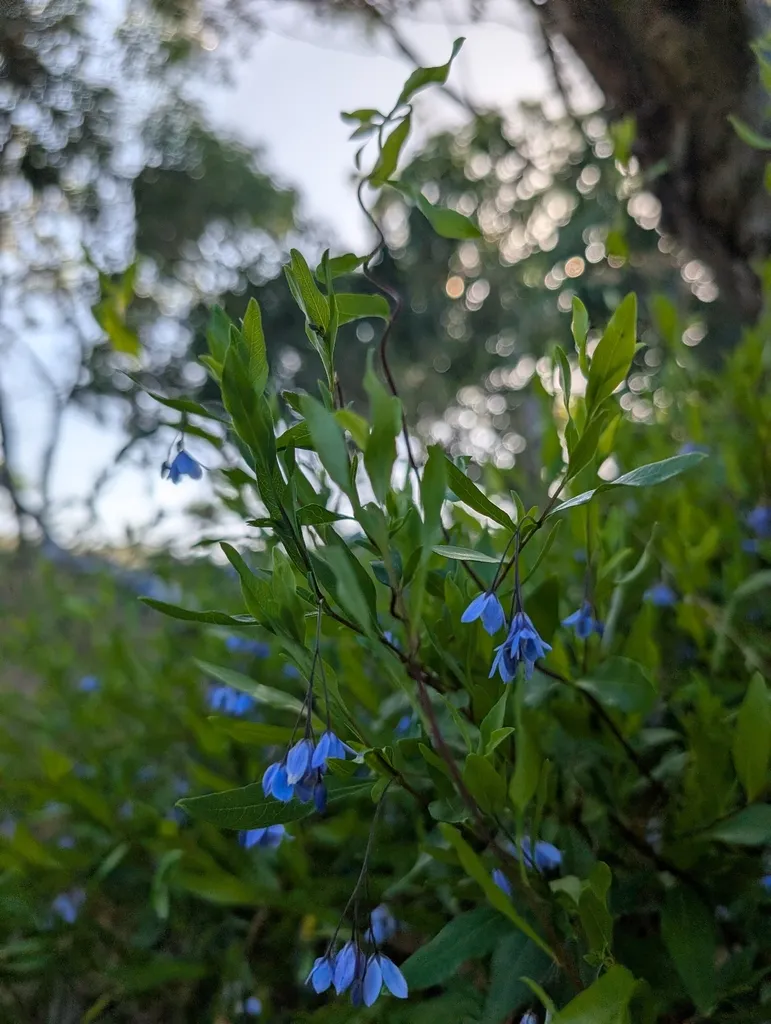
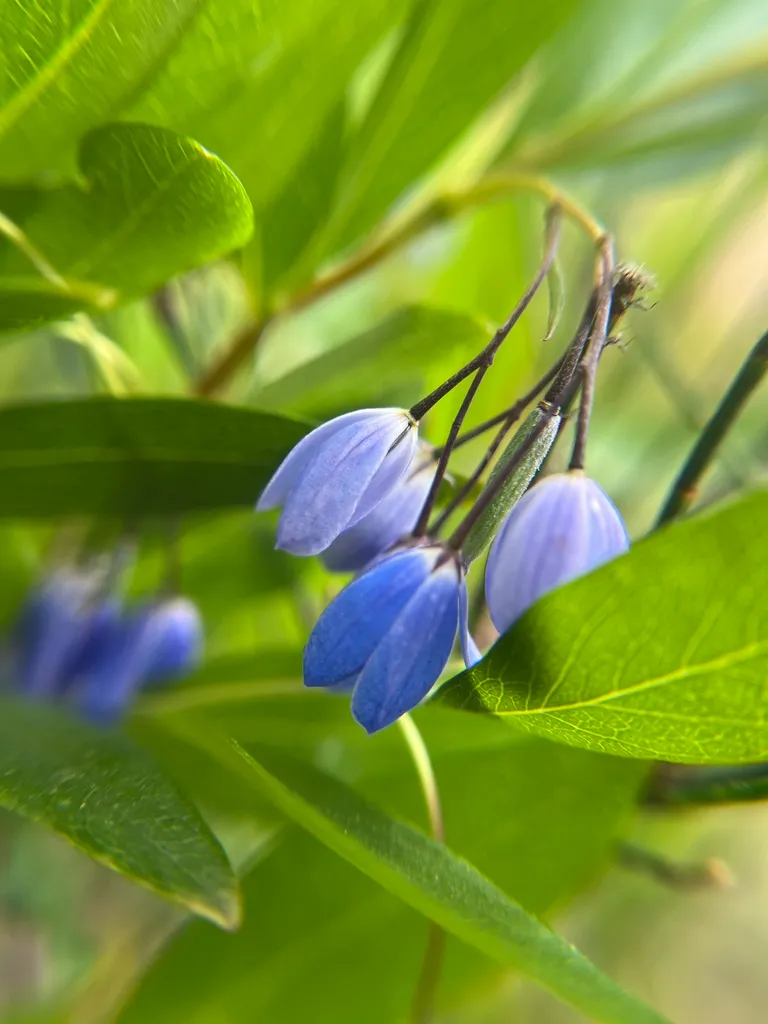
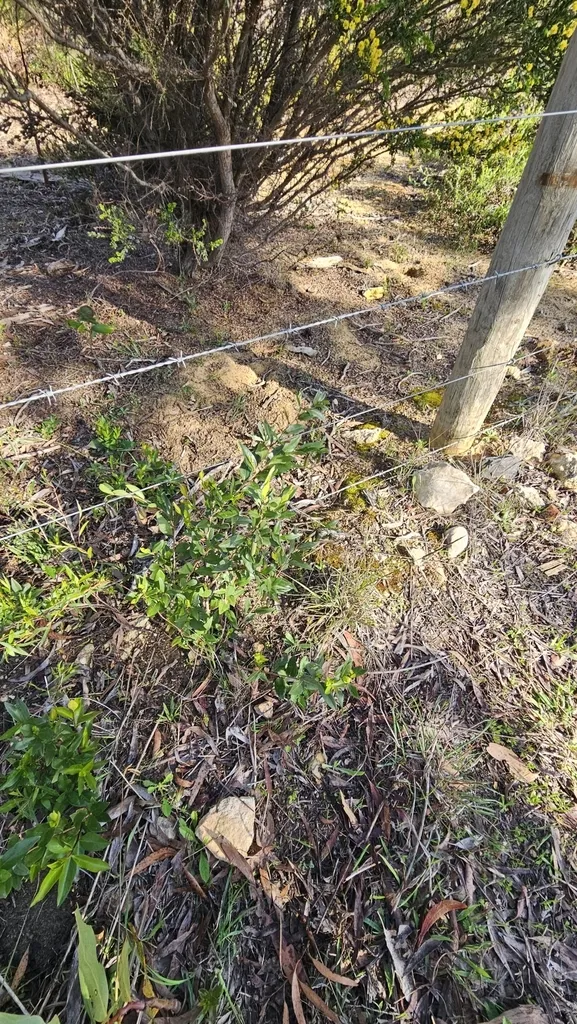
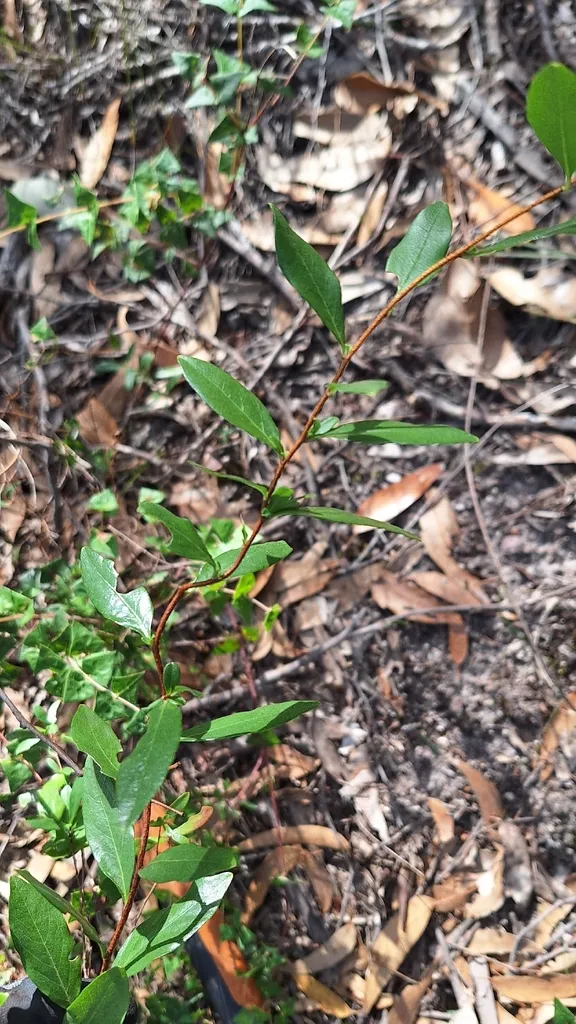
An evergreen climber to 1.8m, with narrowly lance-shaped green leaves and nodding clusters of blue flowers 1.5cm across, followed by cylindrical purple berries 2.5cm in length
Scientific classification
- Species
- bluebell creeper (Billardiera heterophylla)
- Genus
- Billardiera
- Family
- Pittosporaceae
- Order
- Apiales
- Class
- Magnoliopsida
- Phylum
- Tracheophyta
- Information to be completed
- Toxicity
- Climber Wall Shrub · Conservatory Greenhouse
- Plant type
- 1-1.5 metres
- Height
- 0.1-0.5 metres
- Spread
- Evergreen
- Foliage
- Climbing
- Habit
- Spring · Summer · Autumn · Winter
- Season of interest
- Full sun · Partial shade
- Sunlight
- Information to be completed
- Ideal temperature









bluebell creeper pictures
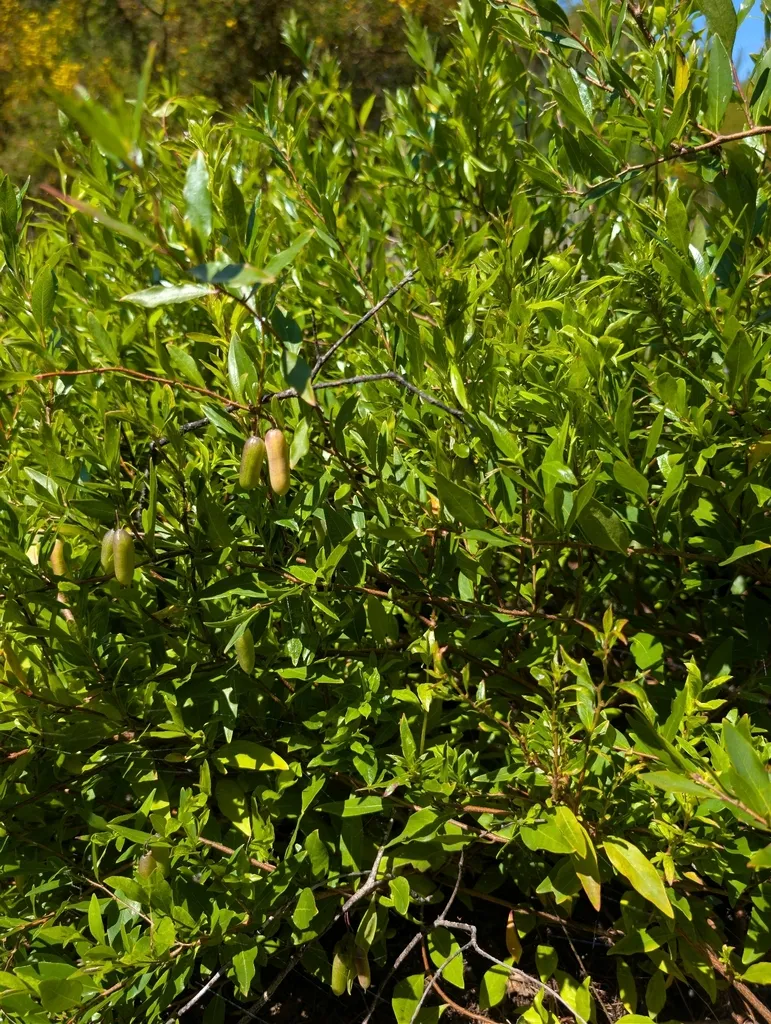
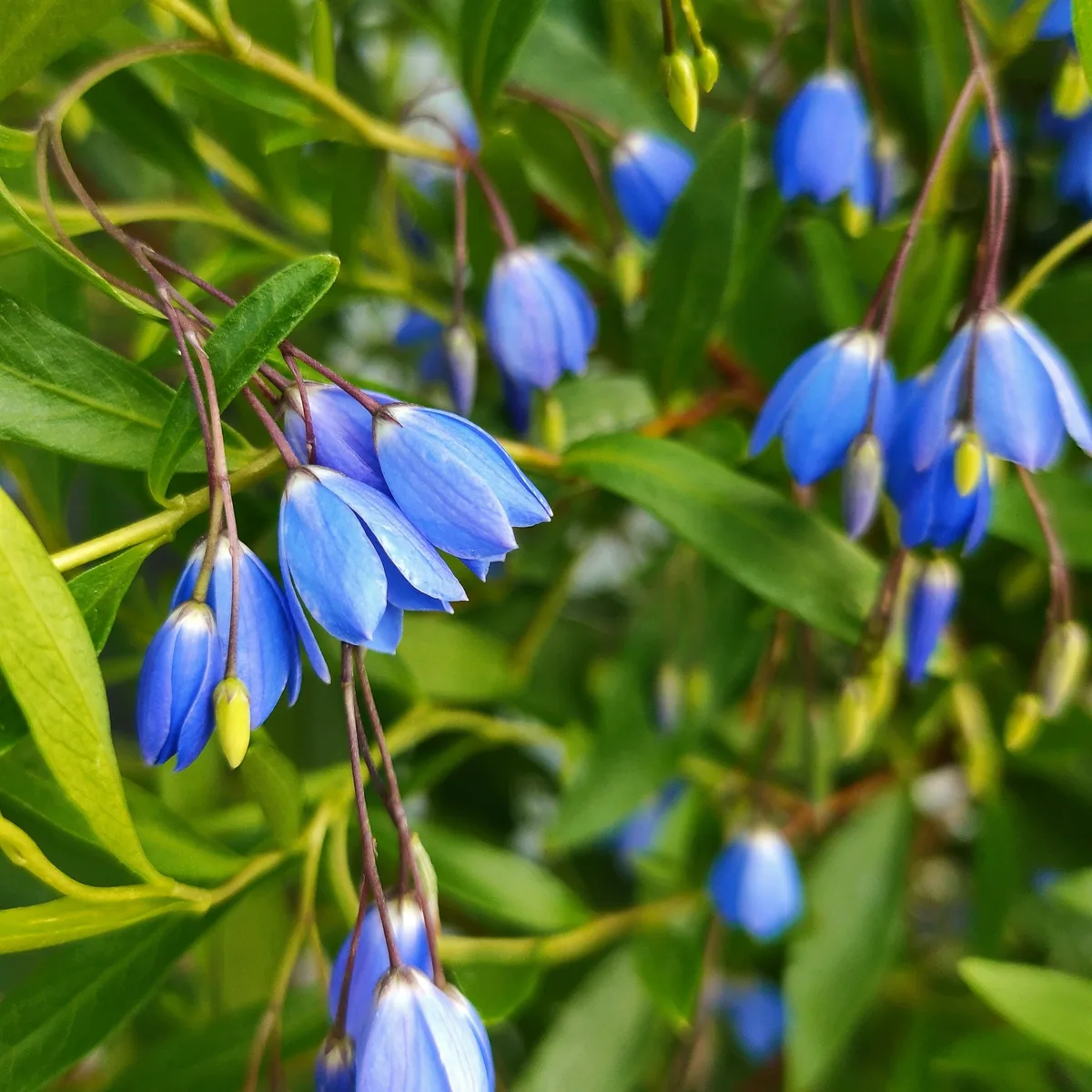
Distribution of bluebell creeper
Distribution map
- Native
- Introduced
- Cultivated
Source:WCVP v16 · Royal Botanic Gardens, Kew · CC BY 3.0 · Boundaries:WGSRPD / TDWG
bluebell creeper care guide
- Moderate regular watering, avoid prolonged drought or waterlogging
- Watering
- Full sun · Partial shade
- Sunlight

Watering
Moderate regular watering, avoid prolonged drought or waterlogging
Fertilizing
 Fertilizing
Balanced feed in spring and light repeat in growth season
Pruning
 Pruning
On established plants, shorten sideshoots to three or four buds from the permanent framework; remove crowded or damaged shoots. Prune in late winter or early spring.
Propagation
 Propagation
Propagate by seed, sown at 10-16°C in spring, or strike softwood cuttings in late spring or early summer. See propagate from cuttings (climbers) for further advice
Growing
 Growing
Under glass grow in loam-based or loam-less compost, in full light with shade from hot sun. During growth, water moderately and apply a balanced liquid fertiliser monthly. Maintain low to moderate humidity. Can be grown outdoors in frost-free areas in moderately fertile, humus-rich, moist but well-drained soil in full sun. Apply a dry winter mulch. Provide support for climbing stems
Common pests and diseases
Diseases
Generally disease-free
Pests
May be susceptible to glasshouse red spider mite
Explore the plant health library →




