
gravel root
Also known as: grass root; gravel weed; hardy ageratum; Indian gravel root; Indian sage; Indian sanicle; Joe Pye weed; kidney root; kidney wort; marsh milkweed; motherwort; pride of the meadow; purple boneset; purple hemp agrimony; queen of the meadow; queen of the prairie; quill wort; sisters of healing; skunkweed; sweet-scented joe-pyeweed; trumpet weed
A clump-forming perennial with lance-shaped, sometimes purple-tinged leaves to 25cm long, and domed clusters of small, purplish-pink flowers in late summer and early autumn
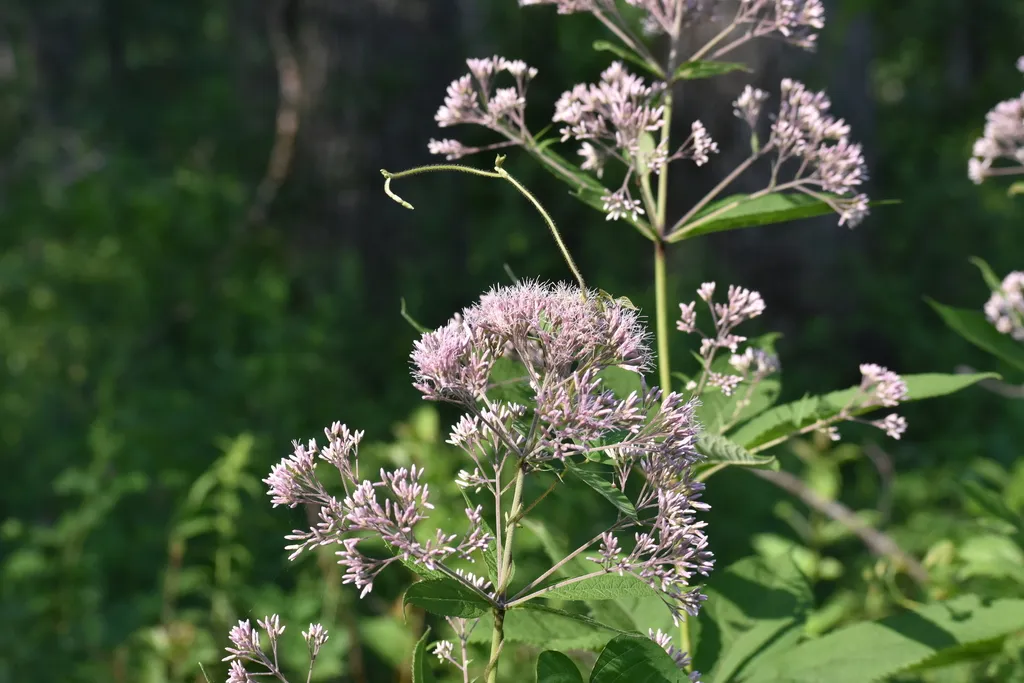
Scientific classification
- Species
- gravel root (Eutrochium purpureum)
- Genus
- Eutrochium
- Family
- Asteraceae
- Information to be completed
- Toxicity
- Herbaceous Perennial
- Plant type
- 1.5-2.5 metres
- Height
- 0.5-1 metres
- Spread
- Deciduous
- Foliage
- Bushy
- Habit
- Spring · Summer · Autumn
- Season of interest
- Full sun · Partial shade
- Sunlight
- Information to be completed
- Ideal temperature









gravel root pictures
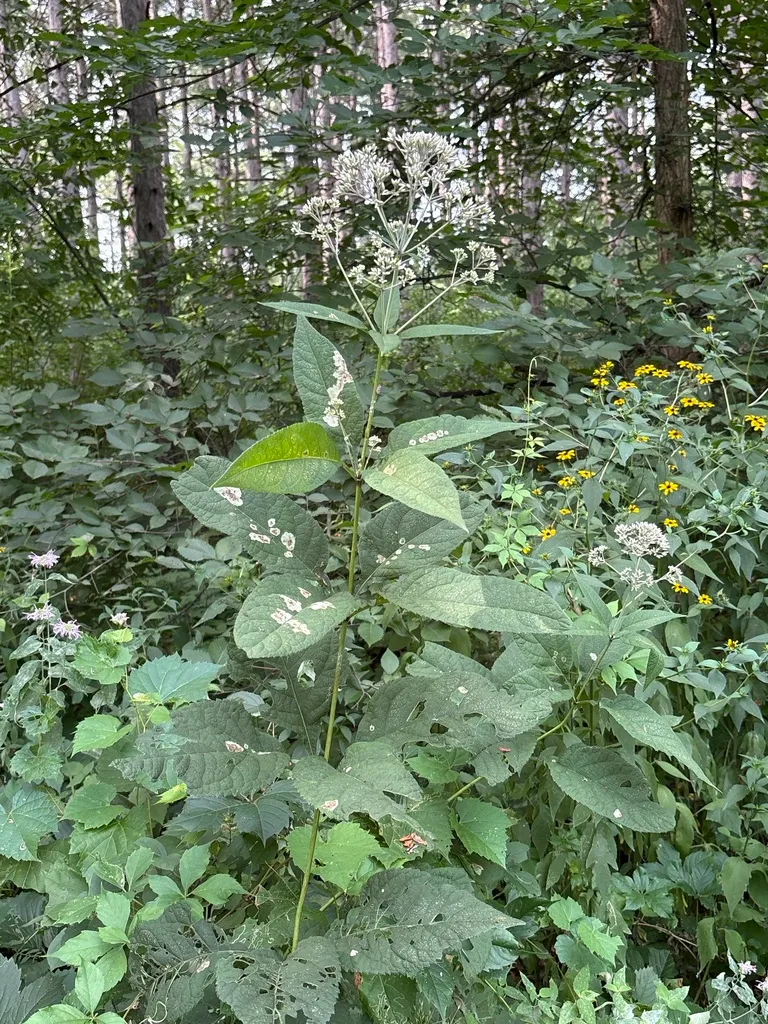
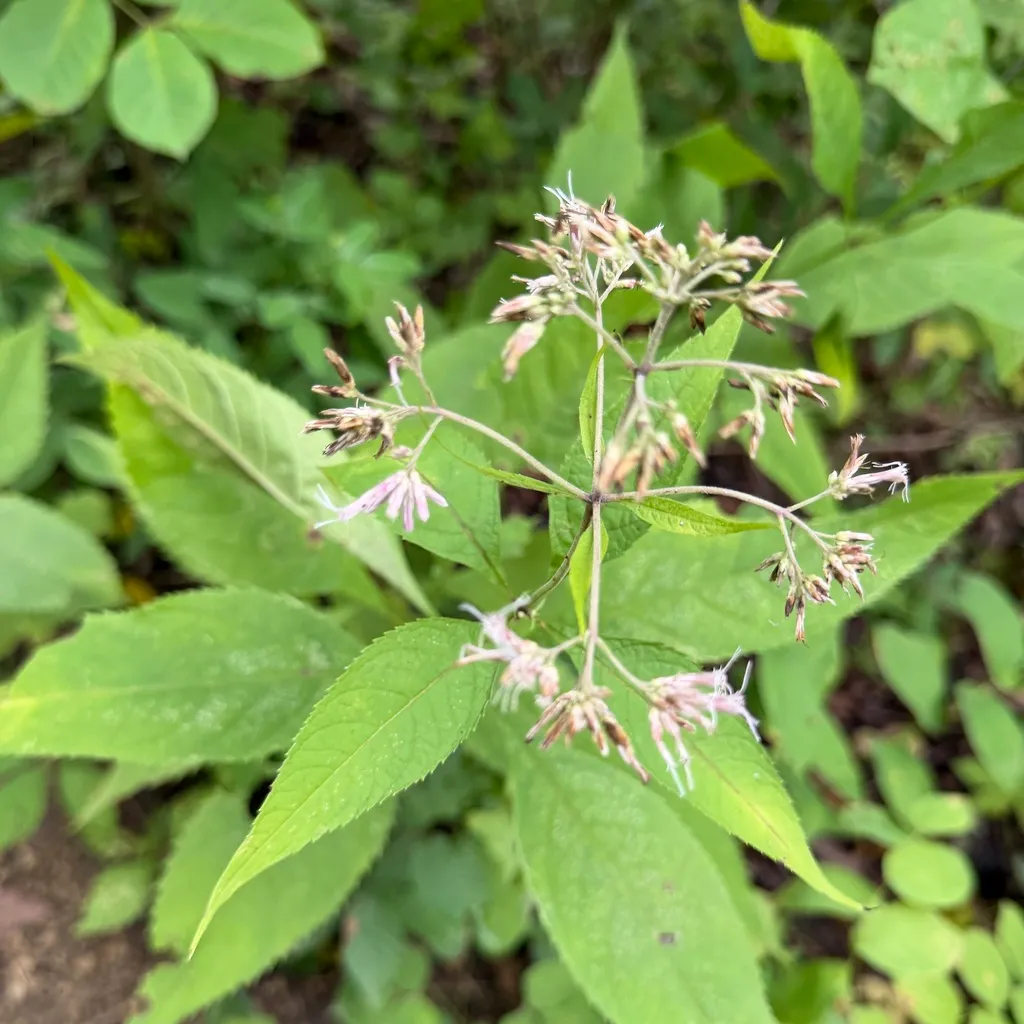
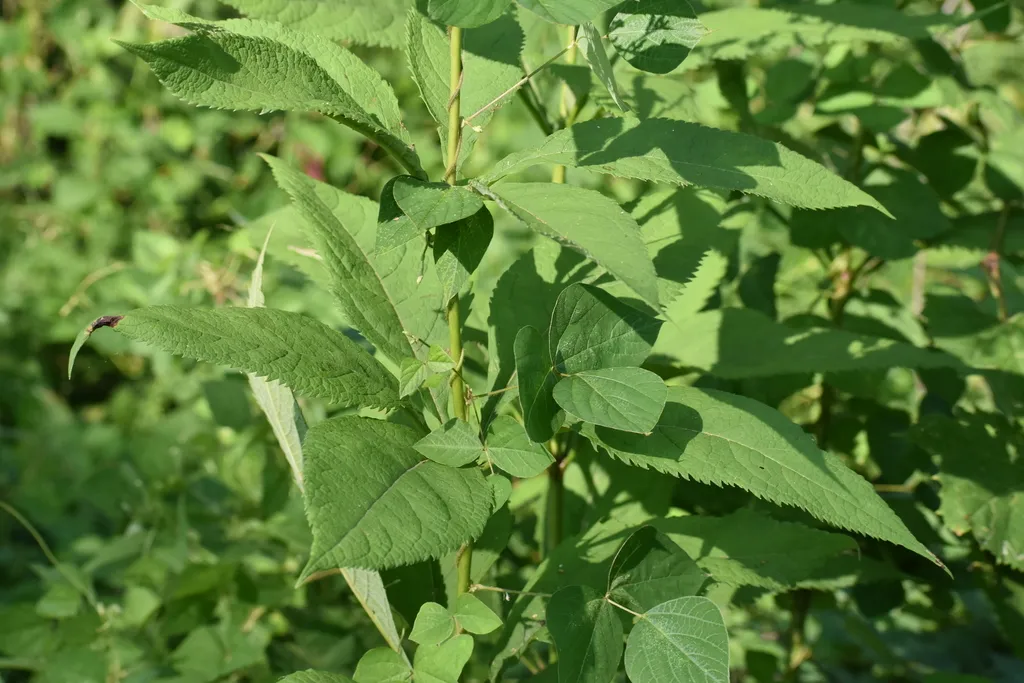
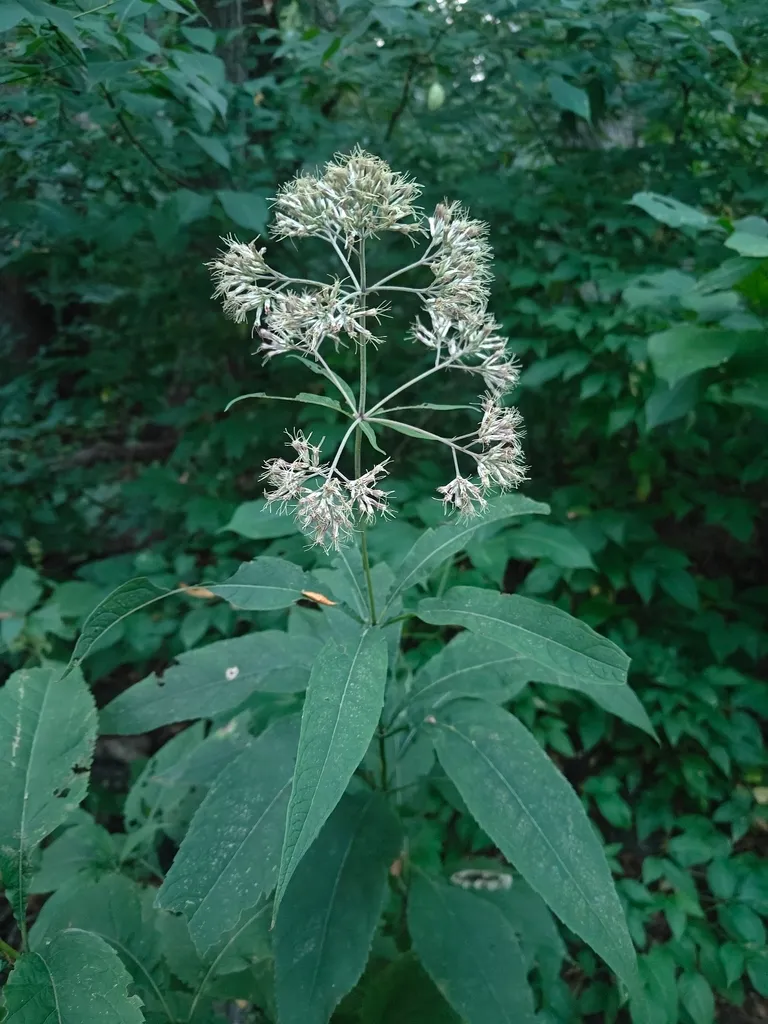
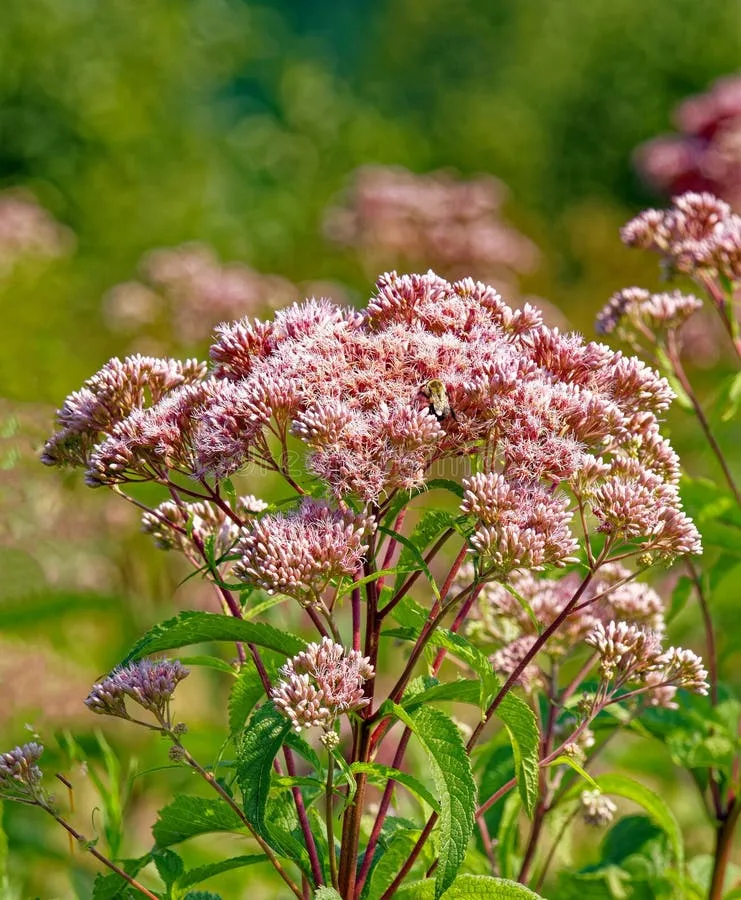
Distribution of gravel root
Distribution map
Eastern North America
Information to be completed
Culture
Information to be completed
Toxicity
Information to be completed
Quick identification of gravel root
Information to be completed
gravel root care guide
- Medium damp soil year-round, suitable for moist wild garden borders
- Watering
- Full sun · Partial shade
- Sunlight
- Information to be completed
- Ideal temperature

Watering
Medium damp soil year-round, suitable for moist wild garden borders
Fertilizing
 Fertilizing
Balanced perennial feed every four weeks spring through summer growth
Pruning
 Pruning
Cut back at the end of the season
Propagation
 Propagation
Propagate by seed sown in containers in spring or autumn, or by division in spring
Growing
 Growing
Grow in any moist soil in full sun or partial shade
People also ask
Information to be completed
Common pests and diseases
Diseases
Generally disease free
Pests
Generally pest-free
Explore the plant health library →




