
bean (runner) 'Aintree'
Also known as: Information to be completed
A sweet flavoured runner bean with up to 30cm long of minimal string, smooth, fleshy pods and attractive red flowers. It has a high temperature tolerance.
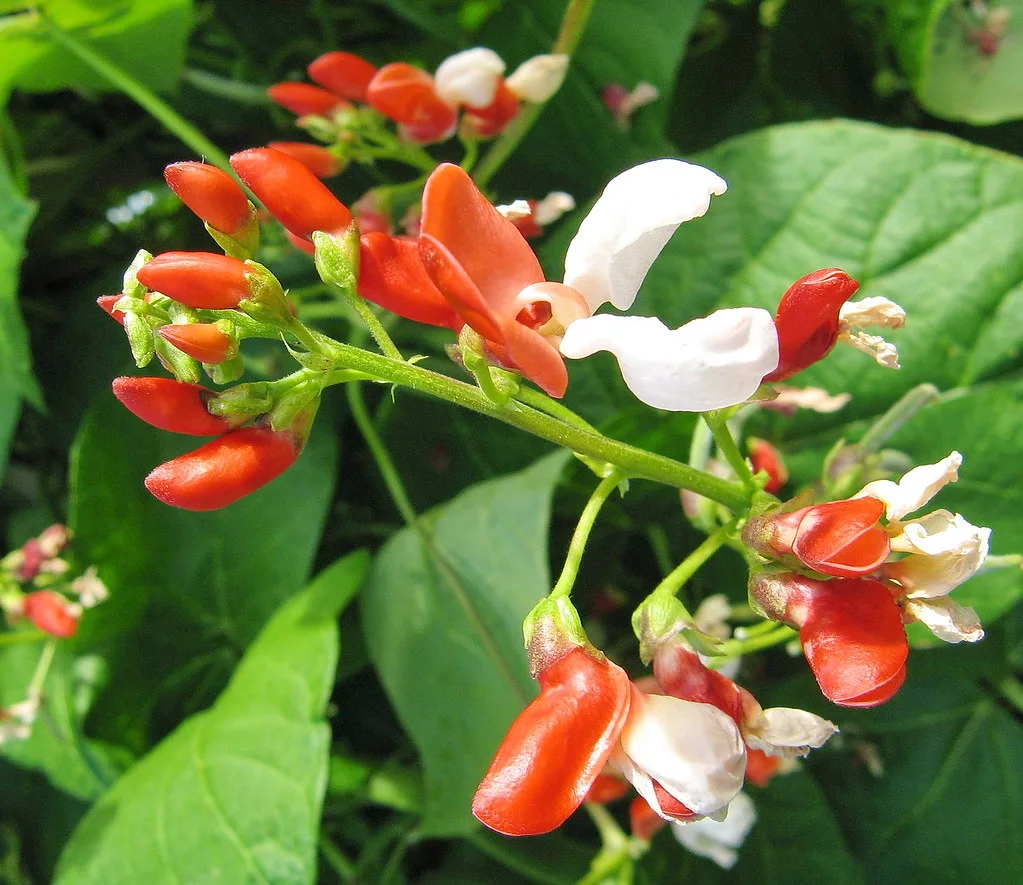
Scientific classification
- Species
- bean (runner) 'Aintree' (Phaseolus coccineus 'Aintree')
- Genus
- Phaseolus
- Family
- Fabaceae
- Raw pods/beans harmful if eaten. Wear gloves and other protective equipment when handling
- Toxicity
- Climber Wall Shrub
- Plant type
- 2.5-4 metres
- Height
- 0.1-0.5 metres
- Spread
- Deciduous
- Foliage
- Climbing
- Habit
- Summer
- Season of interest
- Full sun
- Sunlight
- Information to be completed
- Ideal temperature









bean (runner) 'Aintree' pictures
Distribution of bean (runner) 'Aintree'
Distribution map
Information to be completed
Information to be completed
Culture
Information to be completed
Toxicity
Raw pods/beans harmful if eaten. Wear gloves and other protective equipment when handling
Quick identification of bean (runner) 'Aintree'
Information to be completed
bean (runner) 'Aintree' care guide
- Water regularly, keeping the soil moist but not waterlogged; water more during flowering and pod set.
- Watering
- Full sun
- Sunlight
- Information to be completed
- Ideal temperature

Watering
Water regularly, keeping the soil moist but not waterlogged; water more during flowering and pod set.
Fertilizing
 Fertilizing
Apply a balanced fertilizer every 2-3 weeks during the growing season.
Pruning
 Pruning
No pruning required
Propagation
 Propagation
Propagate by seed. See sowing vegetable seeds
Growing
 Growing
Sow seeds indoors from mid April for an earlier harvest or outdoors after the last frost. They will grow in full sun or partial shade in fertile well-drained soil. Use canes or wigwams and two plants per cane. Pick beans regularly to ensure continous production. See runner-bean cultivation for further advice
People also ask
Information to be completed
Common pests and diseases
Diseases
May be susceptible to root rot, bean mosaic, Botrytis, blight.
Pests
May be susceptible to black bean aphids. Young plants also need protection from slugs and snails
Explore the plant health library →




