
blue eryngo
Also known as: flat-leaved eryngo
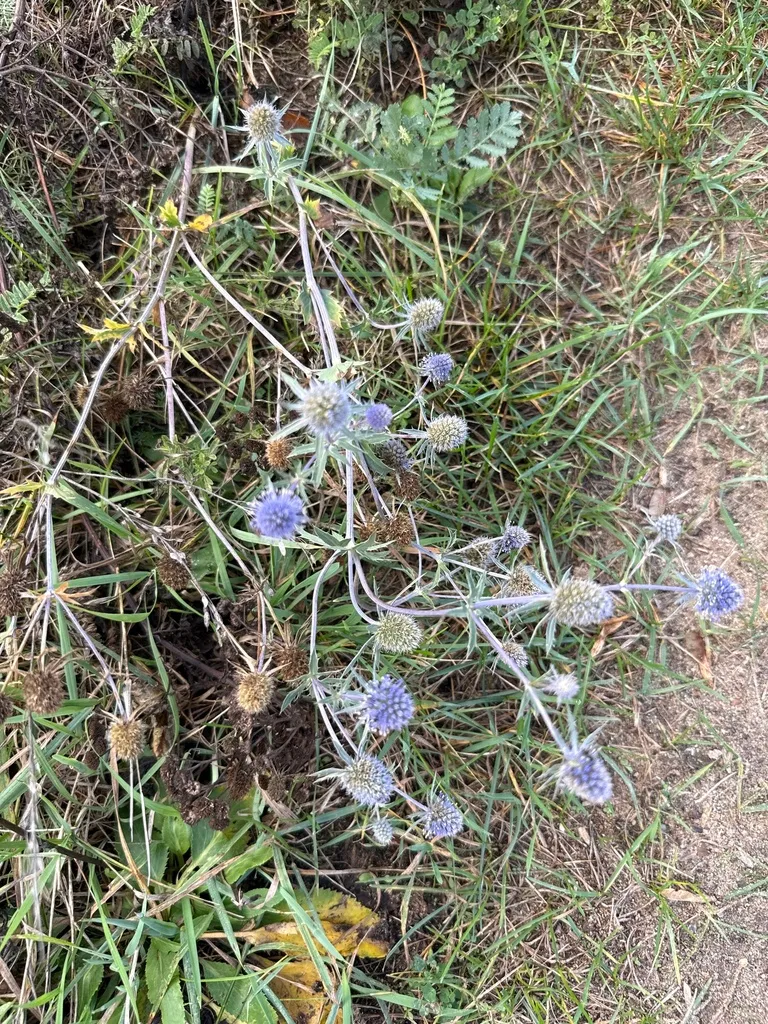
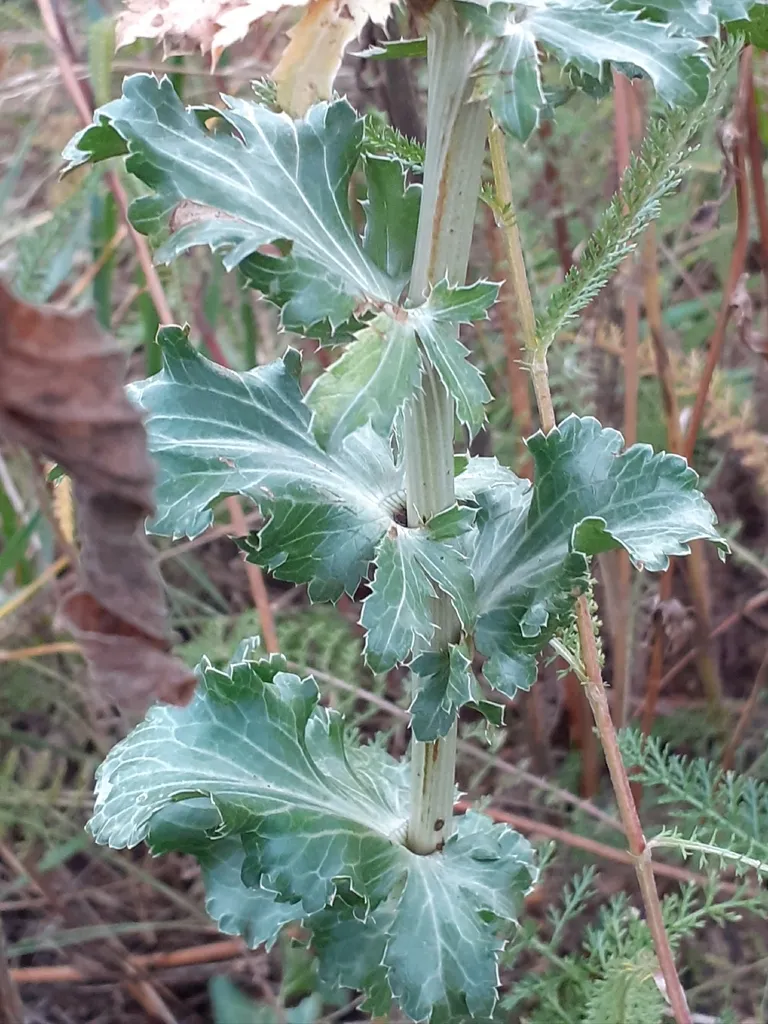
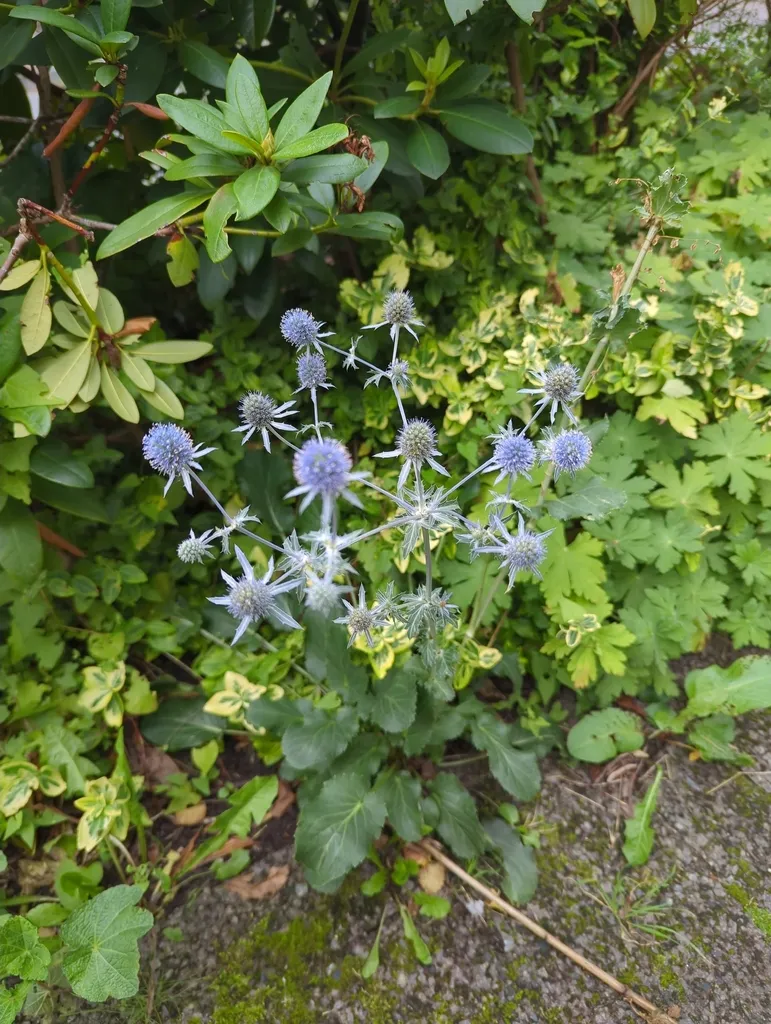
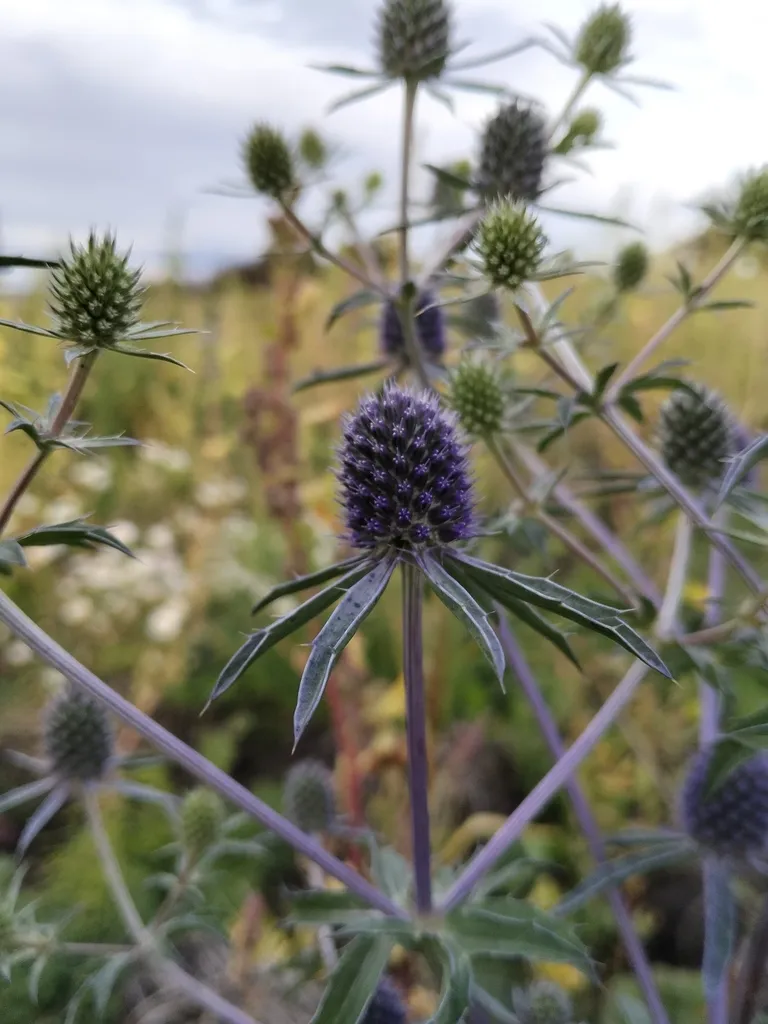
A robust perennial forming a clump of rounded basal leaves; erect, branched stems bear deeply-lobed, blue-tinged, spiny leaves and small, blue, terminal flower-heads with narrow, spiny bracts 2.5cm long, in summer and early autumn
Scientific classification
- Species
- blue eryngo (Eryngium planum)
- Genus
- Eryngium
- Family
- Apiaceae
- Information to be completed
- Toxicity
- Herbaceous Perennial
- Plant type
- 0.5-1 metres
- Height
- 0.1-0.5 metres
- Spread
- Deciduous
- Foliage
- Clump forming
- Habit
- Spring · Summer · Autumn
- Season of interest
- Full sun
- Sunlight
- Information to be completed
- Ideal temperature









blue eryngo pictures
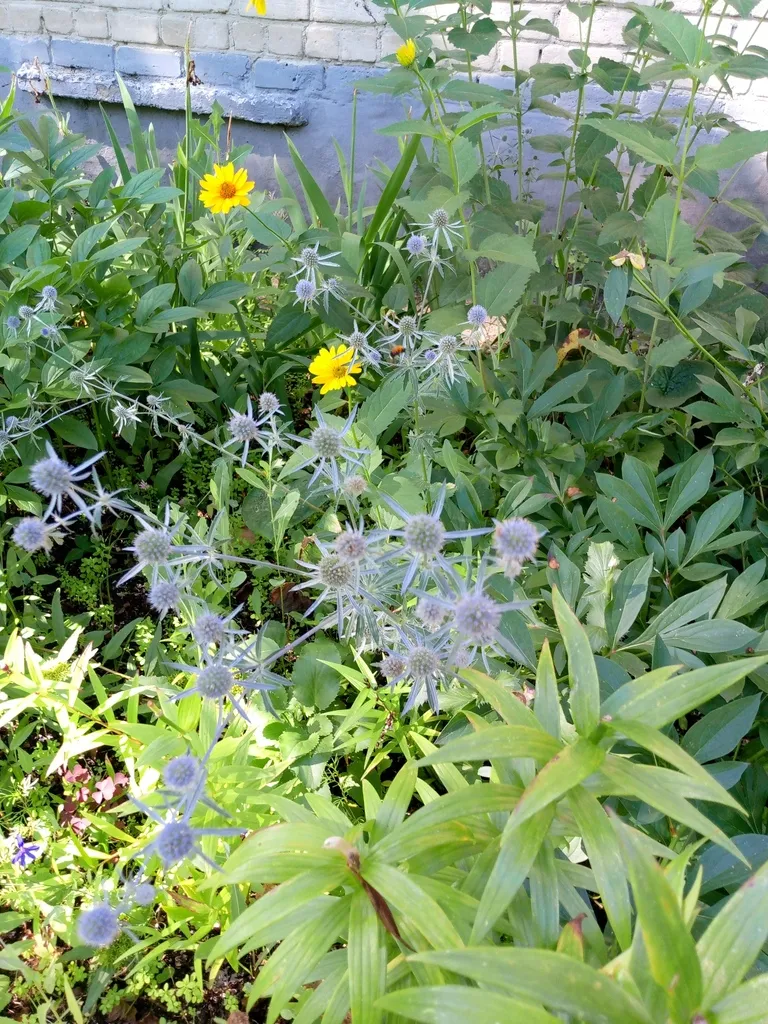
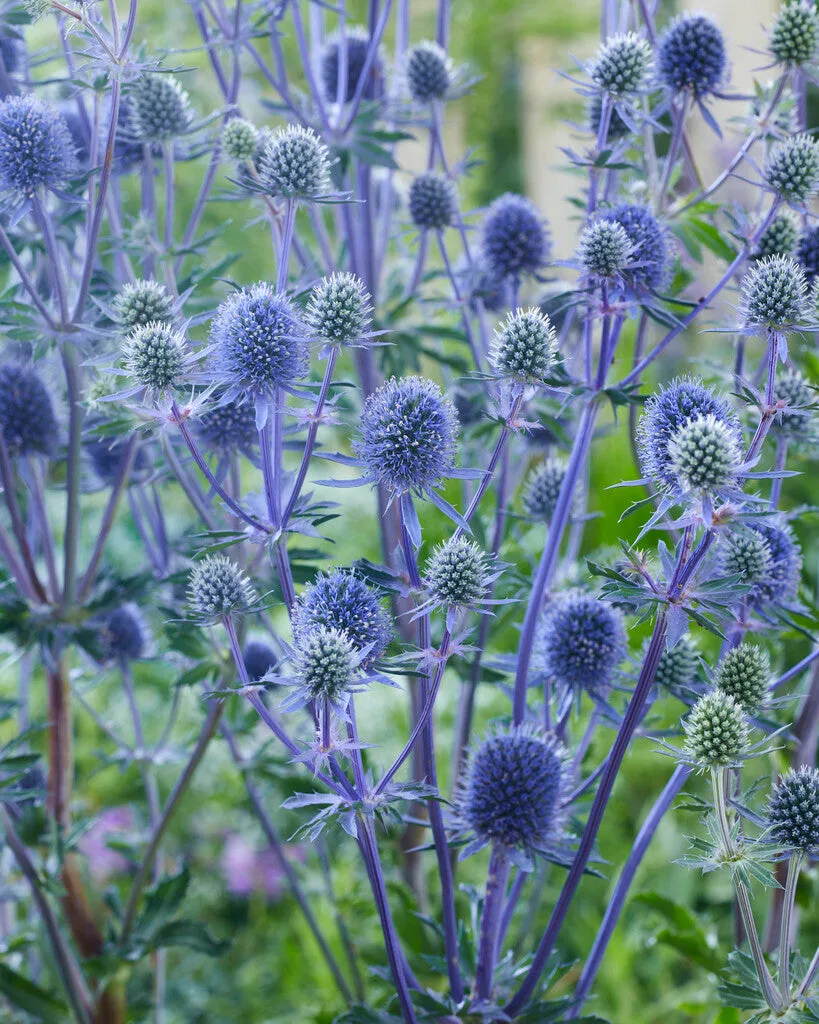
Distribution of blue eryngo
Distribution map
Central Europe to Western Himalaya
Information to be completed
Culture
Information to be completed
Toxicity
Information to be completed
Quick identification of blue eryngo
Information to be completed
blue eryngo care guide
- Moderate regular watering, avoid prolonged drought or waterlogging
- Watering
- Full sun
- Sunlight
- Information to be completed
- Ideal temperature

Watering
Moderate regular watering, avoid prolonged drought or waterlogging
Fertilizing
 Fertilizing
Balanced feed in spring and light repeat in growth season
Pruning
 Pruning
Tidy plants after flowering; ideal for flower arranging - cut the stems before the flowers are fully open
Propagation
 Propagation
Propagate by seed in containers in a cold frame as soon as ripe; insert root cuttings in late winter; propagate by division during spring, although they may be slow to re-establish
Growing
 Growing
Grow in dry, well-drained poor to moderately fertile soil in full sun, with protection from winter wet
People also ask
Information to be completed
Common pests and diseases
Diseases
May be susceptible to root rot and powdery mildews
Pests
May be susceptible to leaf and bud eelworms, and slugs and snails
Explore the plant health library →




