
Pacific lupin
Also known as: Information to be completed
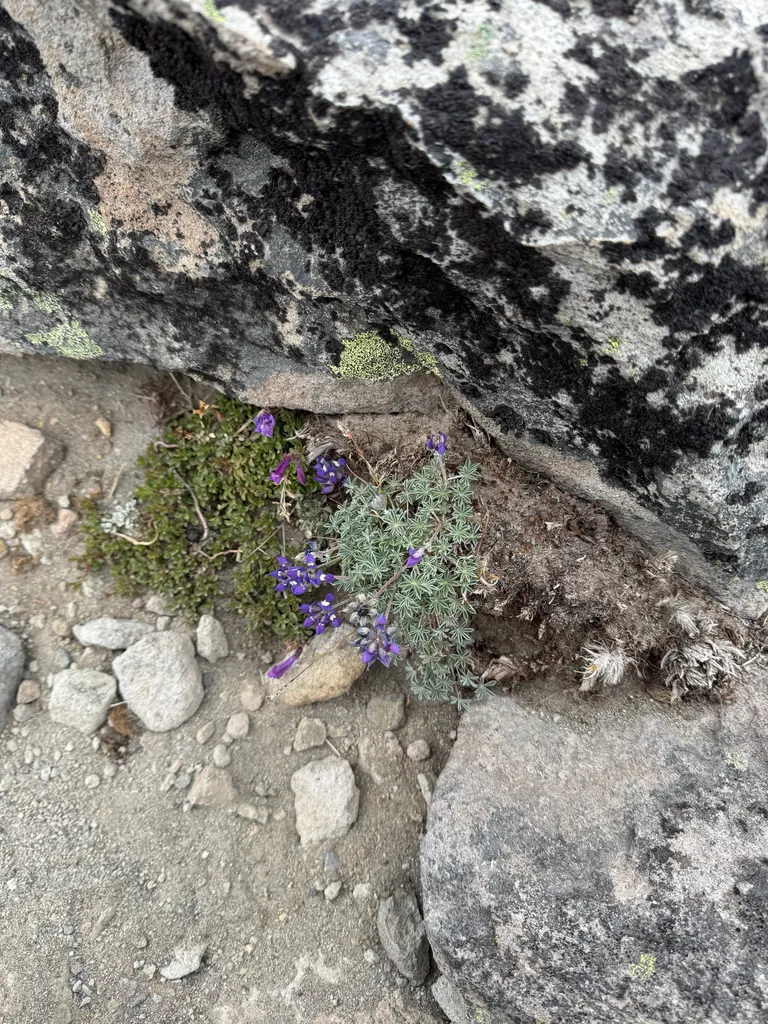
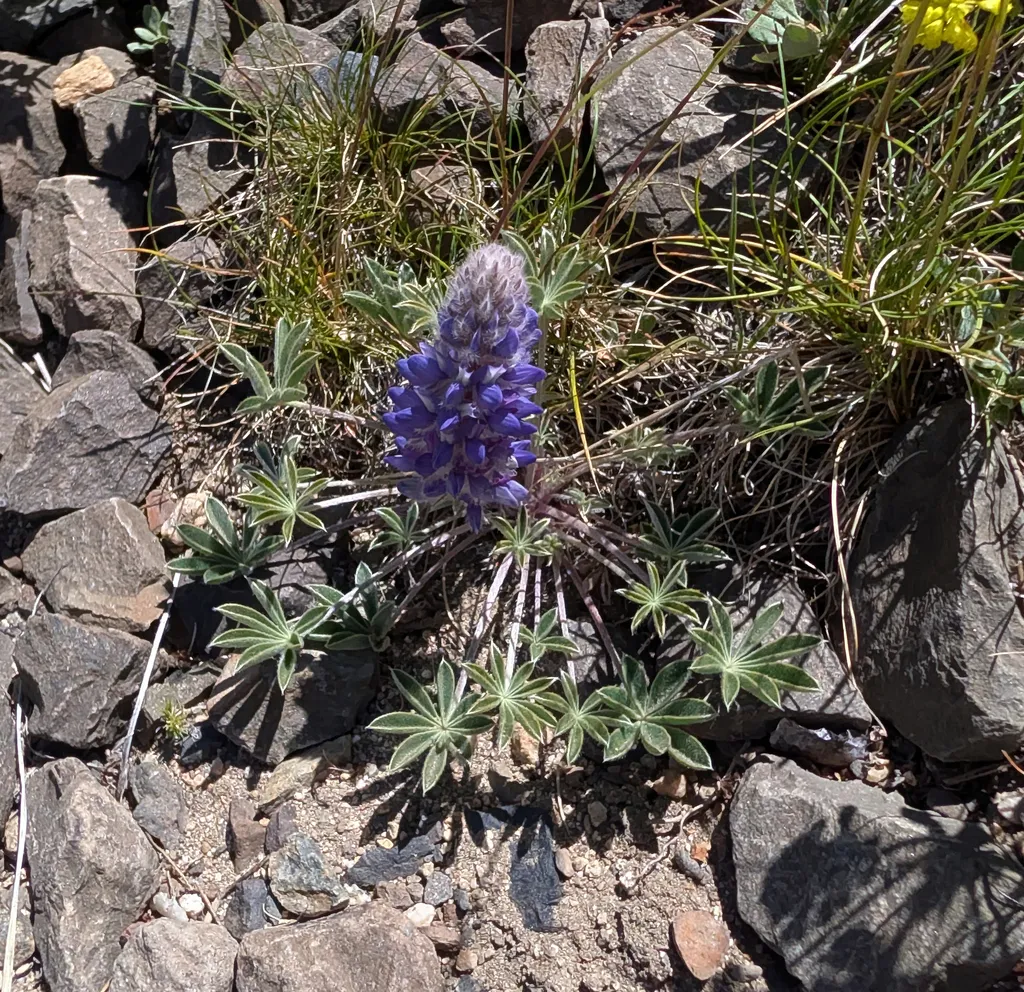
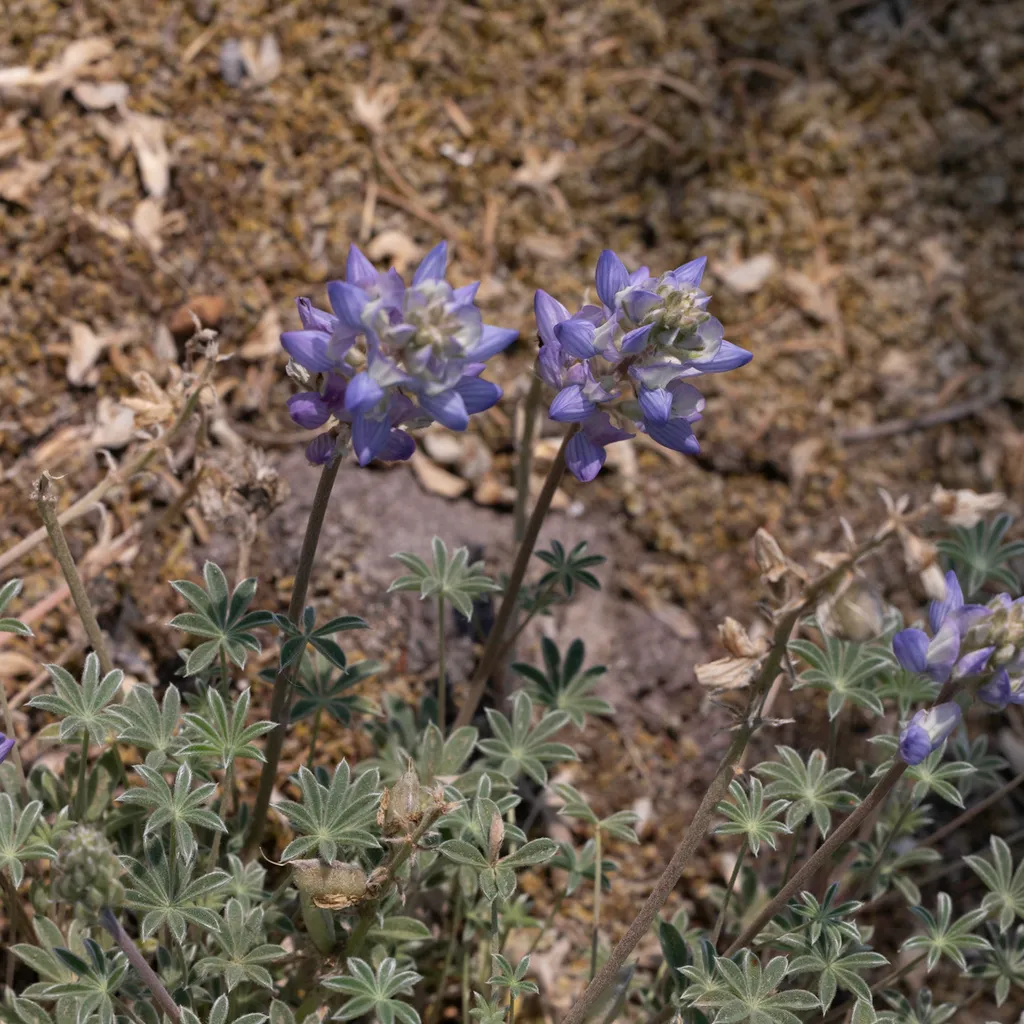
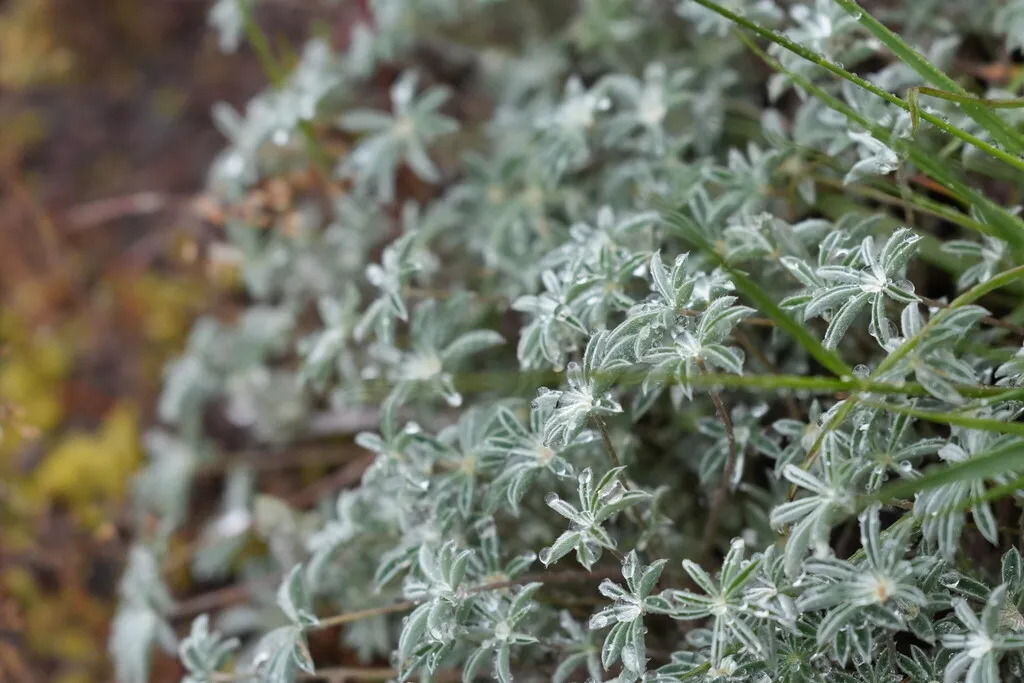
A perennial with hairy, grey-green leaflets up to 4cm long. Upright spikes of pea-like flowers with petal colours ranging from white to dark blue and purple are borne from late spring into summer
Scientific classification
- Species
- Pacific lupin (Lupinus lepidus)
- Genus
- Lupinus
- Family
- Fabaceae
- Harmful if eaten. Wear gloves and other protective equipment when handling
- Toxicity
- Herbaceous Perennial
- Plant type
- 0.1-0.5 metres
- Height
- 0.1-0.5 metres
- Spread
- Deciduous
- Foliage
- Bushy
- Habit
- Spring · Summer · Autumn
- Season of interest
- Full sun
- Sunlight
- Information to be completed
- Ideal temperature









Pacific lupin pictures
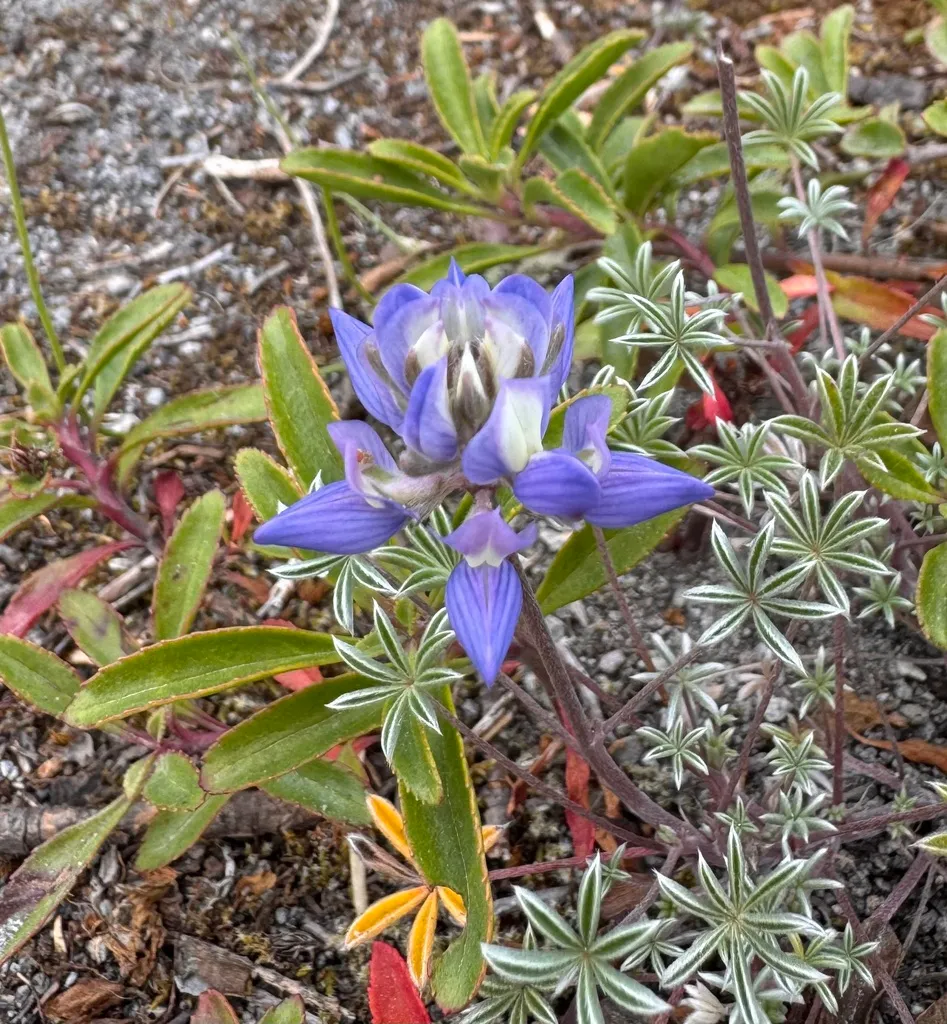
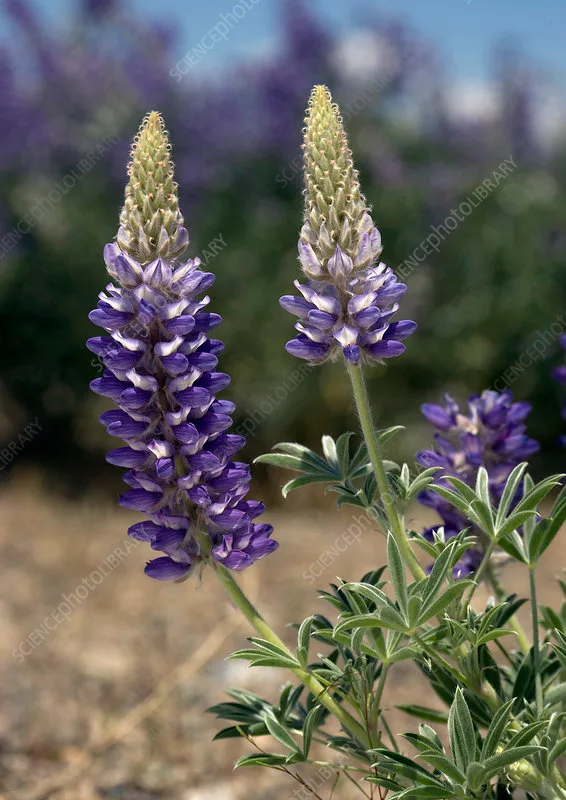
Distribution of Pacific lupin
Distribution map
Western North America
Information to be completed
Culture
Information to be completed
Toxicity
Harmful if eaten. Wear gloves and other protective equipment when handling
Quick identification of Pacific lupin
Information to be completed
Pacific lupin care guide
- Keep soil moderately moist, especially while establishing
- Watering
- Full sun
- Sunlight
- Information to be completed
- Ideal temperature

Watering
Keep soil moderately moist, especially while establishing
Fertilizing
 Fertilizing
Light low nitrogen feed in spring only
Pruning
 Pruning
Deadhead to prolong flowering
Propagation
 Propagation
Propagate by seed
Growing
 Growing
Grow in a poor, well drained soil in full sun
People also ask
Information to be completed
Common pests and diseases
Diseases
May be susceptible to powdery mildews, rots, a leaf spot and a virus
Pests
May be susceptible to slugs and lupin aphid
Explore the plant health library →




