
Campanula topaliana
Also known as: Information to be completed
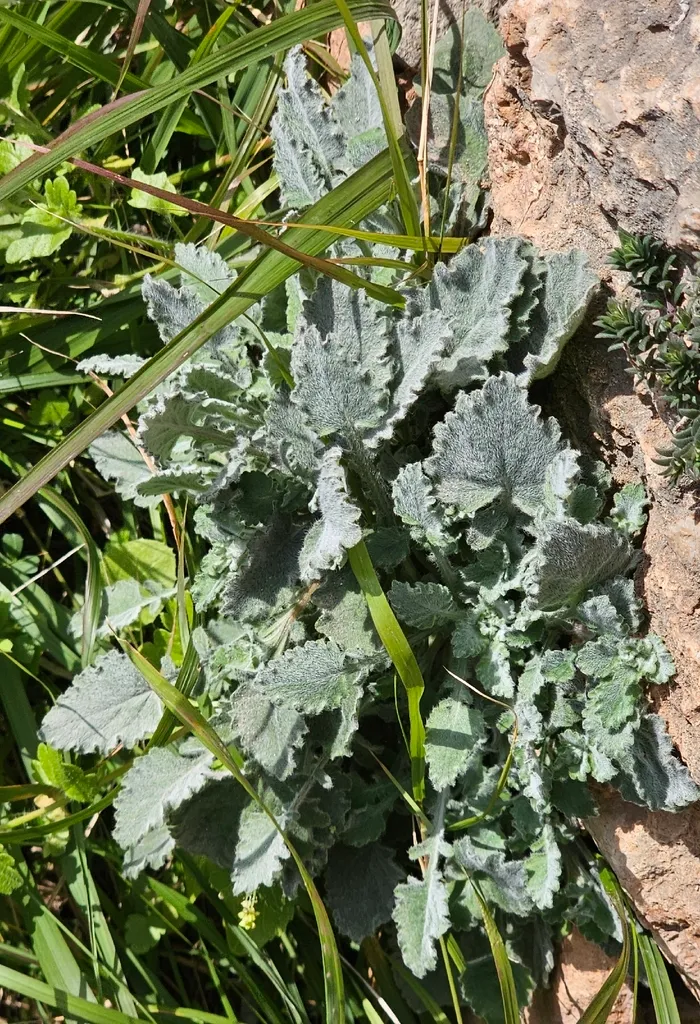
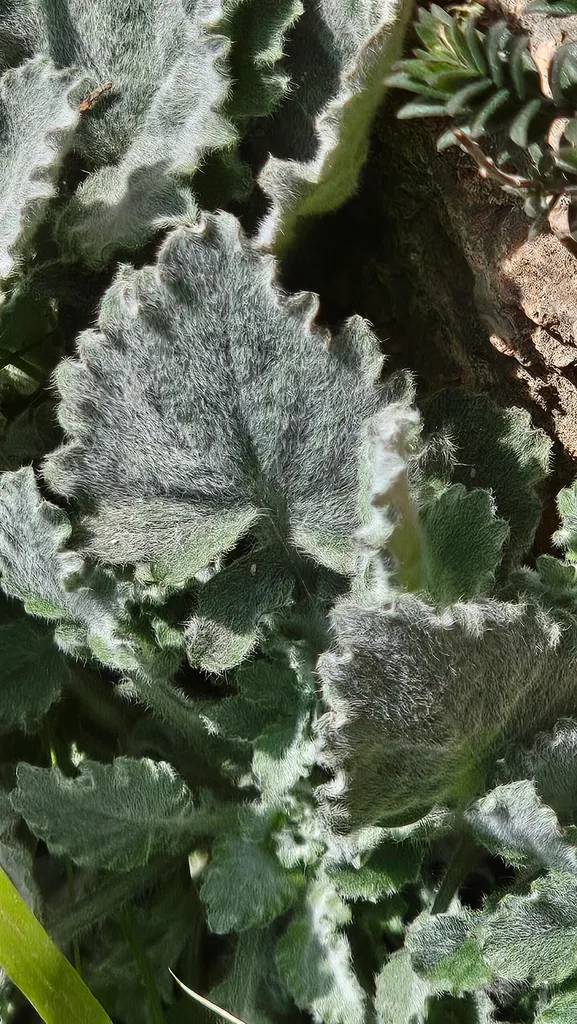
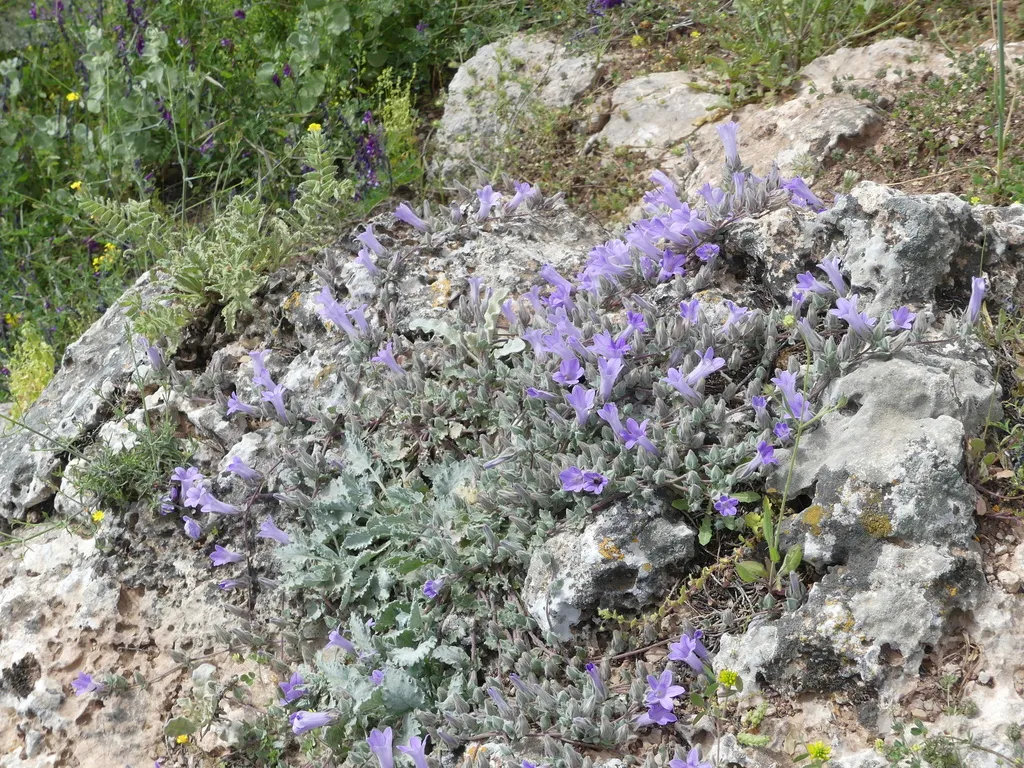
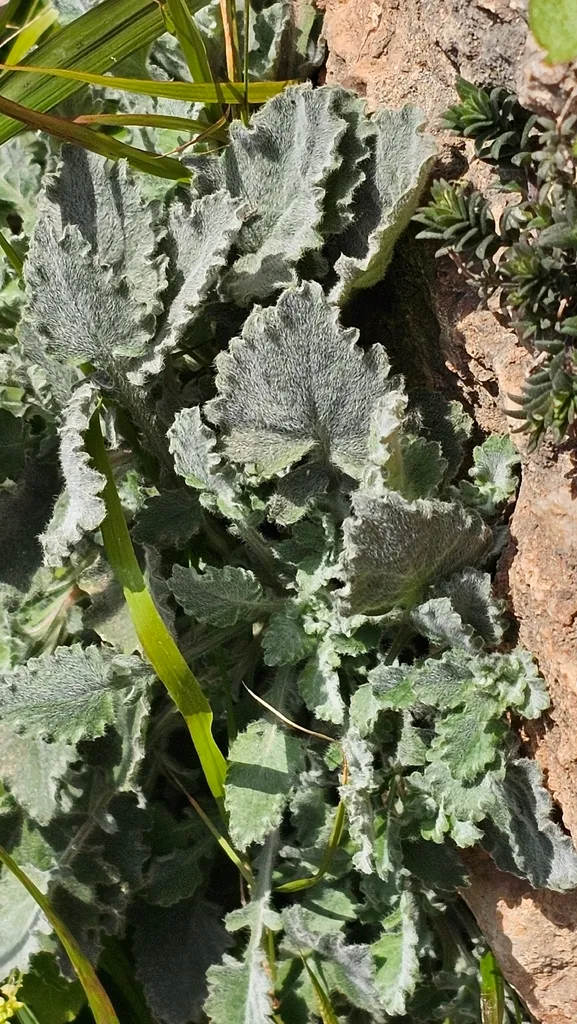
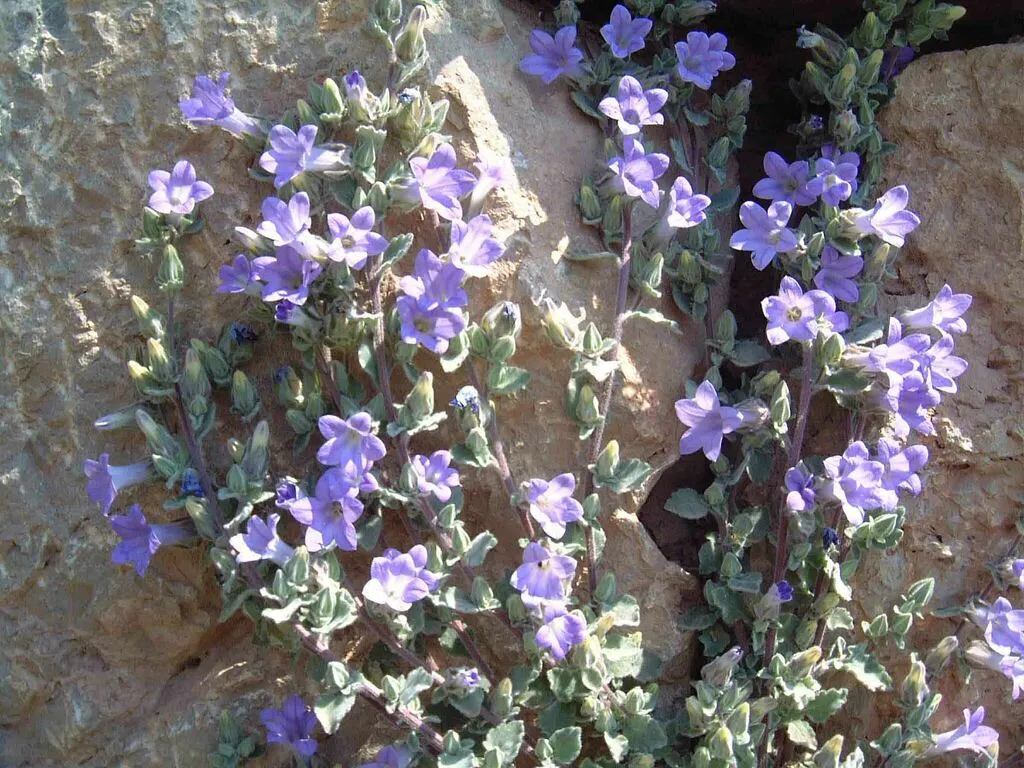
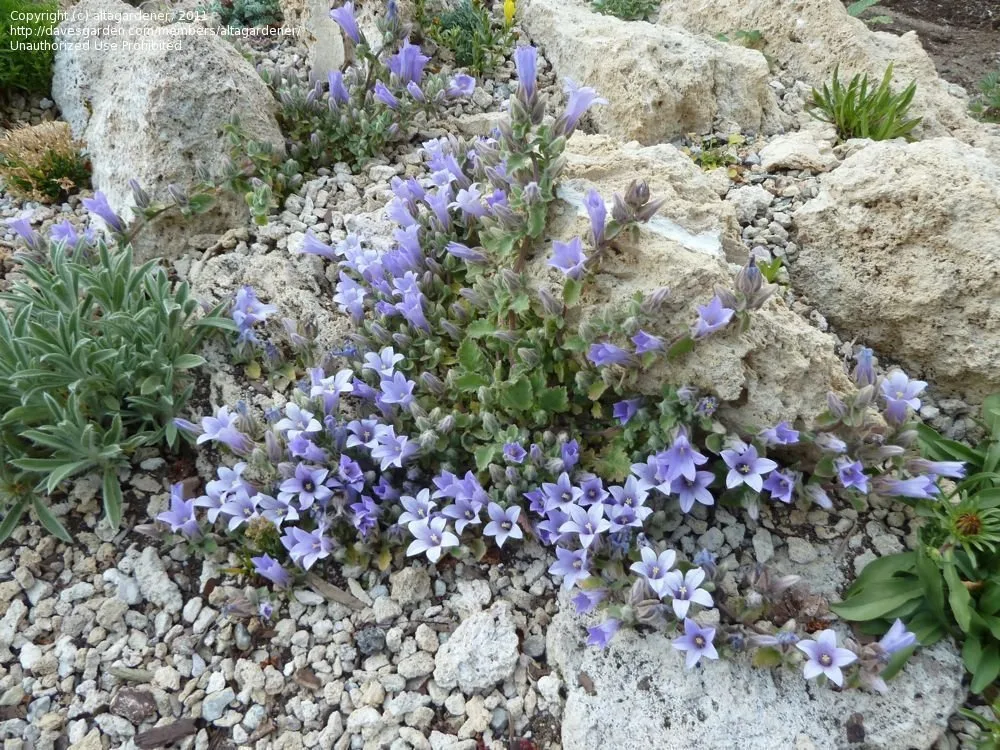
A compact, short-lived perennial, to around 25cm high, with densely hairy, silvery grey-green leaves. Produces masses of upturned, tubular to bell-shaped, soft lilac-blue flowers in summer
Scientific classification
- Species
- Campanula topaliana (Campanula topaliana)
- Genus
- Campanula
- Family
- Campanulaceae
- Order
- Asterales
- Class
- Magnoliopsida
- Phylum
- Magnoliophyta
- Information to be completed
- Toxicity
- Alpine Rockery · Herbaceous Perennial
- Plant type
- 0.1-0.5 metres
- Height
- 0.1-0.5 metres
- Spread
- Deciduous
- Foliage
- Clump forming
- Habit
- Spring · Summer · Autumn
- Season of interest
- Full sun · Partial shade
- Sunlight
- Information to be completed
- Ideal temperature









Campanula topaliana pictures
Distribution of Campanula topaliana
Distribution map
- Native
- Introduced
- Cultivated
Source:WCVP v16 · Royal Botanic Gardens, Kew · CC BY 3.0 · Boundaries:WGSRPD / TDWG
Campanula topaliana care guide
- Constant light damp substrate, avoid total drying of root medium
- Watering
- Full sun · Partial shade
- Sunlight

Watering
Constant light damp substrate, avoid total drying of root medium
Fertilizing
 Fertilizing
General alpine flower liquid feed every three weeks warm seasons
Pruning
 Pruning
Cut back after flowering to maintain compact shape
Propagation
 Propagation
Propagate by seed or by division; plants will often set seed and then die off after flowering (monocarpic)
Growing
 Growing
Thrives in well-drained soil in sun or light, part-day shade. Protect from excess winter wet. Ideal for containers, rockeries and alpine houses
Common pests and diseases
Diseases
May be susceptible to powdery mildews and rust diseases
Pests
May be susceptible to aphids, slugs and snails
Explore the plant health library →




