
Pilosocereus pachycladus
Also known as: Information to be completed
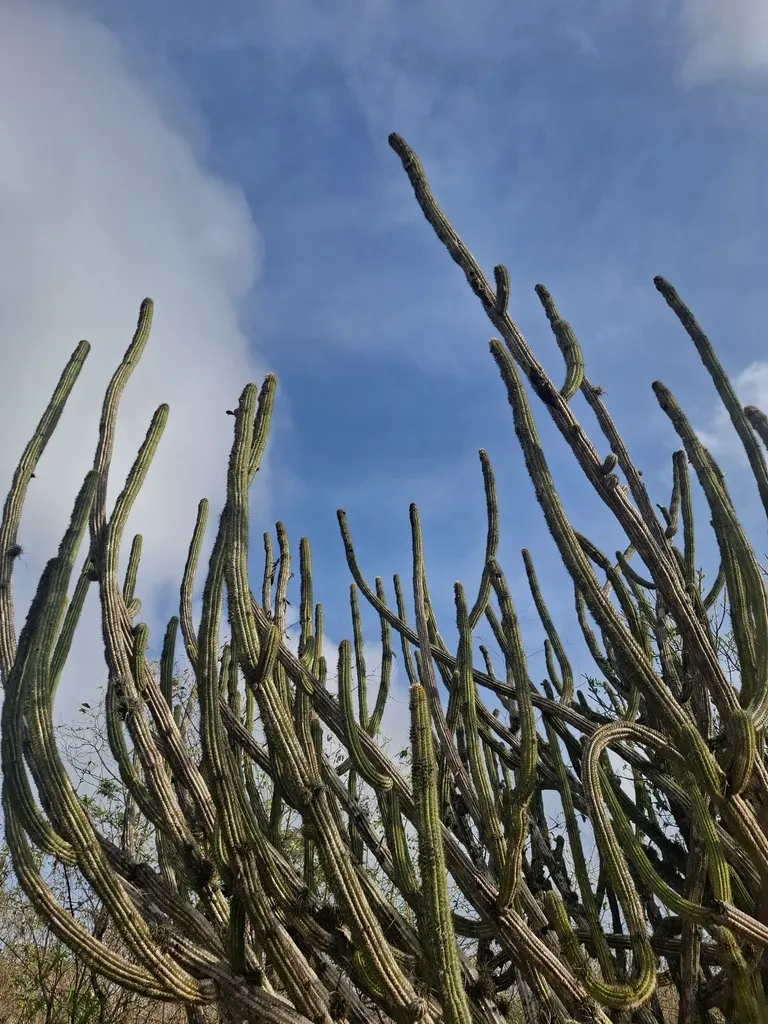
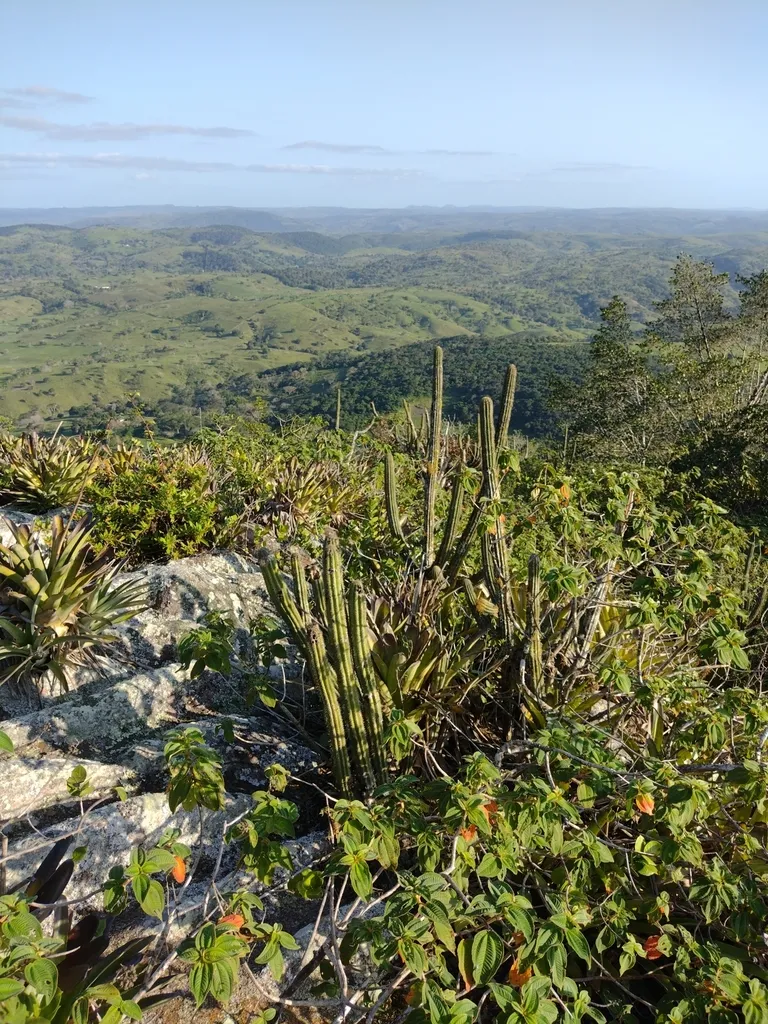
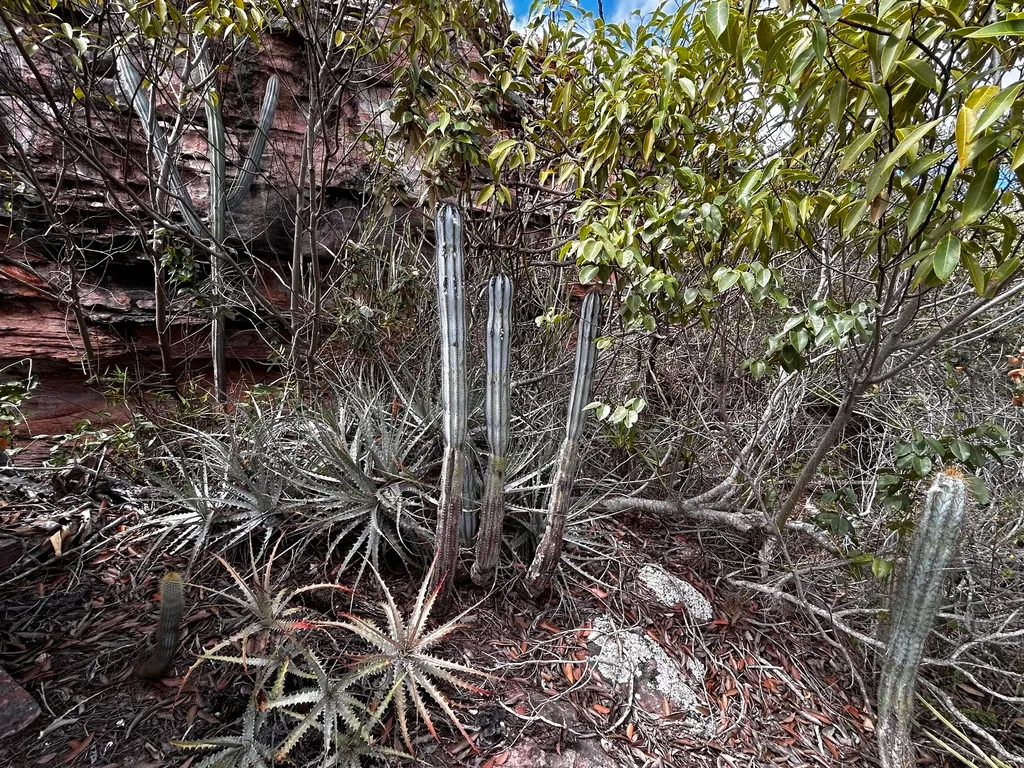
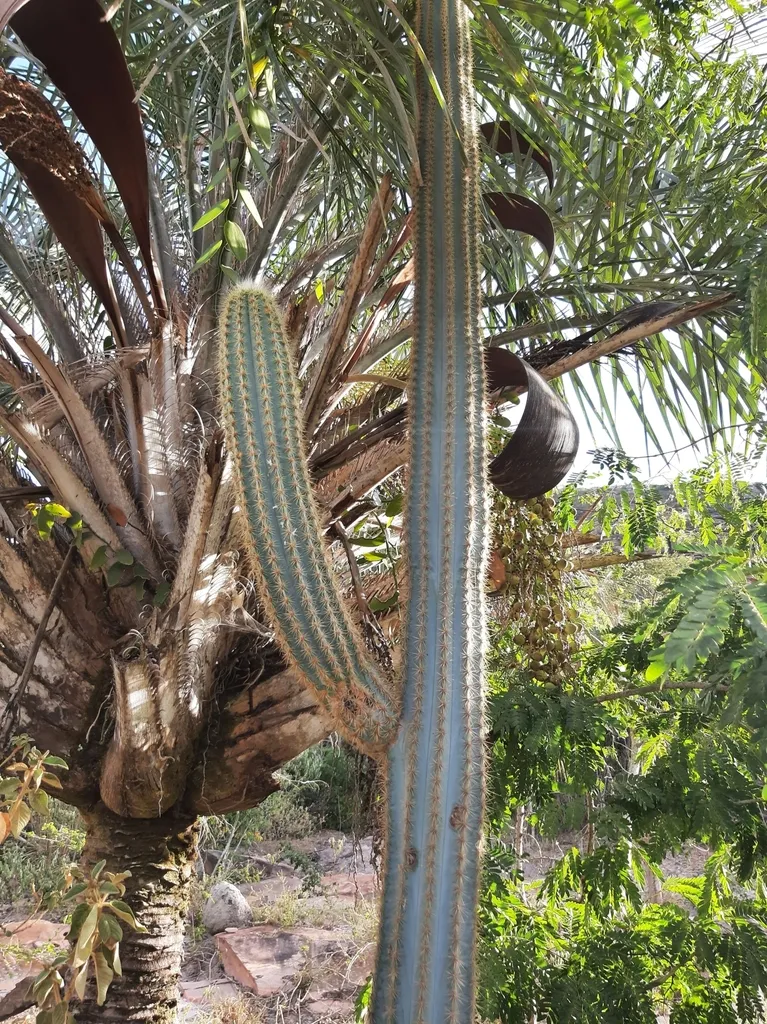
A slow-growing, upright cactus with columnar, branching, blue-green stems, ribbed and lined with areoles bearing tan-coloured spines and fine white hairs. Can reach up to 10m in its native range but much smaller in cultivation. In summer, funnel shaped white flowers, sometimes flushed with red at the tips, are produced at night, and are followed by fig-shaped fruits
Scientific classification
- Species
- Pilosocereus pachycladus (Pilosocereus pachycladus)
- Genus
- Pilosocereus
- Family
- Cactaceae
- Order
- Caryophyllales
- Class
- Magnoliopsida
- Phylum
- Magnoliophyta
- Information to be completed
- Toxicity
- Cactus Succulent
- Plant type
- 0.1-0.5 metres
- Height
- 0.1-0.5 metres
- Spread
- Evergreen
- Foliage
- Columnar upright
- Habit
- Spring · Summer · Autumn · Winter
- Season of interest
- Full sun
- Sunlight
- Information to be completed
- Ideal temperature









Pilosocereus pachycladus pictures
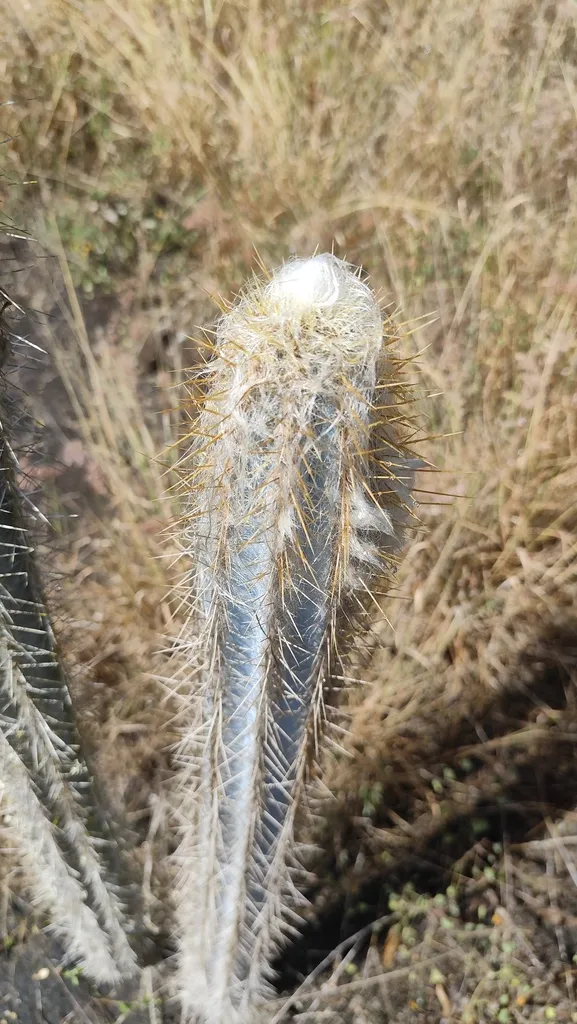
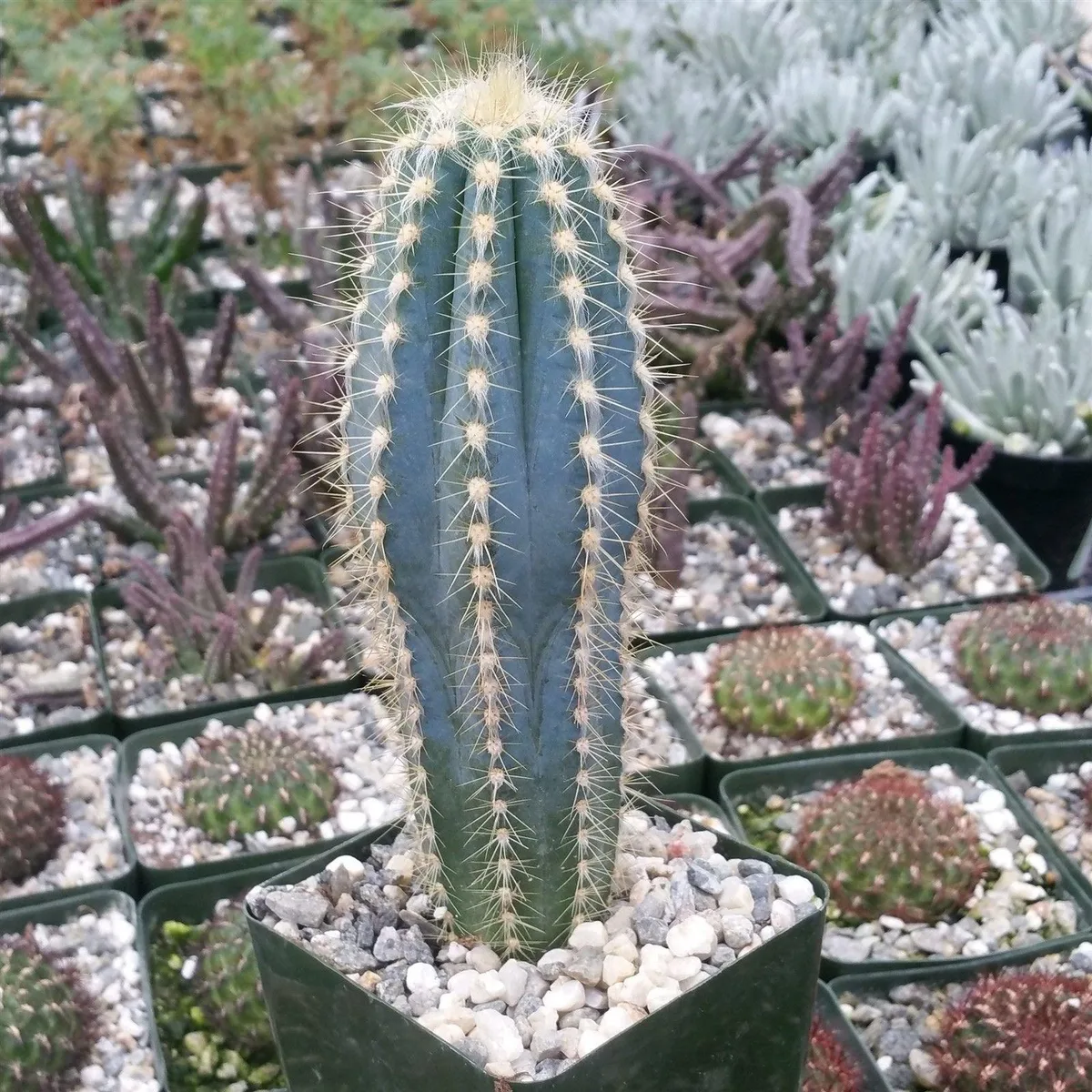
Distribution of Pilosocereus pachycladus
Distribution map
- Native
- Introduced
- Cultivated
Source:WCVP v16 · Royal Botanic Gardens, Kew · CC BY 3.0 · Boundaries:WGSRPD / TDWG
Pilosocereus pachycladus care guide
- Moderate regular watering, allowing brief slight drying between soakings
- Watering
- Full sun
- Sunlight

Watering
Moderate regular watering, allowing brief slight drying between soakings
Fertilizing
 Fertilizing
Balanced perennial feed every four weeks from spring through summer
Pruning
 Pruning
No pruning required
Propagation
 Propagation
Propagate by seed, sown at 19-24°C in spring
Growing
 Growing
Grow in a standard cactus mix with sharp drainage, in a bright sunny spot; could be placed outdoors in a sheltered spot in summer. Ensure a minimum temperature of 12°C year round. Water freely in late spring and summer, keep just moist at other times. See houseplant cacti and succulent cultivation
Common pests and diseases
Diseases
Generally disease-free, though over-watering will cause rot
Pests
May be susceptible to mealybugs, and to ants if planted outdoors
Explore the plant health library →




