
southern blue gum
Also known as: blue gum; fever gum; fever tree; Tasmanian blue gum
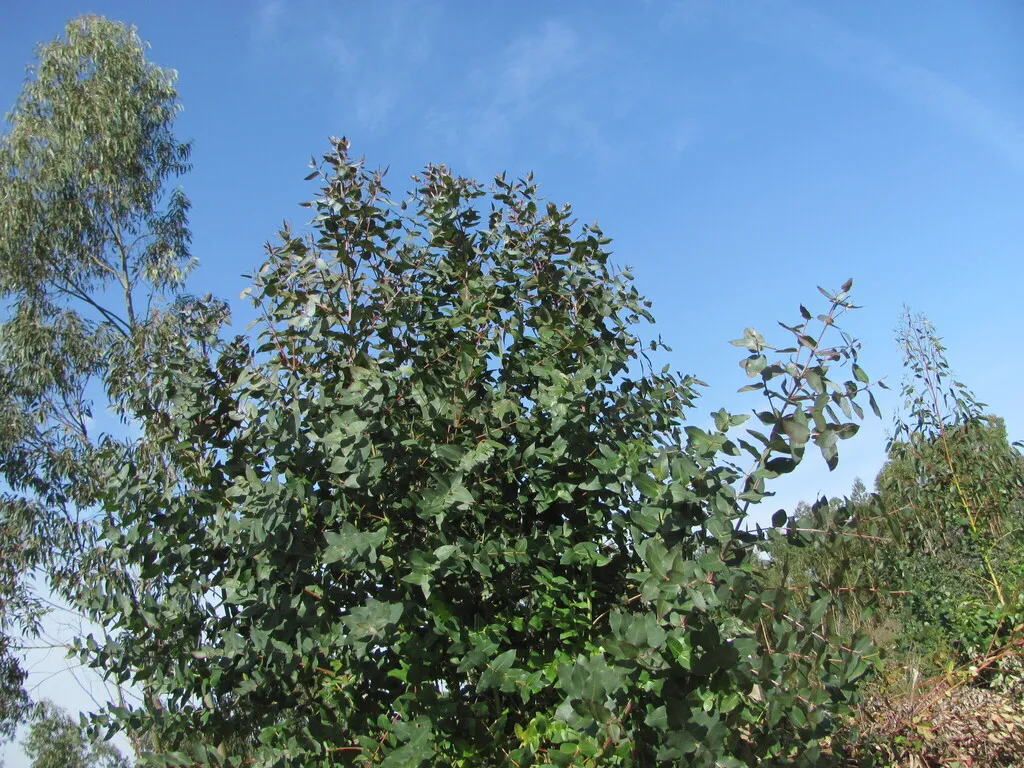
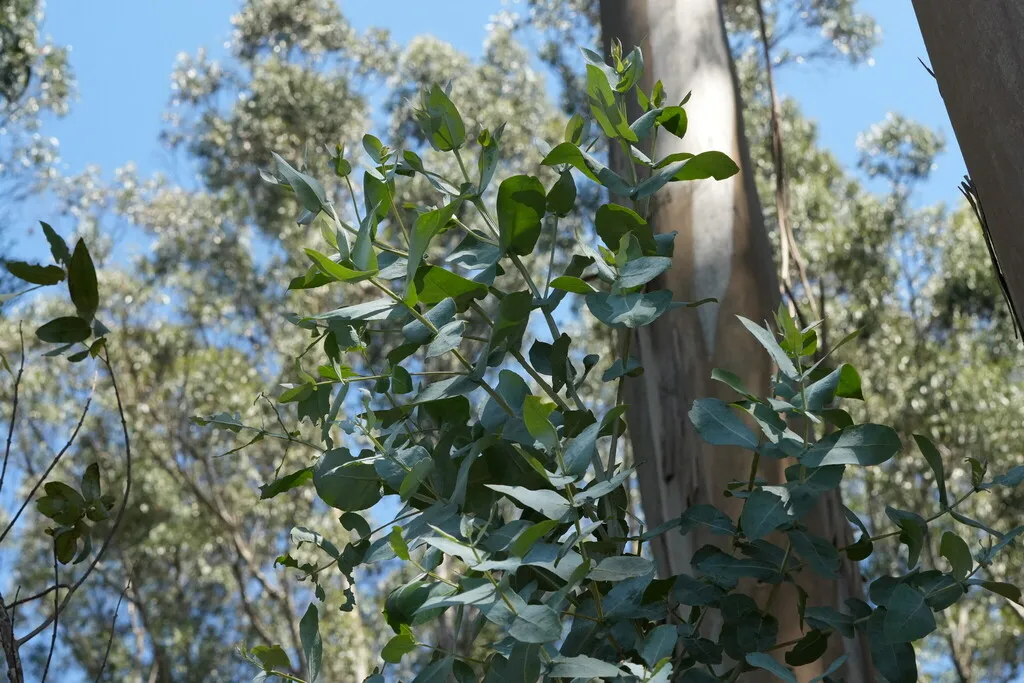
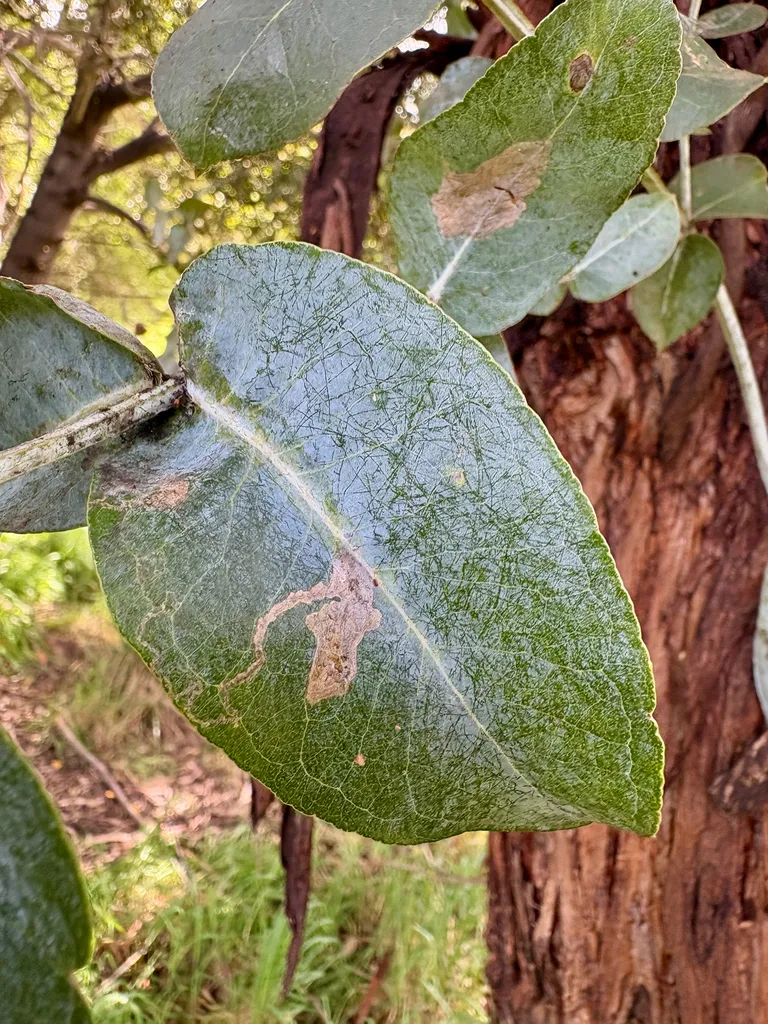
A fast-growing evergreen tree to 30m or more, with white to cream, yellow or grey bark that sheds in ribbons to reveal light green and brown inner bark. It has highly aromatic foliage, the juvenile leaves ovate and blue-white; adult leaves sickle-shaped. White flowers are borne on mature trees in spring or summer
Scientific classification
- Species
- southern blue gum (Eucalyptus globulus)
- Genus
- Eucalyptus
- Family
- Myrtaceae
- Information to be completed
- Toxicity
- Conservatory Greenhouse · Trees
- Plant type
- Higher than 12 metres
- Height
- 4-8 metres
- Spread
- Evergreen
- Foliage
- Bushy
- Habit
- Spring · Summer · Autumn · Winter
- Season of interest
- Full sun
- Sunlight
- Information to be completed
- Ideal temperature









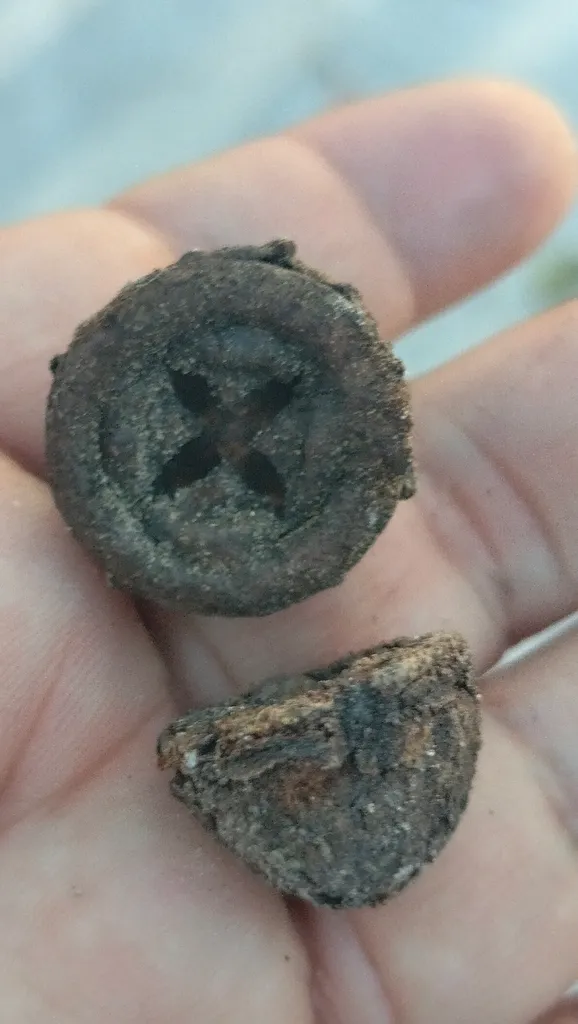
southern blue gum pictures
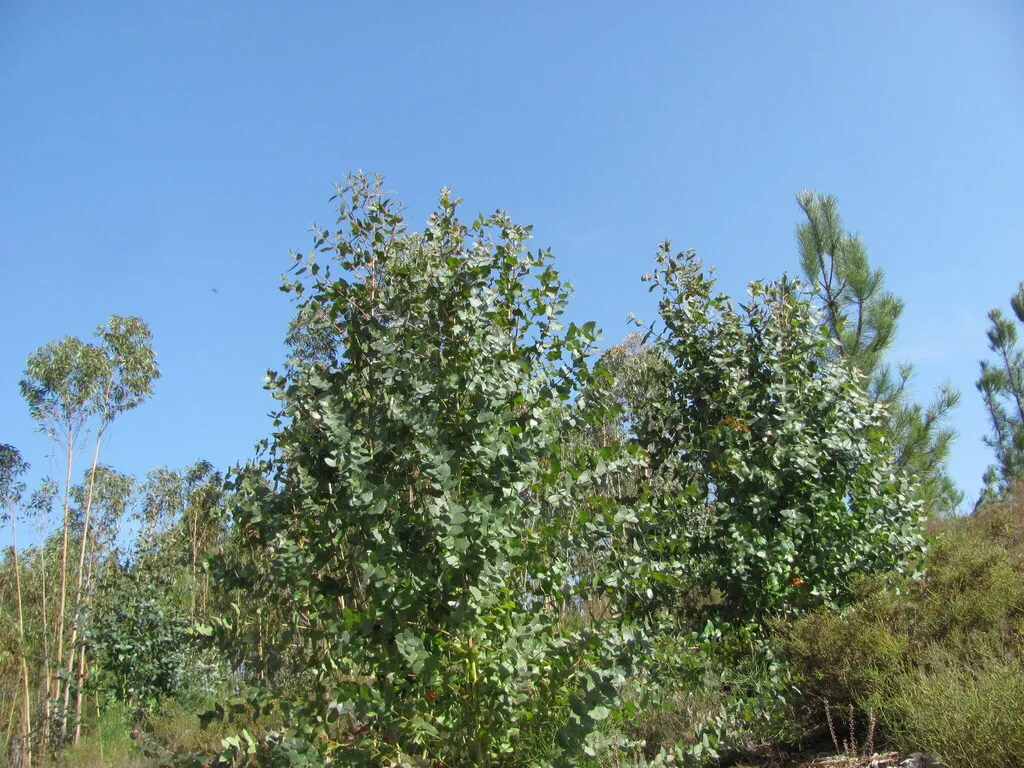
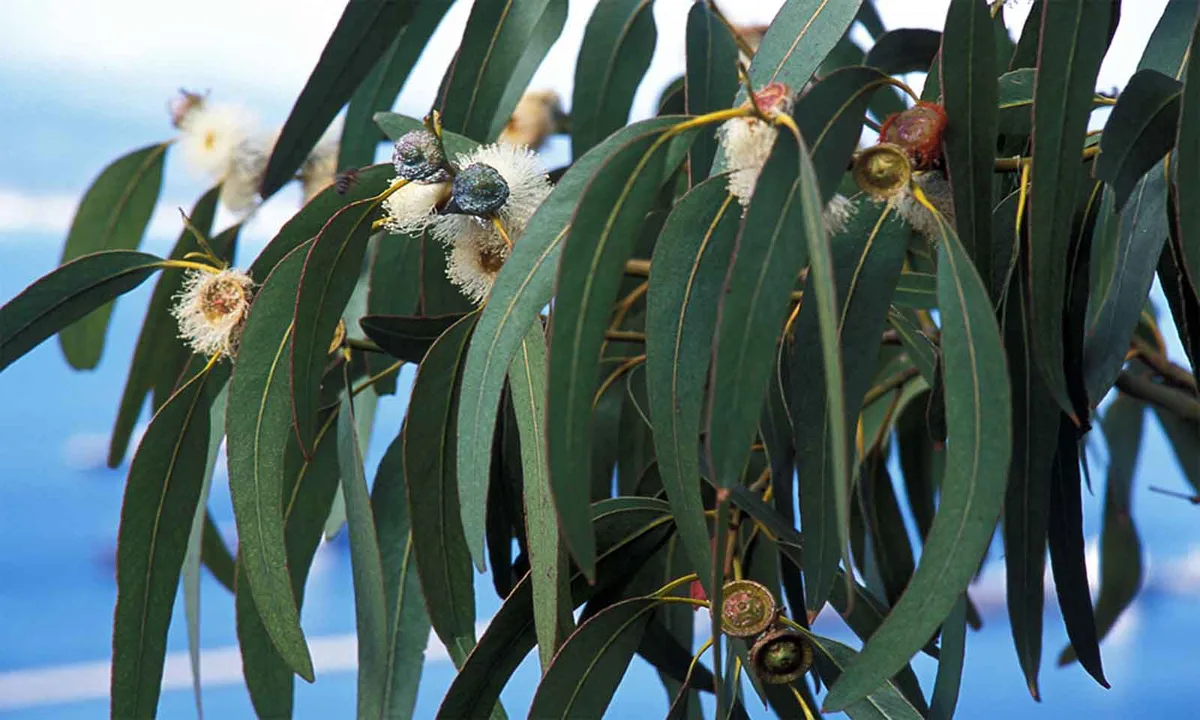
Distribution of southern blue gum
Distribution map
NSW, Victoria, Tasmania
Information to be completed
Culture
Information to be completed
Toxicity
Information to be completed
Quick identification of southern blue gum
Information to be completed
southern blue gum care guide
- Deep soak then allow top soil to dry fully before rewatering
- Watering
- Full sun
- Sunlight
- Information to be completed
- Ideal temperature

Watering
Deep soak then allow top soil to dry fully before rewatering
Fertilizing
 Fertilizing
Light diluted evergreen feed once per month warm growing months
Pruning
 Pruning
Little pruning is needed. Remove diseased, damaged, crowded or crossing shoots and unwanted growth. Timing depends on the plant: generally late winter or early spring; plants prone to bleeding and deciduous magnolias need different timing, and deciduous azaleas and lilacs are pruned after flowering.
Propagation
 Propagation
Propagate by seed at 13-18°C in spring and summer
Growing
 Growing
Grow in fertile, neutral to slightly acid soil that does not dry out, in full sun; shelter from cold drying winds
People also ask
Information to be completed
Common pests and diseases
Diseases
May be susceptible to silver leaf, oedema and honey fungus
Pests
May be susceptible to eucalyptus gall wasp and eucalyptus sucker
Explore the plant health library →




