
bat flower
Also known as: bat plant
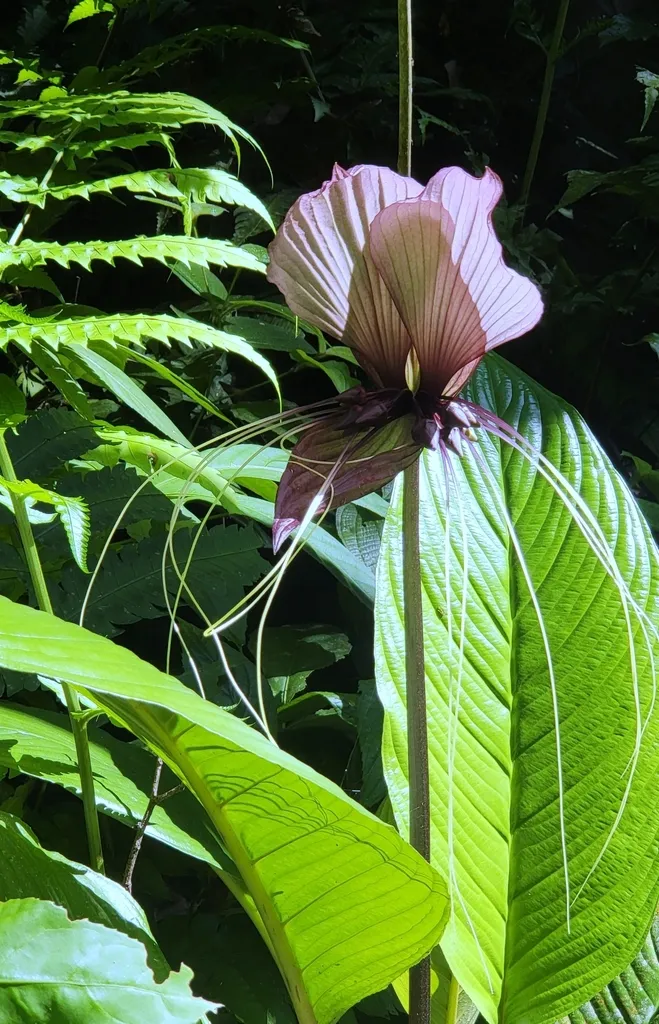
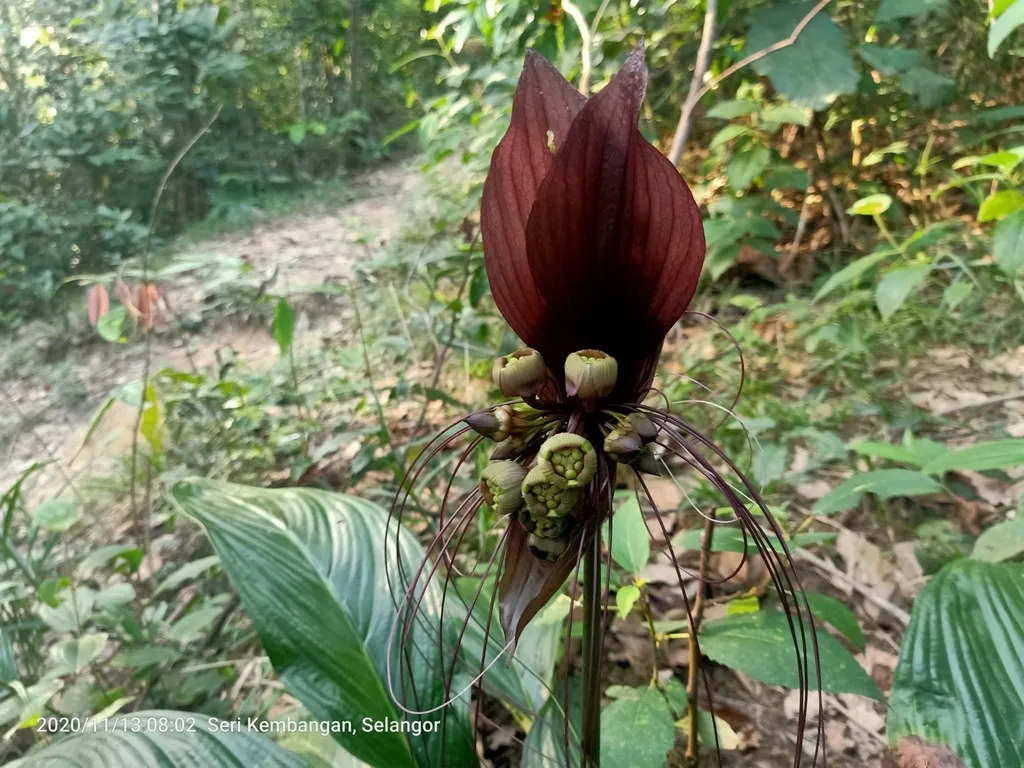
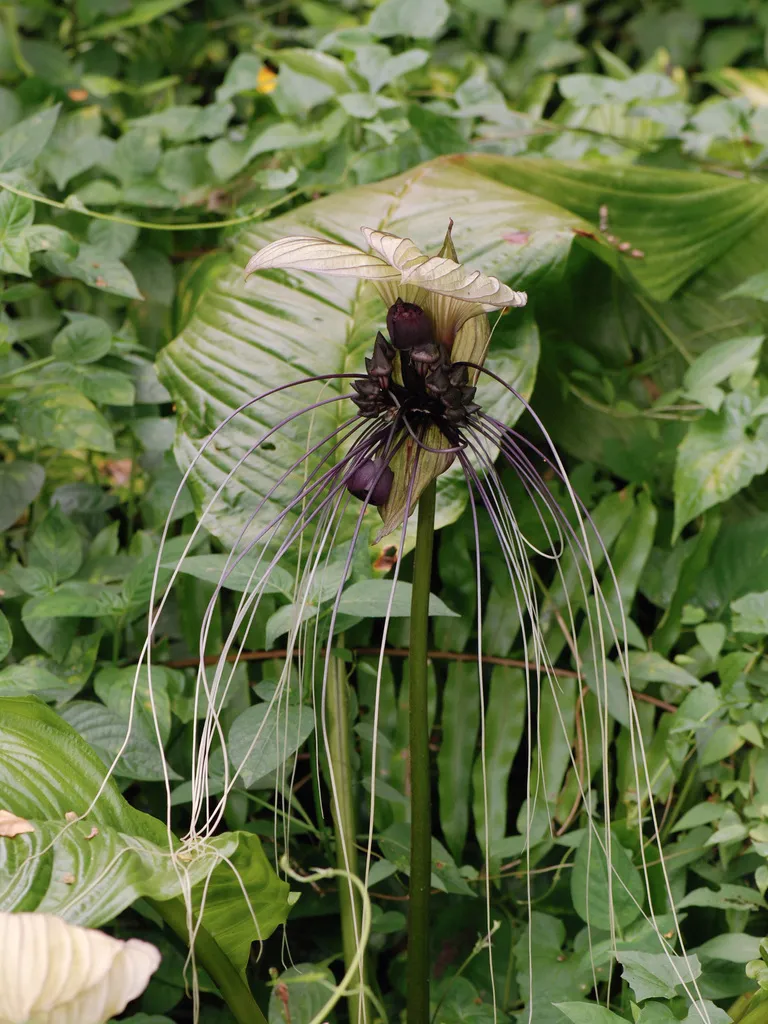
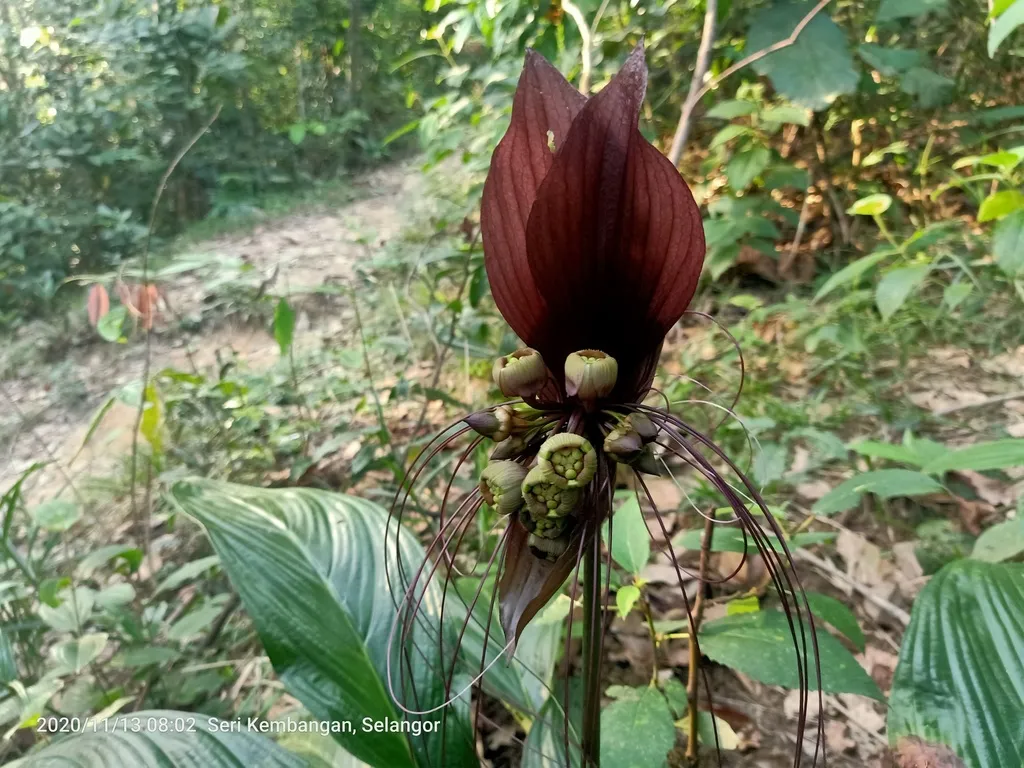
A lush, clump-forming perennial to 1.2m with large, lance-shaped leaves, dark green above, paler beneath, on long stems. In summer, stems up to 1m tall carry clusters of small, white, green, purple or brown flowers with four large, green or deep purple, leaf-like bracts and long pale green 'whiskers' darkening with age
Scientific classification
- Species
- bat flower (Tacca integrifolia)
- Genus
- Tacca
- Family
- Taccaceae
- Information to be completed
- Toxicity
- Conservatory Greenhouse · Herbaceous Perennial
- Plant type
- 1-1.5 metres
- Height
- 0.5-1 metres
- Spread
- Evergreen
- Foliage
- Clump forming
- Habit
- Spring · Summer · Autumn · Winter
- Season of interest
- Full sun · Partial shade
- Sunlight
- Information to be completed
- Ideal temperature









bat flower pictures
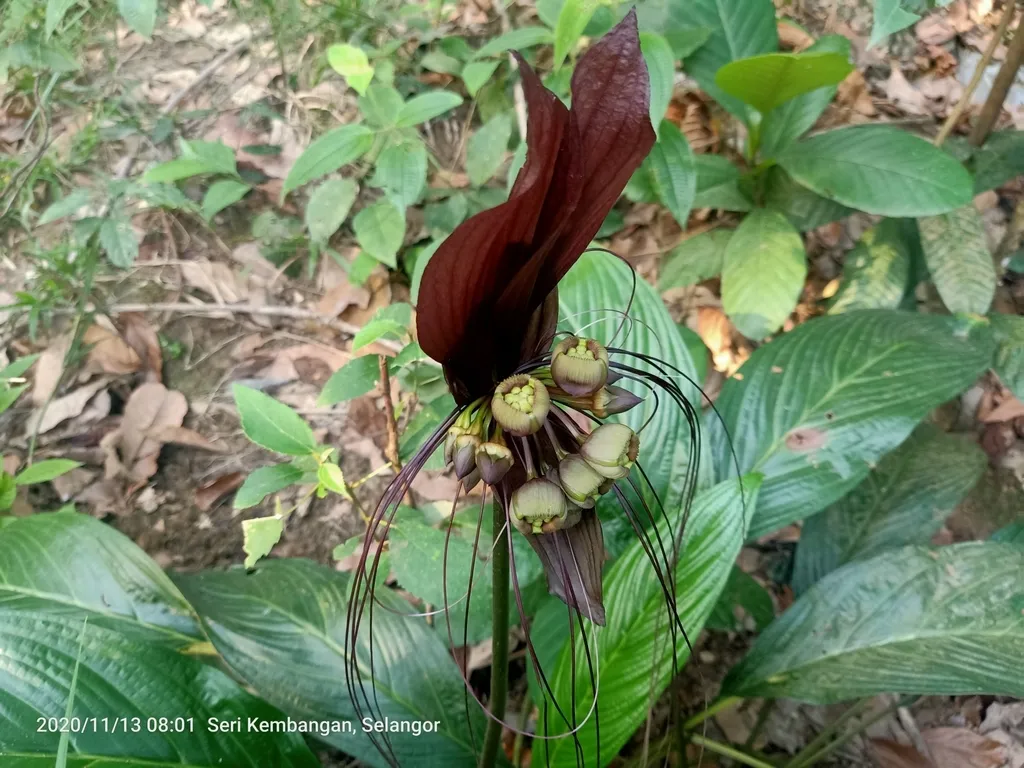
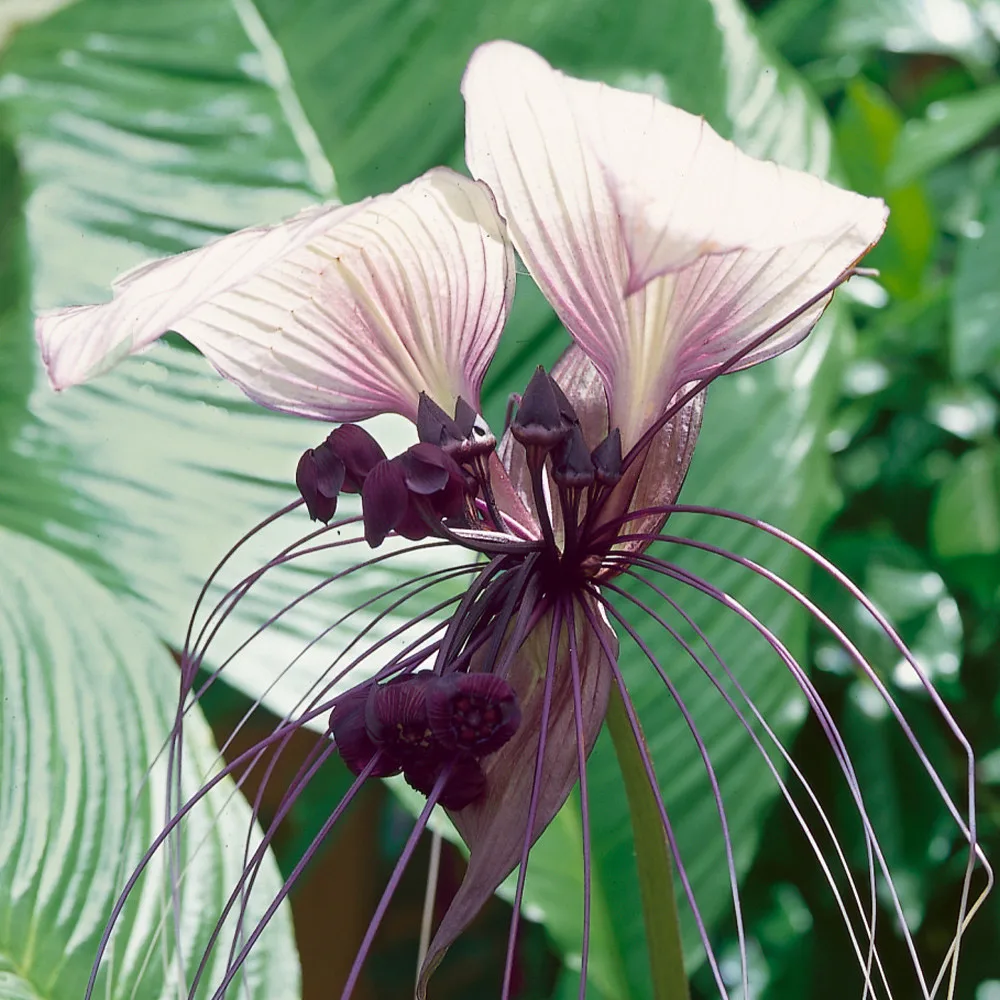
Distribution of bat flower
Distribution map
Information to be completed
Information to be completed
Culture
Information to be completed
Toxicity
Information to be completed
Quick identification of bat flower
Information to be completed
bat flower care guide
- Moderate regular watering, allowing brief slight drying between soakings
- Watering
- Full sun · Partial shade
- Sunlight
- Information to be completed
- Ideal temperature

Watering
Moderate regular watering, allowing brief slight drying between soakings
Fertilizing
 Fertilizing
Balanced perennial feed every four weeks from spring through summer
Pruning
 Pruning
No pruning required
Propagation
 Propagation
Propagate by seed or by division
Growing
 Growing
Grow in a warm greenhouse in a mix of equal parts leaf mould and coarse bark, with added slow-release fertiliser, in bright, filtered light. Water well all year, misting and feeding half-strength foliar feed in summer. Repot every two to three years, discarding old, decaying rhizomes
People also ask
Information to be completed
Common pests and diseases
Diseases
May be susceptible to grey mould
Pests
May be susceptible to red spider mite and tarsonomid mites
Explore the plant health library →




