
Chios mastic
Also known as: lentisco; lentisk; mastic; mastic resin plant; mastic tree
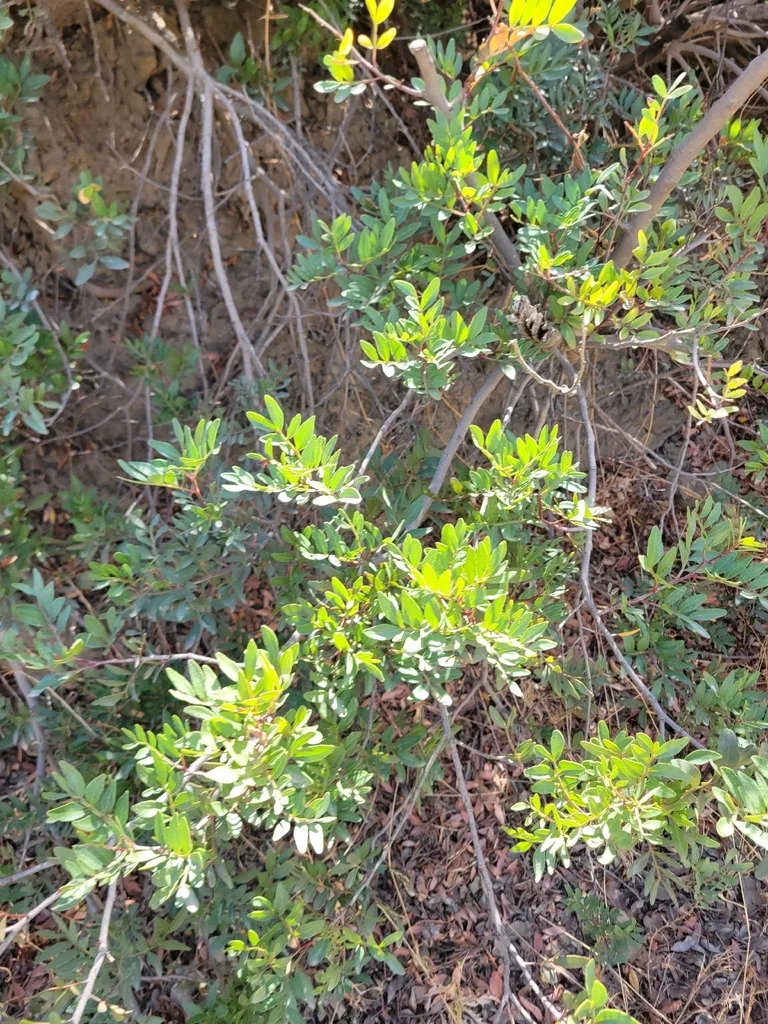
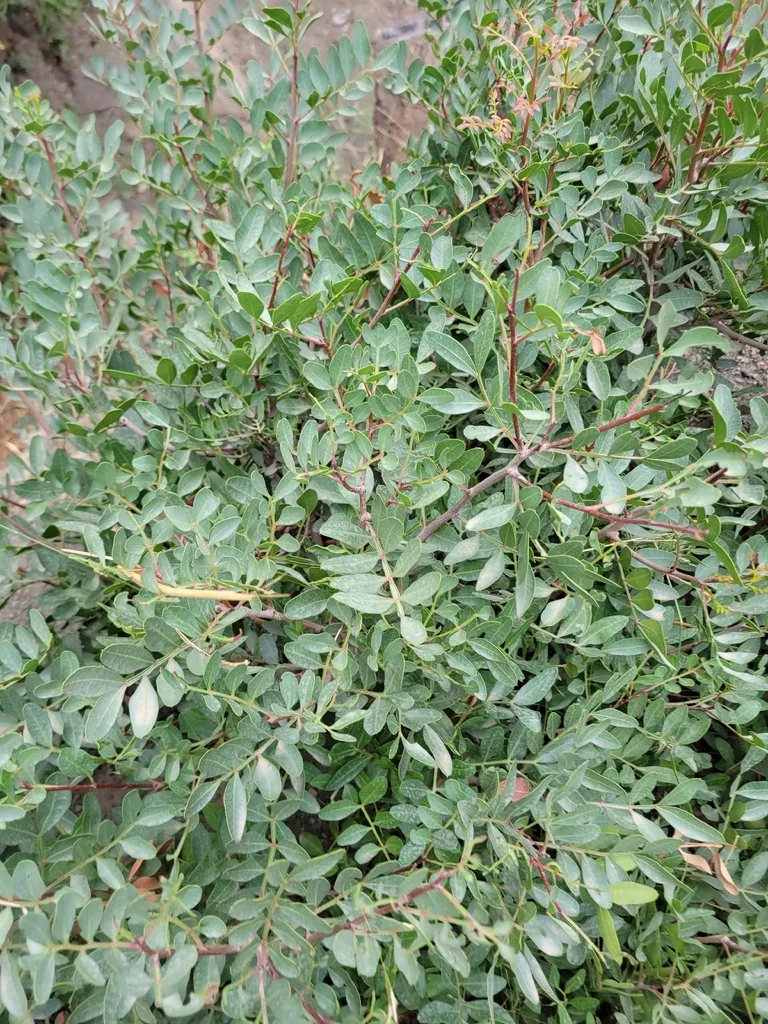
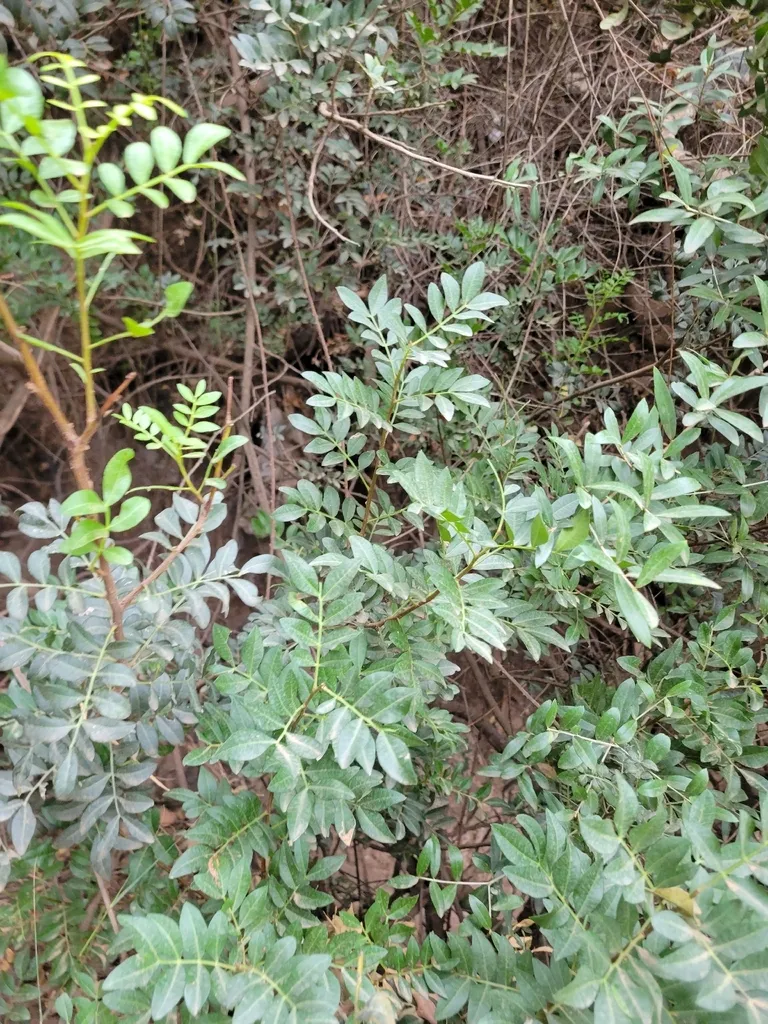
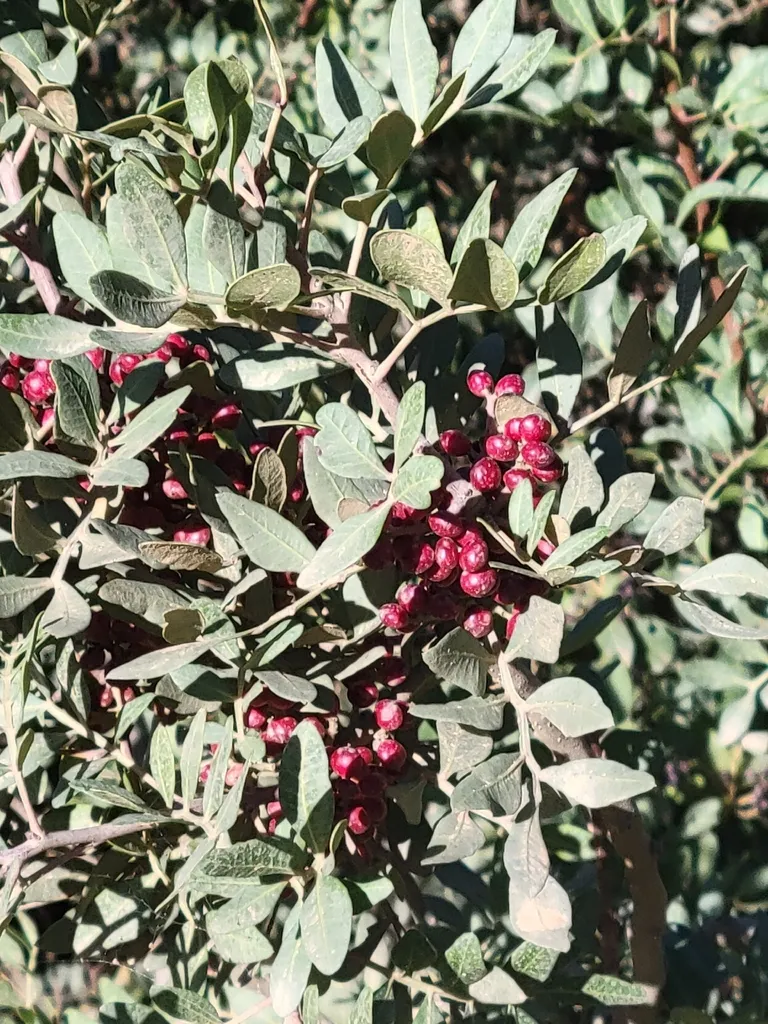
A tender evergreen shrub or small tree, up to 3m high, with pinnate, aromatic, leathery green leaves divided into up to 7 pairs of leaflets. Small flowers are produced in late spring and early summer; on male plants these are reddish and held in small dense clusters, female plants have looser clusters of brownish green flowers. If pollinated, these are followed on by small round reddish fruits that ripen to black
Scientific classification
- Species
- Chios mastic (Pistacia lentiscus)
- Genus
- Pistacia
- Family
- Anacardiaceae
- Order
- Sapindales
- Class
- Magnoliopsida
- Phylum
- Magnoliophyta
- Information to be completed
- Toxicity
- Shrubs · Trees
- Plant type
- 2.5-4 metres
- Height
- 2.5-4 metres
- Spread
- Evergreen
- Foliage
- Bushy
- Habit
- Spring · Summer · Autumn · Winter
- Season of interest
- Full sun
- Sunlight
- Information to be completed
- Ideal temperature









Chios mastic pictures
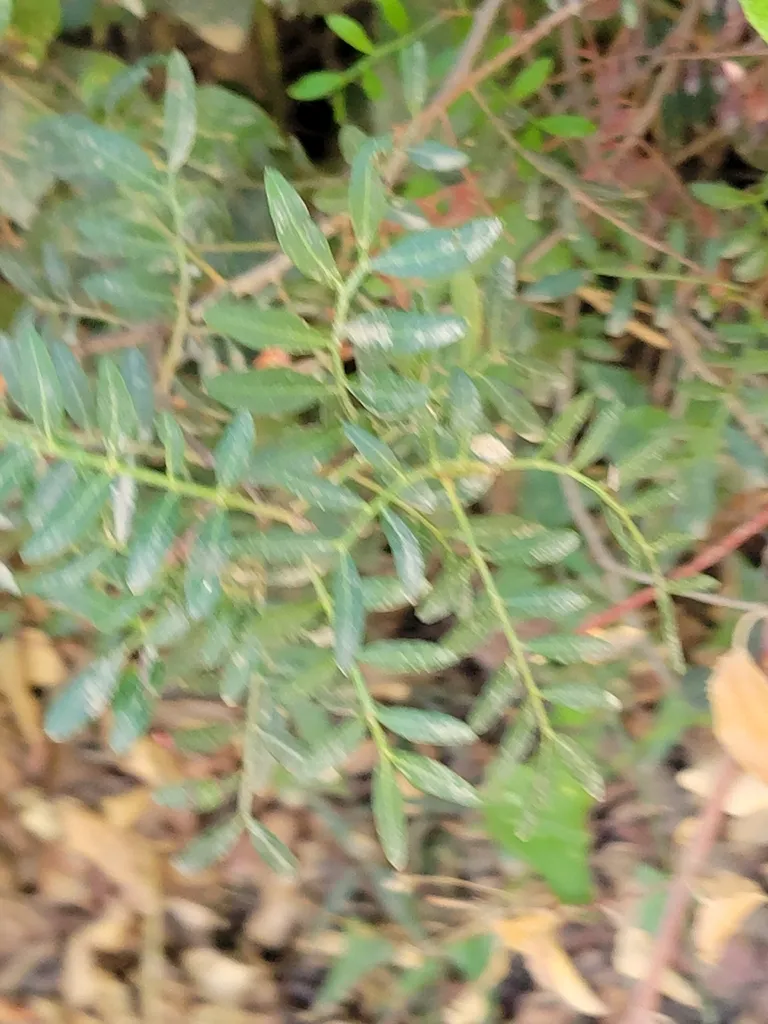
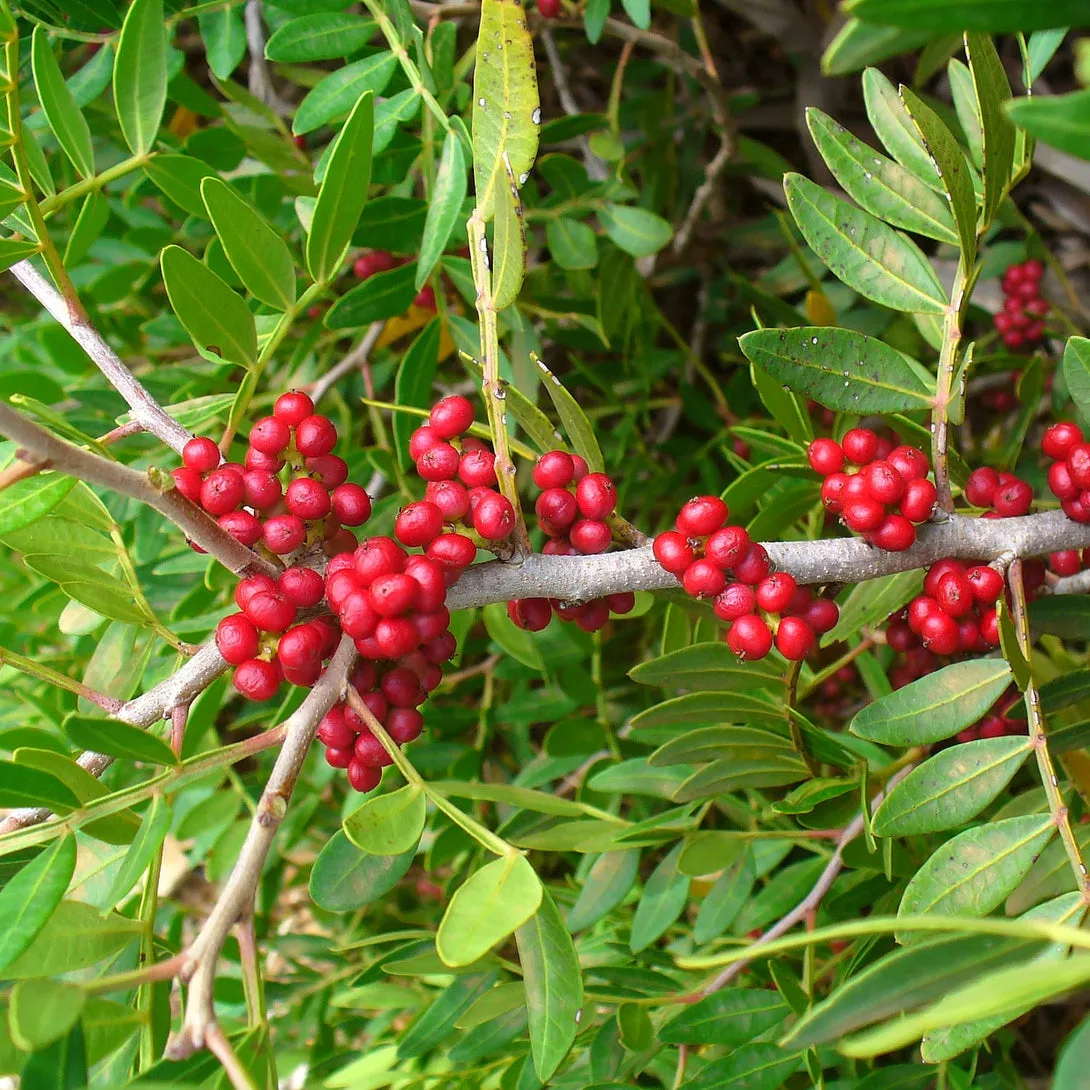
Distribution of Chios mastic
Distribution map
- Native
- Introduced
- Cultivated
Source:WCVP v16 · Royal Botanic Gardens, Kew · CC BY 3.0 · Boundaries:WGSRPD / TDWG
Chios mastic care guide
- Water deeply then wait major substrate dryness to irrigate again
- Watering
- Full sun
- Sunlight

Watering
Water deeply then wait major substrate dryness to irrigate again
Fertilizing
 Fertilizing
Weak low-nitrogen evergreen shrub feed monthly spring and summer
Pruning
 Pruning
Little pruning is needed. Remove diseased, damaged, crowded or crossing shoots and unwanted growth. Timing depends on the plant: generally late winter or early spring; plants prone to bleeding and deciduous magnolias need different timing, and deciduous azaleas and lilacs are pruned after flowering.
Propagation
 Propagation
Propagate by seed or by softwood cuttings in late spring or early summer
Growing
 Growing
In mild, frost-free areas, may be grown outdoors in moderately fertile, sharply drained soil in a sunny, sheltered spot; plants may need winter protection. In colder areas, grow under glass or in containers that can be moved indoors over winter, in a loam-based potting compost with added sharp sand, in full light. Sap of this plant is used to produce mastic
Common pests and diseases
Diseases
May be susceptible to fungal root rot
Pests
Generally pest-free
Explore the plant health library →




