
Belloto del Norte
Also known as: Information to be completed
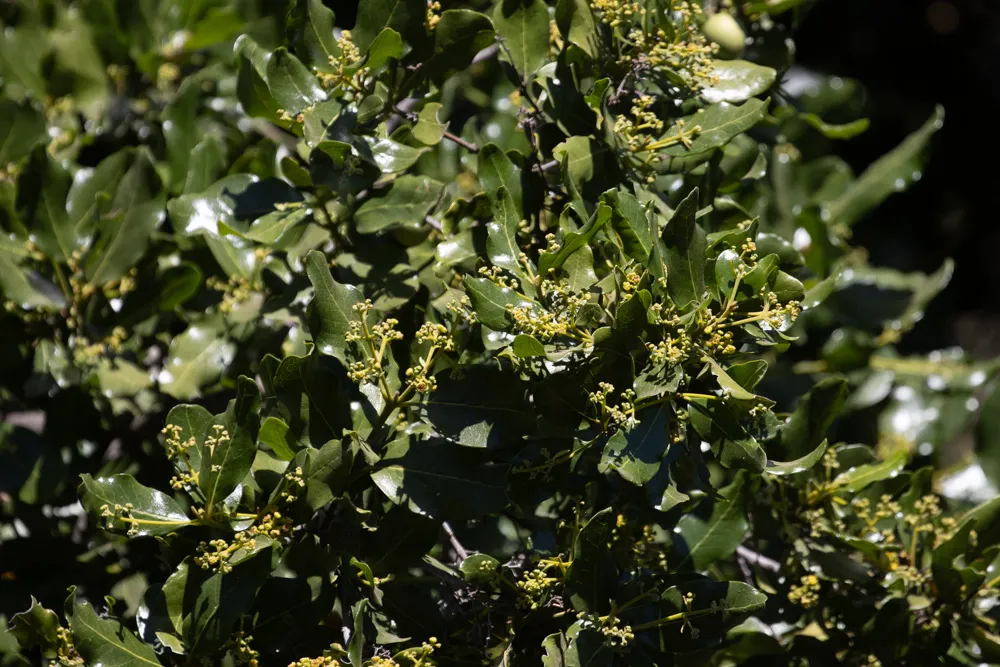
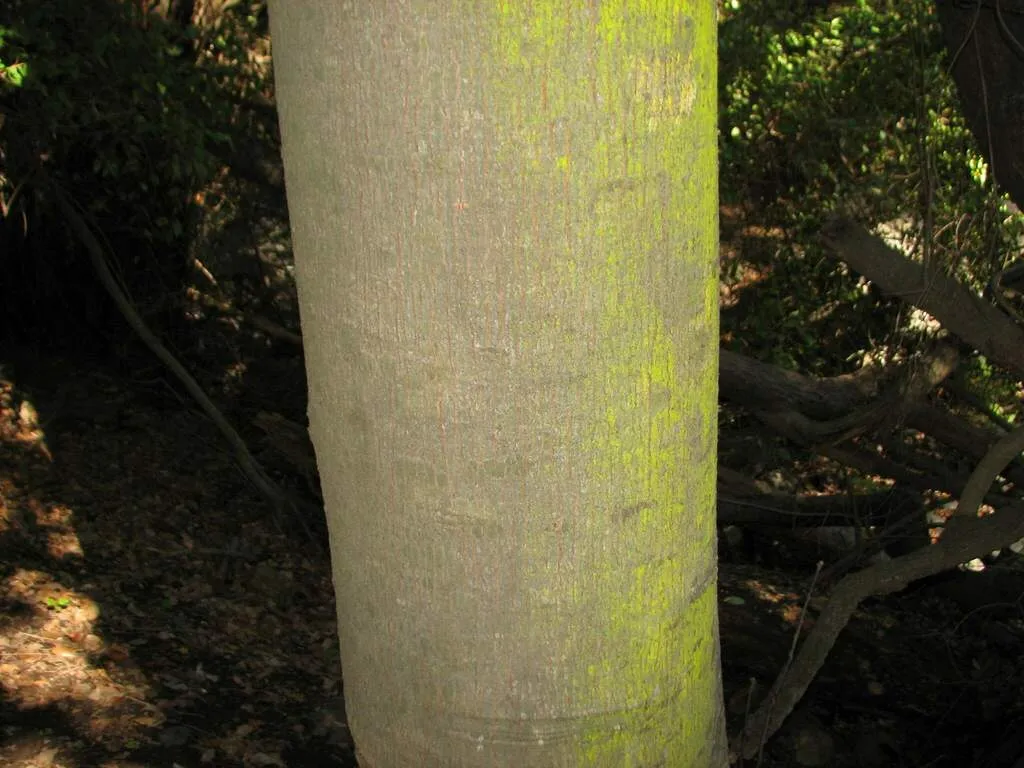
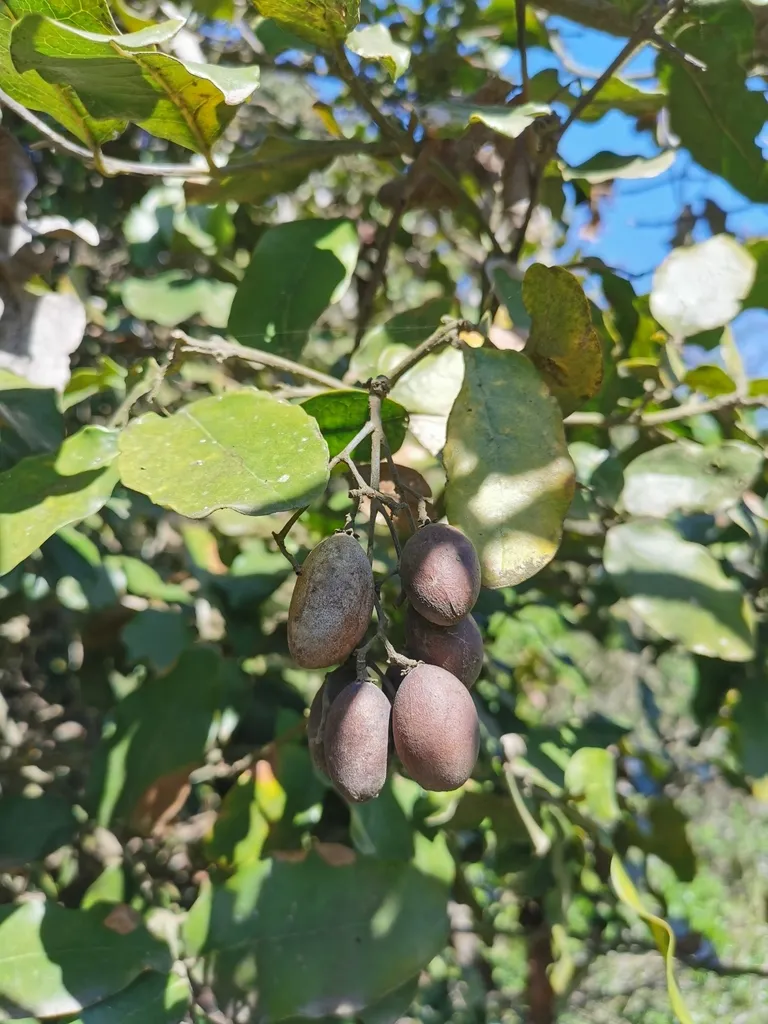
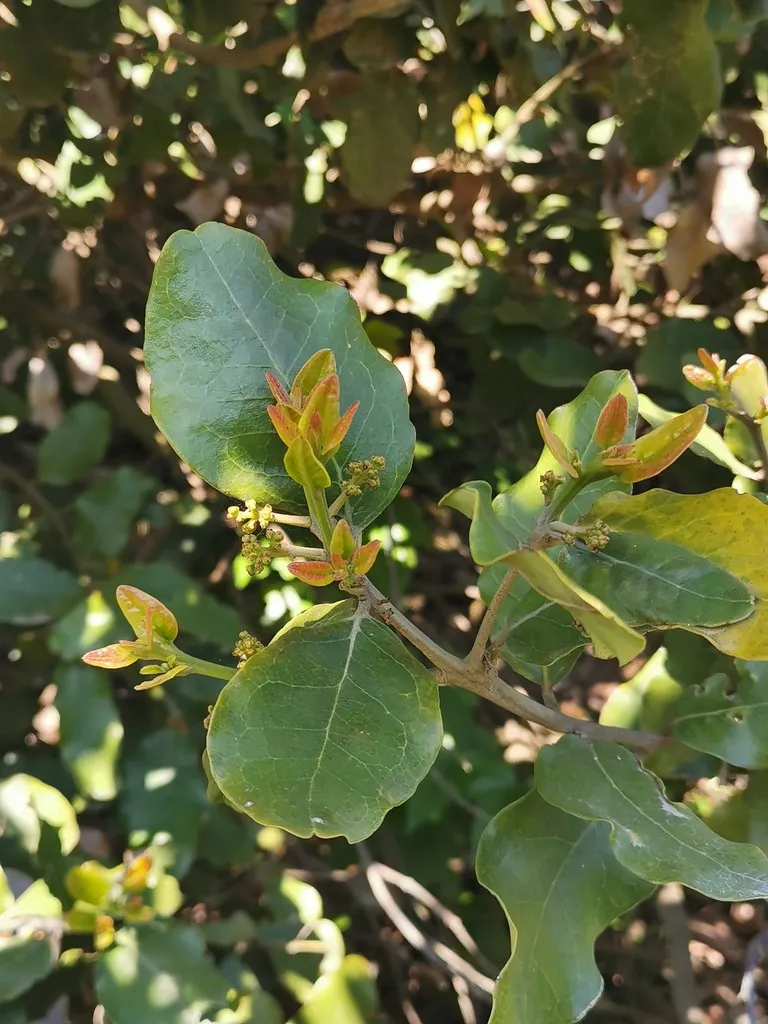
An evergreen tree exceeding heights of 25m in its natural, tropical habitat but unlikely to reach this height in cultivation in the U.K. Leaves 5-12cm long are ovate, leathery and glossy green above with glaucous undersides and release a camphor scent if crushed. Tiny yellowish flowers covered in fine hairs are arranged in panicles up to 6cm long and may be followed by ellipsoid fruits to 4cm long that are mottled yellow before turning brown
Scientific classification
- Species
- Belloto del Norte (Beilschmiedia miersii)
- Genus
- Beilschmiedia
- Family
- Lauraceae
- Order
- Laurales
- Class
- Magnoliopsida
- Phylum
- Magnoliophyta
- Information to be completed
- Toxicity
- Trees
- Plant type
- Higher than 12 metres
- Height
- 4-8 metres
- Spread
- Evergreen
- Foliage
- Information to be completed
- Habit
- Spring · Summer · Autumn · Winter
- Season of interest
- Partial shade · Full sun
- Sunlight
- Information to be completed
- Ideal temperature









Belloto del Norte pictures
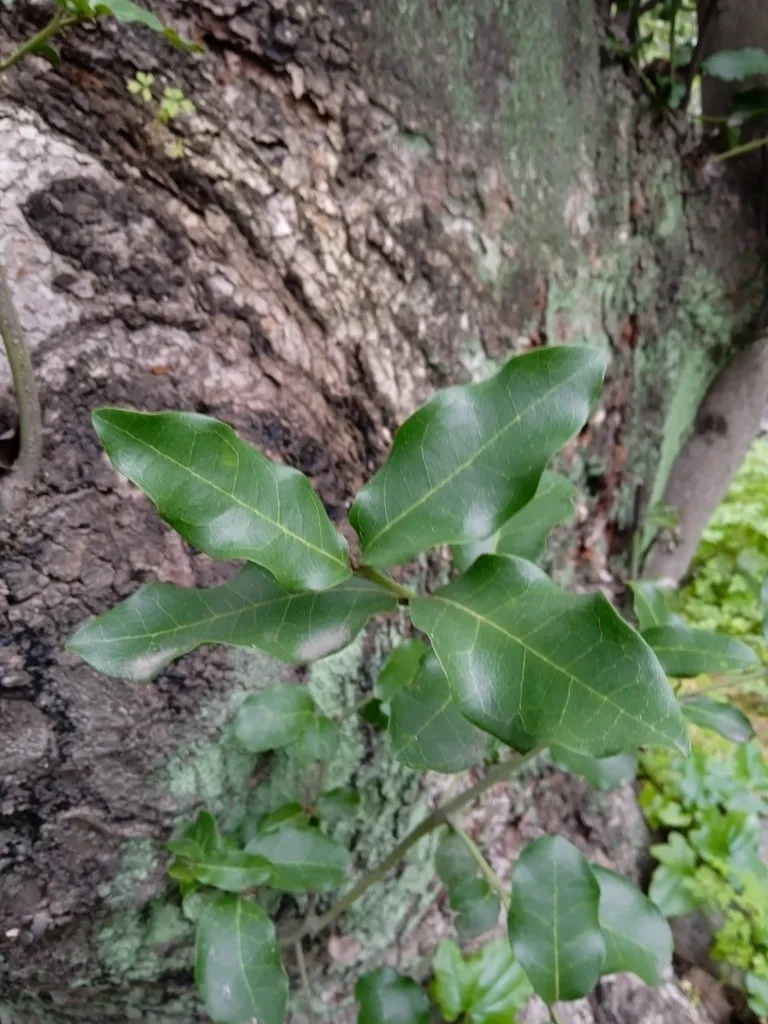
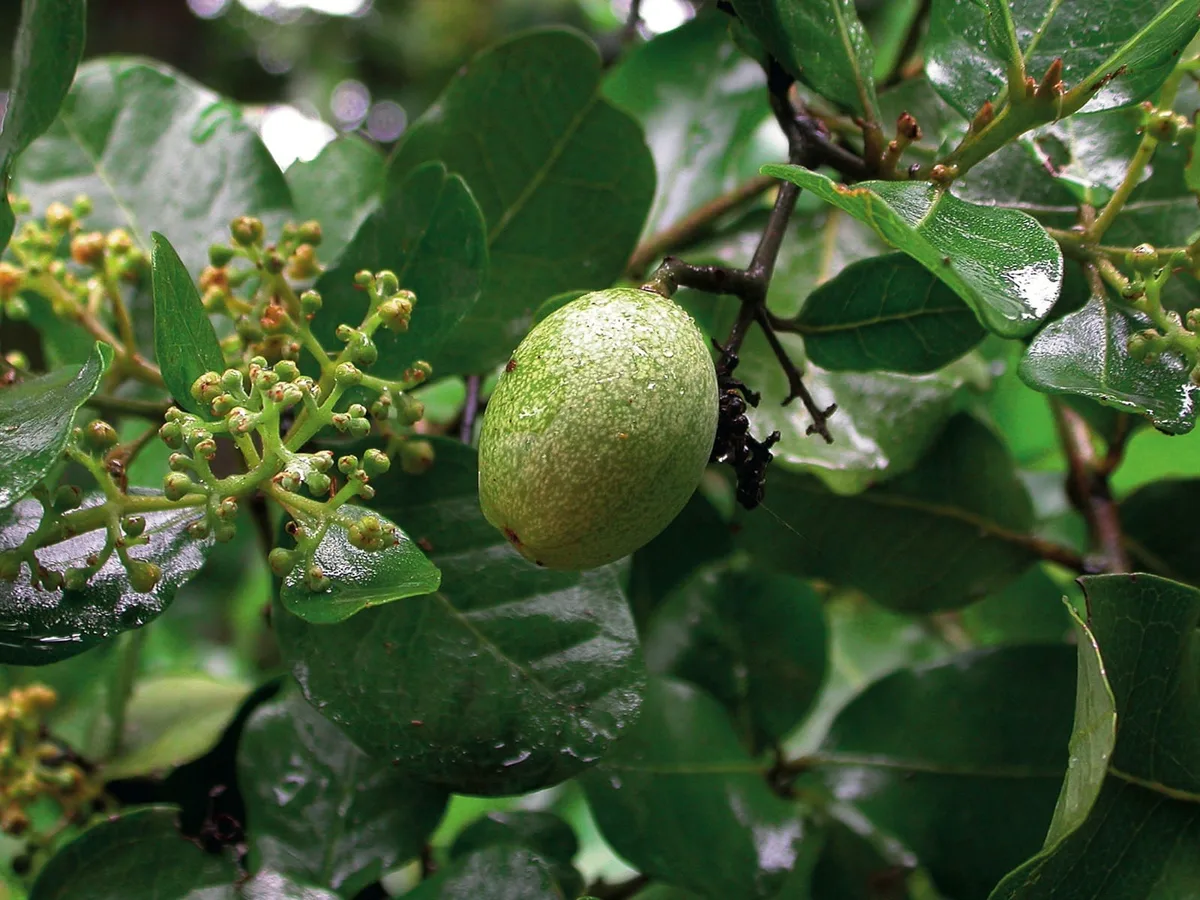
Distribution of Belloto del Norte
Distribution map
- Native
- Introduced
- Cultivated
Source:WCVP v16 · Royal Botanic Gardens, Kew · CC BY 3.0 · Boundaries:WGSRPD / TDWG
Belloto del Norte care guide
- Deep regular root irrigation, withstand short dry soil periods well
- Watering
- Partial shade · Full sun
- Sunlight

Watering
Deep regular root irrigation, withstand short dry soil periods well
Fertilizing
 Fertilizing
Broadleaf evergreen tree slow-release feed applied once each spring
Pruning
 Pruning
Little pruning is needed. Remove diseased, damaged, crowded or crossing shoots and unwanted growth. Timing depends on the plant: generally late winter or early spring; plants prone to bleeding and deciduous magnolias need different timing, and deciduous azaleas and lilacs are pruned after flowering.
Propagation
 Propagation
Propagate by seed
Growing
 Growing
Grow in moist but well-drained soil in a sheltered position; water in prolonged dry periods as this tree does not cope with drought
Common pests and diseases
Diseases
Generally disease-free
Pests
Generally pest-free
Explore the plant health library →




