
Stapelia leendertziae
Also known as: Information to be completed
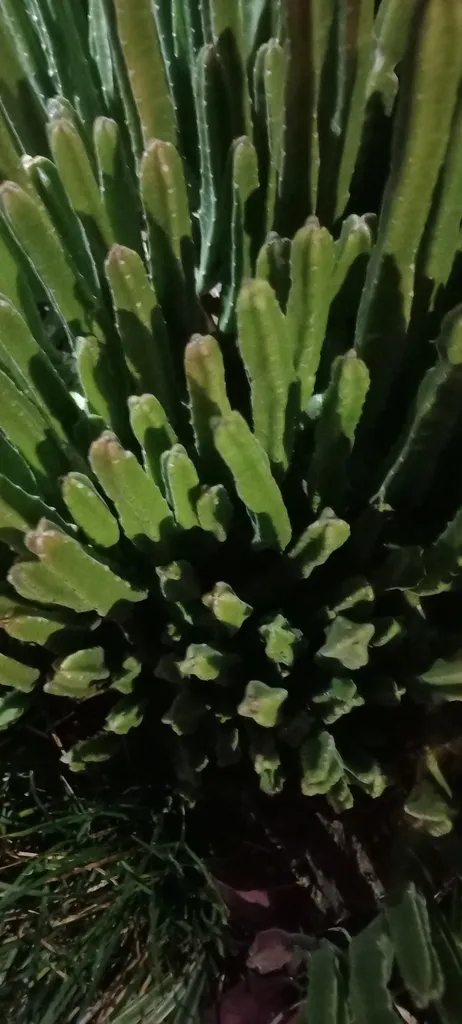
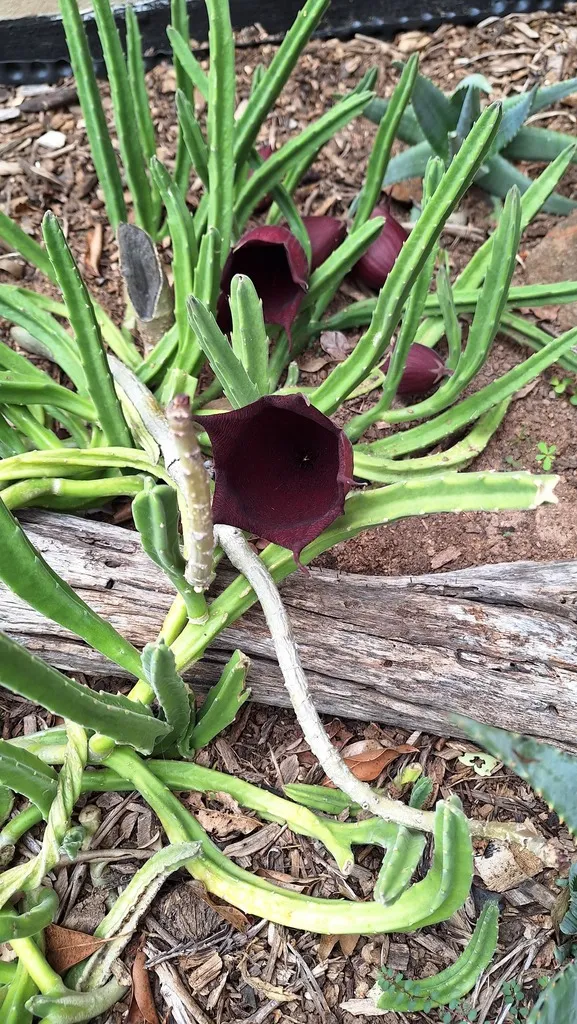
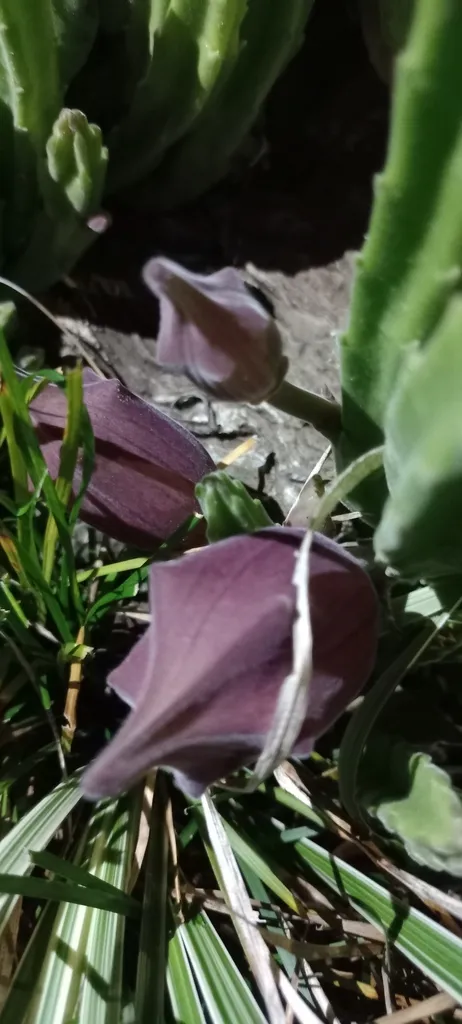
A succulent, evergreen perennial to 30cm tall, forming a clump of upright to curving, 4-angled stems. In late summer, dark maroon, inflated flower buds are formed; these open into bell-shaped blooms 8cm across, emitting a foul smell to attract pollinating flies
Scientific classification
- Species
- Stapelia leendertziae (Stapelia leendertziae)
- Genus
- Stapelia
- Family
- Apocynaceae
- Information to be completed
- Toxicity
- Houseplants · Cactus Succulent
- Plant type
- 0.1-0.5 metres
- Height
- 0.1-0.5 metres
- Spread
- Evergreen
- Foliage
- Tufted
- Habit
- Spring · Summer · Autumn · Winter
- Season of interest
- Full sun
- Sunlight
- Information to be completed
- Ideal temperature









Stapelia leendertziae pictures
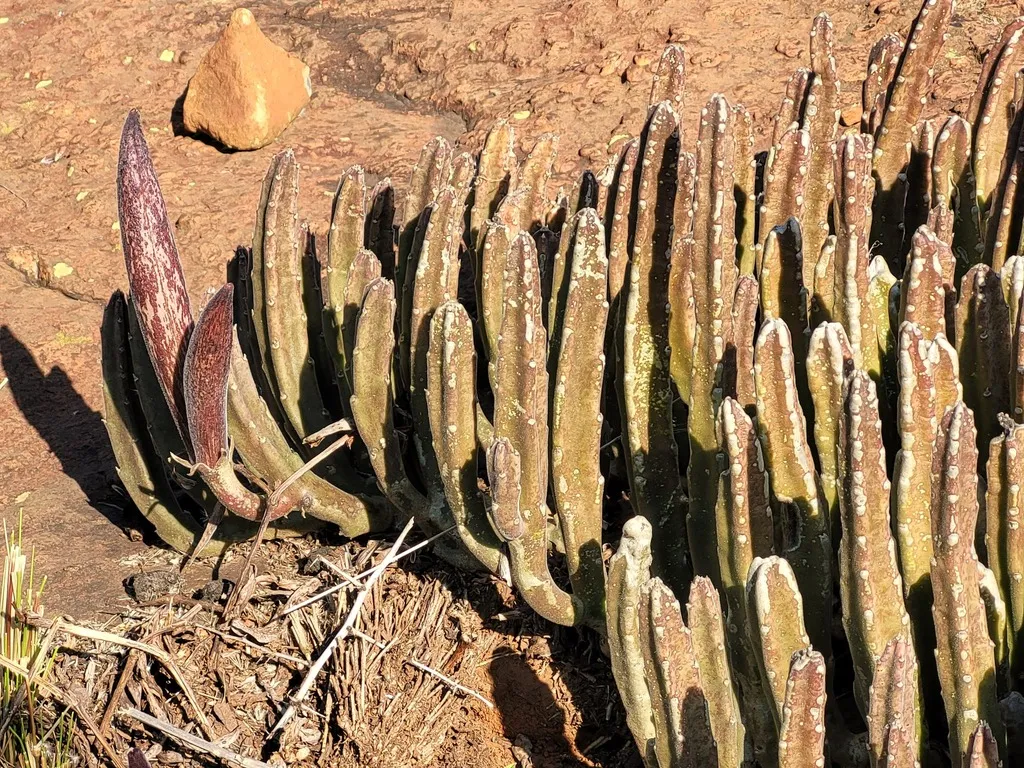
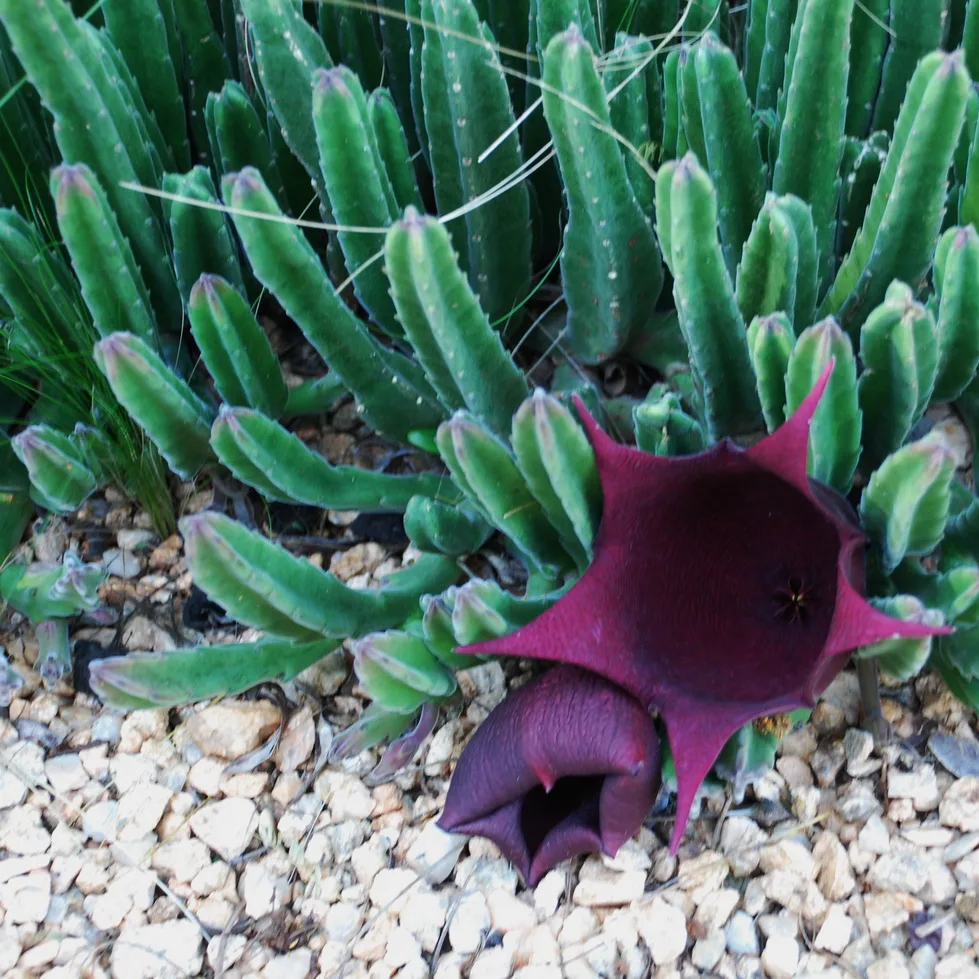
Distribution of Stapelia leendertziae
Distribution map
- Native
- Introduced
- Cultivated
Source:WCVP v16 · Royal Botanic Gardens, Kew · CC BY 3.0 · Boundaries:WGSRPD / TDWG
Culture
Information to be completed
Toxicity
Information to be completed
Quick identification of Stapelia leendertziae
Information to be completed
Stapelia leendertziae care guide
- Moderate regular watering, avoid prolonged drought and stagnant waterlogging
- Watering
- Full sun
- Sunlight
- Information to be completed
- Ideal temperature

Watering
Moderate regular watering, avoid prolonged drought and stagnant waterlogging
Fertilizing
 Fertilizing
Balanced perennial feed every four weeks spring through summer growth
Pruning
 Pruning
No pruning required
Propagation
 Propagation
Propagate by seed, removal of rooted sections, or stem section cuttings (laid on their side to root)
Growing
 Growing
Under glass, grow in a mix of equal parts of loam-based potting compost and grit; top dress with grit. Provide full light with shade from hot sun, and low humidity. When in growth, water moderately and apply a low-nitrogen fertiliser monthly; water very sparingly at all other times
People also ask
Information to be completed
Common pests and diseases
Diseases
May be susceptible to stem and root rots in wet conditions
Pests
May be susceptible to mealybugs
Explore the plant health library →




