
Egyptian lavender
Also known as: Information to be completed
L. multifida is a small, evergreen shrub with downy, fern-like, grey-green leaves and long-stalked flowers of violet-blue produced from early summer into autumn. The foliage is aromatic, but more like oregano than typical lavender
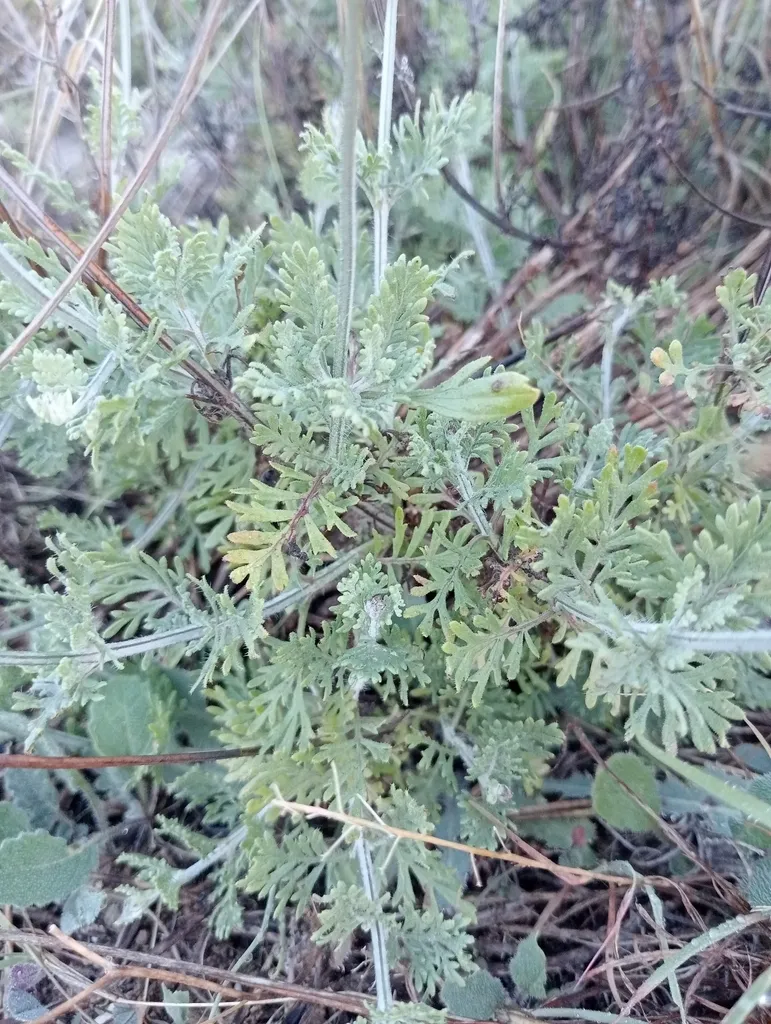
Scientific classification
- Species
- Egyptian lavender (Lavandula multifida)
- Genus
- Lavandula
- Family
- Lamiaceae
- Information to be completed
- Toxicity
- Annual Biennial · Shrubs
- Plant type
- 0.5-1 metres
- Height
- 0.5-1 metres
- Spread
- Evergreen
- Foliage
- Bushy
- Habit
- Spring · Summer · Autumn · Winter
- Season of interest
- Full sun
- Sunlight
- Information to be completed
- Ideal temperature









Egyptian lavender pictures
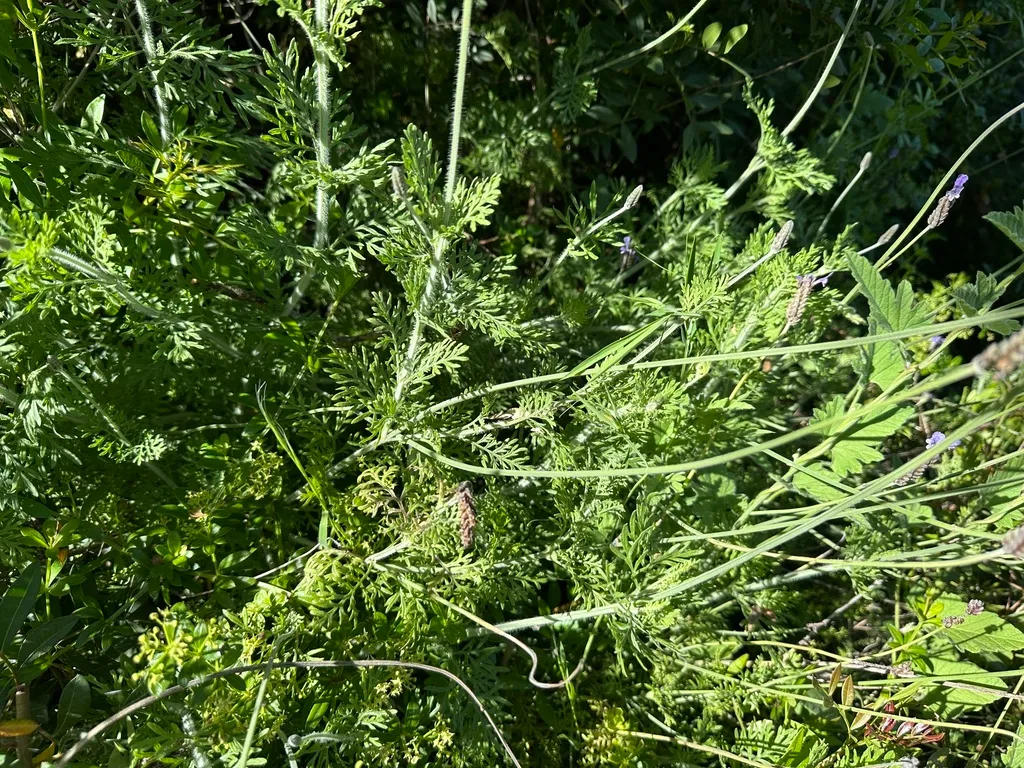
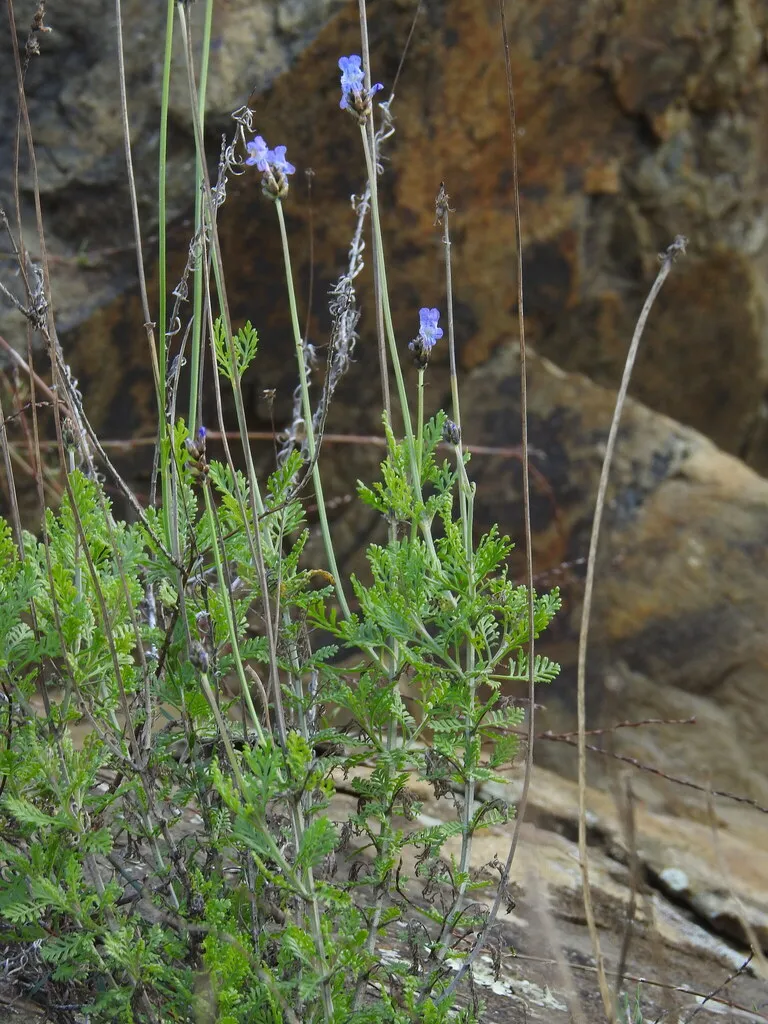
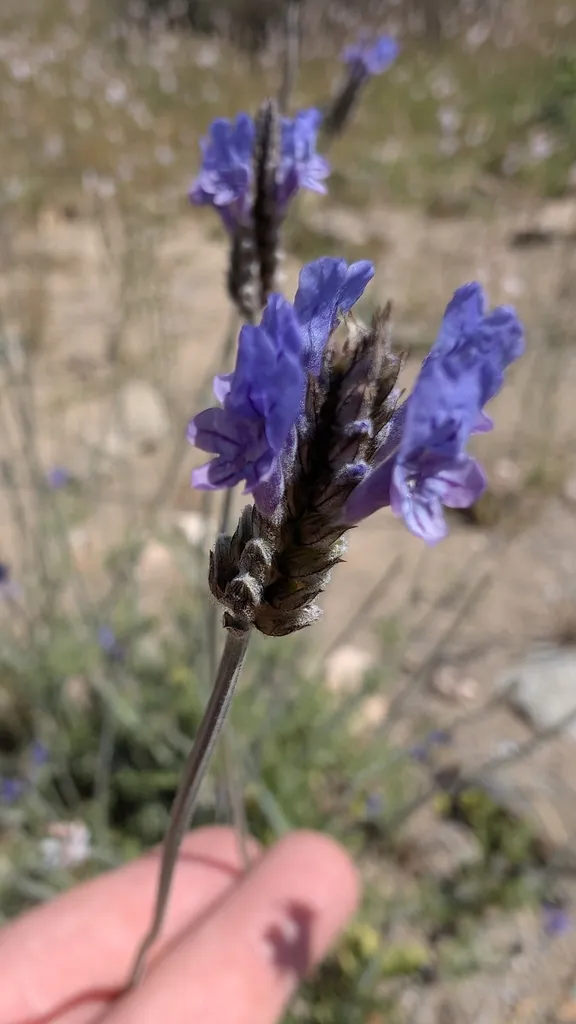
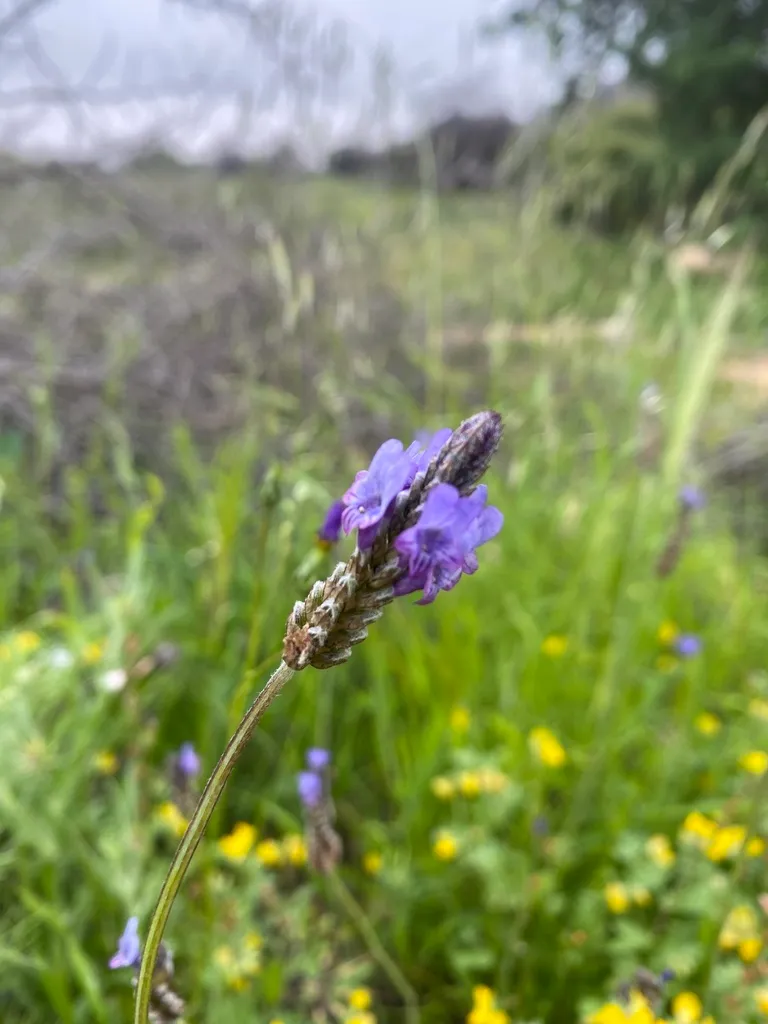
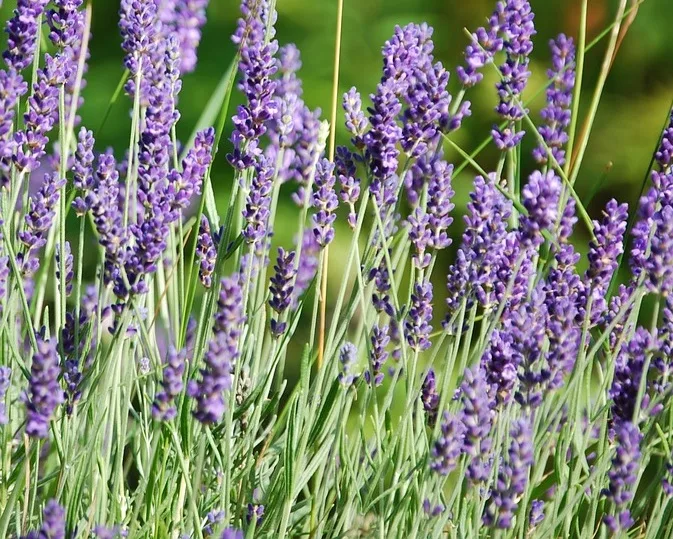
Distribution of Egyptian lavender
Distribution map
Northern Africa, Spain, Italy
Information to be completed
Culture
Information to be completed
Toxicity
Information to be completed
Quick identification of Egyptian lavender
Information to be completed
Egyptian lavender care guide
- Moderate watering, let top soil dry slightly before rewatering cycles
- Watering
- Full sun
- Sunlight
- Information to be completed
- Ideal temperature

Watering
Moderate watering, let top soil dry slightly before rewatering cycles
Fertilizing
 Fertilizing
Weak lavender shrub feed monthly spring and summer growth
Pruning
 Pruning
Shorten flowered shoots to about 1.5–2.5 cm from the previous year's growth. If flowering is on last year's growth, prune after flowering; if on current-year growth, prune the following early to mid-spring.
Propagation
 Propagation
Propagate by seed in spring or propagate by semi-ripe cuttings in summer
Growing
 Growing
Grow in very well-drained, ideally alkaline, soil in full sun. May survive outdoors in mild, dry areas, otherwise grow in a container and overwinter under cover, or treat as an annual. See lavender cultivation for further advice
People also ask
Information to be completed
Common pests and diseases
Diseases
High Risk Host for Xylella fastidiosa. May be susceptible to grey moulds (Botrytis) and honey fungus (rarely)
Pests
May be susceptible to rosemary beetle and cuckoo spit (froghoppers)
Explore the plant health library →




