
hill mustard
Also known as: Turkish rocket; warty cabbage
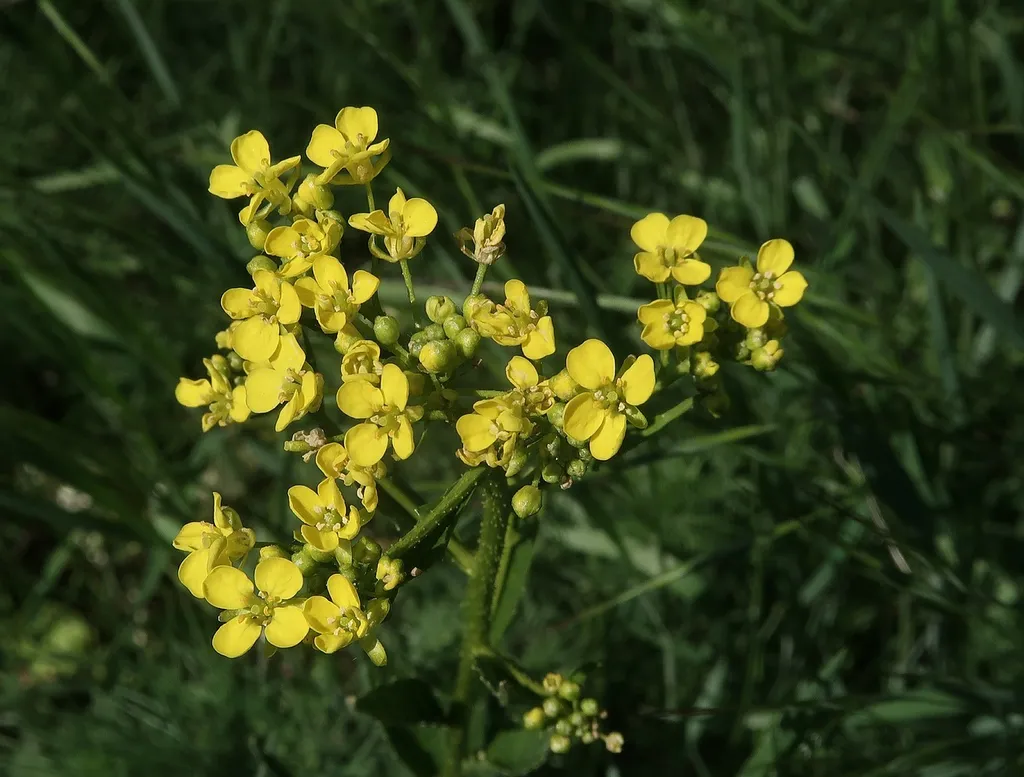
An herbaceous perennial to 90cm tall forming clumps of edible, lobed and serrated-edged leaves with a mild, cabbage-like flavour when young becoming hotter with age. Clusters of tiny flower buds can be harvested and cooked like broccoli florets or will produce heads of small, yellow flowers in summer. This member of the brassica family is resistant to club root
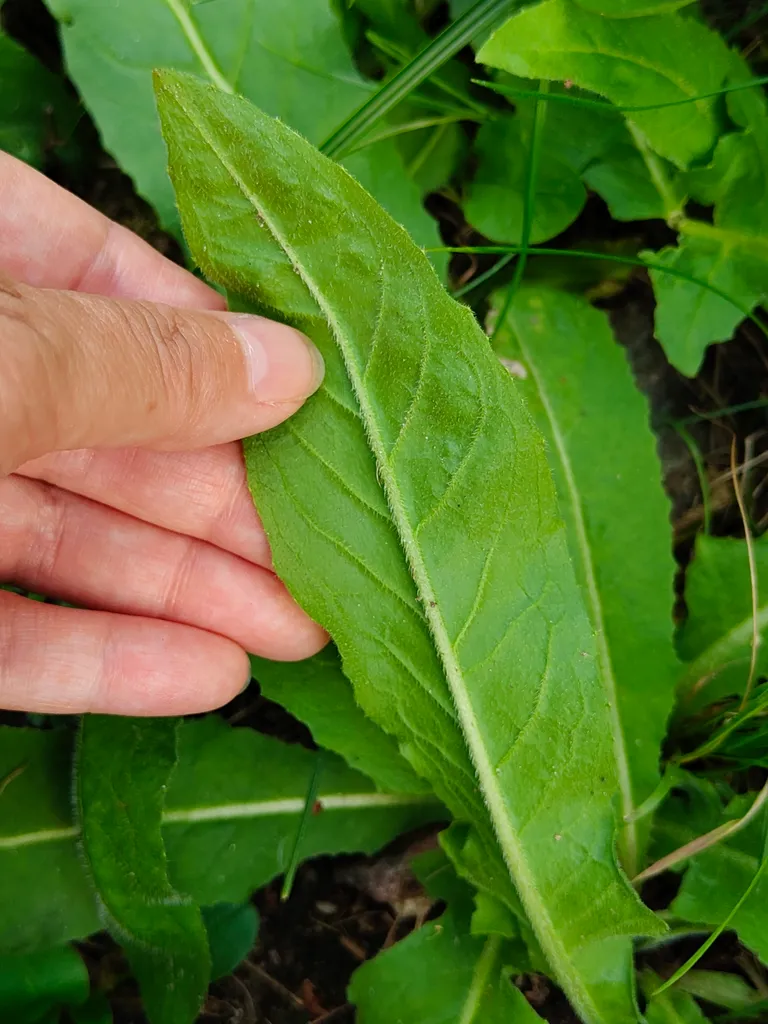
Scientific classification
- Species
- hill mustard (Bunias orientalis)
- Genus
- Bunias
- Family
- Brassicaceae
- Information to be completed
- Toxicity
- Herbaceous Perennial
- Plant type
- 0.5-1 metres
- Height
- 0.1-0.5 metres
- Spread
- Deciduous
- Foliage
- Clump forming
- Habit
- Spring · Summer · Autumn
- Season of interest
- Full sun
- Sunlight
- Information to be completed
- Ideal temperature









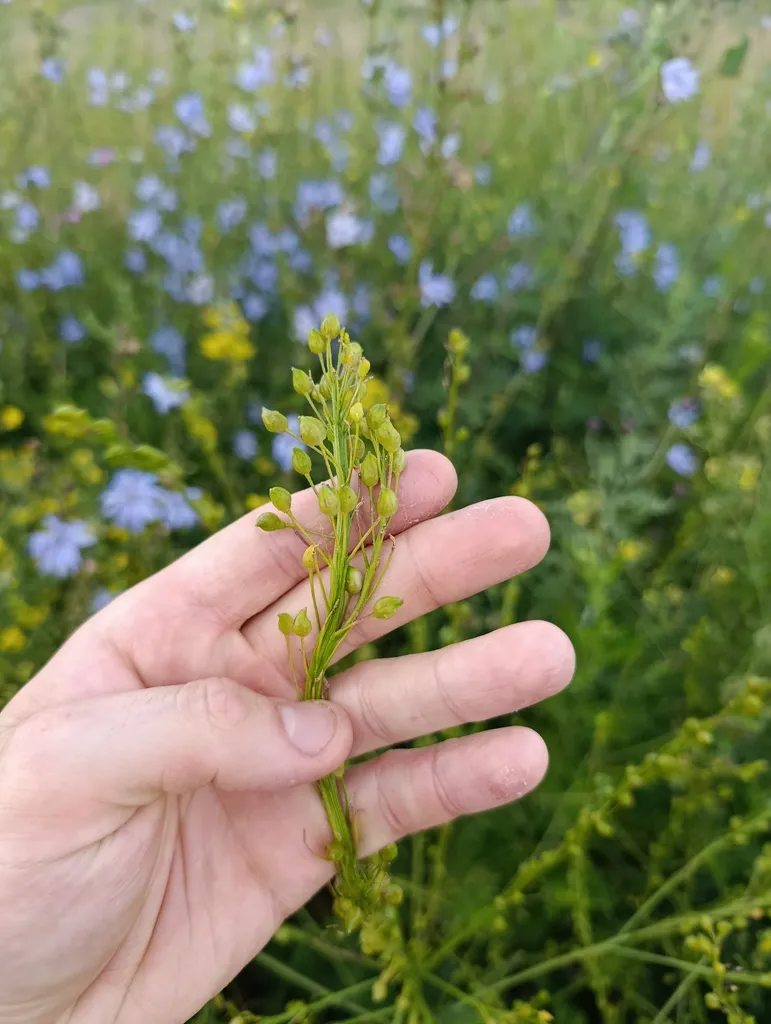
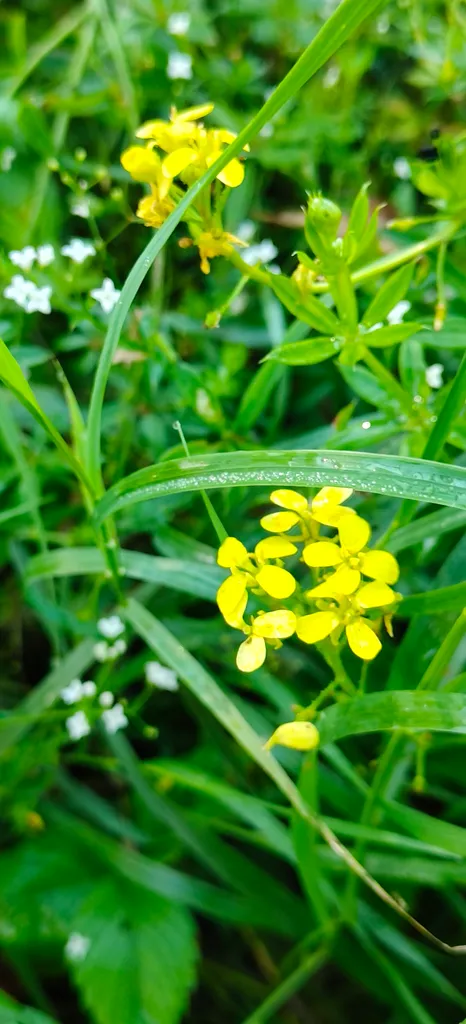
hill mustard pictures
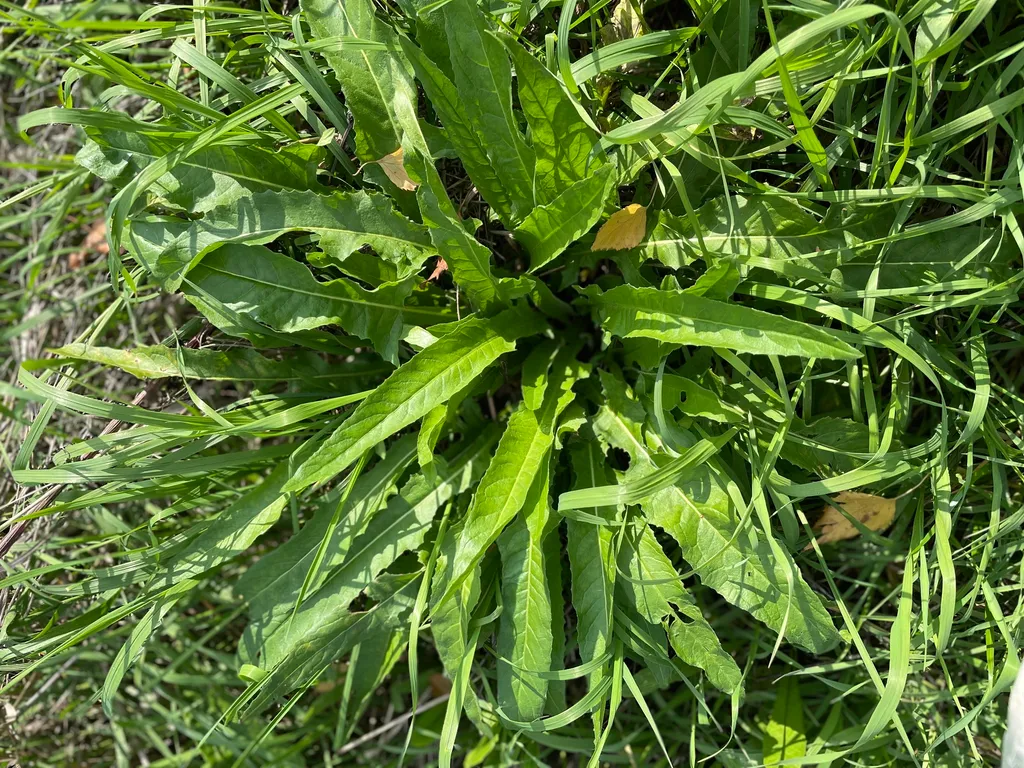
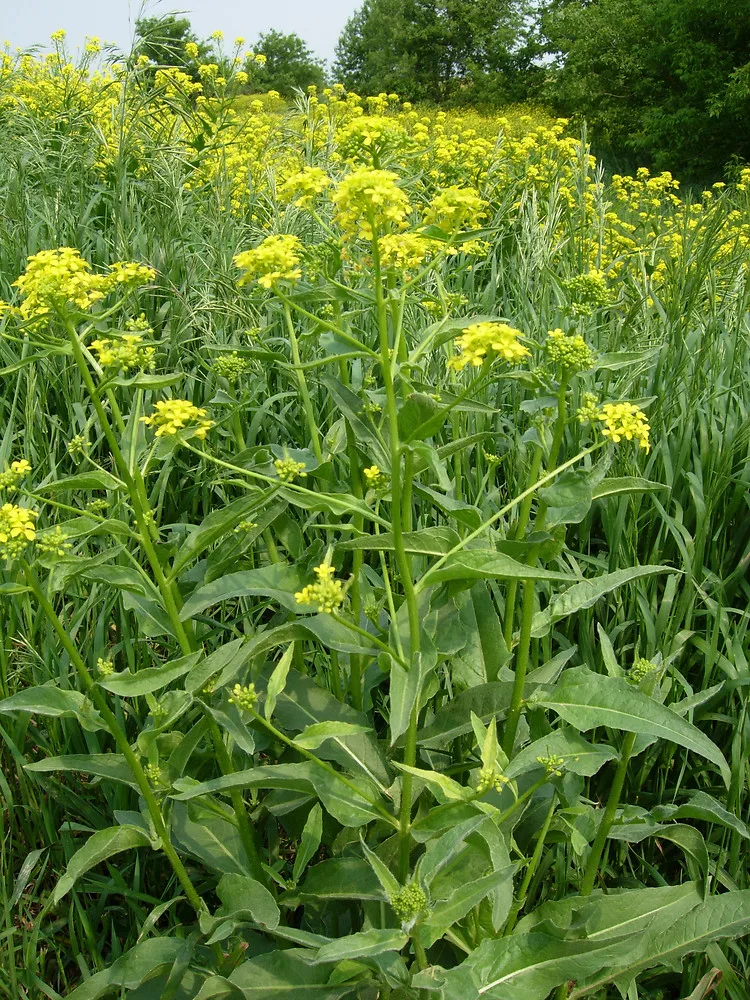
Distribution of hill mustard
Distribution map
Information to be completed
Information to be completed
Culture
Information to be completed
Toxicity
Information to be completed
Quick identification of hill mustard
Information to be completed
hill mustard care guide
- Moderate regular watering, avoid prolonged drought or waterlogging
- Watering
- Full sun
- Sunlight
- Information to be completed
- Ideal temperature

Watering
Moderate regular watering, avoid prolonged drought or waterlogging
Fertilizing
 Fertilizing
Balanced feed in spring and light repeat in growth season
Pruning
 Pruning
No pruning required
Propagation
 Propagation
Propagate by seed or by root cuttings. See sowing vegetable seeds
Growing
 Growing
Grow in any soil in full sun; drought-tolerant once established
People also ask
Information to be completed
Common pests and diseases
Diseases
Generally disease-free
Pests
May be susceptible to slugs and snails on young growth
Explore the plant health library →




