
Furcraea parmentieri
Also known as: Information to be completed
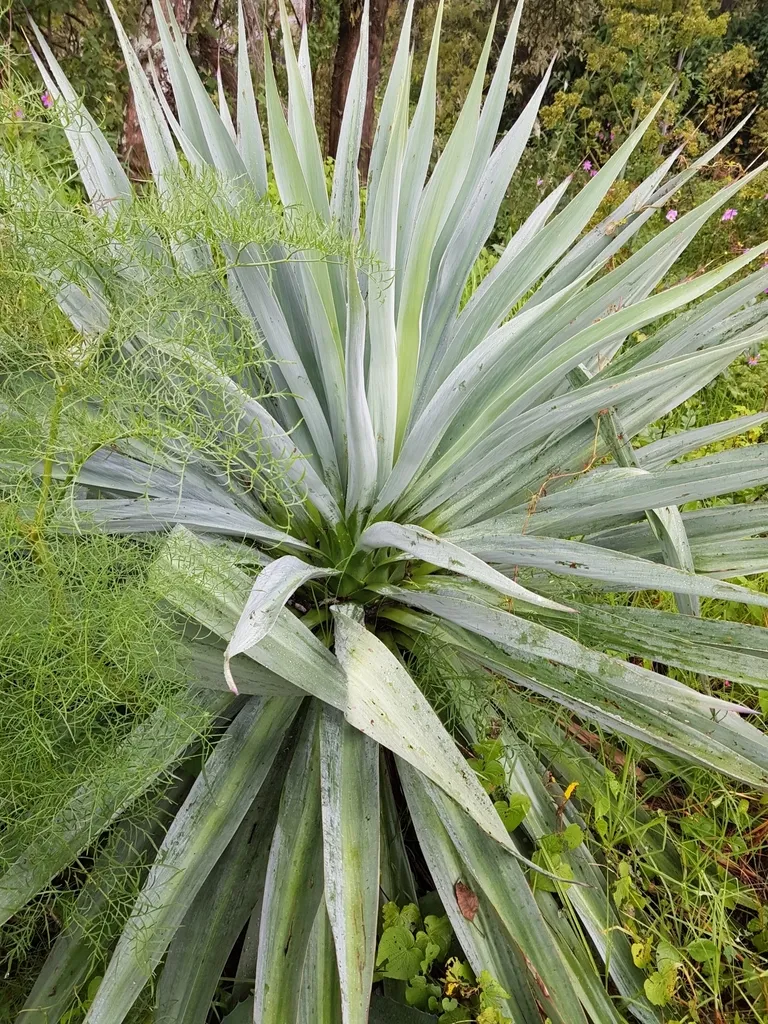
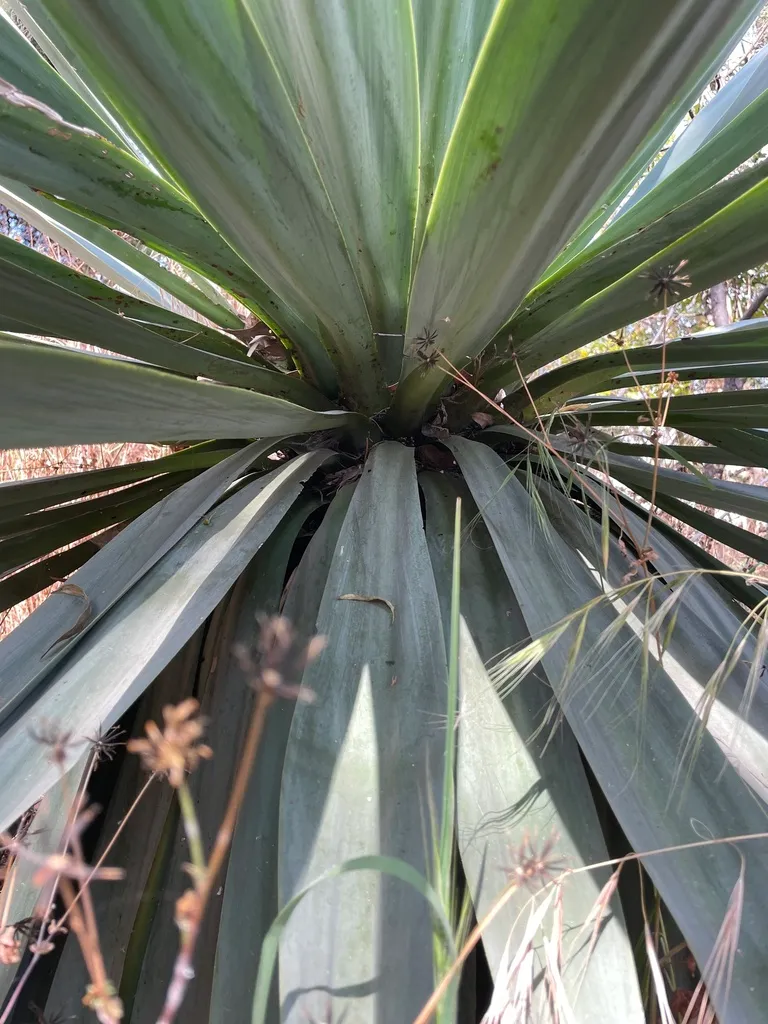
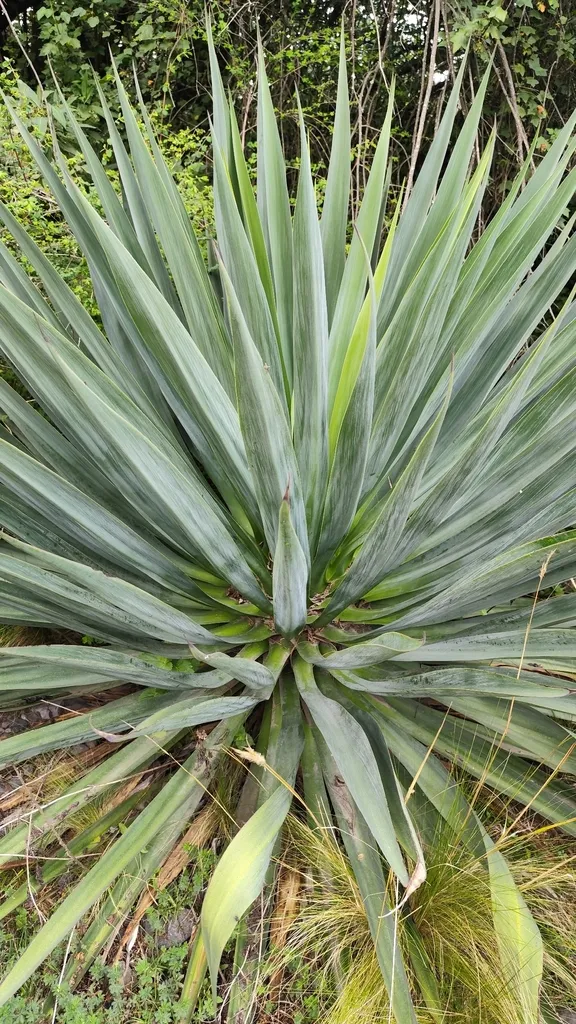
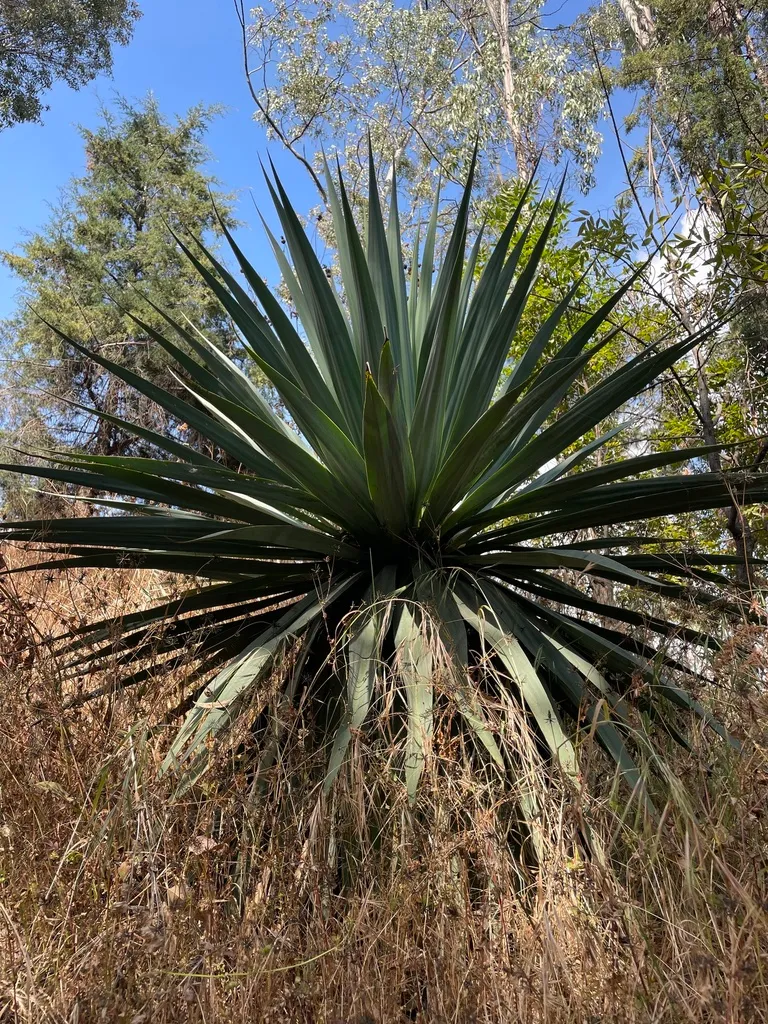
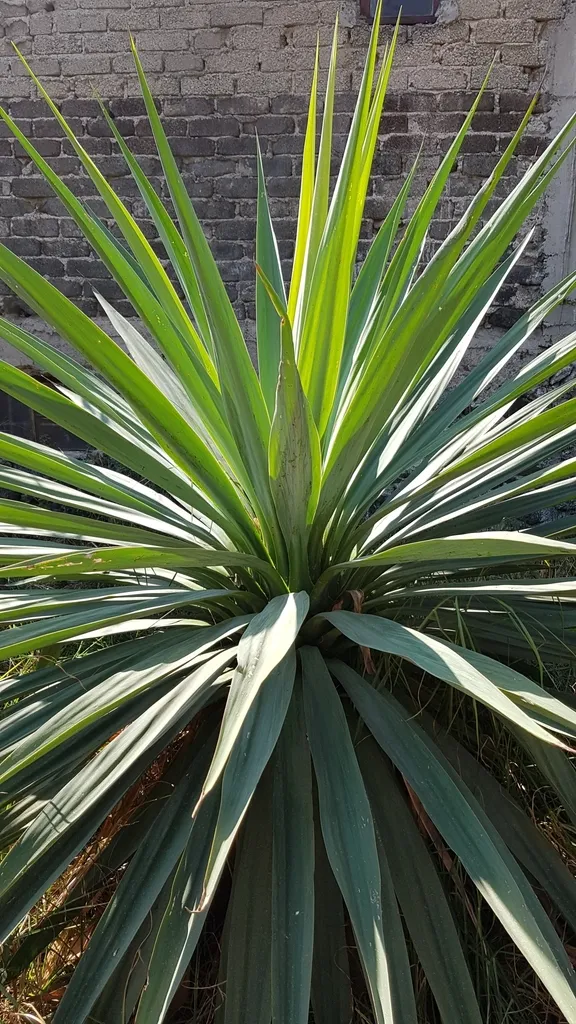
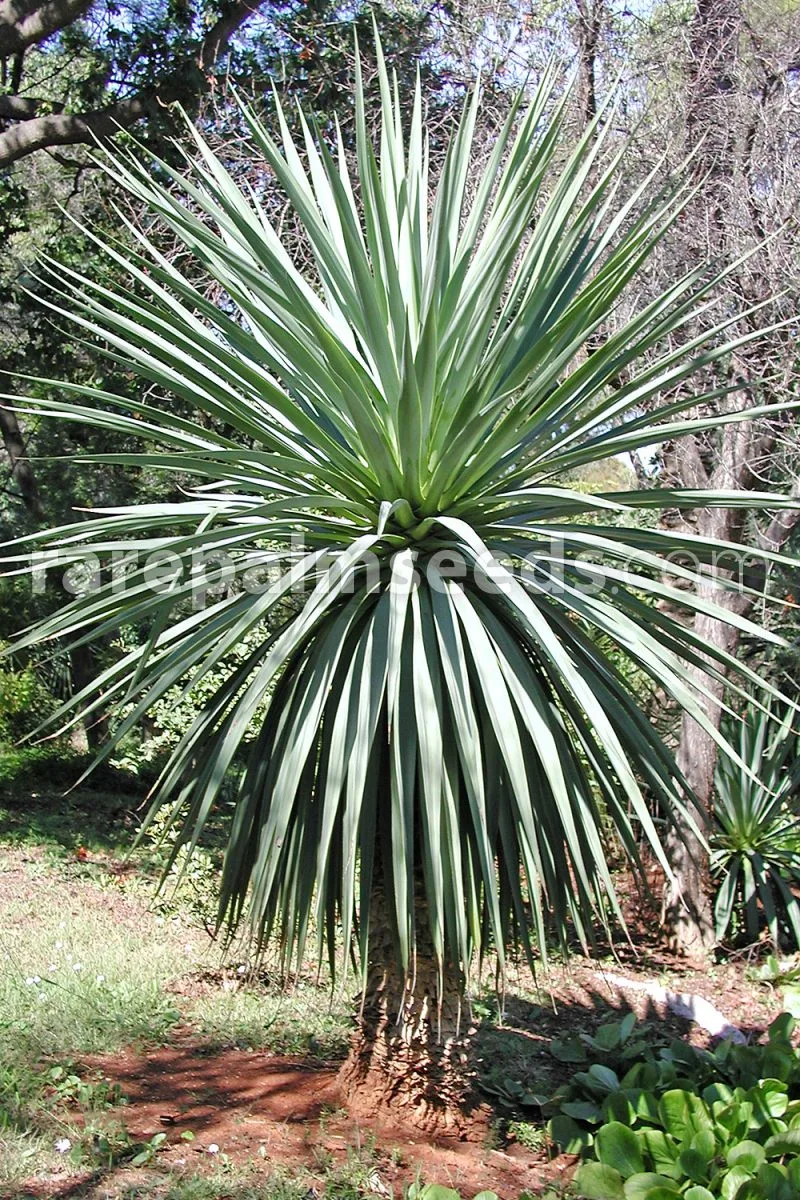
A perennial succulent forming a rosette of stiff, sword-shaped, grey-green leaves to 70cm long, and in time developing a stout trunk to 2m. At maturity, which may take 20 years or more, it produces a single, gigantic, conical flowerspike which bears both greenish-white flowers and numerous bulbils. After flowering the plant dies but can be propagated from the bulbils
Scientific classification
- Species
- Furcraea parmentieri (Furcraea parmentieri)
- Genus
- Furcraea
- Family
- Asparagaceae
- Information to be completed
- Toxicity
- Cactus Succulent · Shrubs
- Plant type
- 1.5-2.5 metres
- Height
- 1-1.5 metres
- Spread
- Evergreen
- Foliage
- Tufted
- Habit
- Spring · Summer · Autumn · Winter
- Season of interest
- Full sun
- Sunlight
- Information to be completed
- Ideal temperature









Furcraea parmentieri pictures
Distribution of Furcraea parmentieri
Distribution map
- Native
- Introduced
- Cultivated
Source:WCVP v16 · Royal Botanic Gardens, Kew · CC BY 3.0 · Boundaries:WGSRPD / TDWG
Culture
Information to be completed
Toxicity
Information to be completed
Quick identification of Furcraea parmentieri
Information to be completed
Furcraea parmentieri care guide
- Moderate regular watering, avoid prolonged drought and stagnant waterlogging
- Watering
- Full sun
- Sunlight
- Information to be completed
- Ideal temperature

Watering
Moderate regular watering, avoid prolonged drought and stagnant waterlogging
Fertilizing
 Fertilizing
Balanced perennial feed every four weeks spring through summer growth
Pruning
 Pruning
No pruning required
Propagation
 Propagation
Propagate by sowing seed at 20°C in spring, or by bulbils
Growing
 Growing
Under glass, grow in standard cactus compost in full light with low humidity. During growth, water moderately and apply a balanced liquid fertiliser monthly; water sparingly at other times. Outdoors grow in poor to moderately fertile, sharply-drained soil in full sun. Protect from winter wet
People also ask
Information to be completed
Common pests and diseases
Diseases
Generally disease-free
Pests
May be susceptible to scale insects
Explore the plant health library →




