
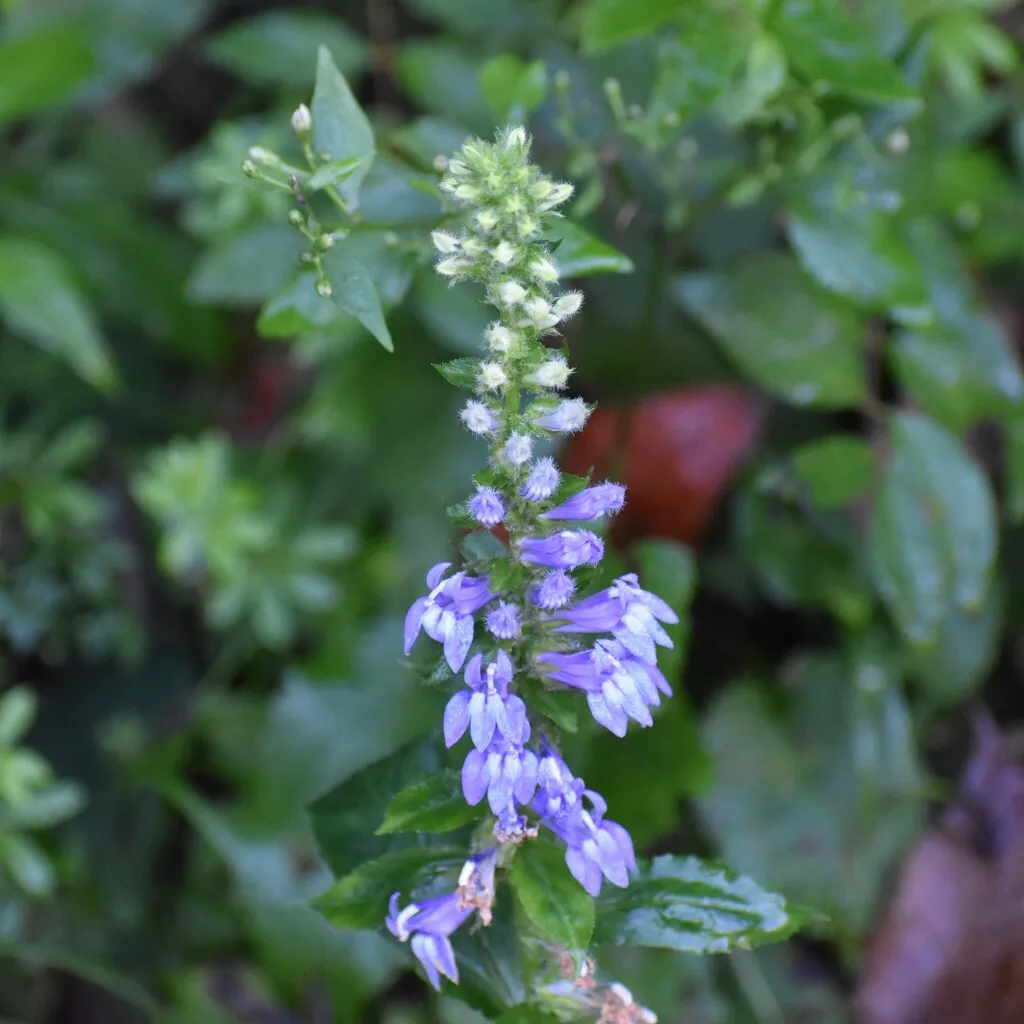
blue cardinal flower
Also known as: great lobelia; tall blue lobelia; Virginia bellflower; vomit root
An upright, clump-forming, deciduous herbaceous perennial with green, finely toothed, lance-shaped leaves. Long-lasting spikes of blue flowers appear on sturdy, upright stems from late summer through until mid autumn
Scientific classification
- Species
- blue cardinal flower (Lobelia siphilitica)
- Genus
- Lobelia
- Family
- Campanulaceae
- Order
- Asterales
- Class
- Magnoliopsida
- Phylum
- Magnoliophyta
- Harmful if eaten, skin irritant. Wear gloves and other protective equipment when handling]
- Toxicity
- Herbaceous Perennial
- Plant type
- 0.5-1 metres
- Height
- 0.1-0.5 metres
- Spread
- Deciduous
- Foliage
- Clump forming · Columnar upright
- Habit
- Spring · Summer · Autumn
- Season of interest
- Full sun · Partial shade
- Sunlight
- Information to be completed
- Ideal temperature









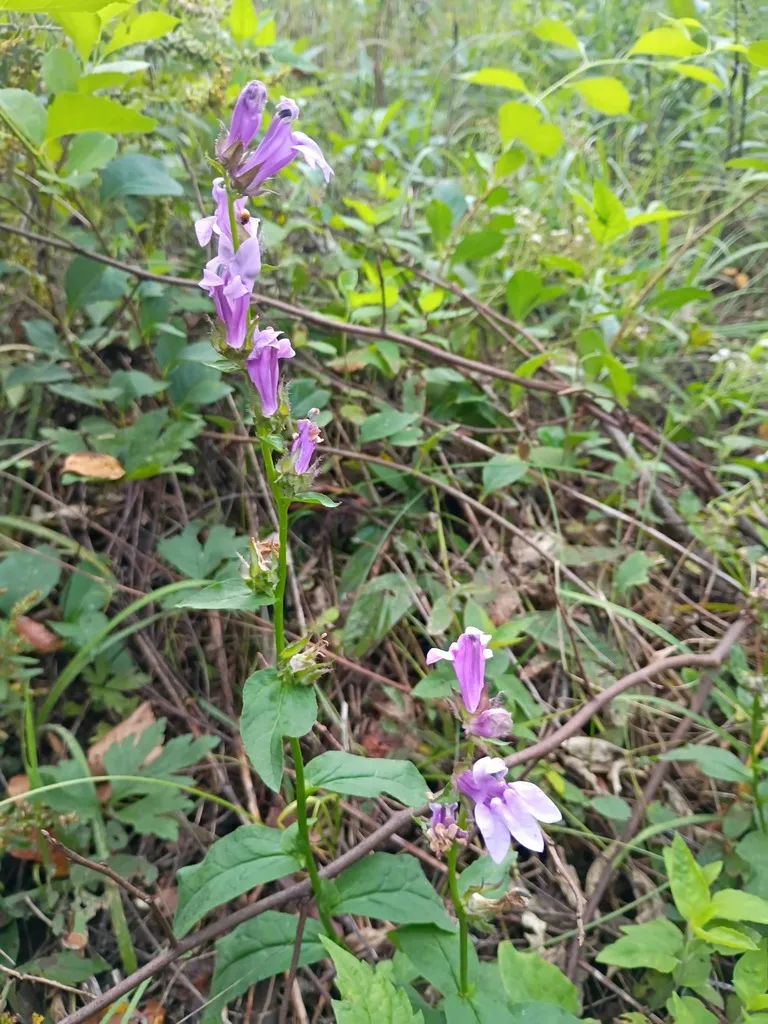
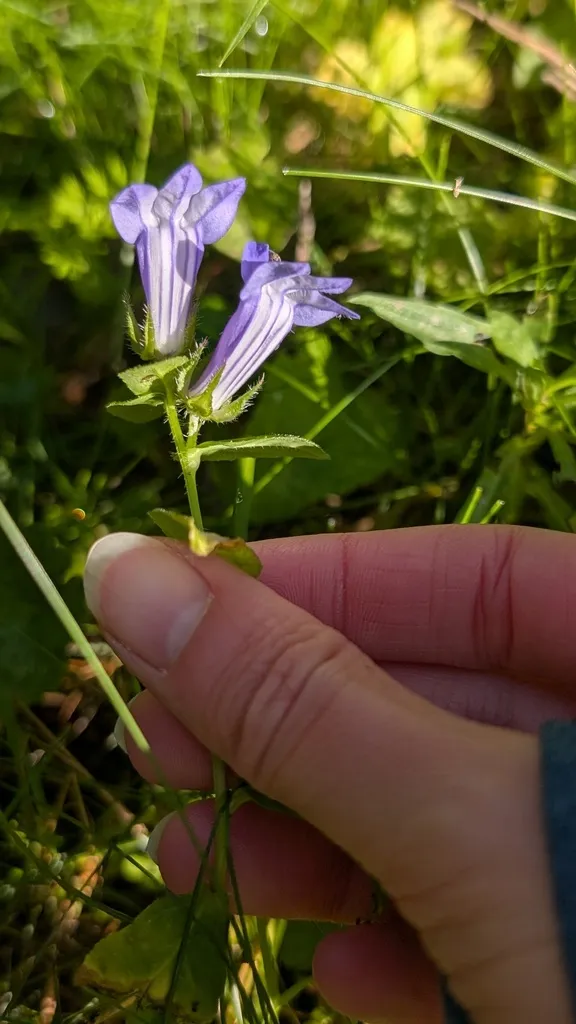
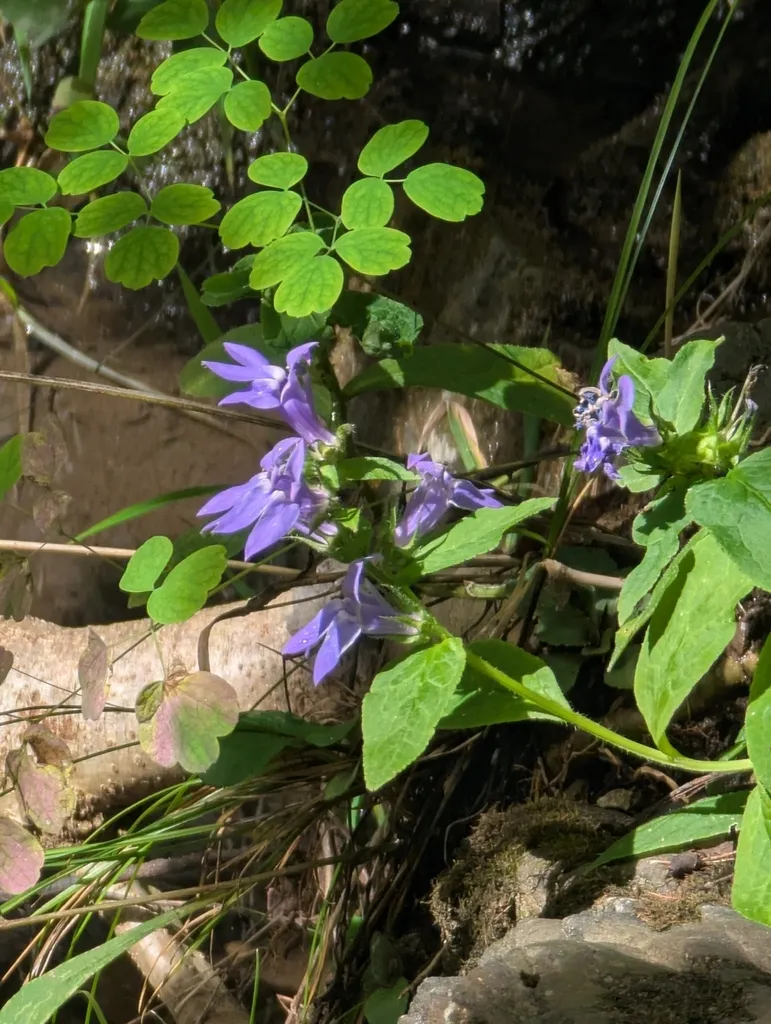
blue cardinal flower pictures
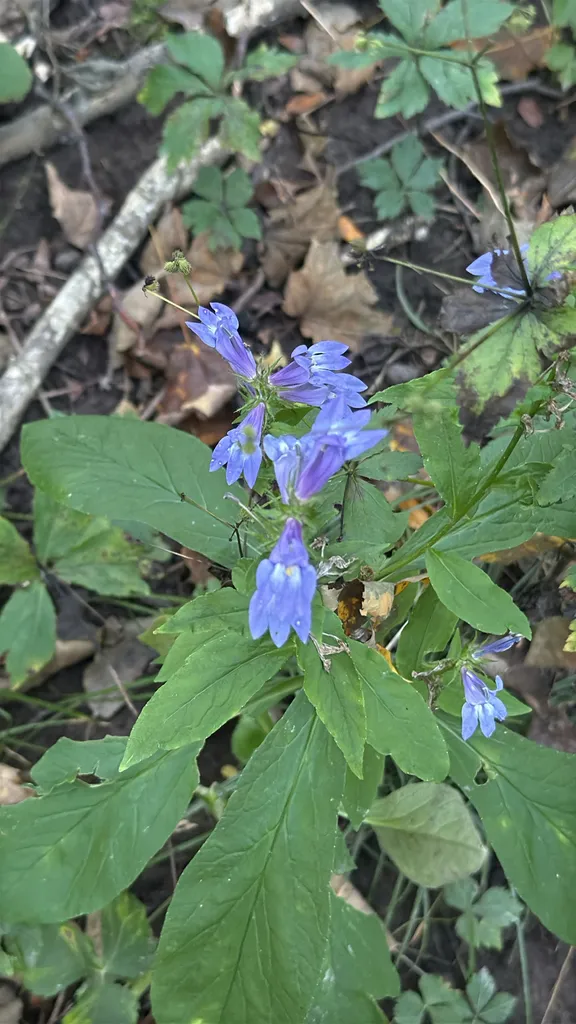
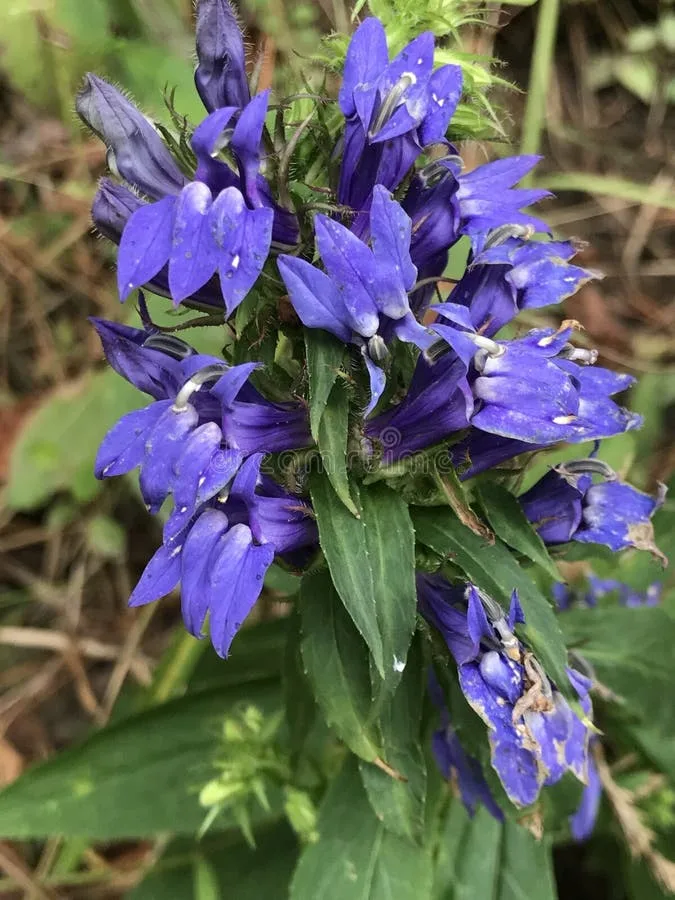
Distribution of blue cardinal flower
Distribution map
- Native
- Introduced
- Cultivated
Source:WCVP v16 · Royal Botanic Gardens, Kew · CC BY 3.0 · Boundaries:WGSRPD / TDWG
Toxicity
Harmful if eaten, skin irritant. Wear gloves and other protective equipment when handling]
blue cardinal flower care guide
- Maintain consistently damp soil, avoid severe drought during bloom cycle
- Watering
- Full sun · Partial shade
- Sunlight

Watering
Maintain consistently damp soil, avoid severe drought during bloom cycle
Fertilizing
 Fertilizing
Diluted wildflower feed every two weeks summer blooming season
Pruning
 Pruning
Cut down faded flower spikes in autumn
Propagation
 Propagation
Propagate by division of large clumps of plants every second year in the spring
Growing
 Growing
Plant in deep, fertile, reliably moist soil in sun or partial shade. Feed every 2 weeks with a balanced liquid fertilizer until midsummer and a low nitrogen fertilizer for the remainder of the growing season. Protect the crown of the plant during winter with a thick, dry mulch
Common pests and diseases
Diseases
May be susceptible to crown rot and a virus
Pests
May be susceptible to slugs
Explore the plant health library →




