
bog hypericum
Also known as: marsh hypericum; marsh St John's wort
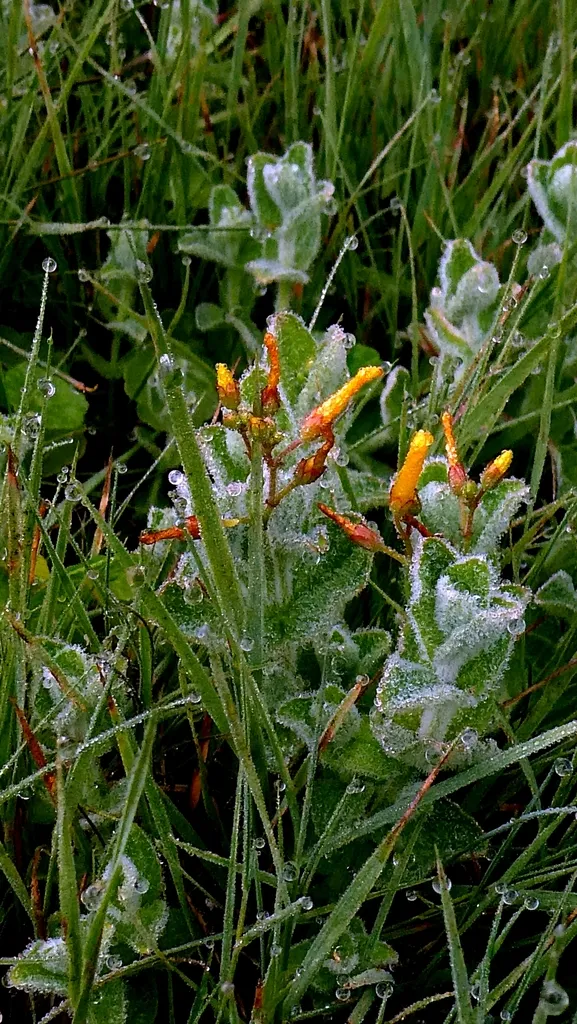
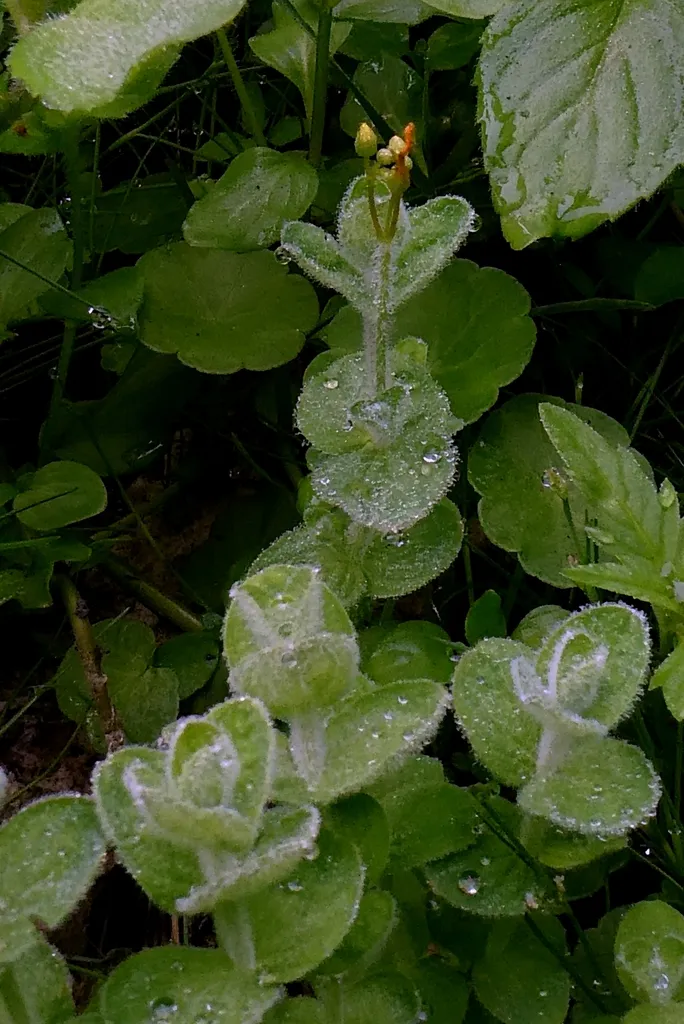
A marsh or submerged, creeping perennial to 15cm tall, with soft, densely woolly grey-green leaves to 1.5cm long. In summer it produces saucer-shaped, bright yellow flowers to 1cm across. Grow in a bog garden or at a pond margin
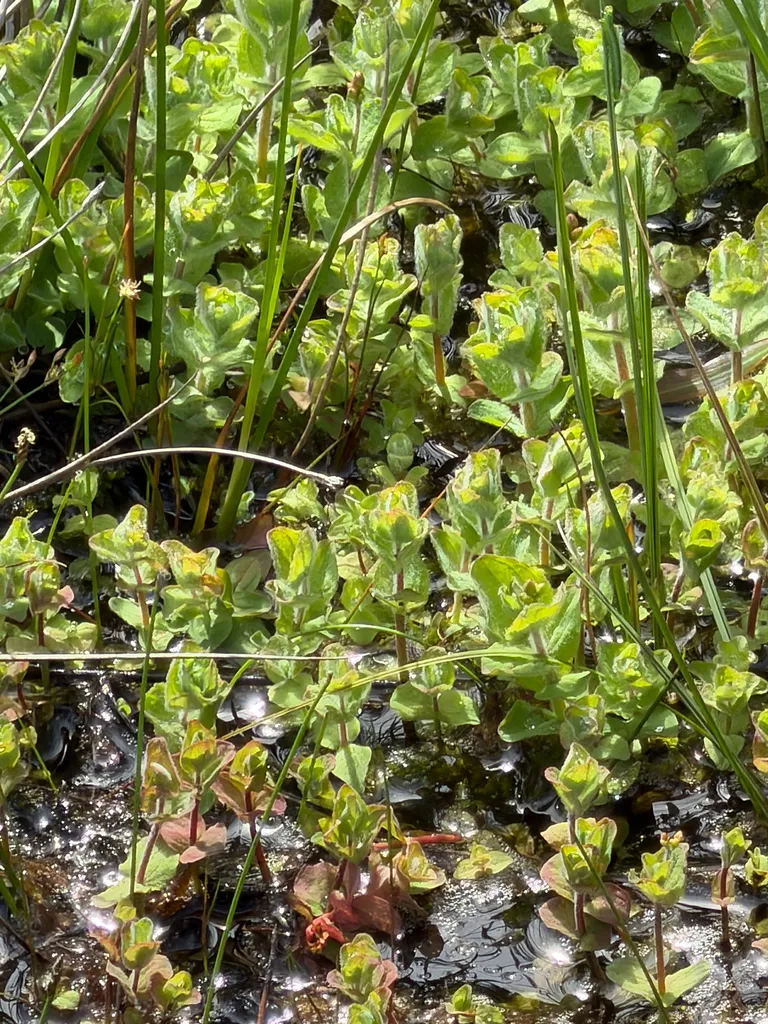
Scientific classification
- Species
- bog hypericum (Hypericum elodes)
- Genus
- Hypericum
- Family
- Hypericaceae
- Fruit are ornamental - not to be eaten. Wear gloves and other protective equipment when handling
- Toxicity
- Aquatic · Bogs
- Plant type
- 0.1-0.5 metres
- Height
- 0.1-0.5 metres
- Spread
- Deciduous
- Foliage
- Matforming
- Habit
- Spring · Summer · Autumn
- Season of interest
- Partial shade
- Sunlight
- Information to be completed
- Ideal temperature









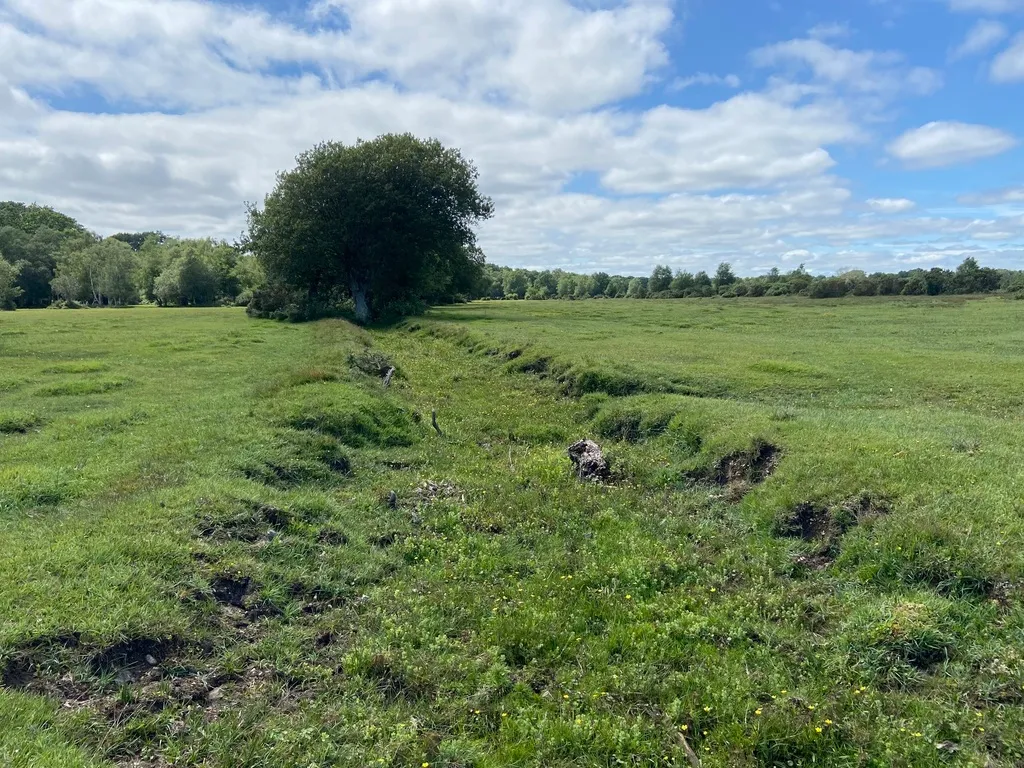
bog hypericum pictures
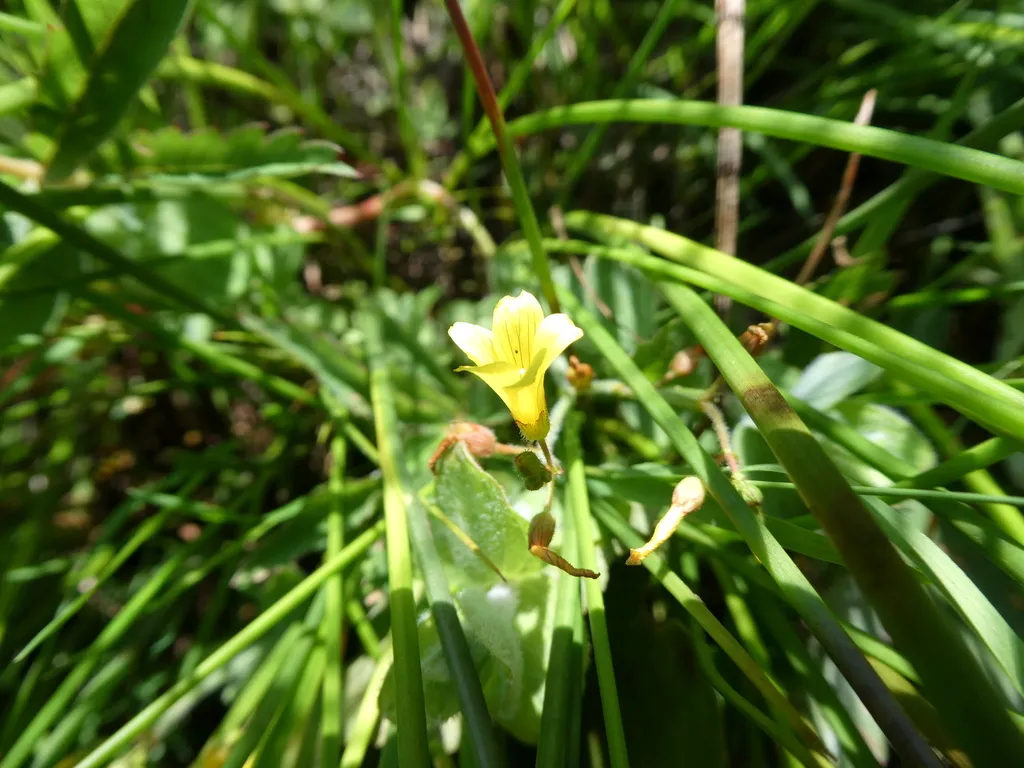
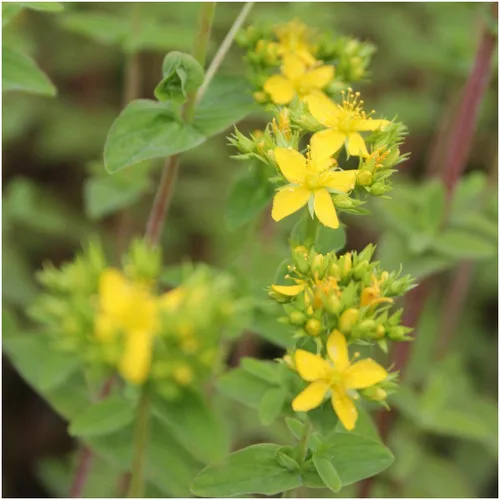
Distribution of bog hypericum
Distribution map
Western Europe
Information to be completed
Culture
Information to be completed
Toxicity
Fruit are ornamental - not to be eaten. Wear gloves and other protective equipment when handling
Quick identification of bog hypericum
Information to be completed
bog hypericum care guide
- Constant shallow water layer atop substrate, semi-aquatic bog habitat care
- Watering
- Partial shade
- Sunlight
- Information to be completed
- Ideal temperature

Watering
Constant shallow water layer atop substrate, semi-aquatic bog habitat care
Fertilizing
 Fertilizing
Weak aquatic plant feed every six weeks spring and summer growing time
Pruning
 Pruning
No pruning required
Propagation
 Propagation
Propagate by division in spring
Growing
 Growing
Grow at the shallow margins of a muddy-bottomed pool, in dappled shade. See pond plants and bog gardens for further advice
People also ask
Information to be completed
Common pests and diseases
Diseases
May be susceptible to a rust and honey fungus (rarely)
Pests
Generally pest-free
Explore the plant health library →




