
nine-leaved toothwort
Also known as: Information to be completed
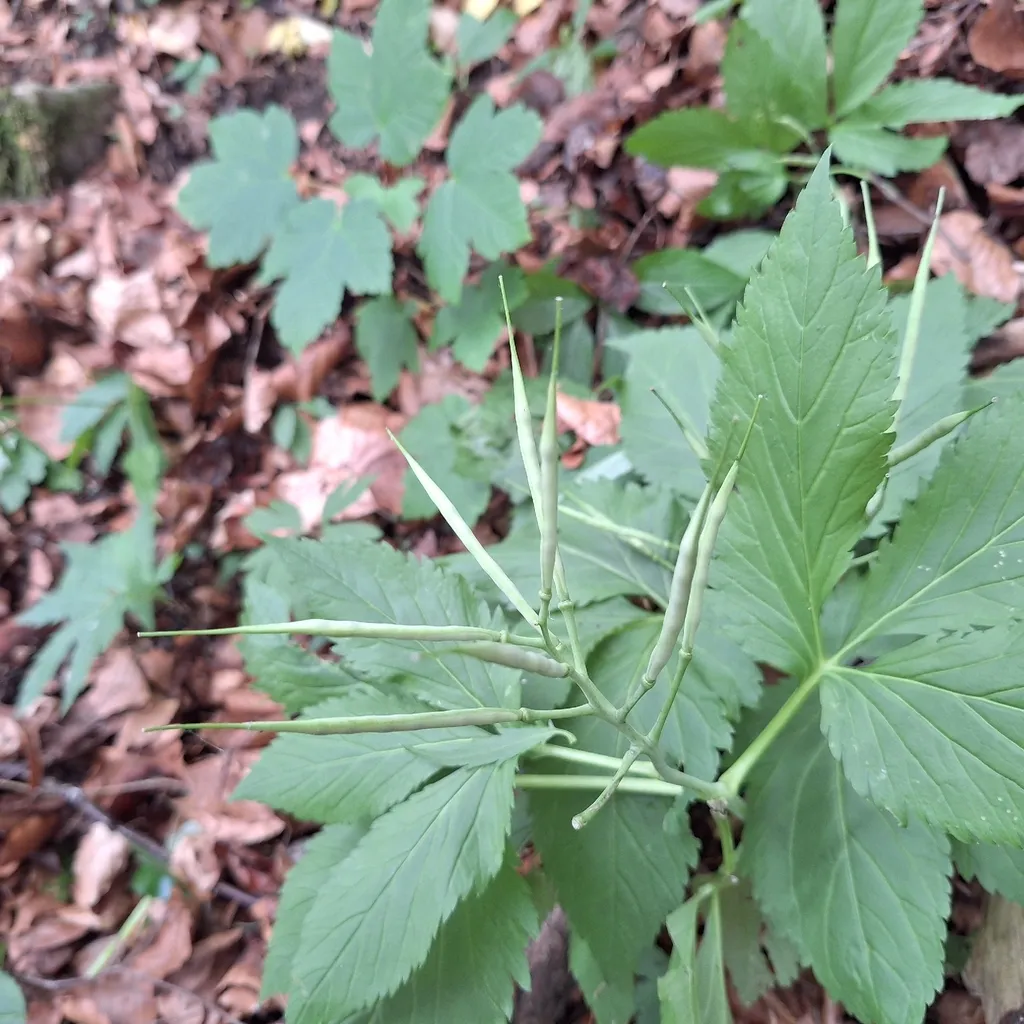
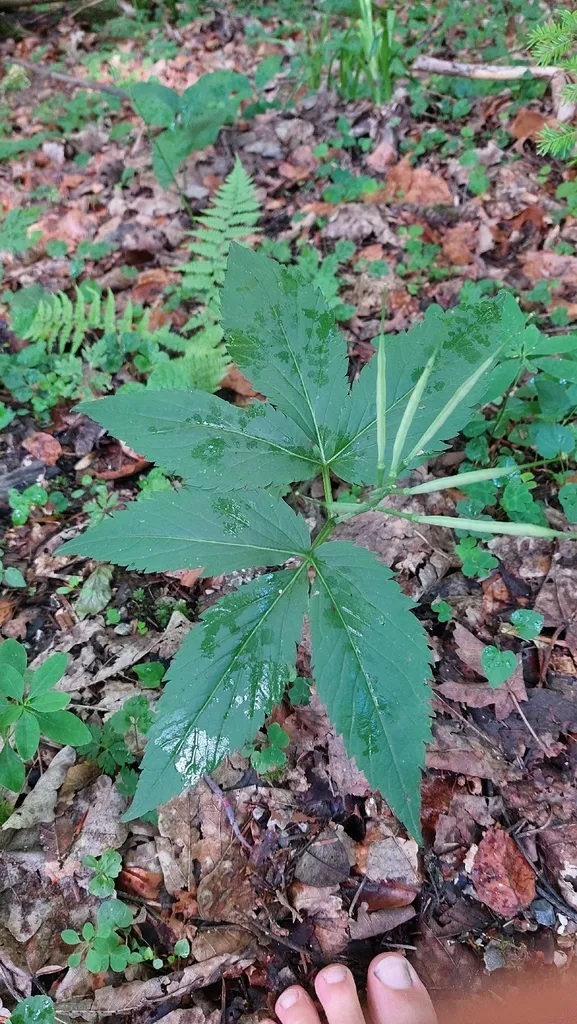
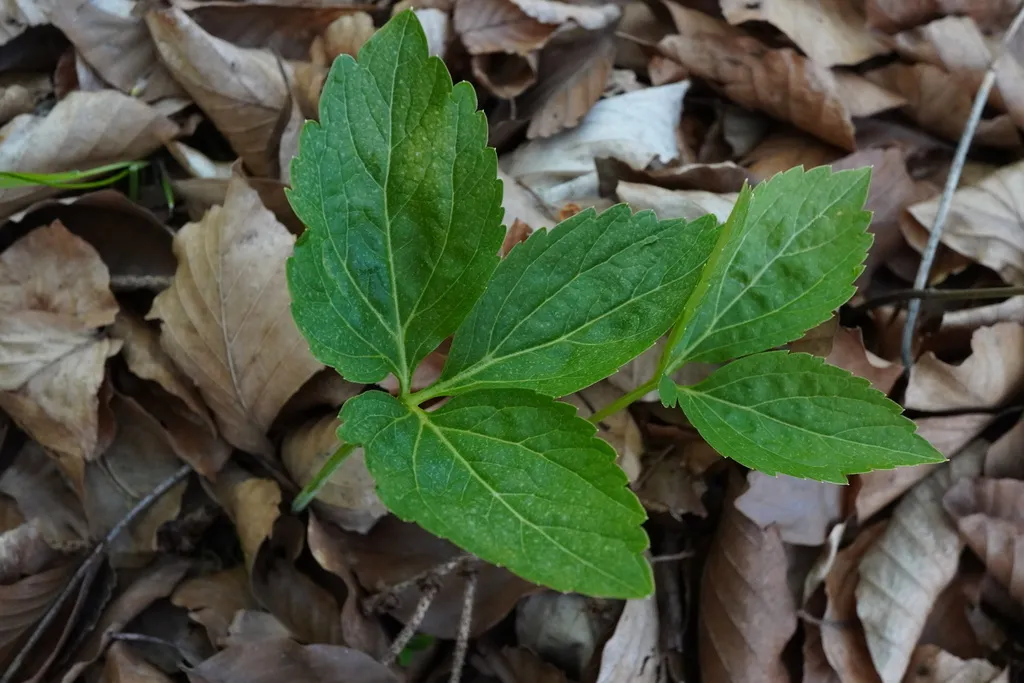
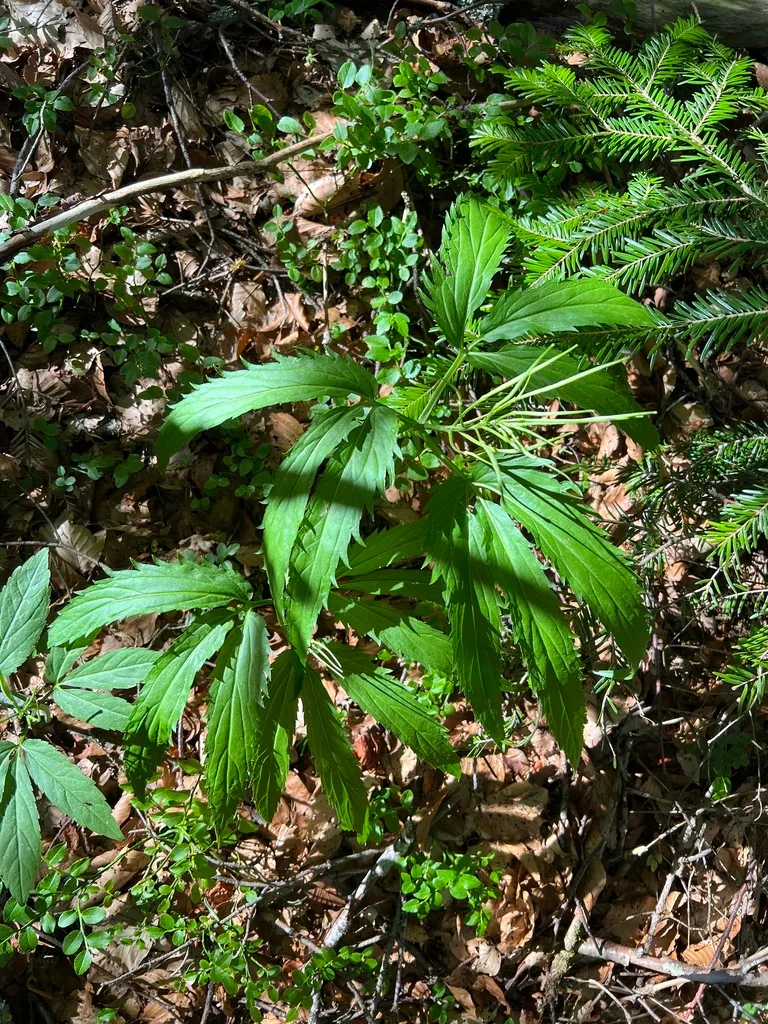
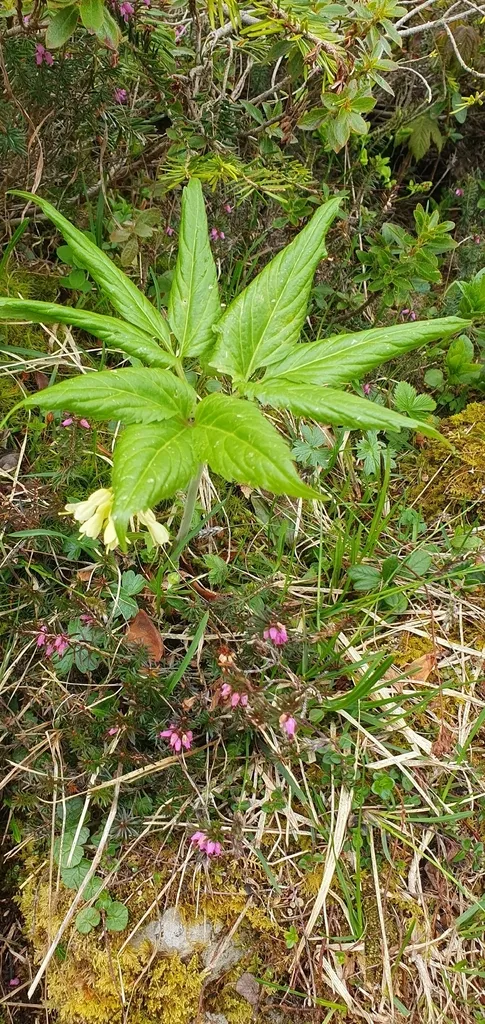
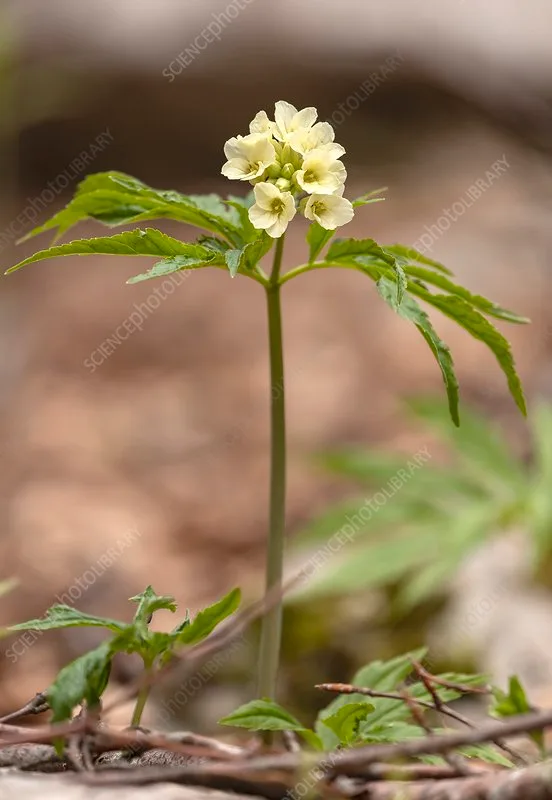
A spreading shade-loving perennial arising from rhizome roots. Mid-green divided leaves with four to six leaflets and serrated edges are produced in spring, followed by nodding white or pale-yellow flowers held above the foliage.
Scientific classification
- Species
- nine-leaved toothwort (Cardamine enneaphyllos)
- Genus
- Cardamine
- Family
- Brassicaceae
- Information to be completed
- Toxicity
- Herbaceous Perennial
- Plant type
- 0.1-0.5 metres
- Height
- 0.5-1 metres
- Spread
- Deciduous
- Foliage
- Information to be completed
- Habit
- Spring
- Season of interest
- Full shade · Partial shade
- Sunlight
- Information to be completed
- Ideal temperature









nine-leaved toothwort pictures
Distribution of nine-leaved toothwort
Distribution map
Southeastern Europe
Information to be completed
Culture
Information to be completed
Toxicity
Information to be completed
Quick identification of nine-leaved toothwort
Information to be completed
nine-leaved toothwort care guide
- Moderate regular watering, avoid prolonged drought or waterlogging
- Watering
- Full shade · Partial shade
- Sunlight
- Information to be completed
- Ideal temperature

Watering
Moderate regular watering, avoid prolonged drought or waterlogging
Fertilizing
 Fertilizing
Balanced feed in spring and light repeat in growth season
Pruning
 Pruning
No pruning required
Propagation
 Propagation
Propagate from seed sown in containers in spring or autumn. Propagate by division after flowering in late spring/early summer.
Growing
 Growing
Grow in soil moist soil, rich in organic matter, in full or partial shade.
People also ask
Information to be completed
Common pests and diseases
Diseases
Generally disease-free
Pests
May be susceptible to flea beetles and aphids
Explore the plant health library →




