
Jacob's coat
Also known as: beefsteak plant; copperleaf
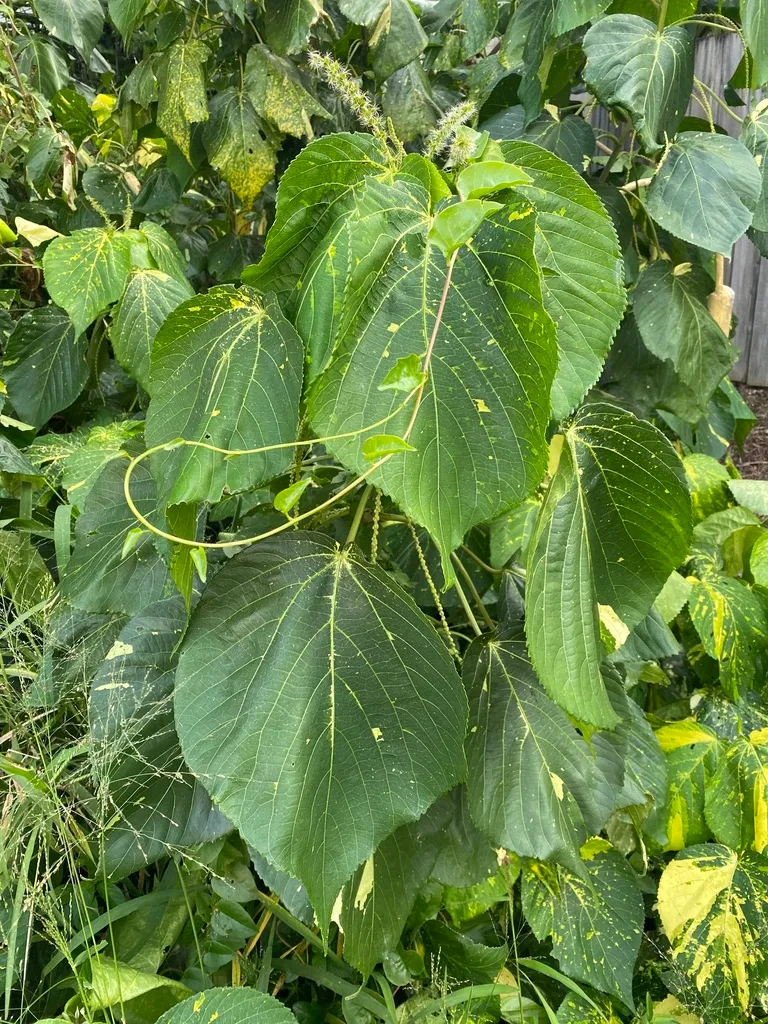
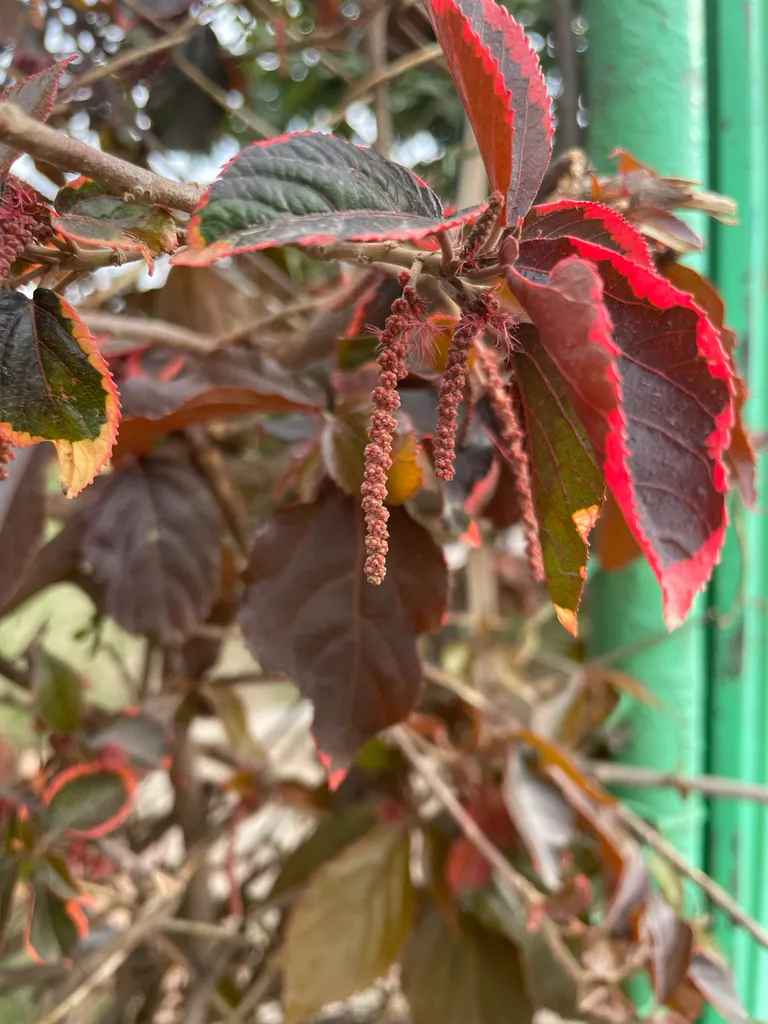
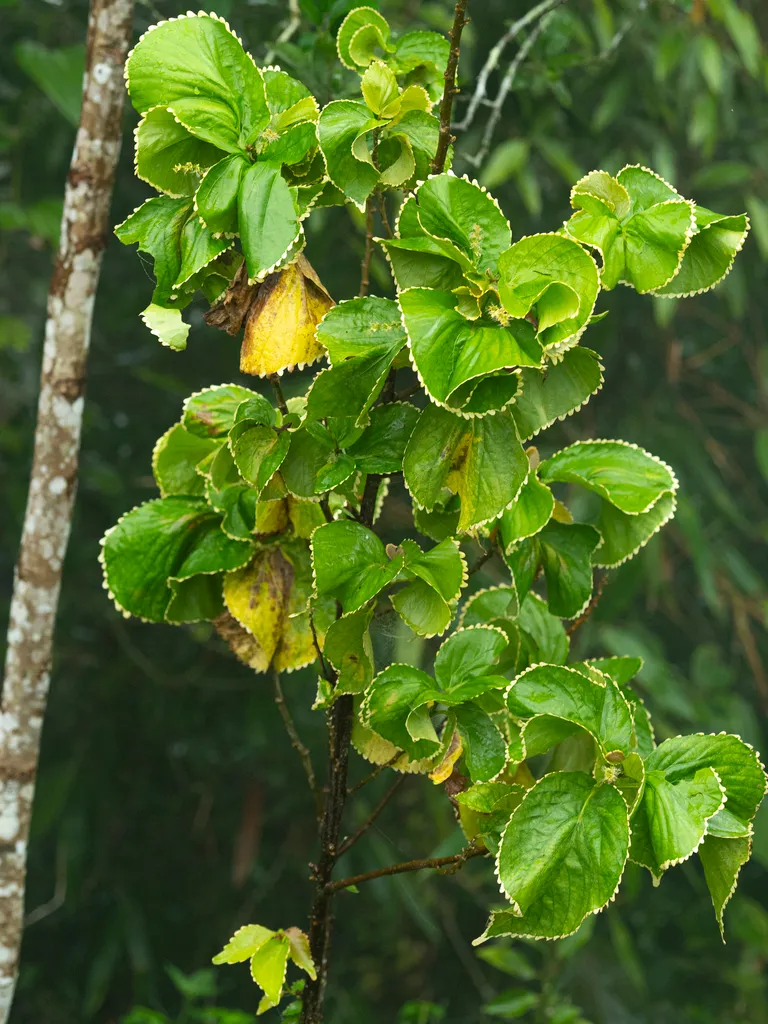
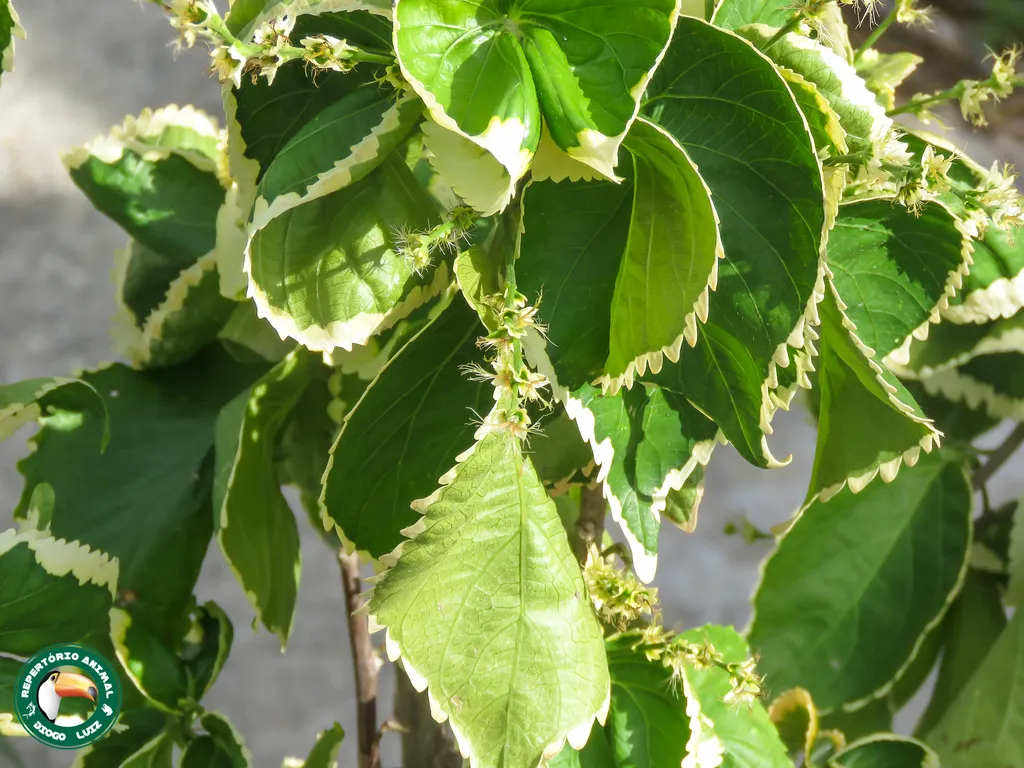
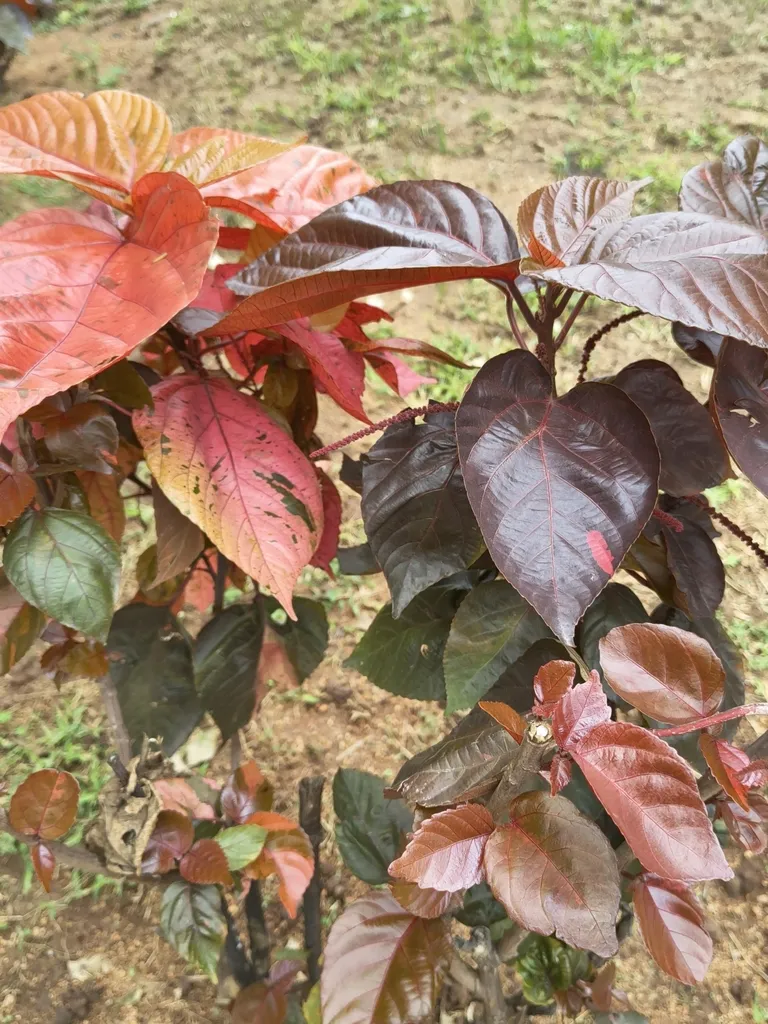
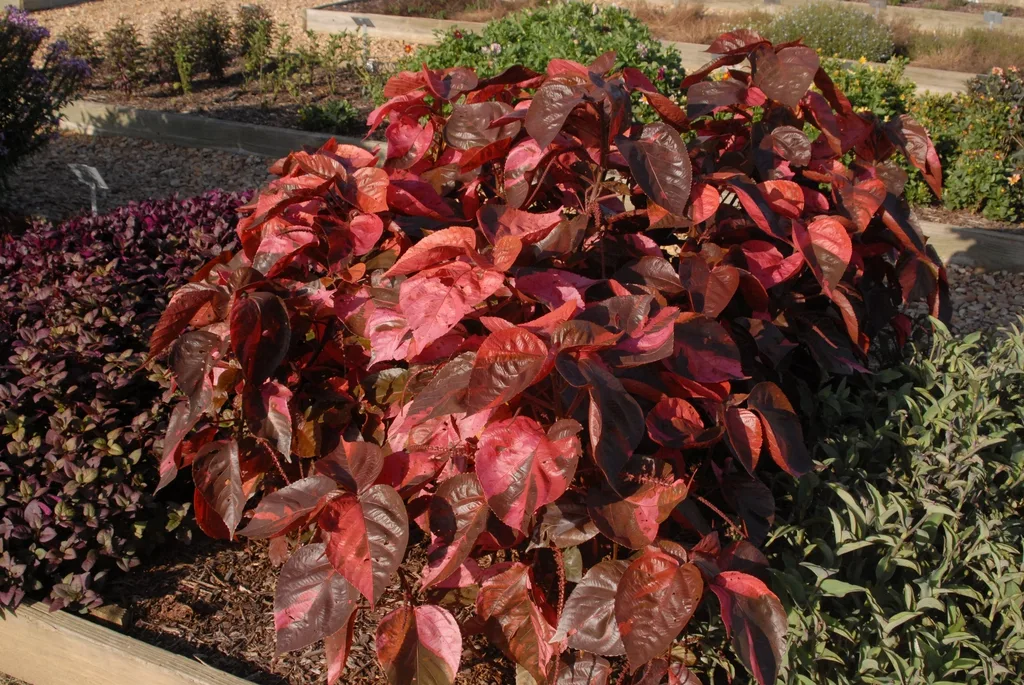
A tropical, evergreen shrub grown as a house or conservatory plant. It has multi-coloured, variegated and mottled leaves in shades of green, white, yellow and pink. Long green or bronze flower catkins may sometimes be produced. In their native environment plants may reach 2m in height
Scientific classification
- Species
- Jacob's coat (Acalypha wilkesiana)
- Genus
- Acalypha
- Family
- Euphorbiaceae
- Order
- Malpighiales
- Class
- Magnoliopsida
- Phylum
- Magnoliophyta
- Information to be completed
- Toxicity
- Shrubs
- Plant type
- 1-1.5 metres
- Height
- 1-1.5 metres
- Spread
- Evergreen
- Foliage
- Bushy
- Habit
- Spring · Summer · Autumn · Winter
- Season of interest
- Full sun · Partial shade
- Sunlight
- Information to be completed
- Ideal temperature









Jacob's coat pictures
Distribution of Jacob's coat
Distribution map
- Native
- Introduced
- Cultivated
Source:WCVP v16 · Royal Botanic Gardens, Kew · CC BY 3.0 · Boundaries:WGSRPD / TDWG
Jacob's coat care guide
- Moderate regular watering, avoid prolonged drought or waterlogging
- Watering
- Full sun · Partial shade
- Sunlight

Watering
Moderate regular watering, avoid prolonged drought or waterlogging
Fertilizing
 Fertilizing
Balanced feed in spring and light repeat in growth season
Pruning
 Pruning
Routine pruning is unnecessary; shorten overlong shoots to fit the available space. For last-year flowering growth, prune after flowering; for current-year flowering growth, prune in late winter or spring. This guidance is for established plants.
Propagation
 Propagation
Propagate by softwood cuttings in summer or semi-hardwood cuttings in late summer
Growing
 Growing
Grow under glass or indoors in a loamless potting compost in full or filtered light. When in growth water freely and apply a balanced liquid feed monthly. Water sparingly in winter, keeping barely moist. Plants can be moved to dappled shade on the patio during summer
Common pests and diseases
Diseases
Generally disease-free
Pests
May be susceptible to glasshouse whitefly, glasshouse red spider mite, mealybugs and scale insects
Explore the plant health library →




