
edible hibiscus
Also known as: aibika
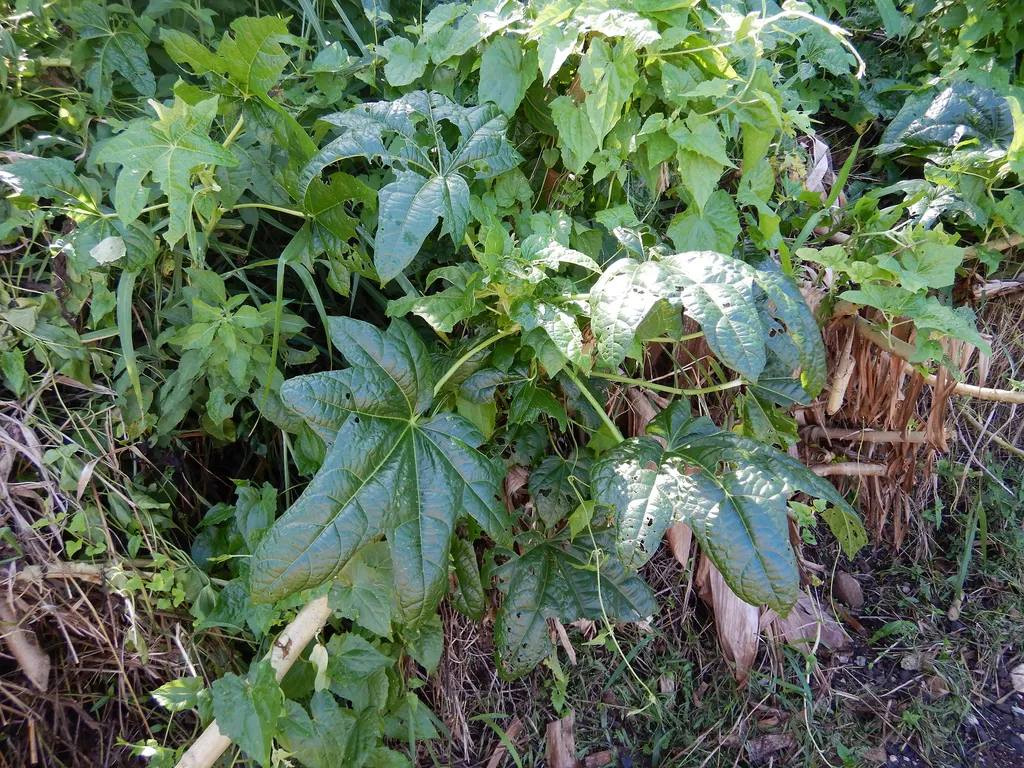
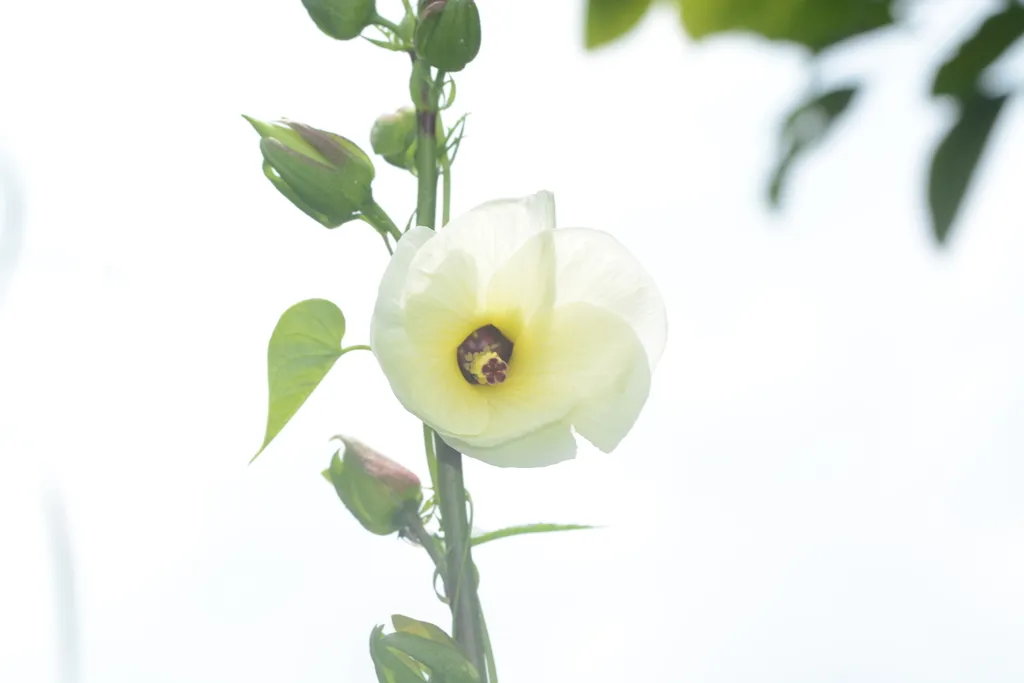
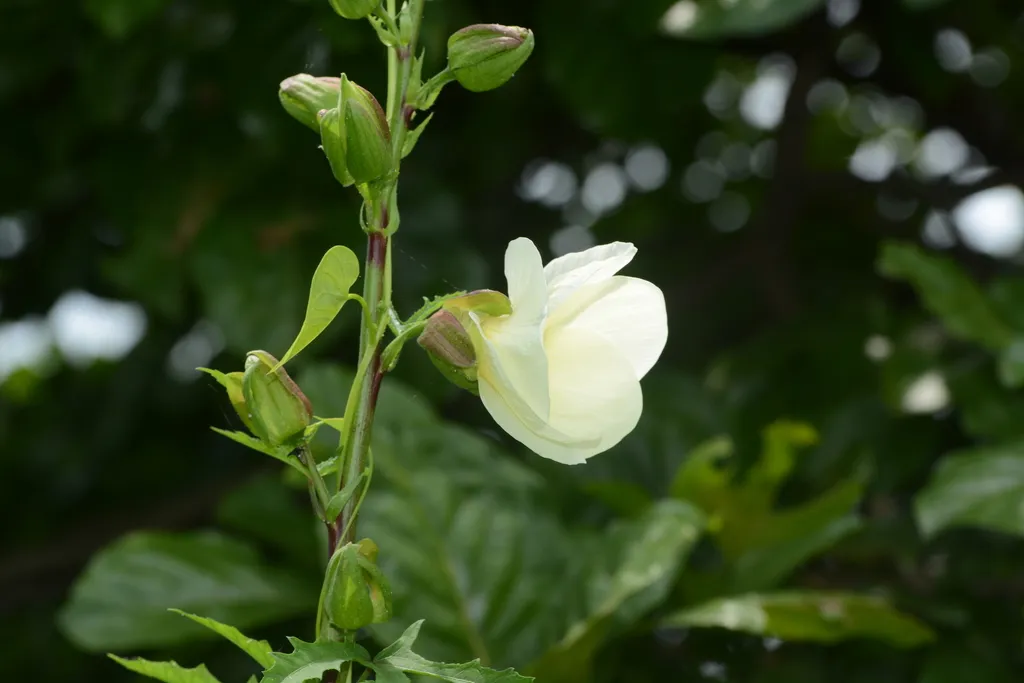
A tropical perennial normally grown as an annual in temperate areas, producing a large clump of five- or seven-fingered leaves. The flowers, in spires, open one at a time and are up to 15cm across, lemon yellow with a dark purple eye. They are followed by green, hairy seed pods
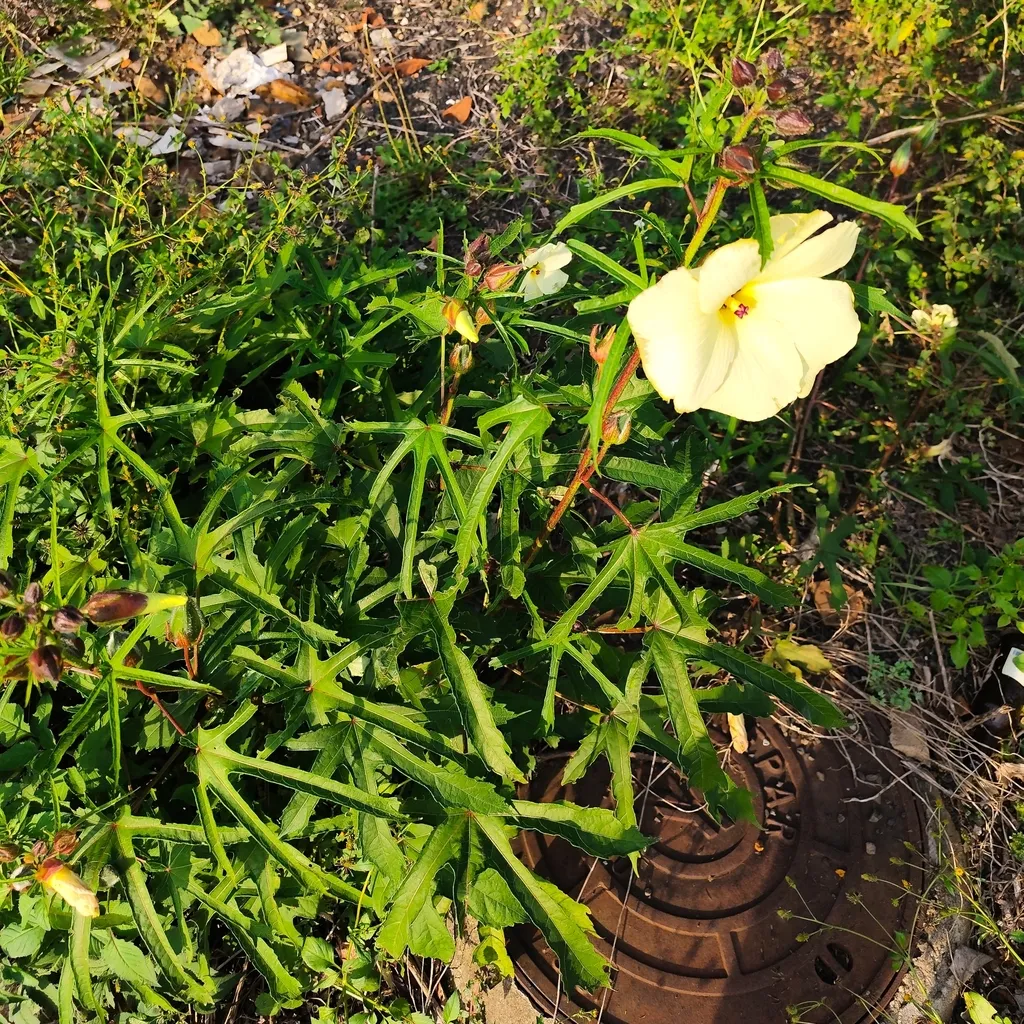
Scientific classification
- Species
- edible hibiscus (Abelmoschus manihot)
- Genus
- Abelmoschus
- Family
- Malvaceae
- Information to be completed
- Toxicity
- Herbaceous Perennial · Annual Biennial
- Plant type
- 1.5-2.5 metres
- Height
- 0.5-1 metres
- Spread
- Deciduous
- Foliage
- Bushy
- Habit
- Summer · Autumn
- Season of interest
- Full sun
- Sunlight
- Information to be completed
- Ideal temperature









edible hibiscus pictures
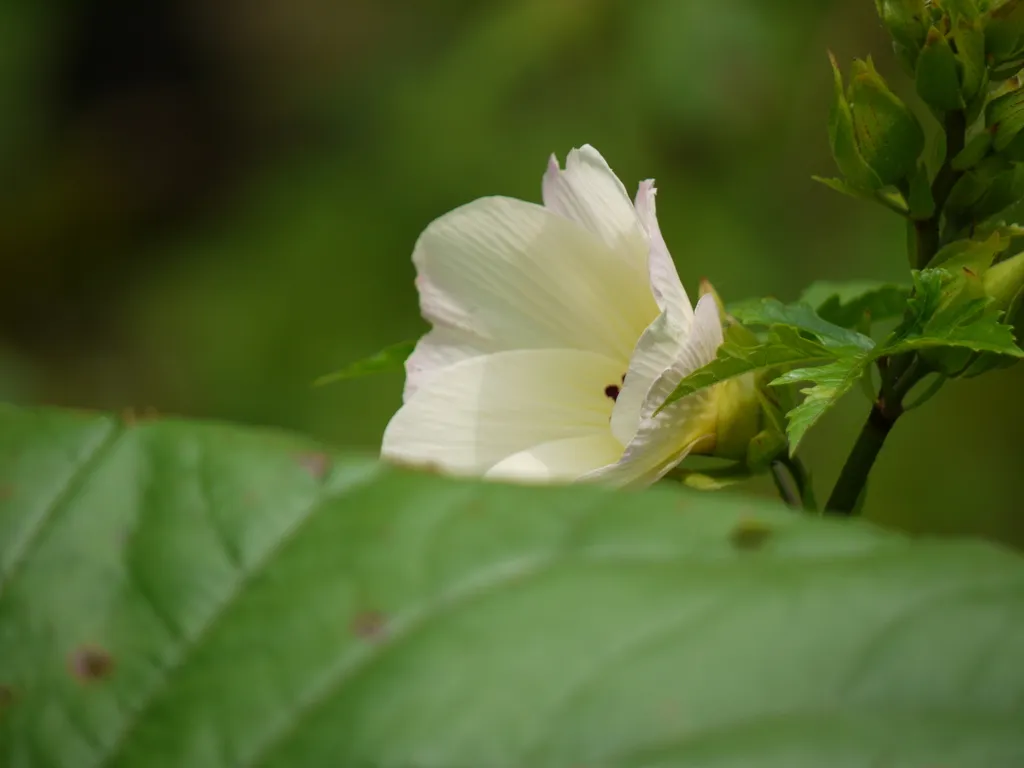
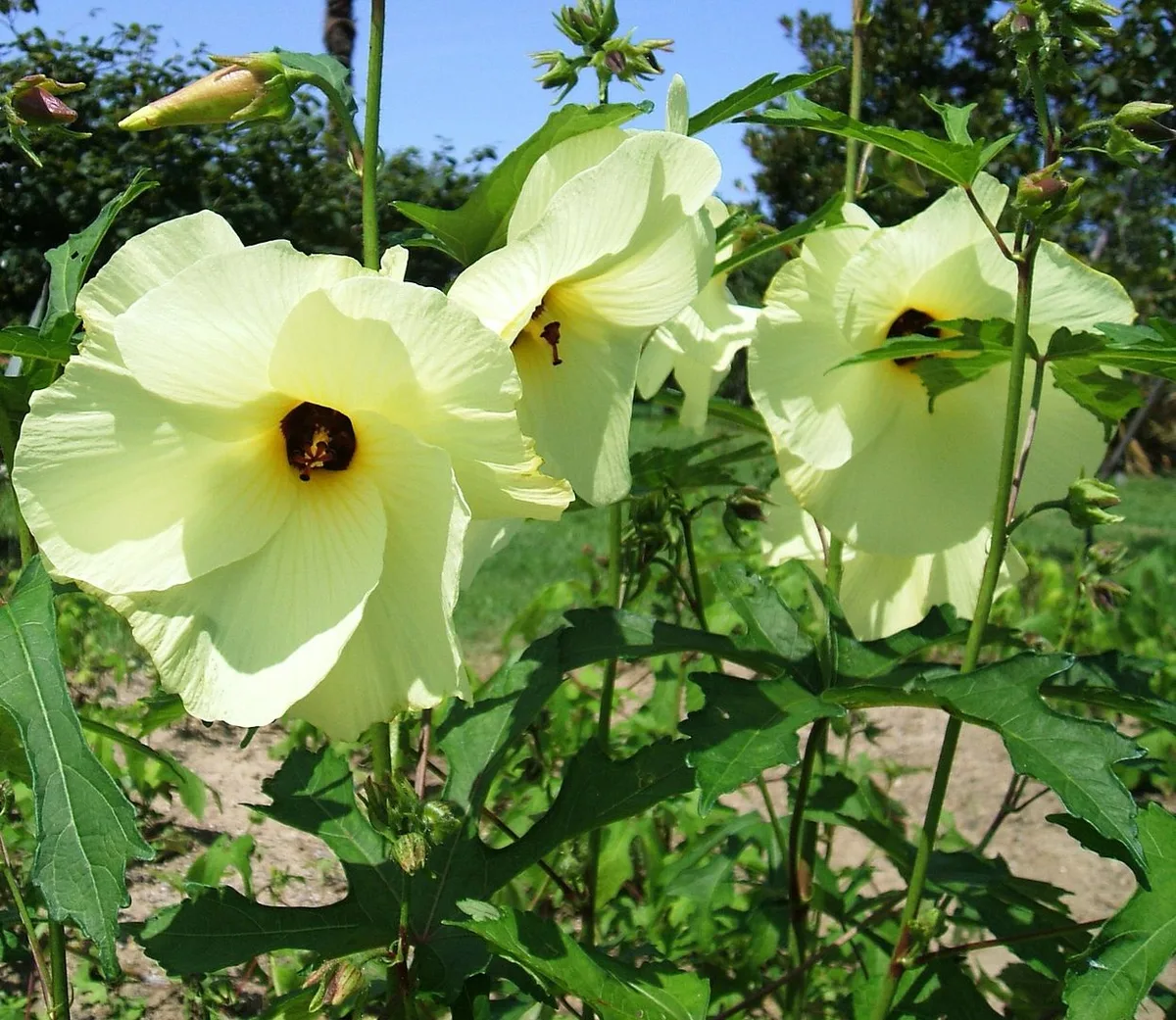
Distribution of edible hibiscus
Distribution map
Southeastern Asia
Information to be completed
Culture
Information to be completed
Toxicity
Information to be completed
Quick identification of edible hibiscus
Information to be completed
edible hibiscus care guide
- Moderate regular watering, allowing brief slight drying between soakings
- Watering
- Full sun
- Sunlight
- Information to be completed
- Ideal temperature

Watering
Moderate regular watering, allowing brief slight drying between soakings
Fertilizing
 Fertilizing
Balanced perennial feed every four weeks from spring through summer
Pruning
 Pruning
Cut back stems as they finish flowering
Propagation
 Propagation
Propagate by seed, or by softwood cuttings in early summer
Growing
 Growing
Start off under glass and plant out in a sunny, sheltered position with well-drained, fertile soil, after all frost risk has passed
People also ask
Information to be completed
Common pests and diseases
Diseases
Susceptible to powdery mildews
Pests
May be affected by slugs, snails, glasshouse red spider mite and glasshouse whitefly
Explore the plant health library →




