
Japanese monk's hood
Also known as: Information to be completed
A clump-forming, upright perennial to around 1m tall with deeply divided, glossy dark green leaves to 16cm long. Panicles of hooded, deep blue flowers are borne in late summer
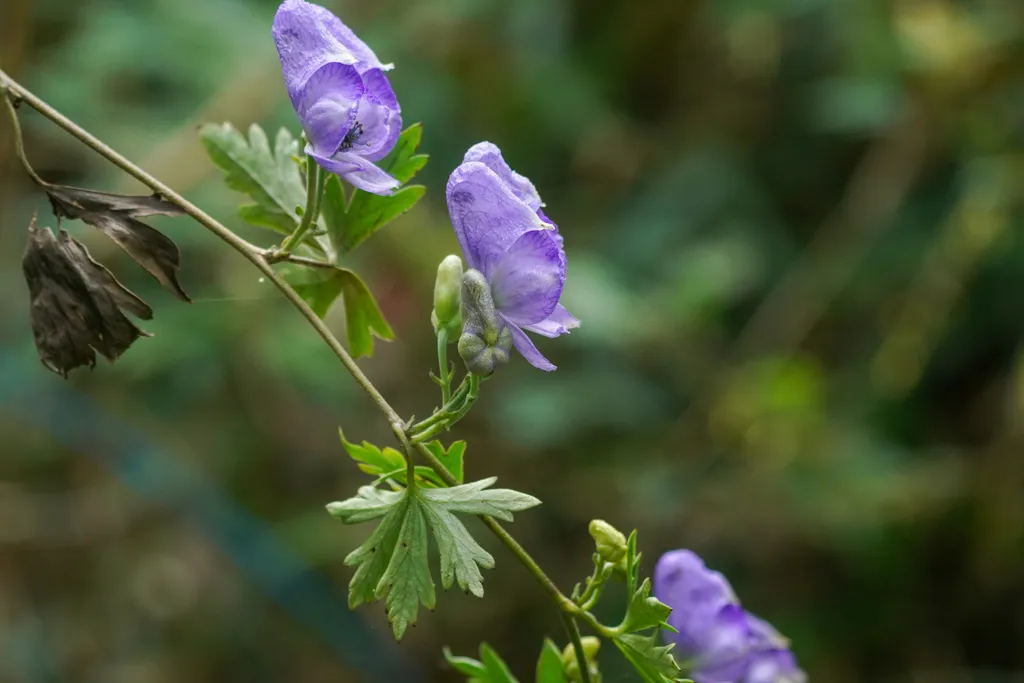
Scientific classification
- Species
- Japanese monk's hood (Aconitum japonicum)
- Genus
- Aconitum
- Family
- Ranunculaceae
- Order
- Ranunculales
- Class
- Magnoliopsida
- Phylum
- Magnoliophyta
- TOXIC if eaten, avoid skin contact. Wear gloves and other protective equipment when handling]
- Toxicity
- Herbaceous Perennial
- Plant type
- 0.5-1 metres
- Height
- 0.1-0.5 metres
- Spread
- Deciduous
- Foliage
- Clump forming
- Habit
- Spring · Summer · Autumn
- Season of interest
- Full sun · Partial shade
- Sunlight
- Information to be completed
- Ideal temperature









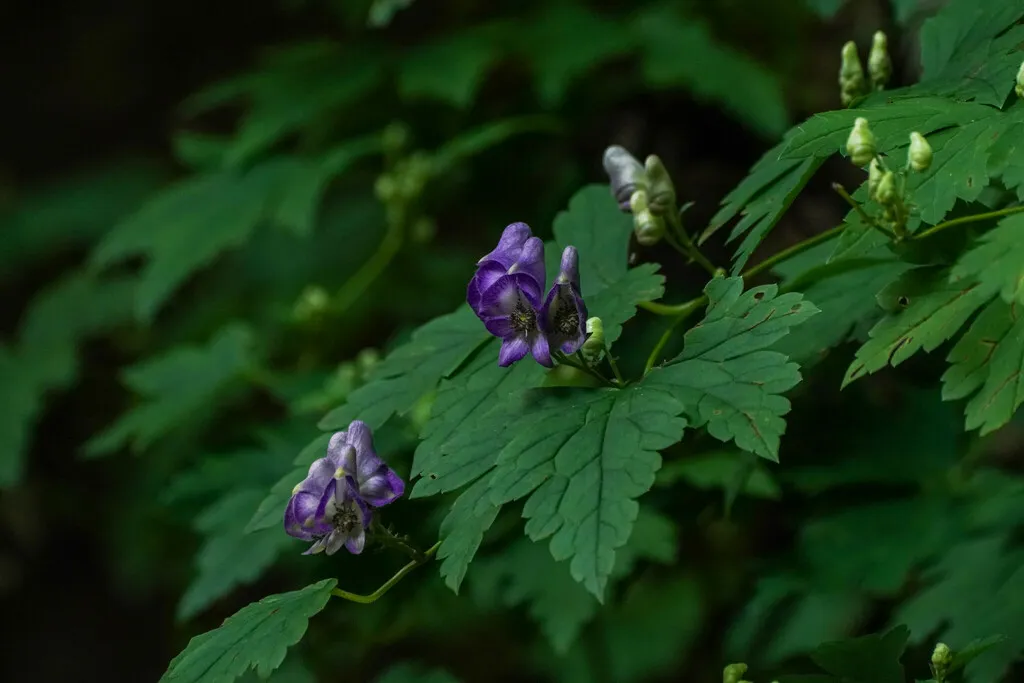
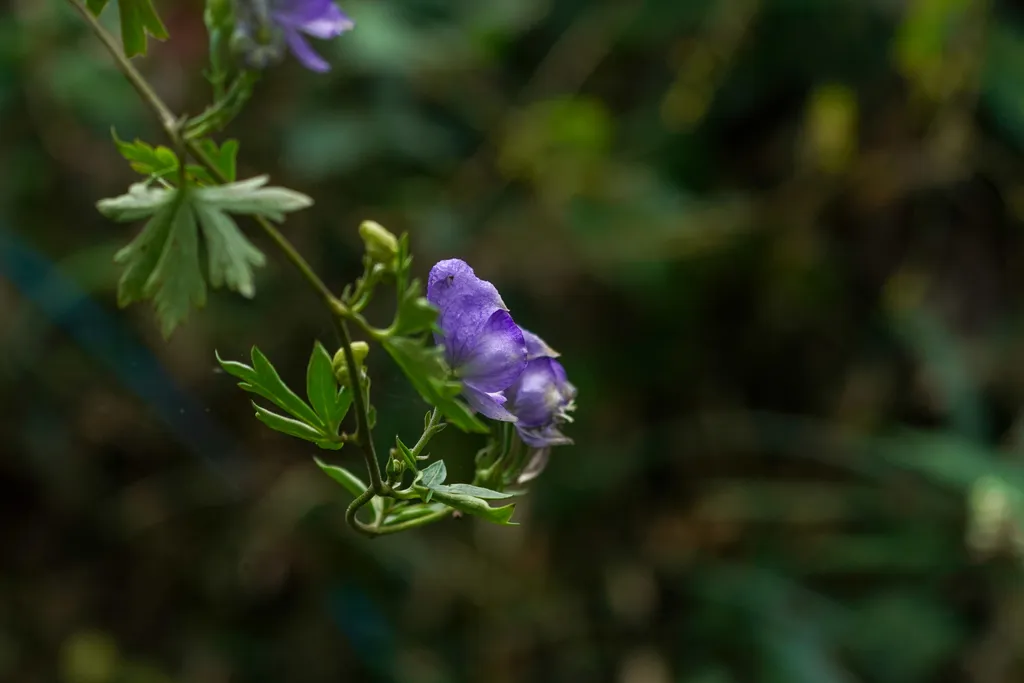
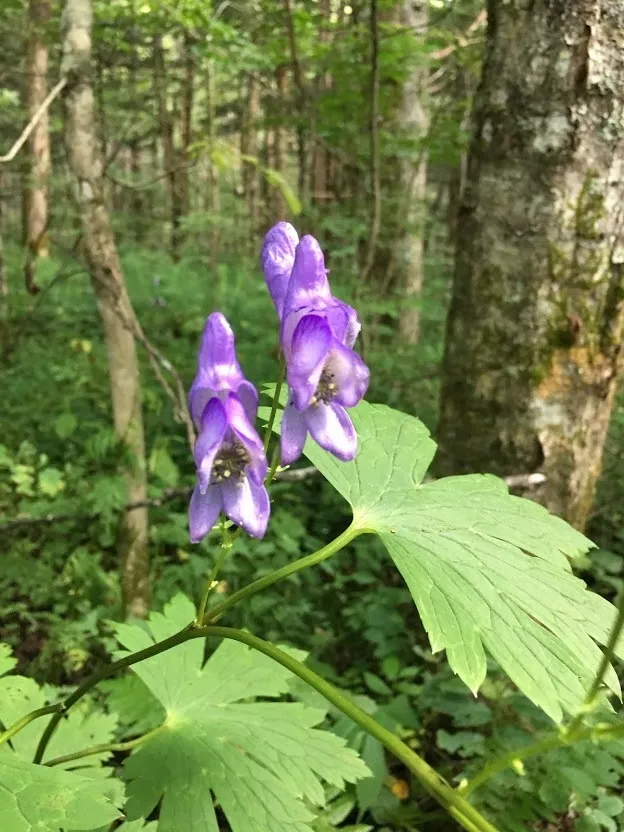
Japanese monk's hood pictures
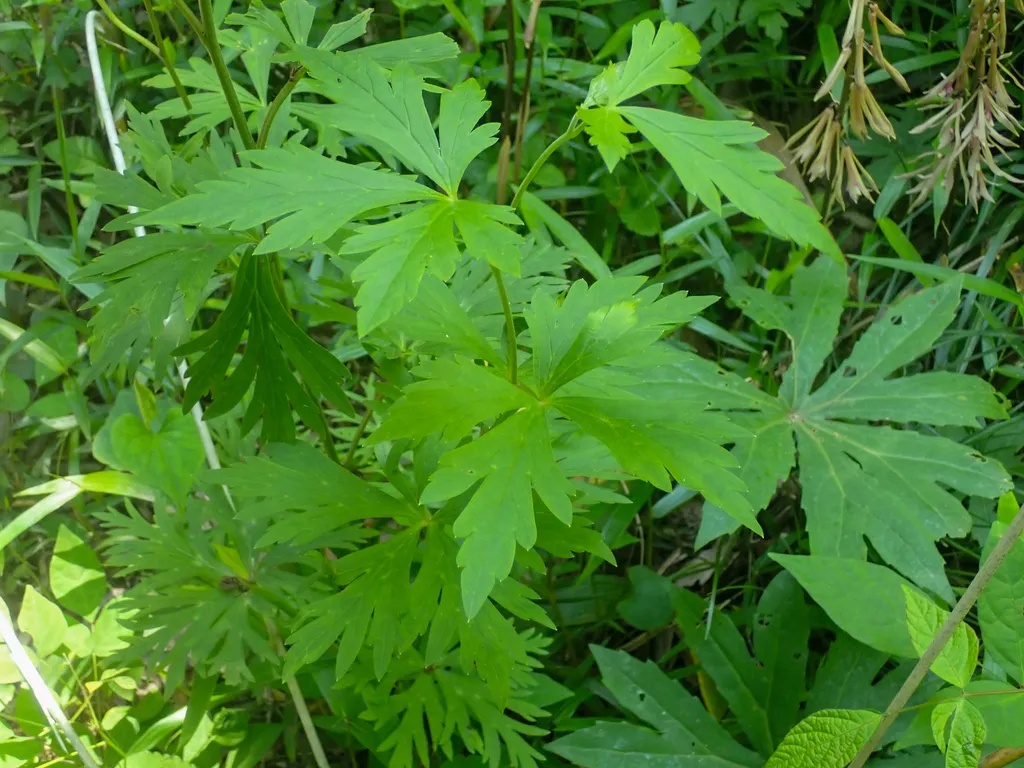
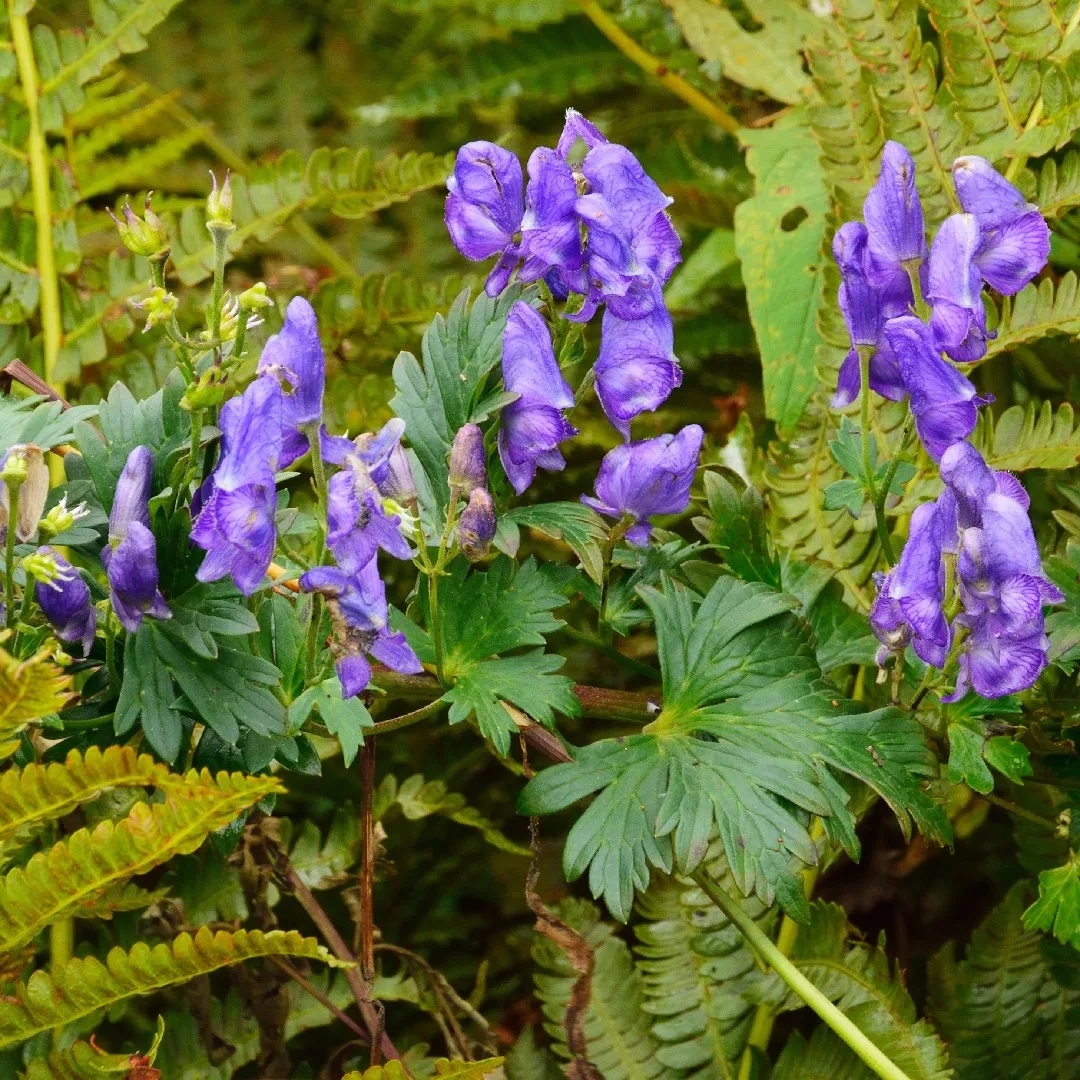
Distribution of Japanese monk's hood
Distribution map
- Native
- Introduced
- Cultivated
Source:WCVP v16 · Royal Botanic Gardens, Kew · CC BY 3.0 · Boundaries:WGSRPD / TDWG
Toxicity
TOXIC if eaten, avoid skin contact. Wear gloves and other protective equipment when handling]
Japanese monk's hood care guide
- Moderate regular watering, avoid prolonged drought and stagnant waterlogging
- Watering
- Full sun · Partial shade
- Sunlight

Watering
Moderate regular watering, avoid prolonged drought and stagnant waterlogging
Fertilizing
 Fertilizing
Balanced perennial feed every four weeks spring through summer growth
Pruning
 Pruning
No pruning required except cutting back dead stems; use protective gloves
Propagation
 Propagation
Divide in autumn or late winter to maintain vigour, although plants can be slow to re-establish. Use gloves when handling plants
Growing
 Growing
Best grown in moisture-retentive fertile soil in partial shade but sun and most soils are tolerated
Common pests and diseases
Diseases
May be susceptible to fungal stem rot, powdery mildews, and Verticillium wilt
Pests
May be susceptible to aphids
Explore the plant health library →




