
gold dust
Also known as: gold basket; golden tuft; rock madwort; eastern madwort; yellow alyssum
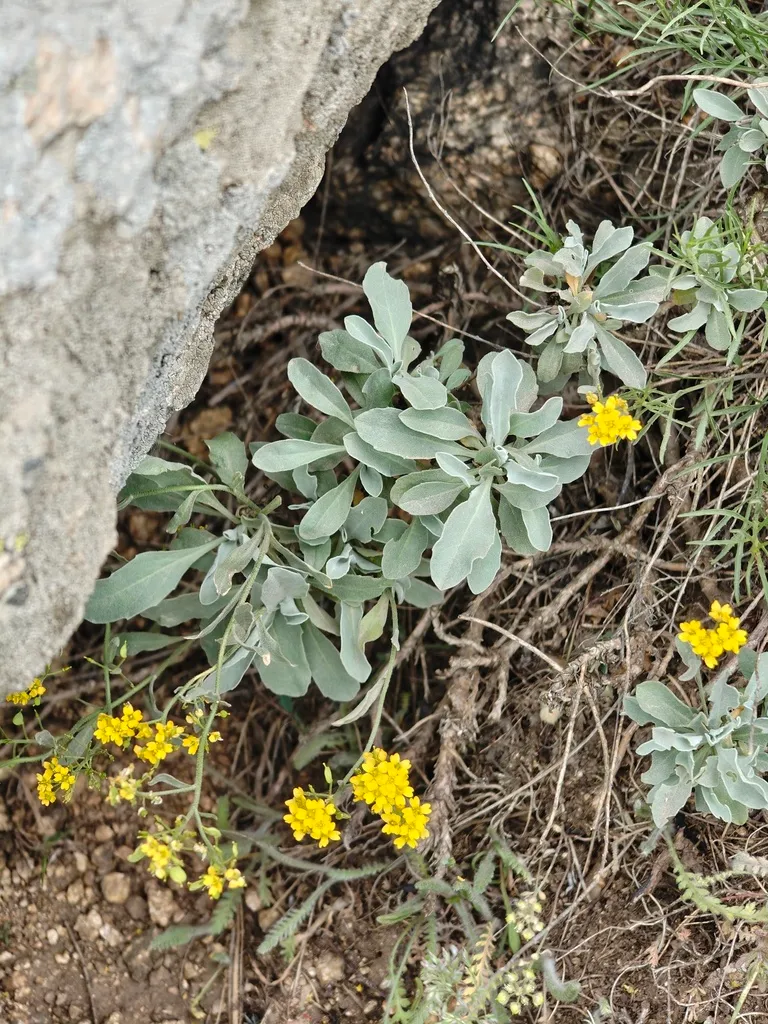
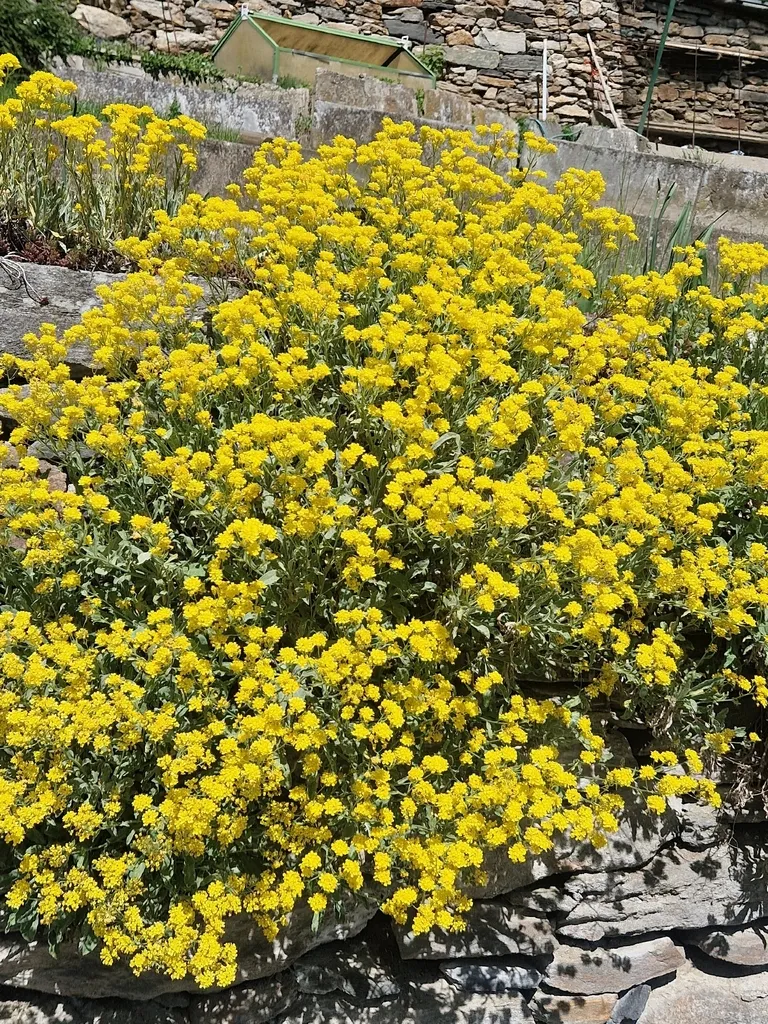
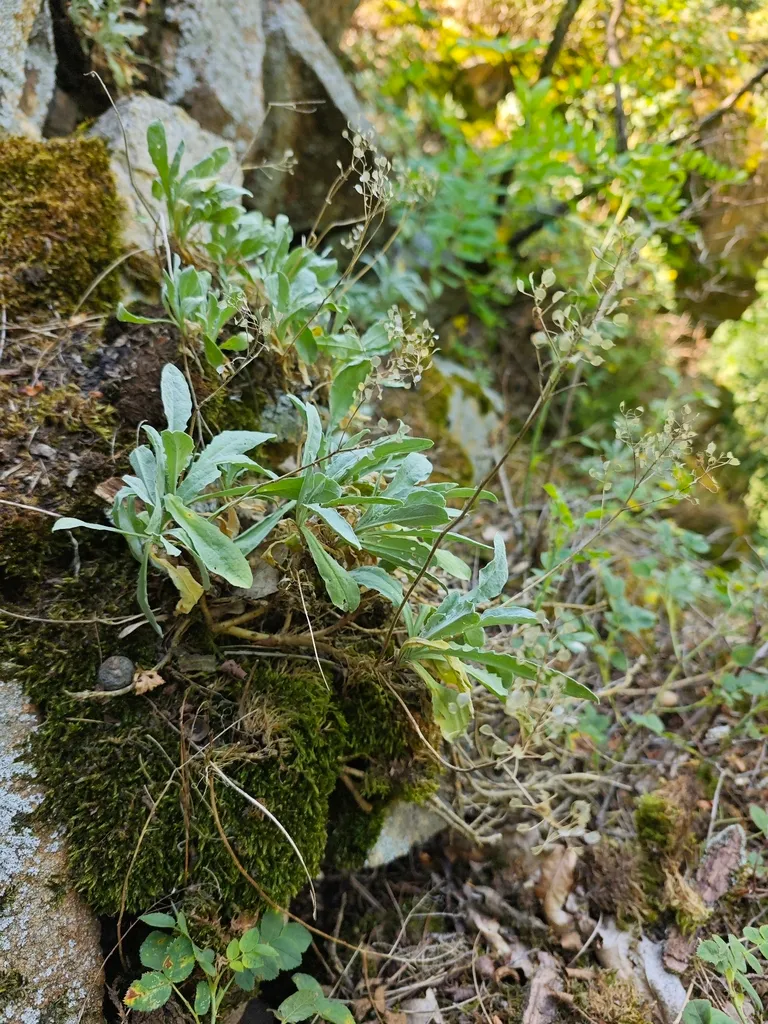
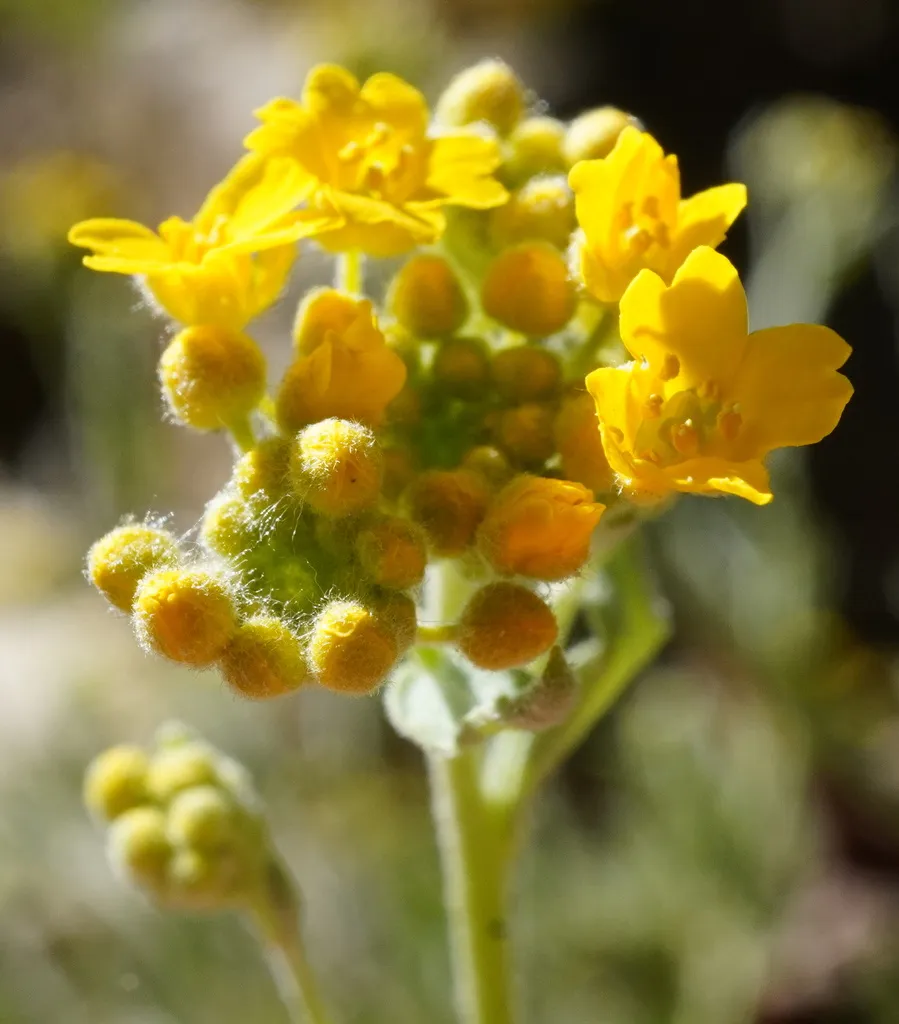
An evergreen perennial to 20cm, forming a low mound of greyish-green leaves with plentiful, small, bright yellow flowers
Scientific classification
- Species
- gold dust (Aurinia saxatilis)
- Genus
- Aurinia
- Family
- Brassicaceae
- Information to be completed
- Toxicity
- Alpine Rockery
- Plant type
- 0.1-0.5 metres
- Height
- 0.1-0.5 metres
- Spread
- Evergreen
- Foliage
- Clump forming
- Habit
- Spring · Summer · Autumn · Winter
- Season of interest
- Full sun
- Sunlight
- Information to be completed
- Ideal temperature









gold dust pictures
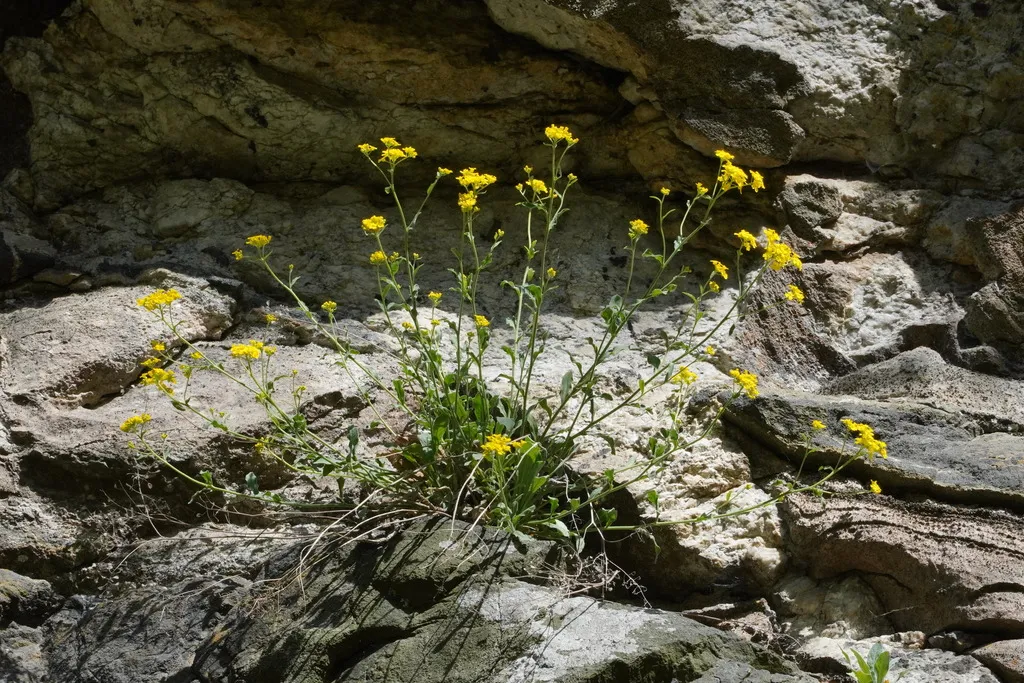
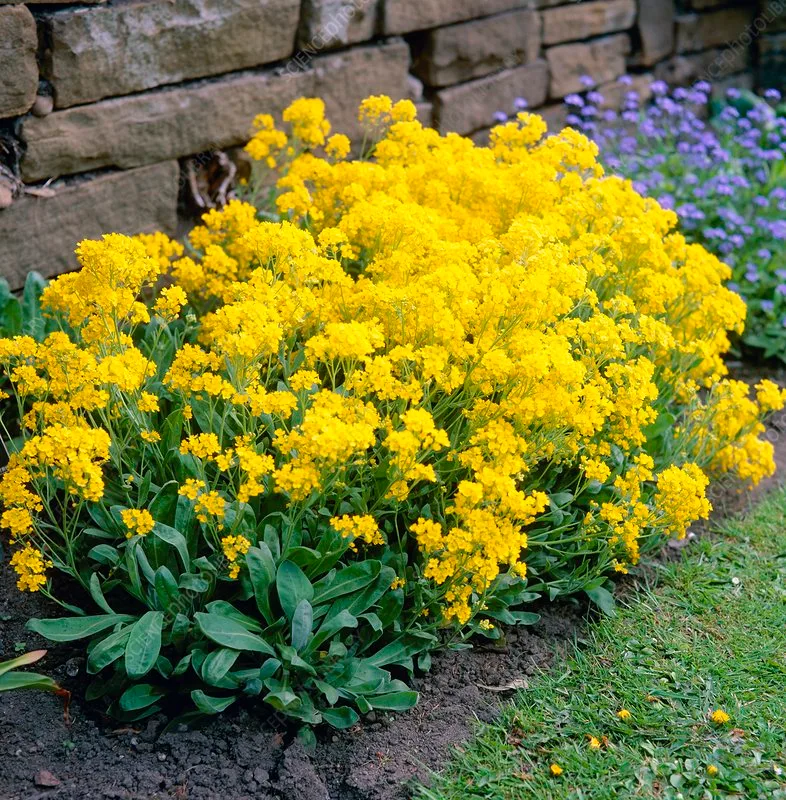
Distribution of gold dust
Distribution map
- Native
- Introduced
- Cultivated
Source:WCVP v16 · Royal Botanic Gardens, Kew · CC BY 3.0 · Boundaries:WGSRPD / TDWG
Culture
Information to be completed
Toxicity
Information to be completed
Quick identification of gold dust
Information to be completed
gold dust care guide
- Moderate regular watering, allowing brief slight drying between soakings
- Watering
- Full sun
- Sunlight
- Information to be completed
- Ideal temperature

Watering
Moderate regular watering, allowing brief slight drying between soakings
Fertilizing
 Fertilizing
Balanced perennial feed every four weeks from spring through summer
Pruning
 Pruning
Cut back after flowering to maintain compact shape
Propagation
 Propagation
Propagate by seed sown in pots in a cold frame in autumn. Propagate by rooting softwood cuttings in early summer
Growing
 Growing
Grow in well-drained, moderately fertile soil in an open situation in full sun
People also ask
Information to be completed
Common pests and diseases
Diseases
Generally disease free
Pests
May be attacked by aphids
Explore the plant health library →




