
lopsided onion
Also known as: Information to be completed
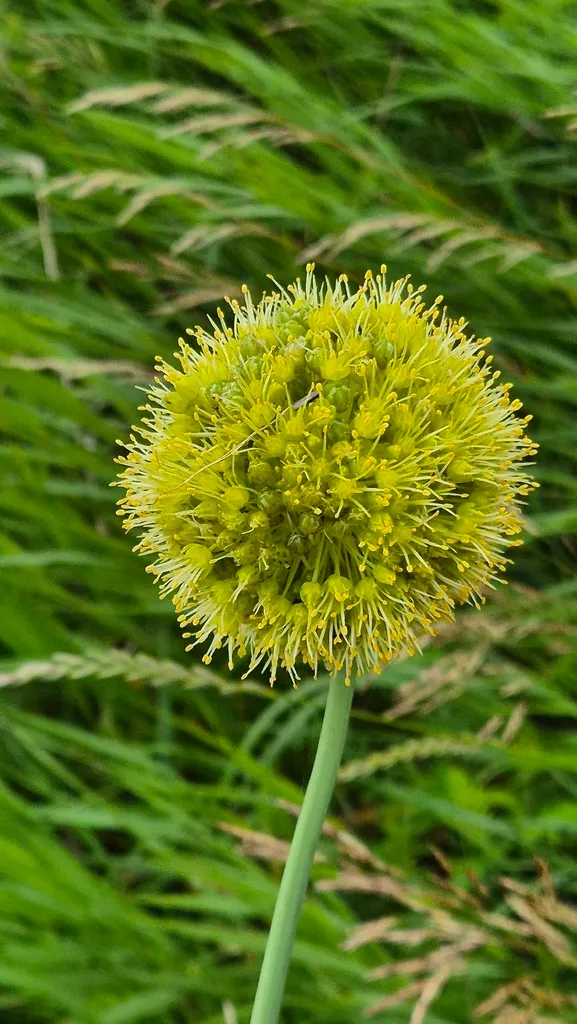
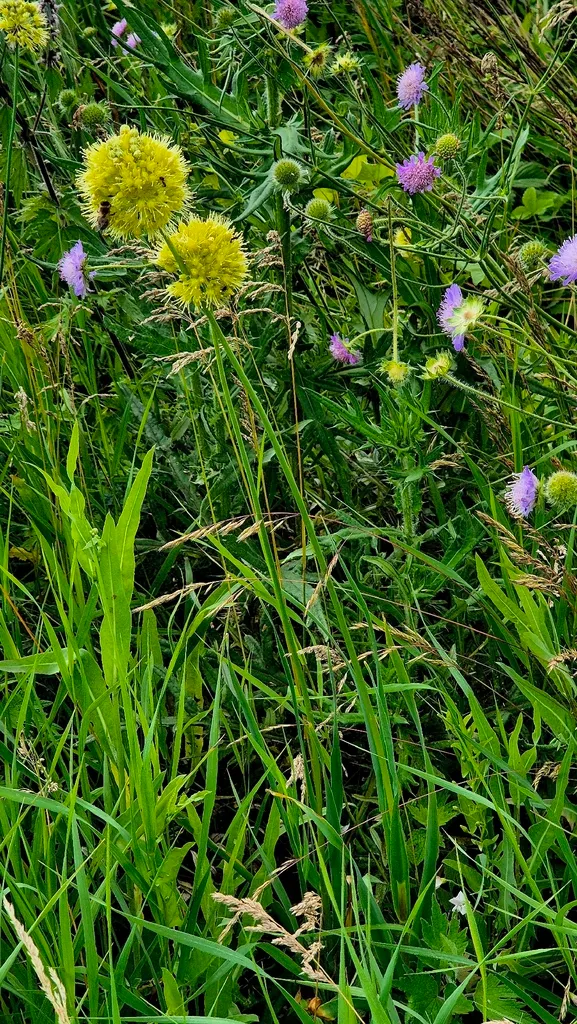
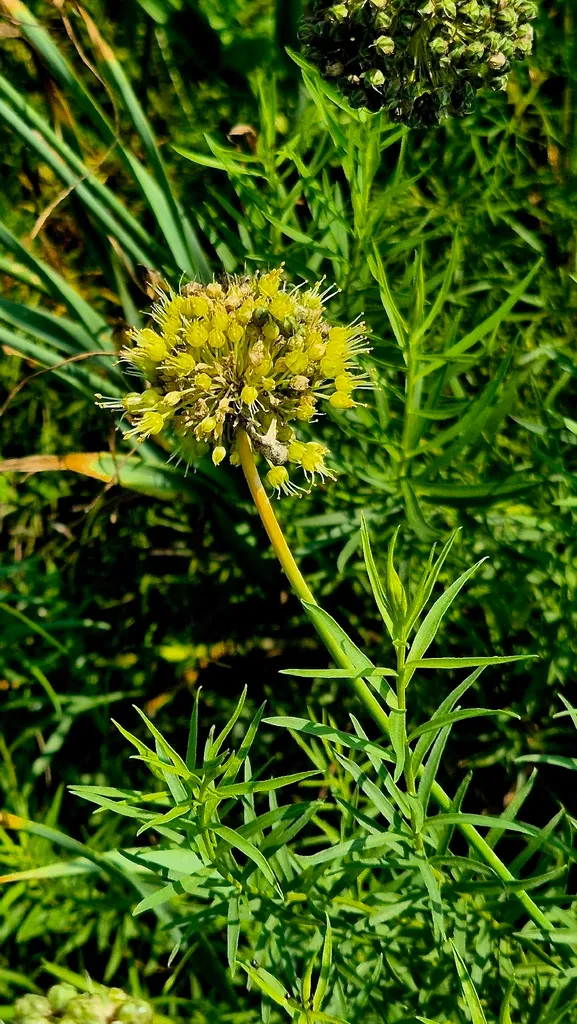
Bulbous perennial about 1m tall, with short rhizomes and narrow, stem-clasping, blue-green leaves. Pale yellow-green, ball-shaped flowers are about 2.5cm across and appear in mid-summer on twisty stems; suited to wet soils
Scientific classification
- Species
- lopsided onion (Allium obliquum)
- Genus
- Allium
- Family
- Amaryllidaceae
- Order
- Asparagales
- Class
- Liliopsida
- Phylum
- Magnoliophyta
- Information to be completed
- Toxicity
- Bulbs
- Plant type
- 0.5-1 metres
- Height
- 0-0.1 metre
- Spread
- Deciduous
- Foliage
- Clump forming
- Habit
- Spring · Summer
- Season of interest
- Full sun
- Sunlight
- Information to be completed
- Ideal temperature









lopsided onion pictures
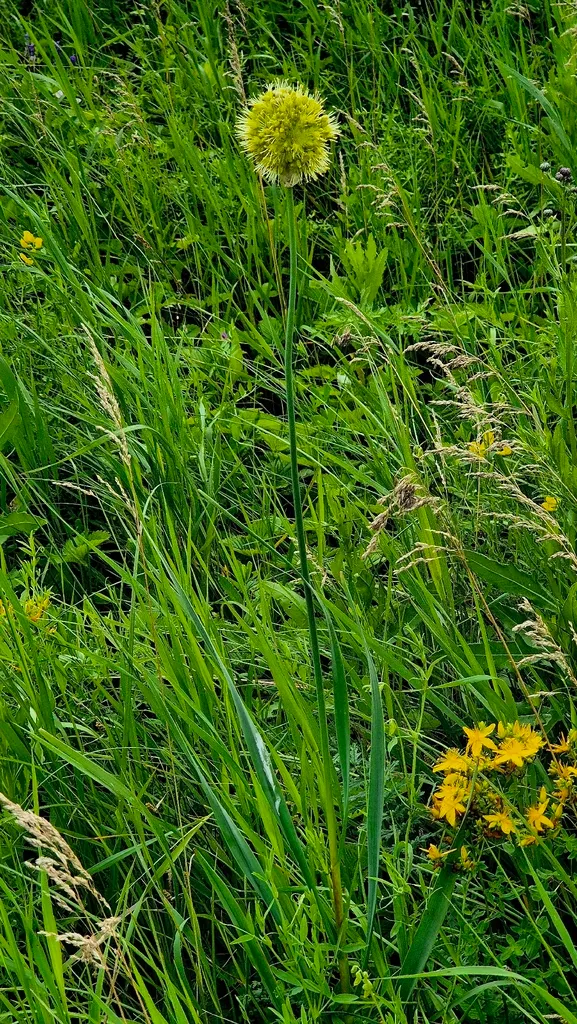
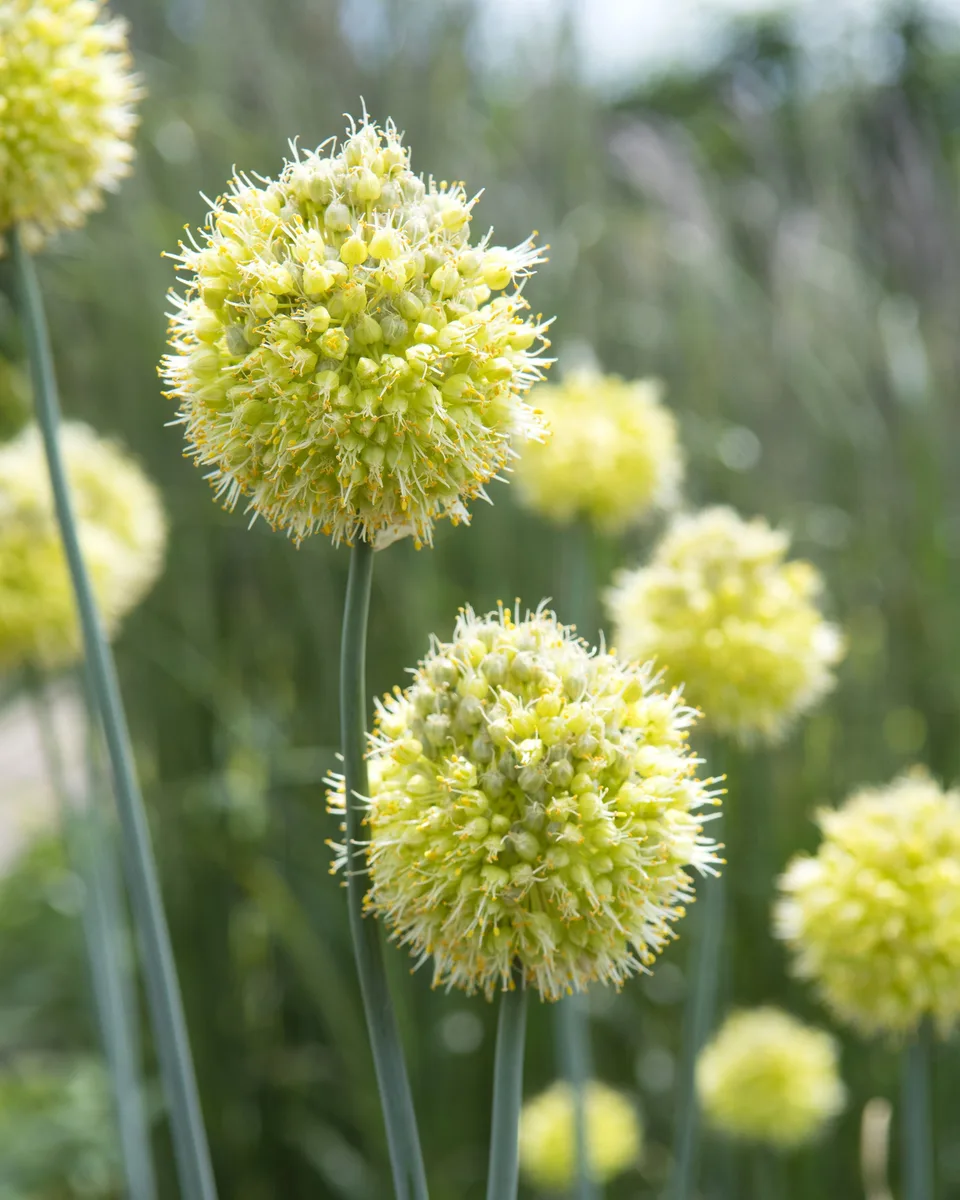
Distribution of lopsided onion
Distribution map
- Native
- Introduced
- Cultivated
Source:WCVP v16 · Royal Botanic Gardens, Kew · CC BY 3.0 · Boundaries:WGSRPD / TDWG
lopsided onion care guide
- Water moderately in growth, keep drier after flowering
- Watering
- Full sun
- Sunlight

Watering
Water moderately in growth, keep drier after flowering
Fertilizing
 Fertilizing
Light bulb feed in spring before flowering
Pruning
 Pruning
No pruning required, other than to remove old flowered stems and foliage
Propagation
 Propagation
Propagate by seed when just ripe or in spring; or propagate by offsets which can be carefully detached by lifting the bulb after flowering has finished. See bulb propagation
Growing
 Growing
Grow in fertile soil that is not too dry, in full sun. Suitable for wet soils. Plant bulbs 5-10cm deep in autumn. See allium cultivation for more information
Common pests and diseases
Diseases
May be susceptible to onion white rot and onion downy mildew
Pests
May be susceptible to allium leaf miner and onion fly
Explore the plant health library →




