
Alnus nepalensis
Also known as: Information to be completed
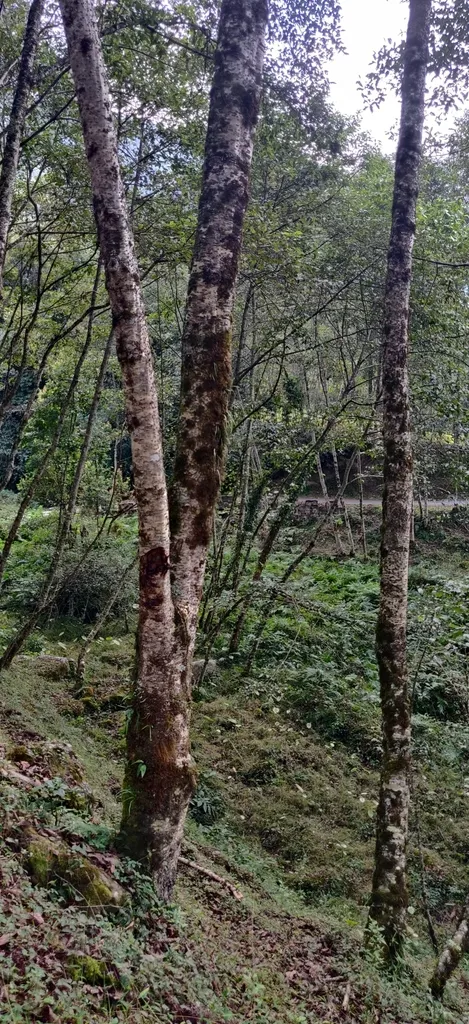
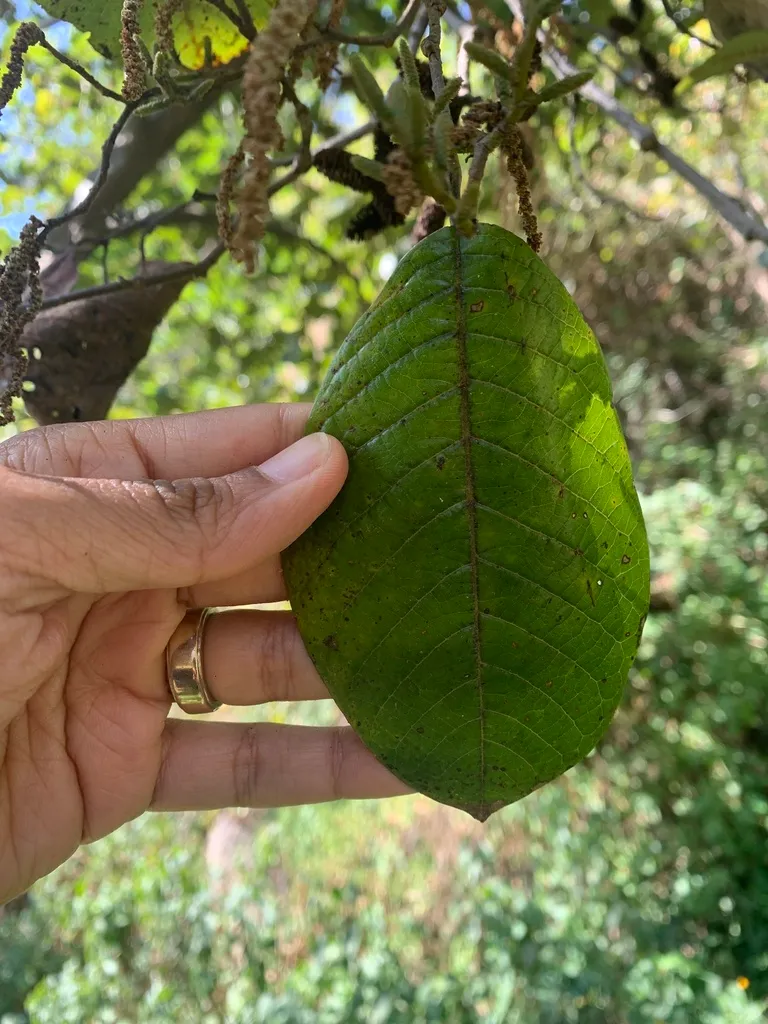
A fast-growing deciduous tree to 30m. The leaves are a strong green, paler beneath, 18cm long and show no autumn colour. The male catkins are long and cream hanging in large clusters in autumn. The female woody cones develop later, in clusters sitting upright on the bare branches
Scientific classification
- Species
- Alnus nepalensis (Alnus nepalensis)
- Genus
- Alnus
- Family
- Betulaceae
- Information to be completed
- Toxicity
- Trees
- Plant type
- Higher than 12 metres
- Height
- wider than 8 metres
- Spread
- Deciduous
- Foliage
- Columnar upright
- Habit
- Spring · Summer · Autumn · Winter
- Season of interest
- Full sun · Partial shade
- Sunlight
- Information to be completed
- Ideal temperature









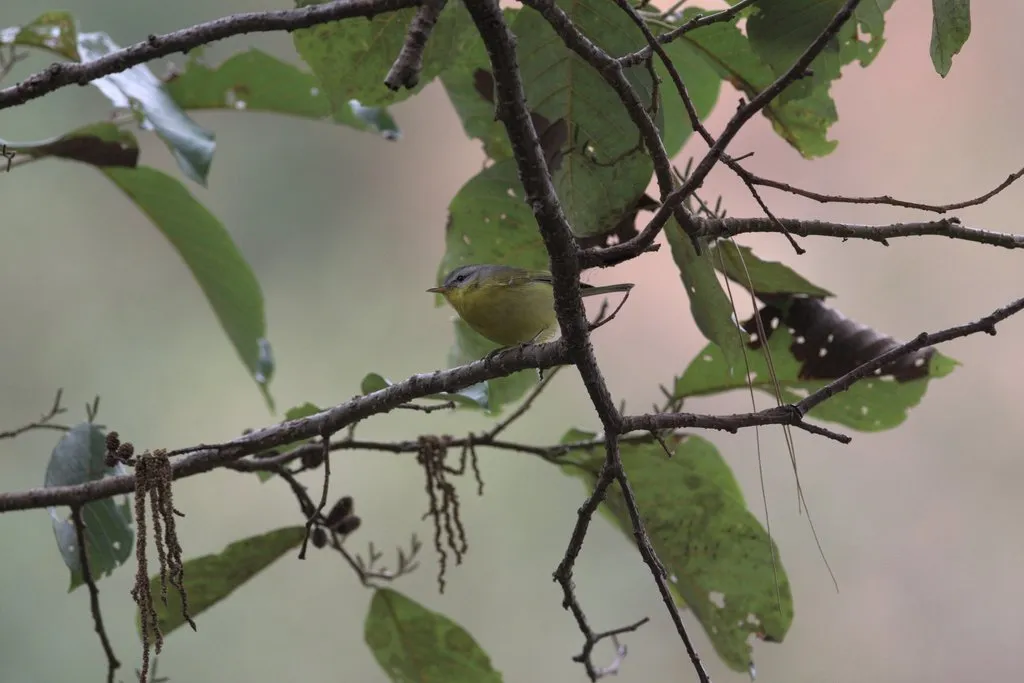
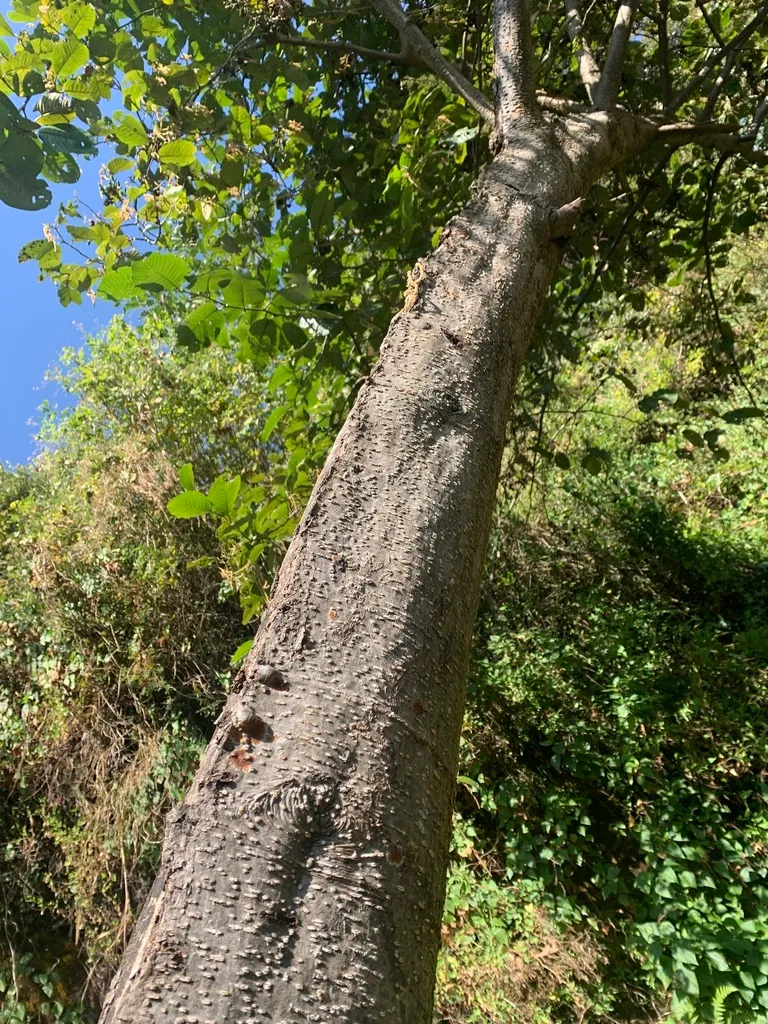
Alnus nepalensis pictures
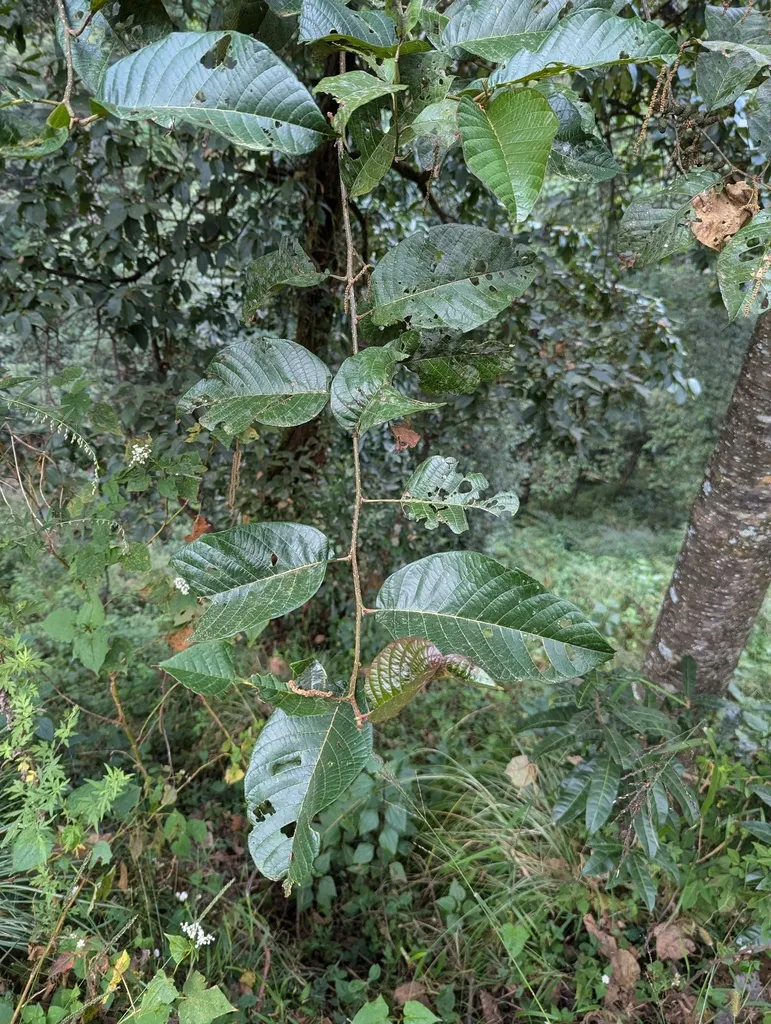
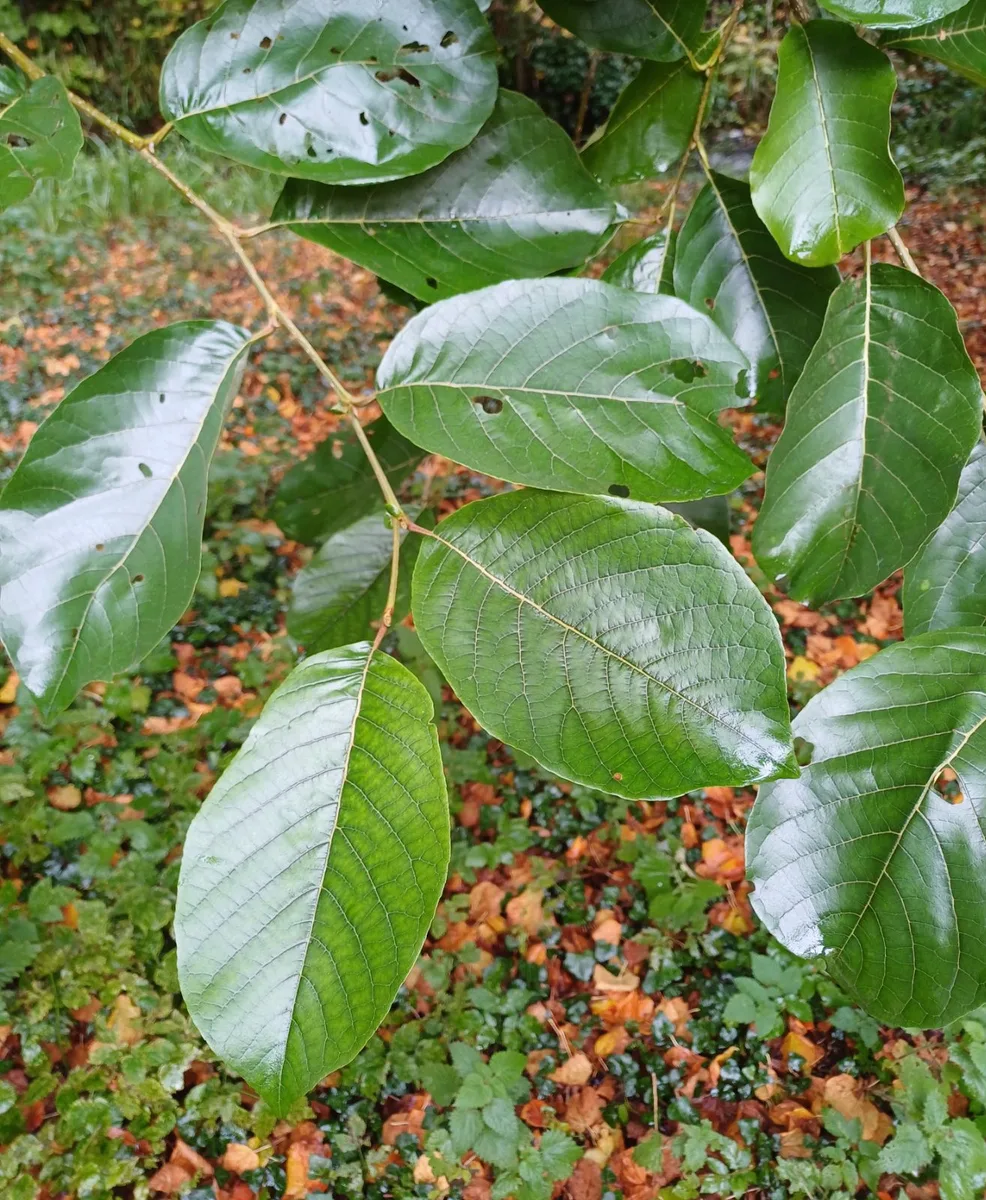
Distribution of Alnus nepalensis
Distribution map
Information to be completed
Information to be completed
Culture
Information to be completed
Toxicity
Information to be completed
Quick identification of Alnus nepalensis
Information to be completed
Alnus nepalensis care guide
- Moderate regular watering, allowing brief slight drying between soakings
- Watering
- Full sun · Partial shade
- Sunlight
- Information to be completed
- Ideal temperature

Watering
Moderate regular watering, allowing brief slight drying between soakings
Fertilizing
 Fertilizing
Balanced perennial feed every four weeks from spring through summer
Pruning
 Pruning
Little pruning is needed. Remove diseased, damaged, crowded or crossing shoots and unwanted growth. Timing depends on the plant: generally late winter or early spring; plants prone to bleeding and deciduous magnolias need different timing, and deciduous azaleas and lilacs are pruned after flowering.
Propagation
 Propagation
Propagate by harwood cuttings or seed. For more advice see our information on how to propagate from seed (tree/shrub
Growing
 Growing
It is a nitrogen-fixer so can grow on poor soil. Suited to river banks on permanently damp soil in good light. For more information see tree cultivation.
People also ask
Information to be completed
Common pests and diseases
Diseases
May be susceptible to phytophthora root rot and honey fungus
Pests
May be susceptible to alder leaf beetle, alder sucker and leaf-mining sawflies
Explore the plant health library →




