
Calceolaria crenatiflora
Also known as: Information to be completed
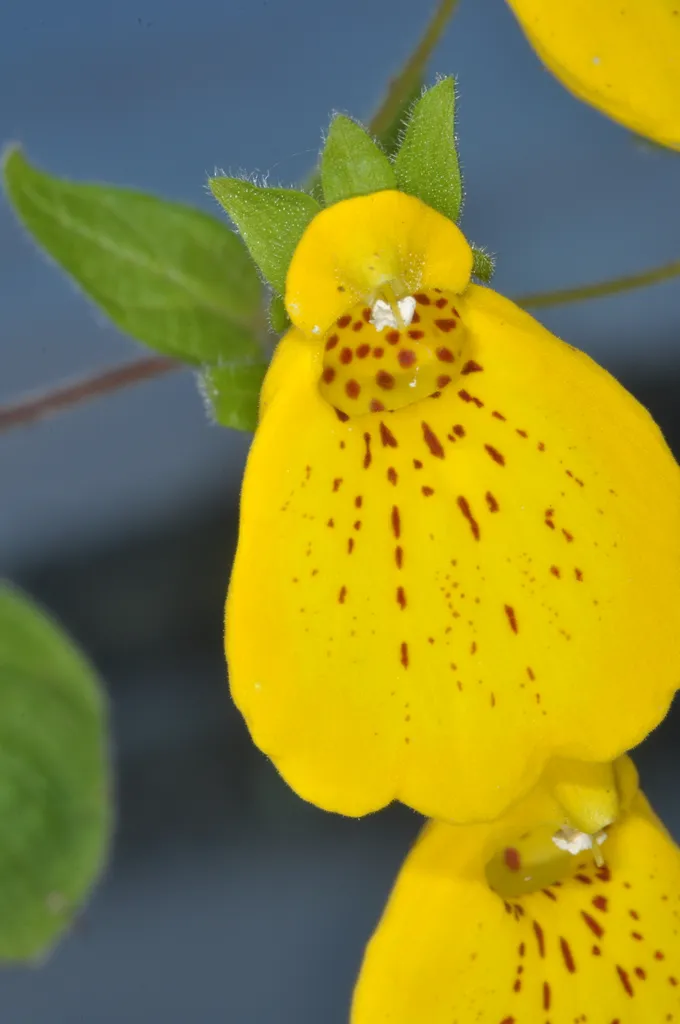
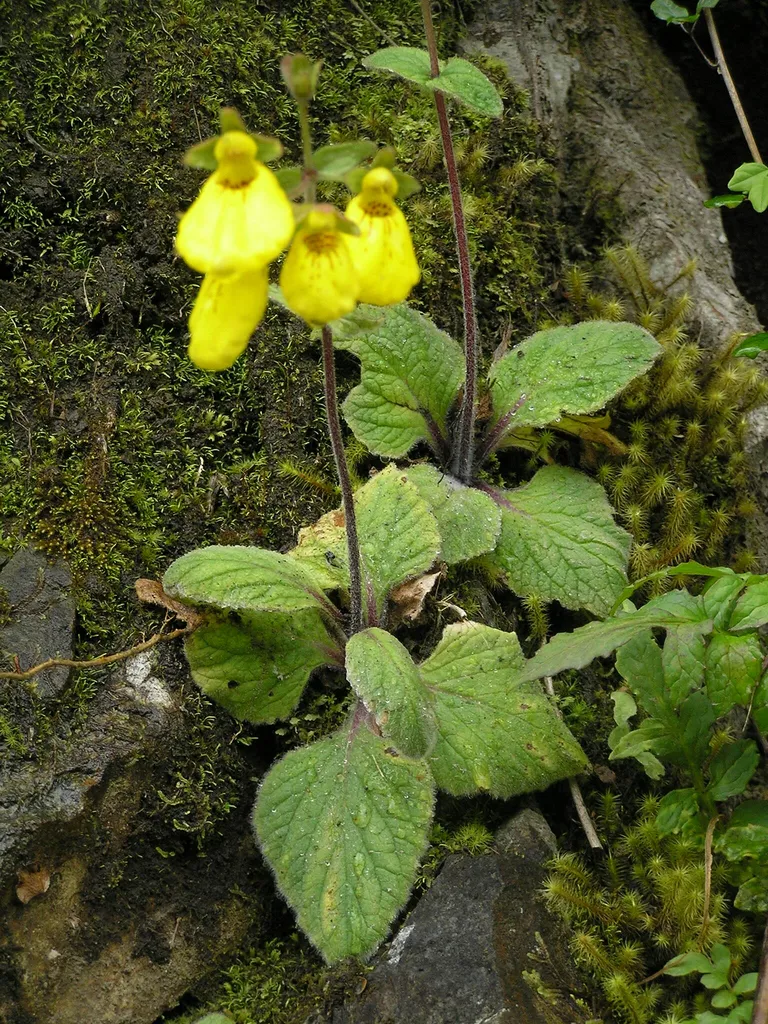
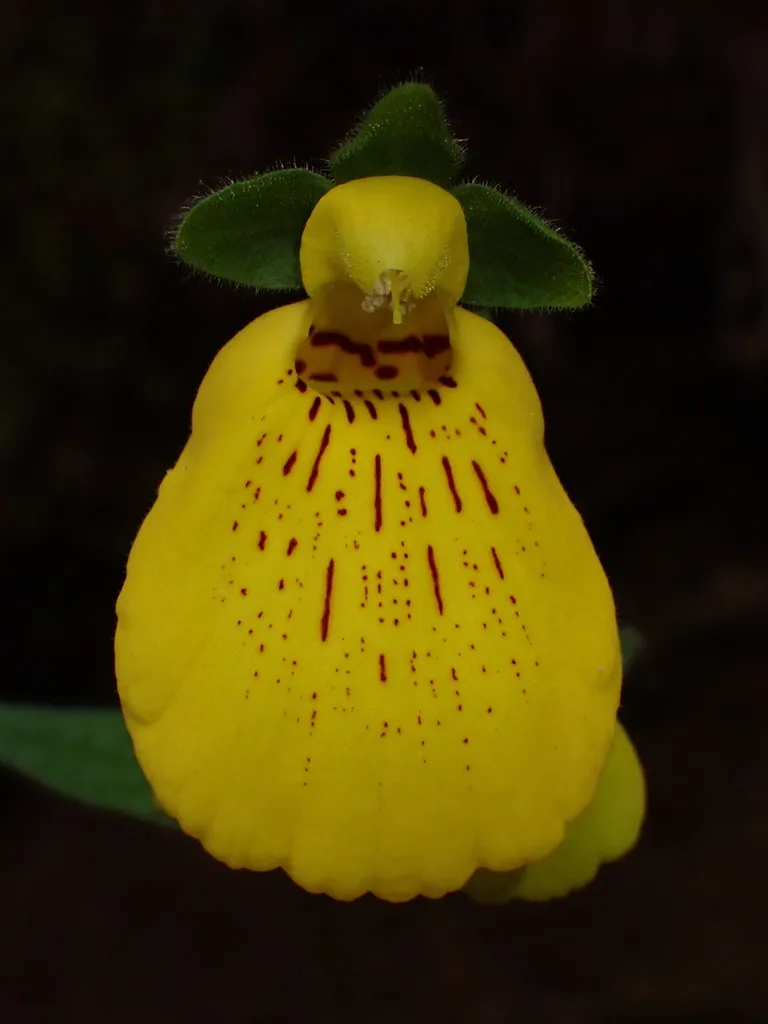
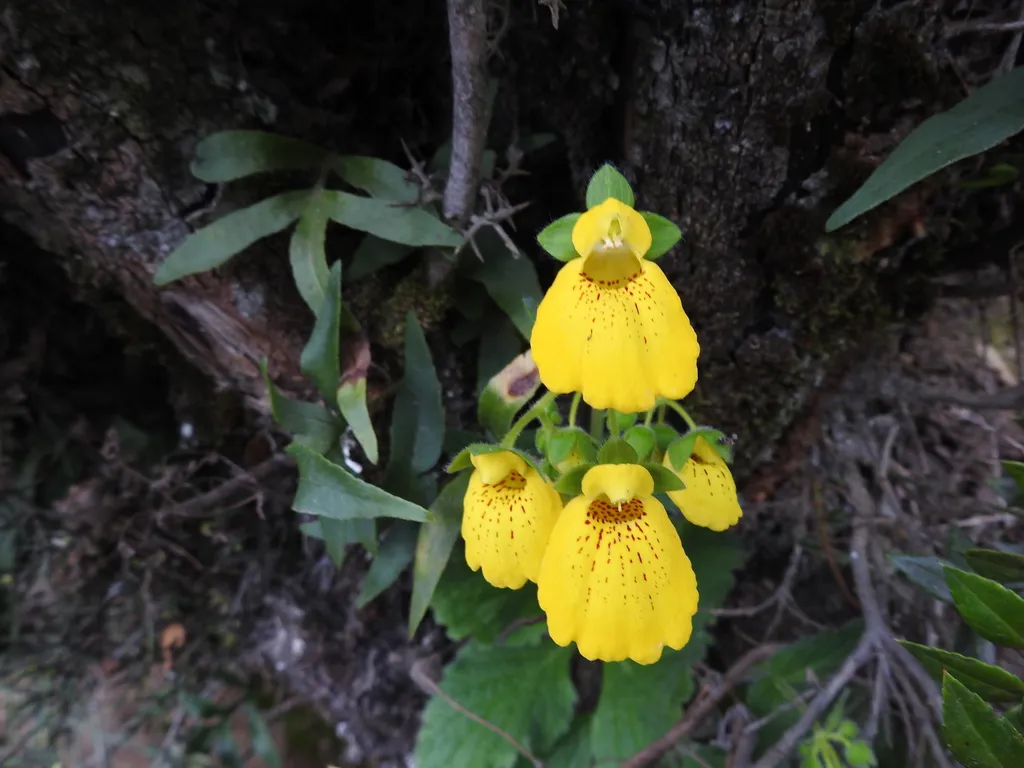
A species of tender, deciduous, herbaceous perennial, grown as a half-hardy annual in milder climates, with dark green wrinkled and veined foliage, and unusual, inflated yellow flowers freckled with orange-brown. These appear in clusters above the foliage from spring through to the autumn. Generally best suited to rock gardens in milder climates or in a heated greenhouse in cooler conditions
Scientific classification
- Species
- Calceolaria crenatiflora (Calceolaria crenatiflora)
- Genus
- Calceolaria
- Family
- Calceolariaceae
- Order
- Lamiales
- Class
- Magnoliopsida
- Phylum
- Magnoliophyta
- Information to be completed
- Toxicity
- Bedding · Conservatory Greenhouse · Alpine Rockery
- Plant type
- Information to be completed
- Height
- Information to be completed
- Spread
- Deciduous
- Foliage
- Bushy
- Habit
- Spring · Summer · Autumn
- Season of interest
- Full sun · Partial shade
- Sunlight
- Information to be completed
- Ideal temperature









Calceolaria crenatiflora pictures
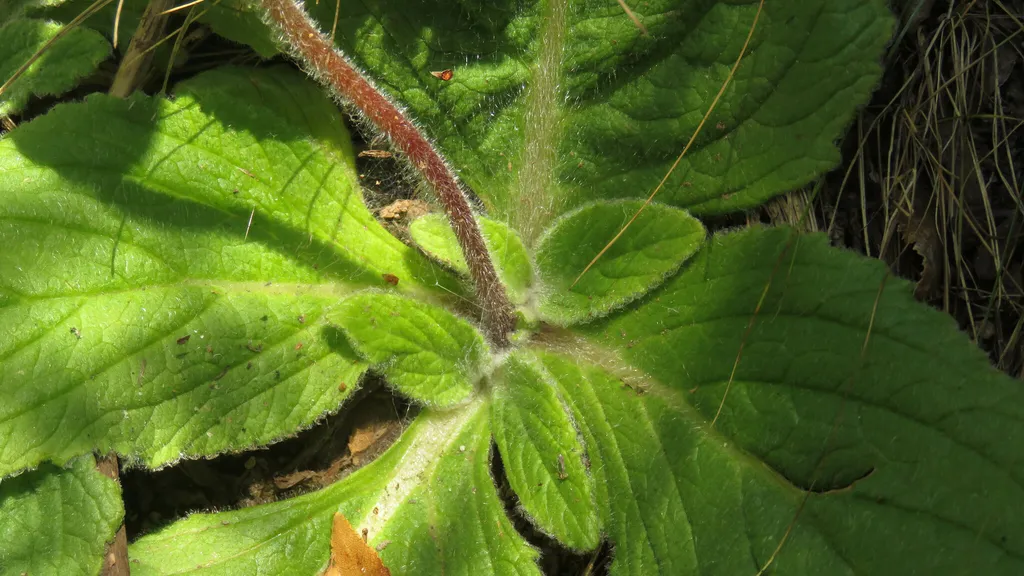
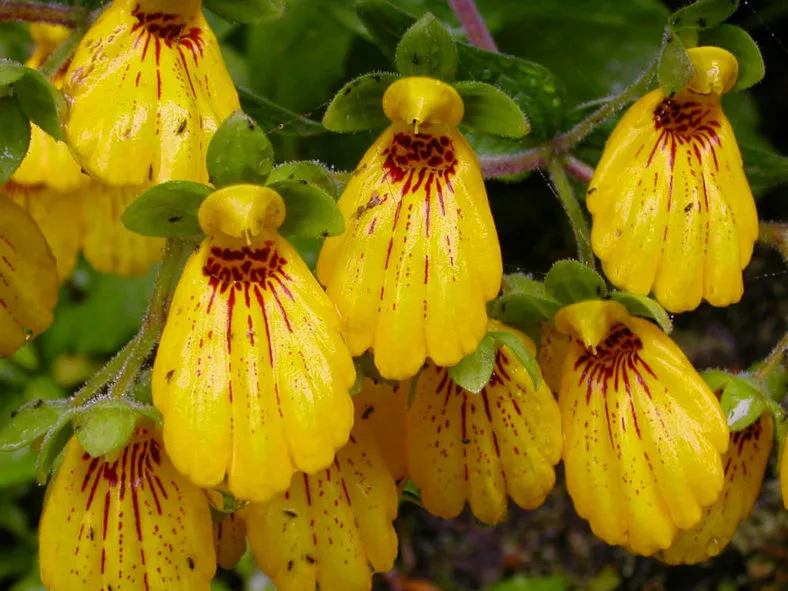
Distribution of Calceolaria crenatiflora
Distribution map
- Native
- Introduced
- Cultivated
Source:WCVP v16 · Royal Botanic Gardens, Kew · CC BY 3.0 · Boundaries:WGSRPD / TDWG
Calceolaria crenatiflora care guide
- Moderate regular watering, allowing brief slight drying between soakings
- Watering
- Full sun · Partial shade
- Sunlight

Watering
Moderate regular watering, allowing brief slight drying between soakings
Fertilizing
 Fertilizing
Balanced perennial feed every four weeks from spring through summer
Pruning
 Pruning
Deadhead to prolong flowering
Propagation
 Propagation
Propagate by seed sown under glass in early spring
Growing
 Growing
Outdoors, grow in light, moderately fertile, acidic soil in sun or partial shade. Flowering is best in cool, moist conditions. Water freely and apply a balanced liquid fertiliser every 2 weeks. To overwinter plants, lift them before the first frosts and put them in pots in a heated greenhouse
Common pests and diseases
Diseases
May be susceptible to grey moulds
Pests
May be susceptible to slugs, snails and aphids
Explore the plant health library →




