
Anemone leveillei
Also known as: Information to be completed
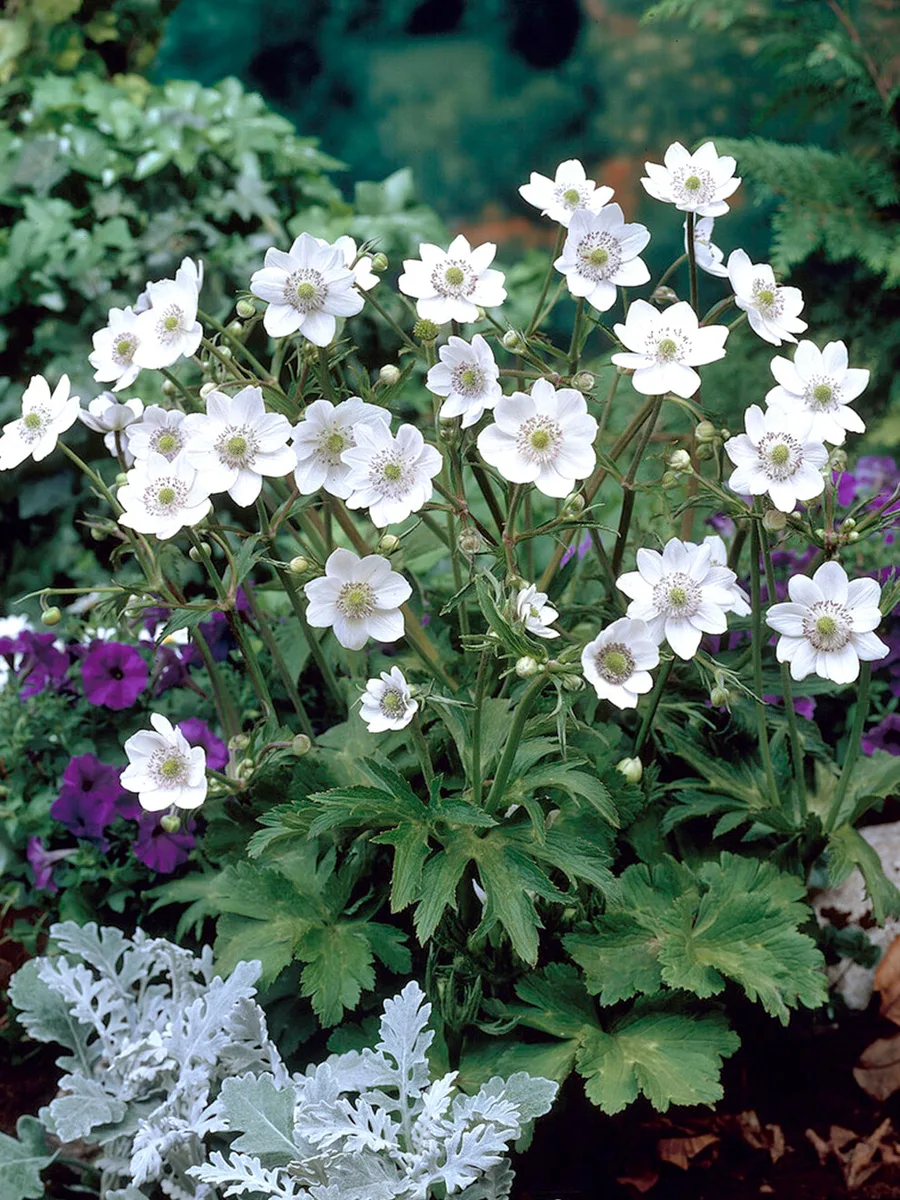
Anemone leveillei is a perennial with deeply divided softly hairy foliage forming a low mound over which elegant branching stems of delicate lilac-backed white flowers are borne, each with a central cluster of deep purple anthers.
Scientific classification
- Species
- Anemone leveillei (Anemone leveillei)
- Genus
- Anemone
- Family
- Ranunculaceae
- Order
- Ranunculales
- Class
- Magnoliopsida
- Phylum
- Magnoliophyta
- Ingestion may cause mild stomach upset, and skin contact may cause irritation. Wear gloves and other protective equipment when handling
- Toxicity
- Bulbs · Herbaceous Perennial
- Plant type
- 0.5-1 metres
- Height
- 0.5-1 metres
- Spread
- Deciduous
- Foliage
- Columnar upright · Clump forming
- Habit
- Spring · Summer
- Season of interest
- Partial shade
- Sunlight
- Information to be completed
- Ideal temperature









Anemone leveillei pictures
Distribution of Anemone leveillei
Distribution map
- Native
- Introduced
- Cultivated
Locally extinct or doubtful records are excluded from native and introduced layers.
Source:WCVP v16 · Royal Botanic Gardens, Kew · CC BY 3.0 · Boundaries:WGSRPD / TDWG
Toxicity
Ingestion may cause mild stomach upset, and skin contact may cause irritation. Wear gloves and other protective equipment when handling
Anemone leveillei care guide
- Moderate regular watering, avoid prolonged drought and stagnant waterlogging
- Watering
- Partial shade
- Sunlight

Watering
Moderate regular watering, avoid prolonged drought and stagnant waterlogging
Fertilizing
 Fertilizing
Balanced perennial feed every four weeks spring through summer growth
Pruning
 Pruning
Cut back in late autumn
Propagation
 Propagation
Propagate by division
Growing
 Growing
A woodland dweller, sutiable to mass plant in fertile, humus rich soil, but can grow in most cultivated soil, in semi-shade or full sun. Spreads rapidly once established. Avoid winter wet, dislikes being moved around.
Common pests and diseases
Diseases
May be susceptible to powdery mildew
Pests
May be susceptible to caterpillars and slugs
Explore the plant health library →




