
Manihot grahamii
Also known as: Information to be completed
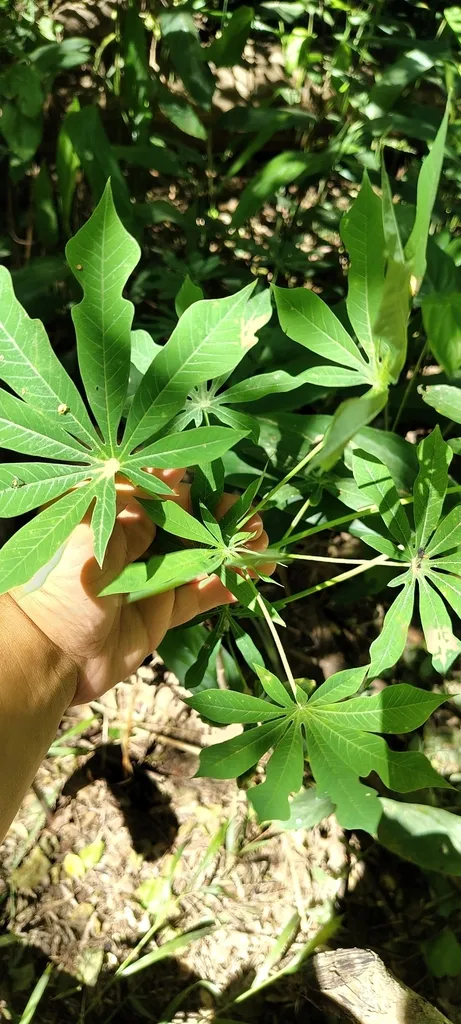
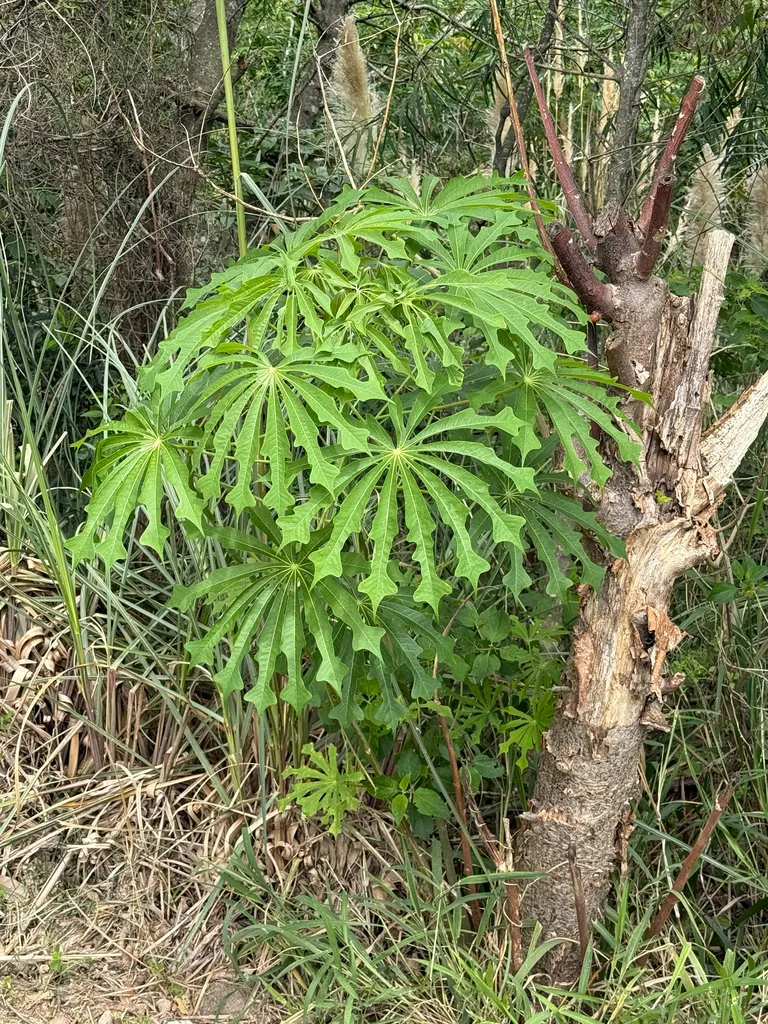
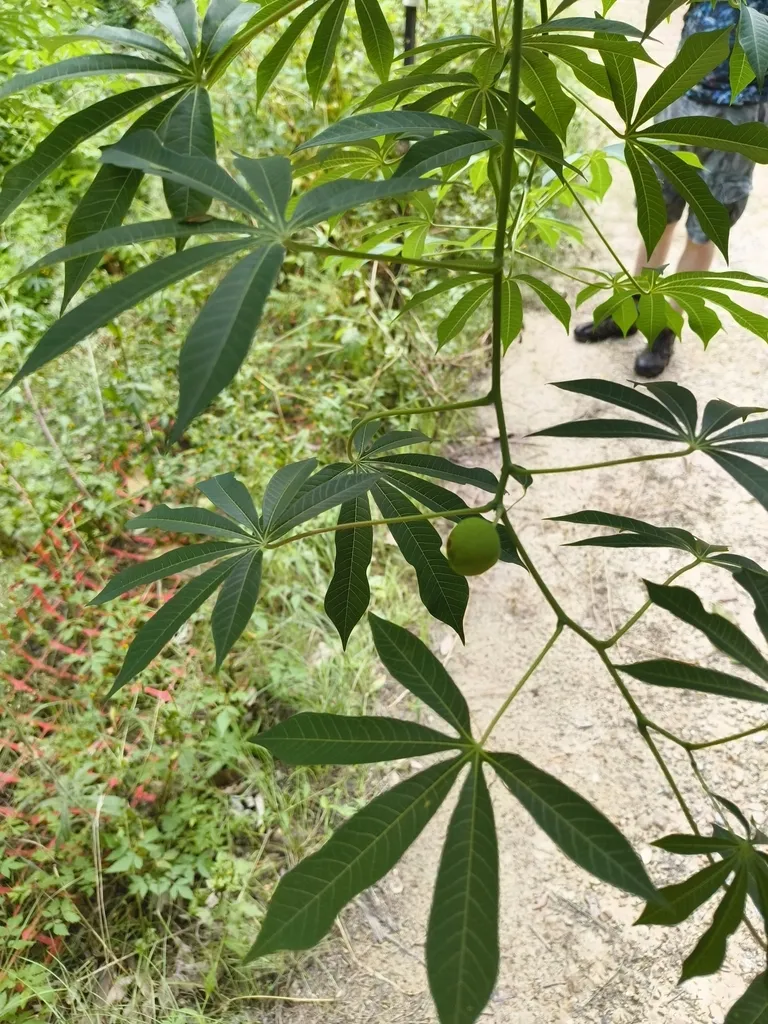
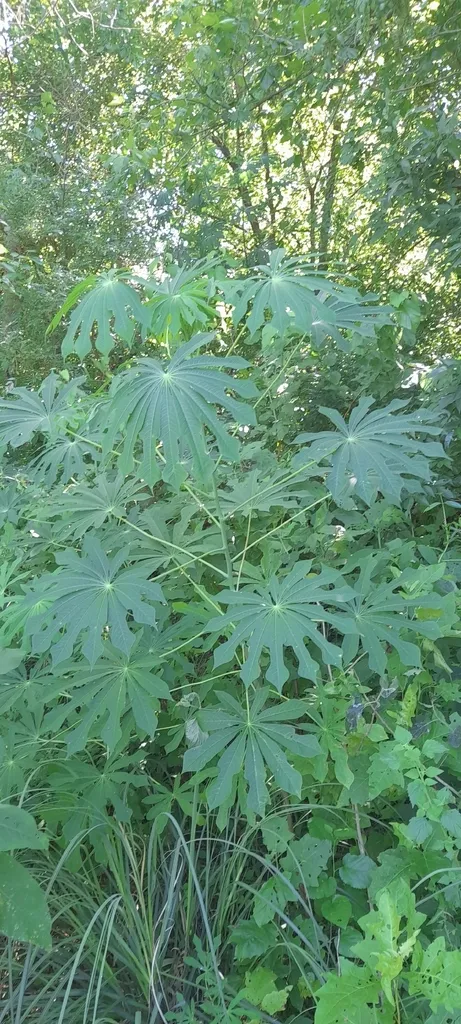
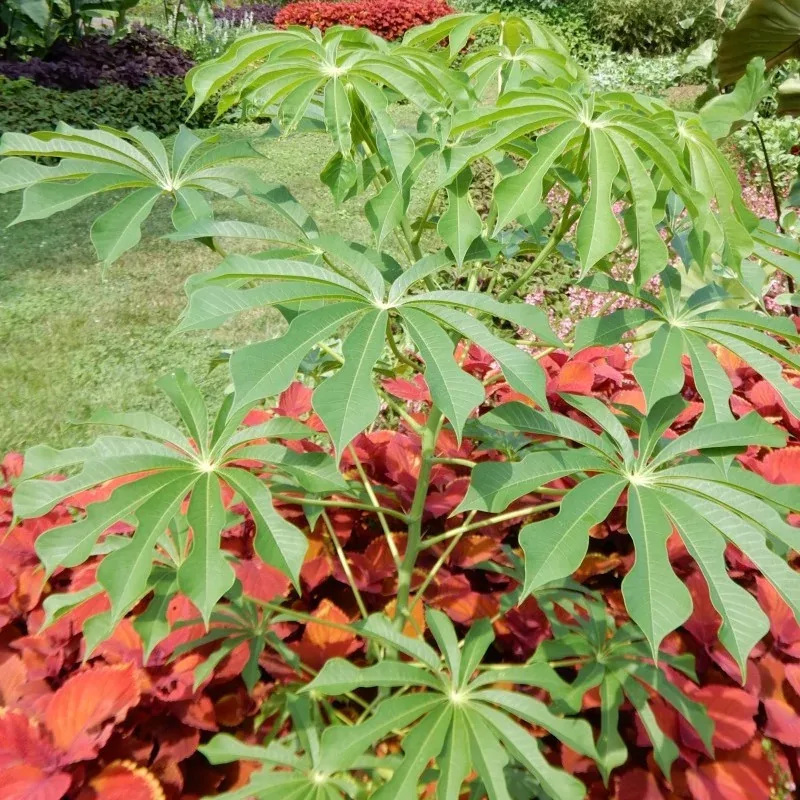
Fast-growing, sub-tropical, woody-stemmed perennial native to South America, about 2-3m tall, with deeply-lobed, intricately-cut, palmate rich green leaves and clusters of waxy red-striped, pale green bell-shaped flowers in summer. It is closely related to the edible tapioca
Scientific classification
- Species
- Manihot grahamii (Manihot grahamii)
- Genus
- Manihot
- Family
- Euphorbiaceae
- Order
- Malpighiales
- Class
- Magnoliopsida
- Phylum
- Magnoliophyta
- Information to be completed
- Toxicity
- Herbaceous Perennial · Conservatory Greenhouse
- Plant type
- 1.5-2.5 metres
- Height
- 1-1.5 metres
- Spread
- Deciduous · Semi evergreen
- Foliage
- Information to be completed
- Habit
- Spring · Summer · Autumn
- Season of interest
- Full sun · Partial shade
- Sunlight
- Information to be completed
- Ideal temperature









Manihot grahamii pictures
Distribution of Manihot grahamii
Distribution map
- Native
- Introduced
- Cultivated
Source:WCVP v16 · Royal Botanic Gardens, Kew · CC BY 3.0 · Boundaries:WGSRPD / TDWG
Manihot grahamii care guide
- Moderate regular watering, allowing brief slight drying between soakings
- Watering
- Full sun · Partial shade
- Sunlight

Watering
Moderate regular watering, allowing brief slight drying between soakings
Fertilizing
 Fertilizing
Balanced perennial feed every four weeks from spring through summer
Pruning
 Pruning
No pruning required. Cut down any dead or damaged foliage in early spring
Propagation
 Propagation
Propagate by seed or softwood cuttings (stem cuttings)
Growing
 Growing
In mild or frost-free counies, grow in any free-draining soil in full sun with shelter. In frost-prone areas, grow in a cool greenhouse, in a mix of peat-free potting compost and grit, in full light and with low humidity. Water moderately during the growing season, sparingly in winter
Common pests and diseases
Diseases
Generally disease-free
Pests
May be susceptible to aphids, glasshouse red spider mite or glasshouse whitefly if grown under glass
Explore the plant health library →




