
Parajubaea torallyi
Also known as: Information to be completed
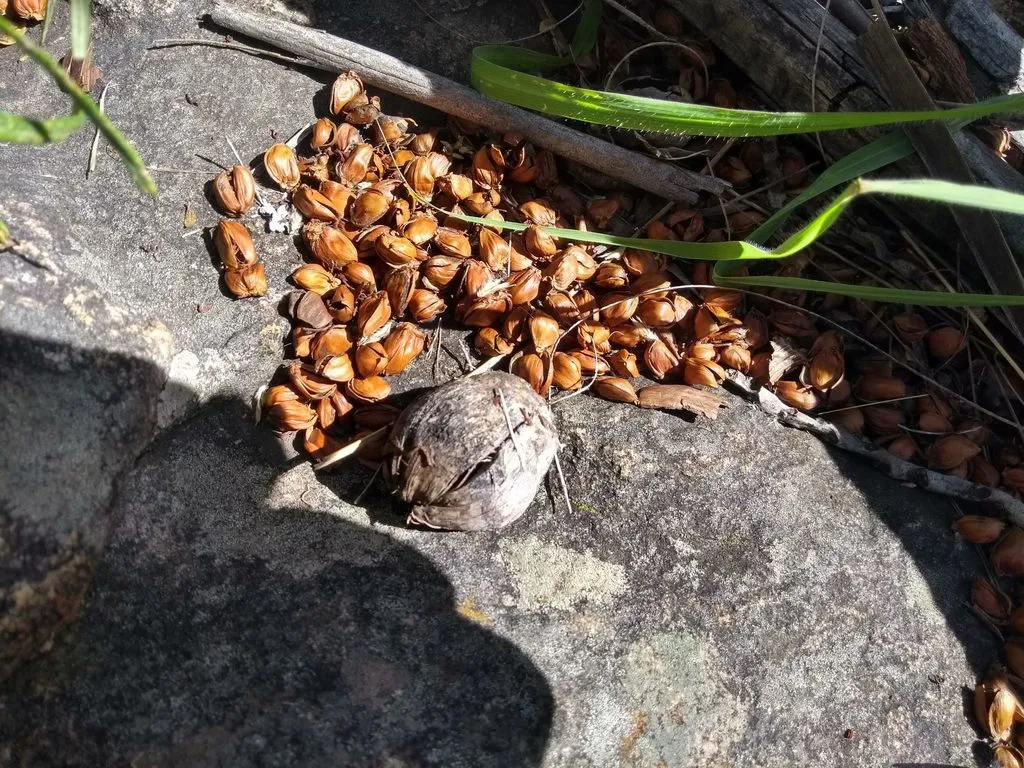
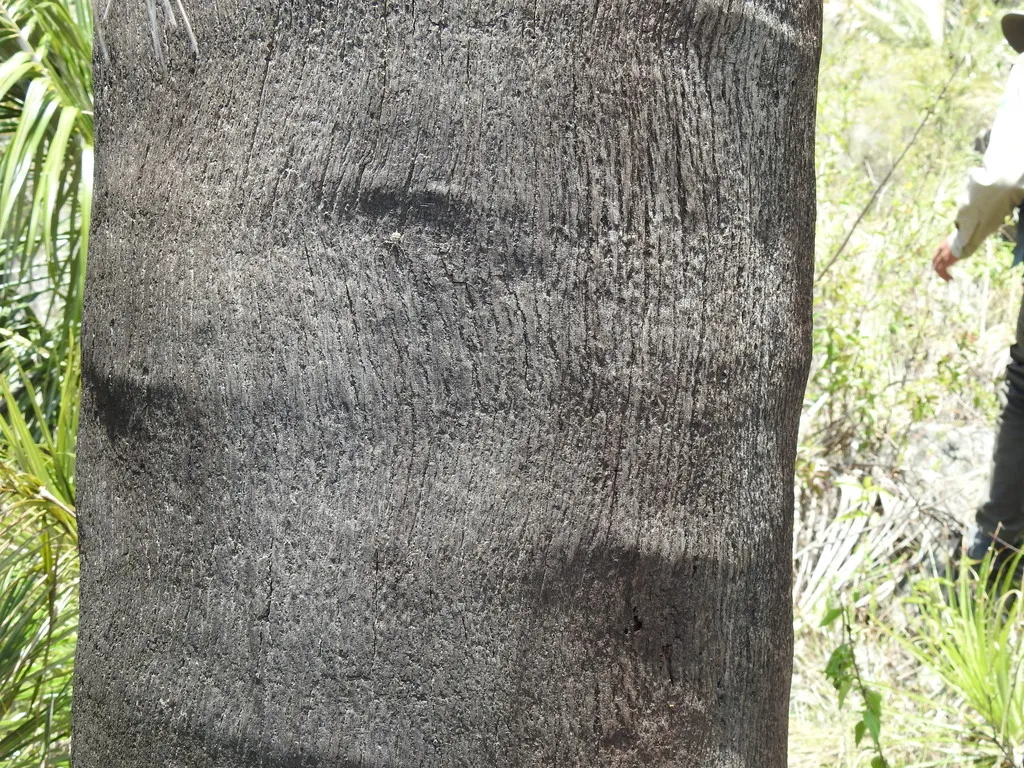
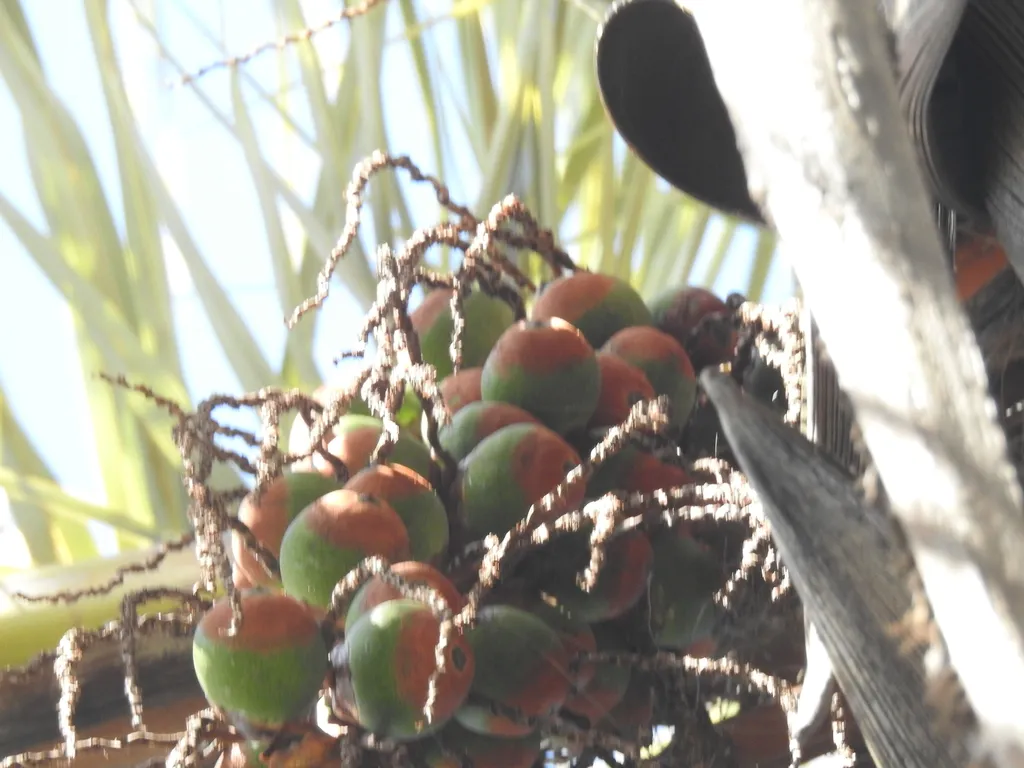
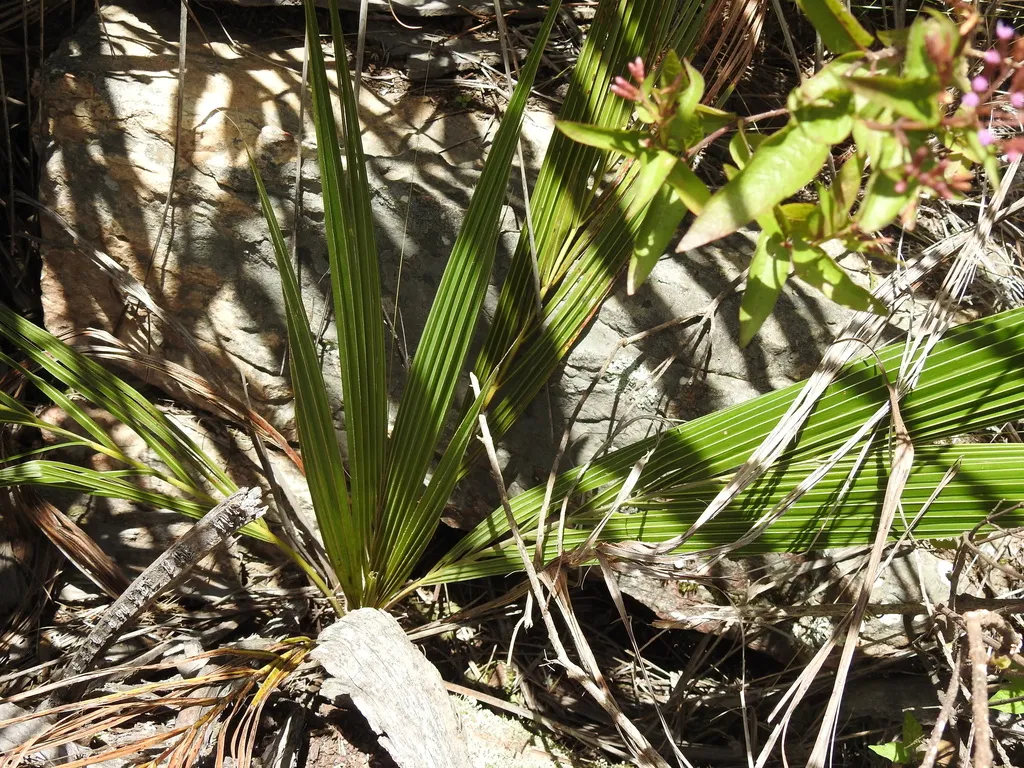
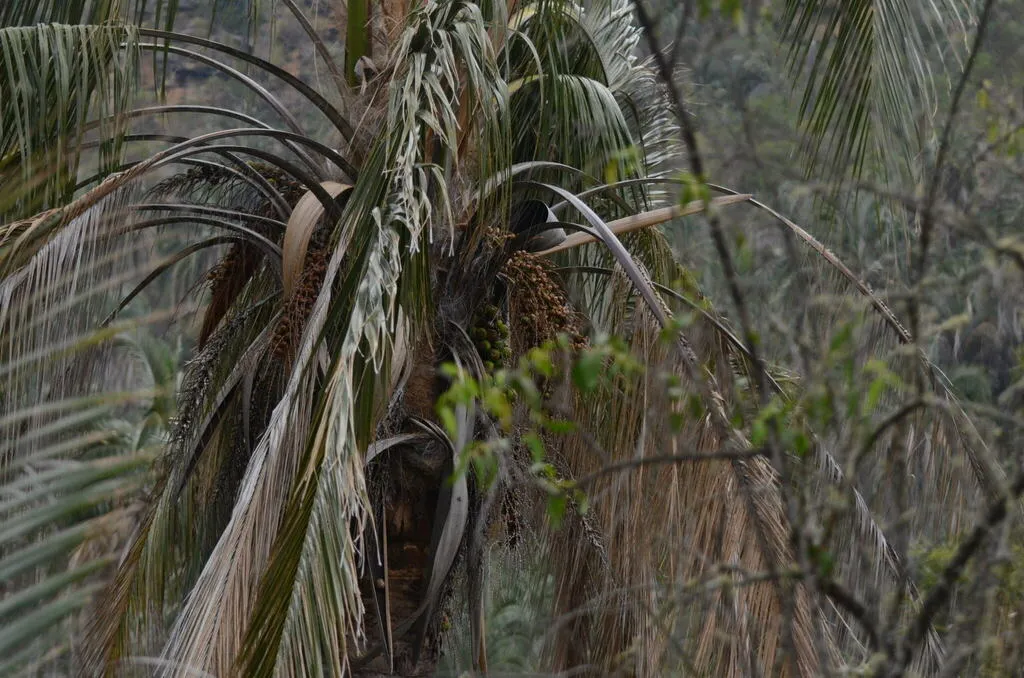
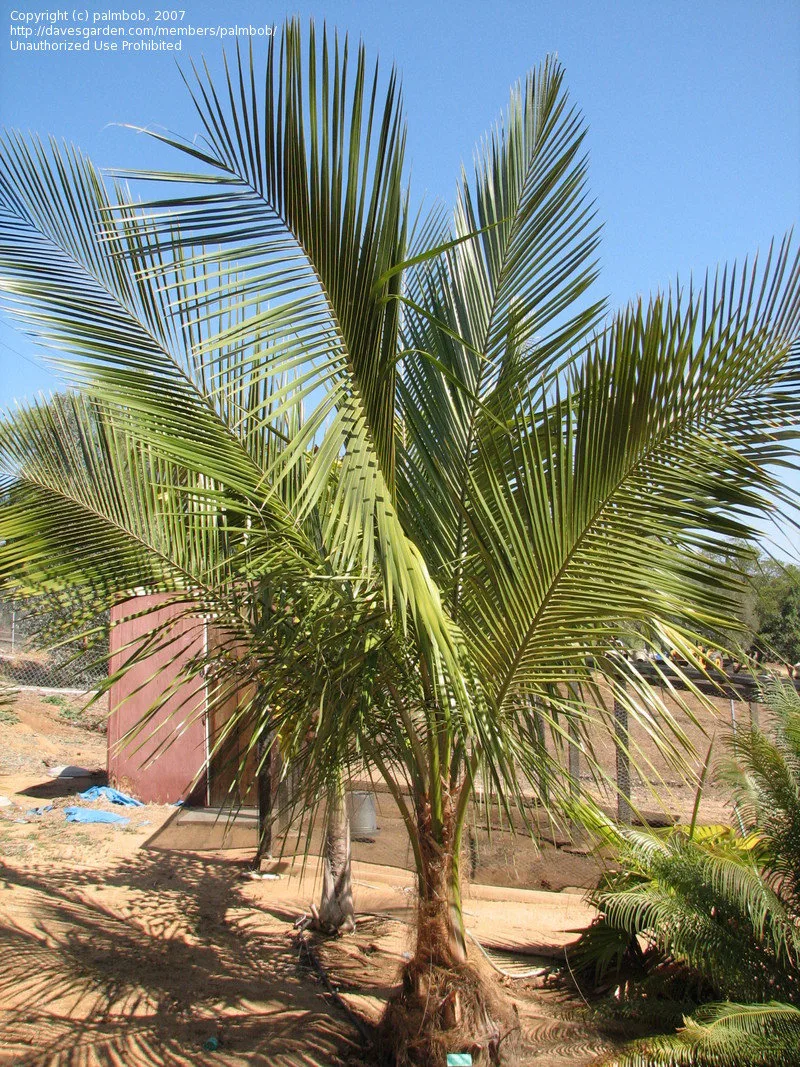
A palm tree, to 25m high in its native range, though often smaller in cultivation, with a fibrous trunk and a crown of arching leaves to 5m long, divided into narrow, leathery leaflets. On mature trees, pendent clusters of small orange flowers in summer are followed by brown, nut-like fruits
Scientific classification
- Species
- Parajubaea torallyi (Parajubaea torallyi)
- Genus
- Parajubaea
- Family
- Arecaceae
- Order
- Arecales
- Class
- Liliopsida
- Phylum
- Magnoliophyta
- Information to be completed
- Toxicity
- Trees
- Plant type
- Higher than 12 metres
- Height
- 4-8 metres
- Spread
- Evergreen
- Foliage
- Columnar upright
- Habit
- Spring · Summer · Autumn · Winter
- Season of interest
- Full sun
- Sunlight
- Information to be completed
- Ideal temperature









Parajubaea torallyi pictures
Distribution of Parajubaea torallyi
Distribution map
- Native
- Introduced
- Cultivated
Source:WCVP v16 · Royal Botanic Gardens, Kew · CC BY 3.0 · Boundaries:WGSRPD / TDWG
Parajubaea torallyi care guide
- Moderate regular watering, allowing brief slight drying between soakings
- Watering
- Full sun
- Sunlight

Watering
Moderate regular watering, allowing brief slight drying between soakings
Fertilizing
 Fertilizing
Balanced perennial feed every four weeks from spring through summer
Pruning
 Pruning
No pruning required
Propagation
 Propagation
Propagate by seed, sown as soon as ripe, though germination can be erratic and take many months
Growing
 Growing
Grow in rich but well-drained soil in a sunny, sheltered spot; this species is deep rooted and not well suited to container growing, but may be planted out in the warmest regions of the UK, where protection from strong winds and from frosts will be required. May be tolerant to -3°C for short spells once established
Common pests and diseases
Diseases
Generally disease-free
Pests
Generally pest-free
Explore the plant health library →




