
Allium senescens subsp. glaucum
Also known as: Information to be completed
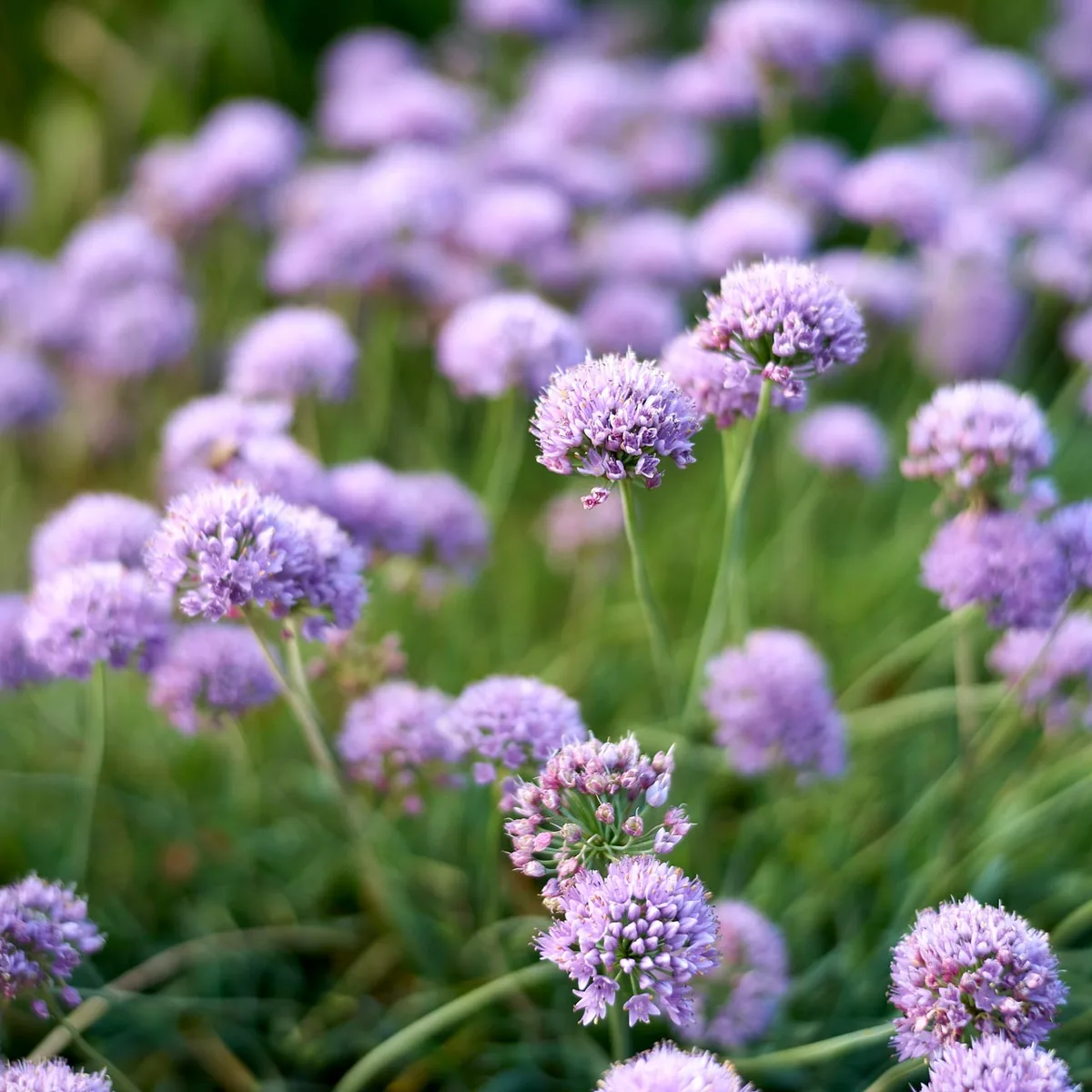
A bulbous, herbaceous perennial up to 20cm high, producing tufts of twisted, grass-like grey-green leaves to 25cm wide, and pink flowers from June to September
Scientific classification
- Species
- Allium senescens subsp. glaucum (Allium senescens subsp. glaucum)
- Genus
- Allium
- Family
- Amaryllidaceae
- Order
- Asparagales
- Class
- Liliopsida
- Phylum
- Magnoliophyta
- Information to be completed
- Toxicity
- Bulbs
- Plant type
- 0.1-0.5 metres
- Height
- 0.1-0.5 metres
- Spread
- Deciduous
- Foliage
- Clump forming
- Habit
- Spring · Summer · Autumn
- Season of interest
- Full sun
- Sunlight
- Information to be completed
- Ideal temperature









Allium senescens subsp. glaucum pictures
Distribution of Allium senescens subsp. glaucum
Distribution map
- Native
- Introduced
- Cultivated
Source:WCVP v16 · Royal Botanic Gardens, Kew · CC BY 3.0 · Boundaries:WGSRPD / TDWG
Allium senescens subsp. glaucum care guide
- Moist soil during active growth, then reduce watering after foliage yellows
- Watering
- Full sun
- Sunlight

Watering
Moist soil during active growth, then reduce watering after foliage yellows
Fertilizing
 Fertilizing
Light bulb fertilizer at emergence and again after flowering
Pruning
 Pruning
No pruning required
Propagation
 Propagation
Propagate by seed or by division during spring or autumn
Growing
 Growing
Grow in well-drained soil in full sun; for more advice see allium cultivation
Common pests and diseases
Diseases
May be susceptible to onion white rot and a downy mildews
Pests
May be susceptible to damage by slugs and snails
Explore the plant health library →




