
plantain lily 'Lakeside Spellbinder'
Also known as: Information to be completed
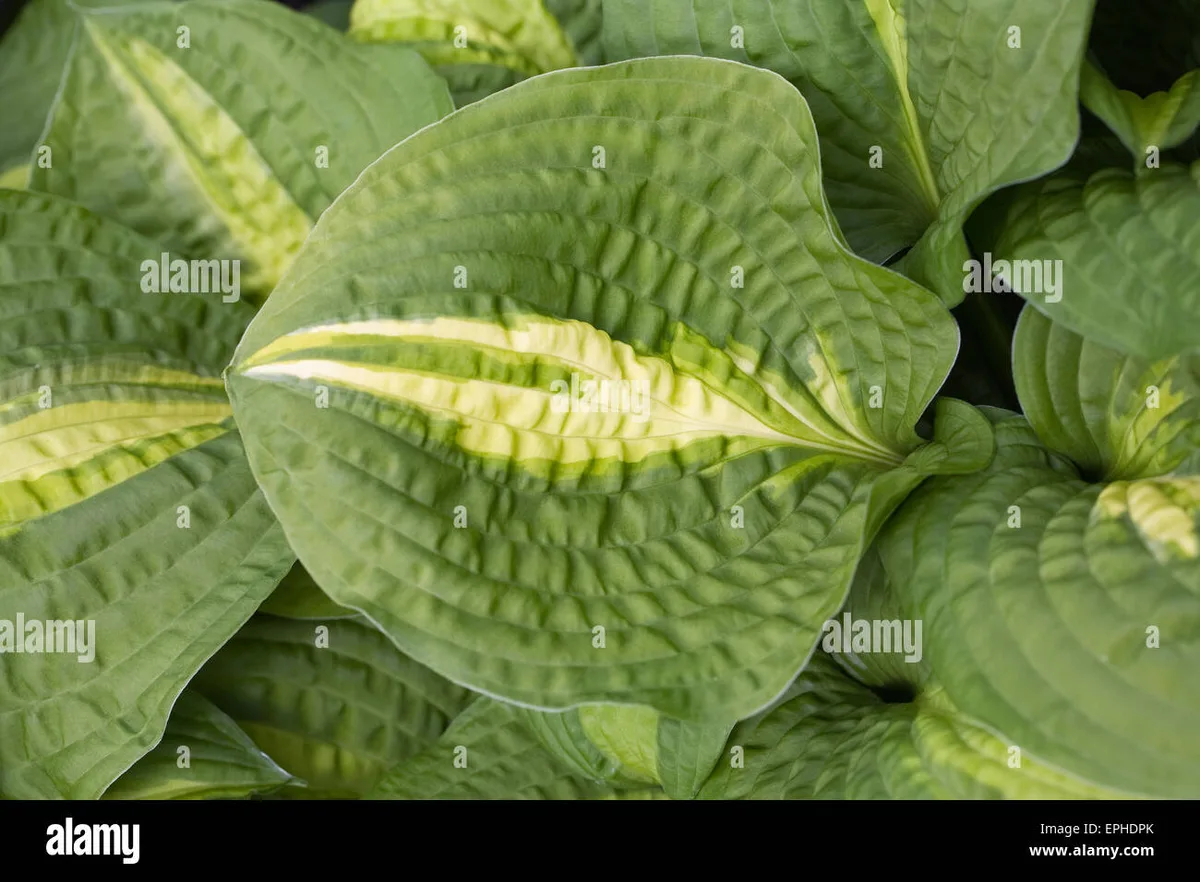
A compact, clump-forming deciduous perennial to 25cm high, with broadly heart-shaped, matt dark green leaves with cream centres and deeply impressed veins. Produces loose clusters of tubular, near white flowers on tall, upright stems in summer
Scientific classification
- Species
- plantain lily 'Lakeside Spellbinder' (Hosta 'Lakeside Spellbinder')
- Genus
- Hosta
- Family
- Asparagaceae
- Information to be completed
- Toxicity
- Herbaceous Perennial
- Plant type
- 0.1-0.5 metres
- Height
- 0.5-1 metres
- Spread
- Deciduous
- Foliage
- Clump forming
- Habit
- Spring · Summer · Autumn
- Season of interest
- Full shade · Partial shade
- Sunlight
- Information to be completed
- Ideal temperature









plantain lily 'Lakeside Spellbinder' pictures
Distribution of plantain lily 'Lakeside Spellbinder'
Distribution map
Information to be completed
Information to be completed
Culture
Information to be completed
Toxicity
Information to be completed
Quick identification of plantain lily 'Lakeside Spellbinder'
Information to be completed
plantain lily 'Lakeside Spellbinder' care guide
- Keep humus-rich soil evenly moist, especially during warm weather
- Watering
- Full shade · Partial shade
- Sunlight
- Information to be completed
- Ideal temperature

Watering
Keep humus-rich soil evenly moist, especially during warm weather
Fertilizing
 Fertilizing
Balanced shade-perennial feed monthly in spring and early summer
Pruning
 Pruning
No pruning required
Propagation
 Propagation
Propagate by division in early spring or late summer
Growing
 Growing
Grow in fertile soil that does not dry out, in a shady spot away from direct sun and with shelter from cold, drying winds. Mulch annually in spring. Hostas in the ground may need watering during dry spells. See hosta cultivation for more detailed advice
People also ask
Information to be completed
Common pests and diseases
Diseases
May be susceptible to virus diseases
Pests
May be susceptible to slugs and snails; container grown plants may be susceptible to vine weevil
Explore the plant health library →




