
devil's walking stick
Also known as: American angelica tree; Hercules' club; shot bush; Virginian angelica
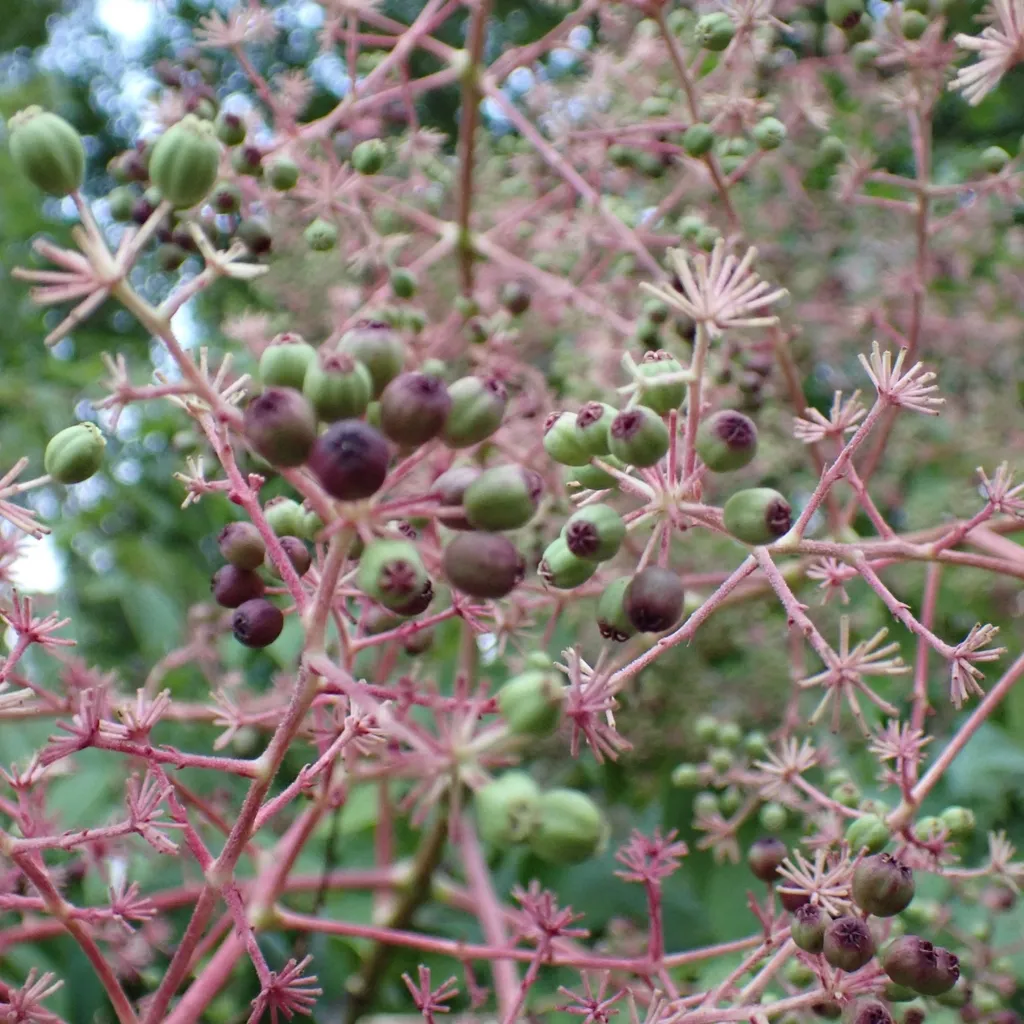
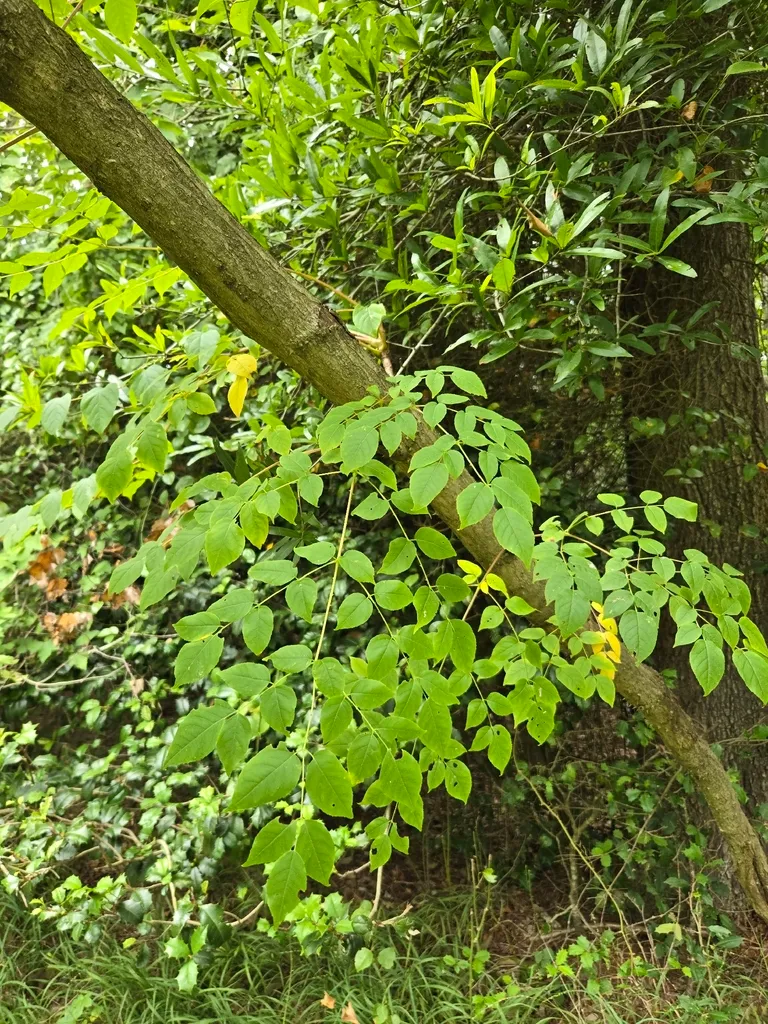
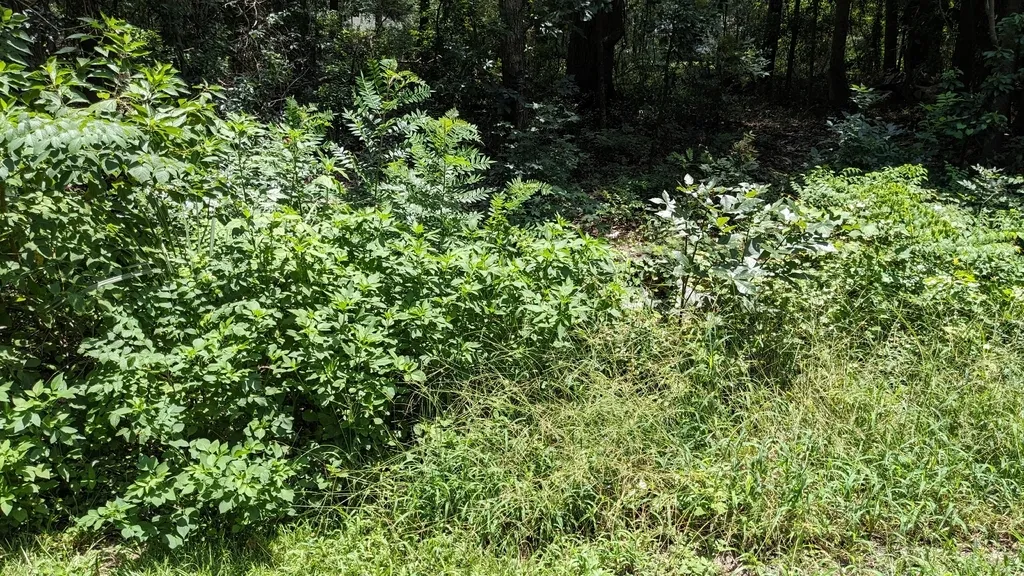
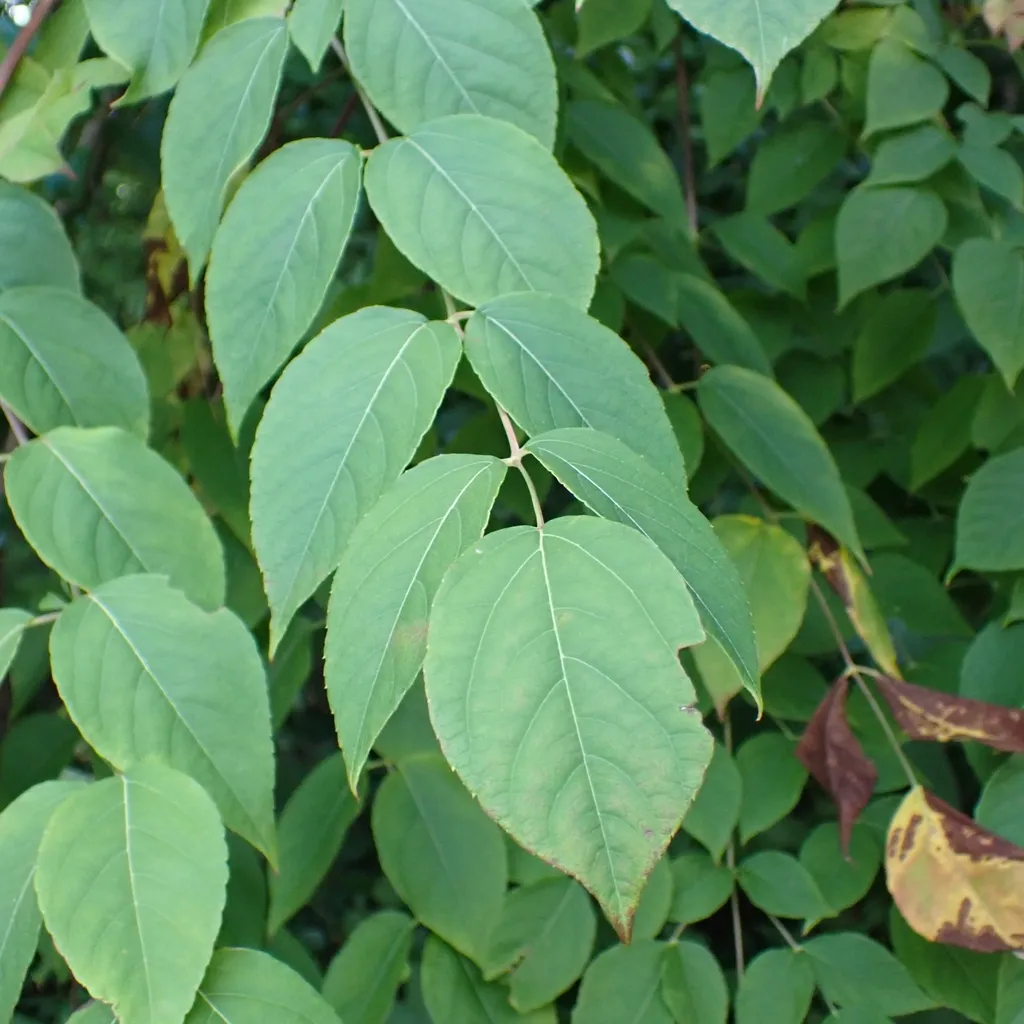
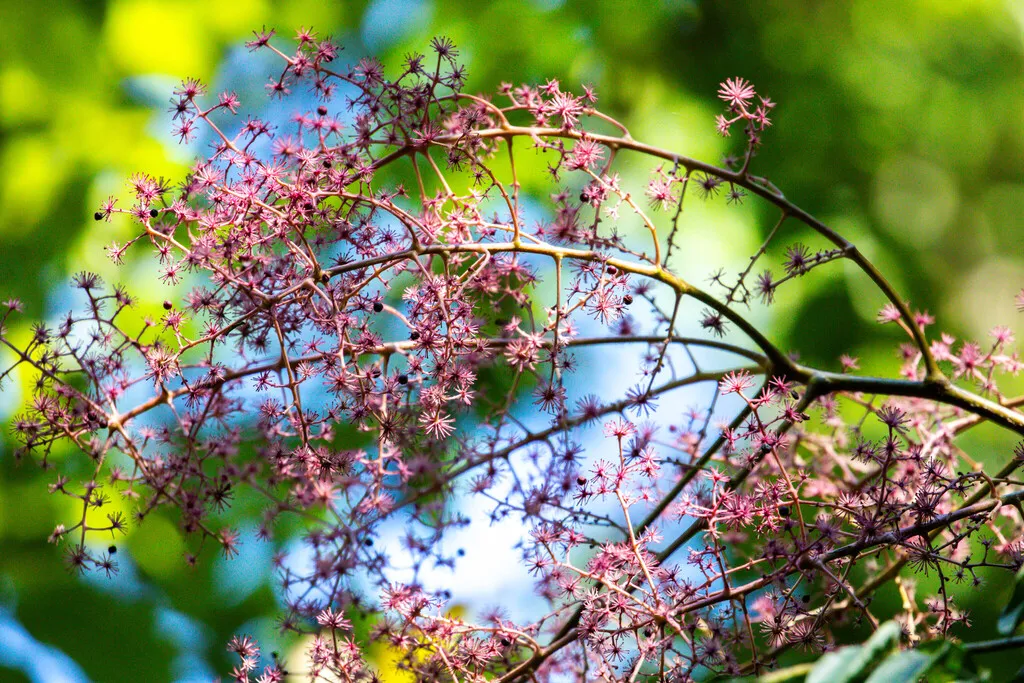
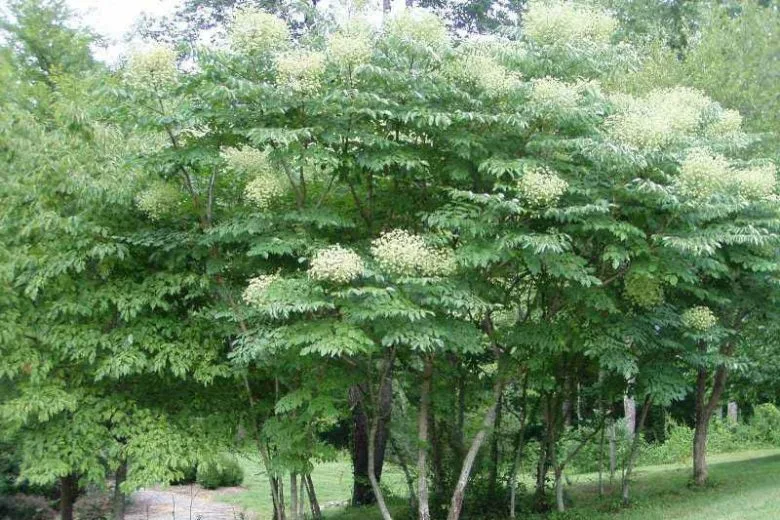
A large, suckering, deciduous shrub or small tree to 6m tall with stout, sharp spines on its stems and leaf stalks. Large compound leaves up to 1.5m long with toothed leaflets are held on sparse, club-like branches forming an umbrella-like canopy. Greenish-white, five-petalled flowers held in large panicles in summer are followed by fleshy, spherical, purple-black fruits
Scientific classification
- Species
- devil's walking stick (Aralia spinosa)
- Genus
- Aralia
- Family
- Araliaceae
- Information to be completed
- Toxicity
- Shrubs · Trees
- Plant type
- 4-8 metres
- Height
- 1.5-2.5 metres
- Spread
- Deciduous
- Foliage
- Bushy
- Habit
- Autumn · Spring · Summer
- Season of interest
- Full sun · Partial shade
- Sunlight
- Information to be completed
- Ideal temperature









devil's walking stick pictures
Distribution of devil's walking stick
Distribution map
Southeastern USA
Information to be completed
Culture
Information to be completed
Toxicity
Information to be completed
Quick identification of devil's walking stick
Information to be completed
devil's walking stick care guide
- Moderate regular watering, allowing brief slight drying between soakings
- Watering
- Full sun · Partial shade
- Sunlight
- Information to be completed
- Ideal temperature

Watering
Moderate regular watering, allowing brief slight drying between soakings
Fertilizing
 Fertilizing
Balanced perennial feed every four weeks from spring through summer
Pruning
 Pruning
No pruning required
Propagation
 Propagation
Propagate by seed, from suckers or by root cuttings
Growing
 Growing
Grows best in a moist, neutral to acidic soil in sun or partial shade but will tolerate drought and drier soils
People also ask
Information to be completed
Common pests and diseases
Diseases
May be susceptible to honey fungus in gardens where it is present but insufficient data to determine degree of susceptibility
Pests
Generally trouble free
Explore the plant health library →




