
Pyrenean squill
Also known as: lily hyacinth
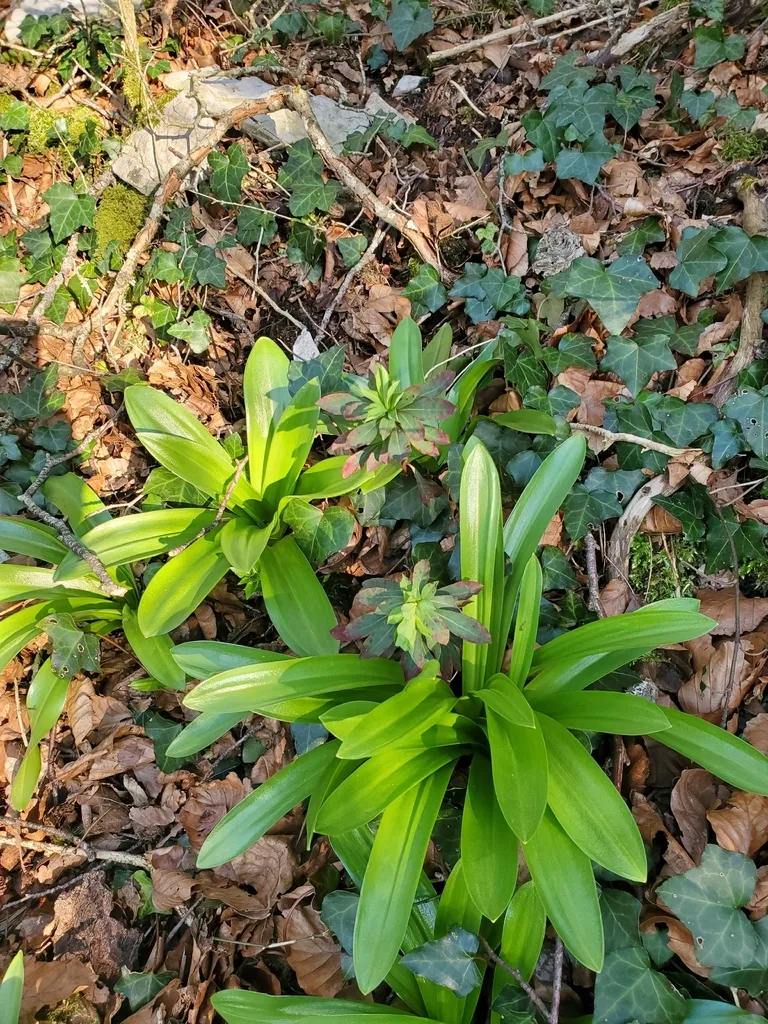
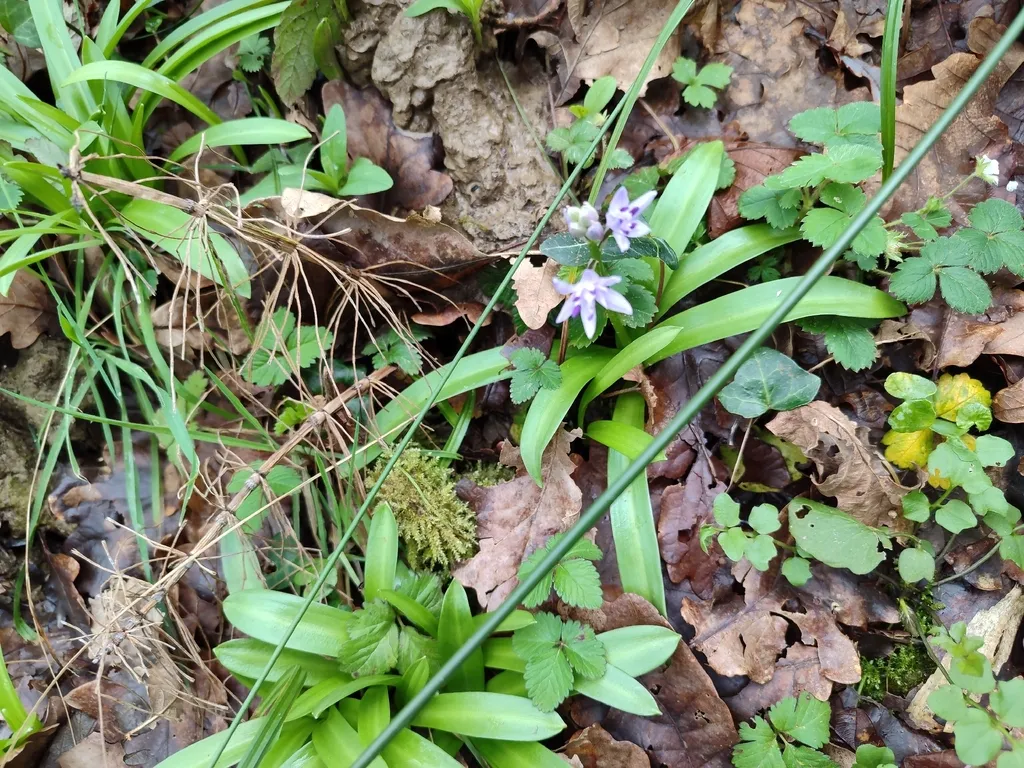
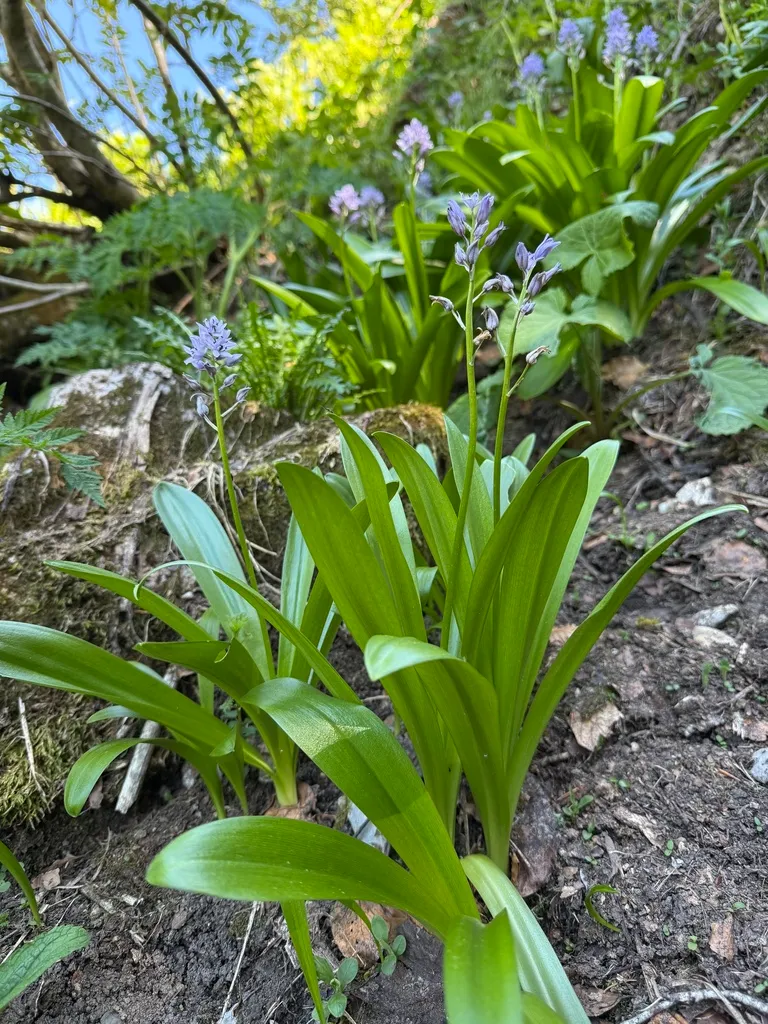
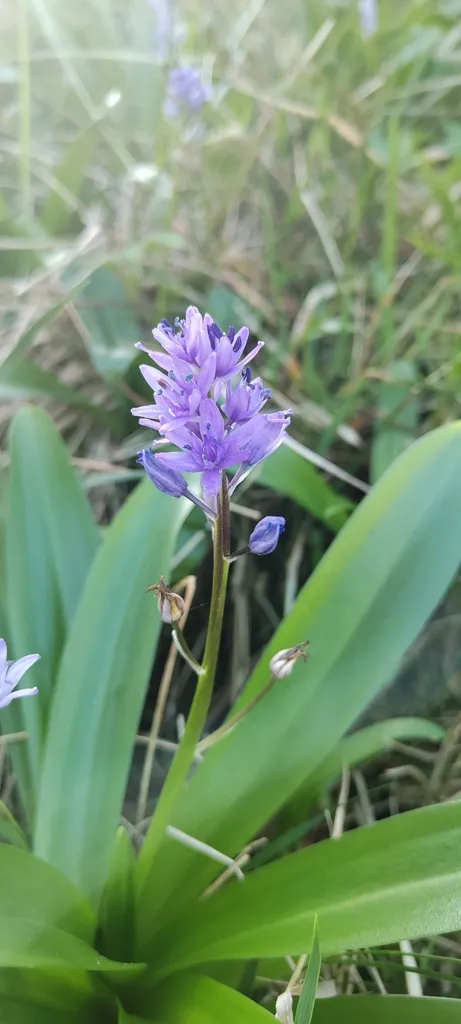
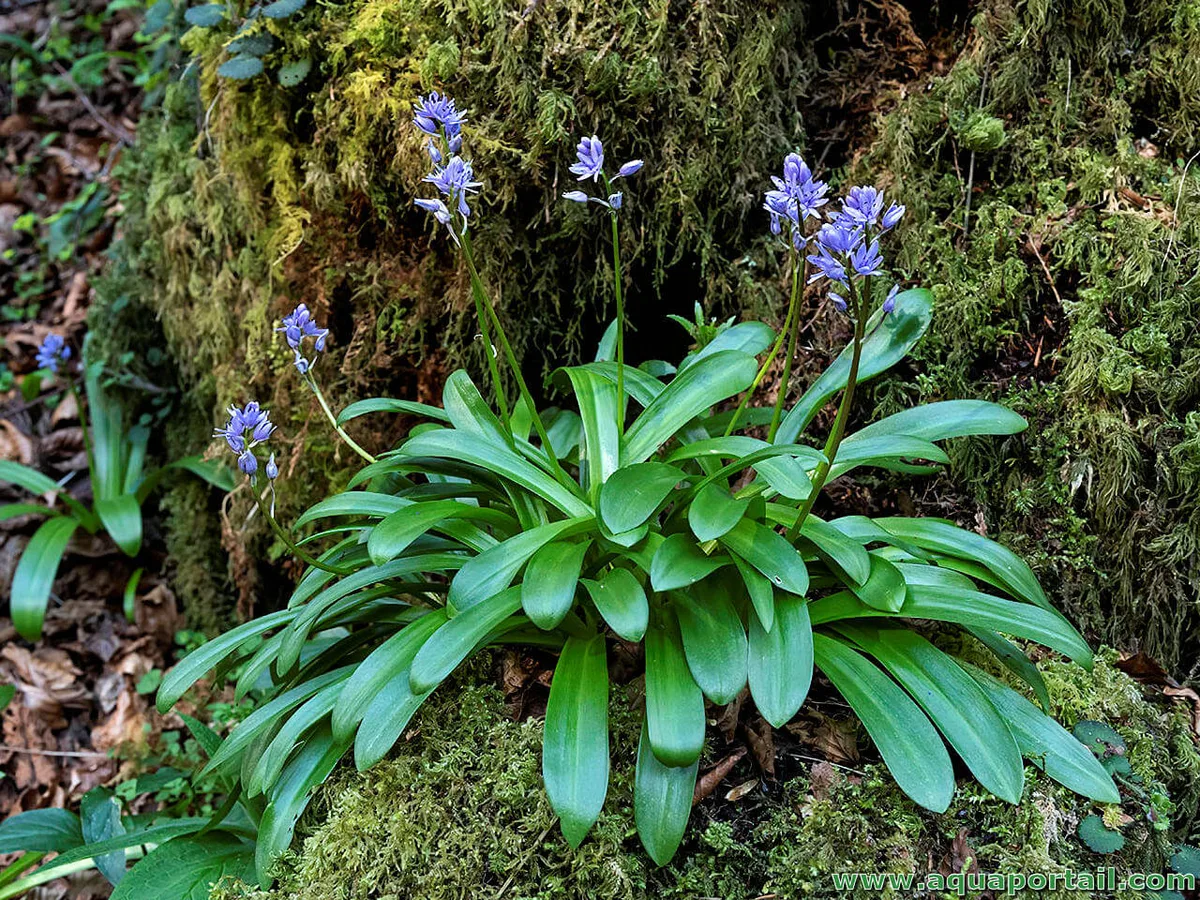
S. liliohyacinthus is a bulbous perennial with broadly strap-shaped, semi-erect, glossy basal leaves. Erect stems to 25cm tall bear loose clusters of soft blue, star-shaped flowers in spring
Scientific classification
- Species
- Pyrenean squill (Scilla lilio-hyacinthus)
- Genus
- Scilla
- Family
- Asparagaceae
- Order
- Asparagales
- Class
- Liliopsida
- Phylum
- Magnoliophyta
- Skin irritant. Wear gloves and other protective equipment when handling
- Toxicity
- Bulbs
- Plant type
- 0.1-0.5 metres
- Height
- 0.1-0.5 metres
- Spread
- Deciduous
- Foliage
- Bushy
- Habit
- Spring · Winter
- Season of interest
- Full sun · Partial shade
- Sunlight
- Information to be completed
- Ideal temperature









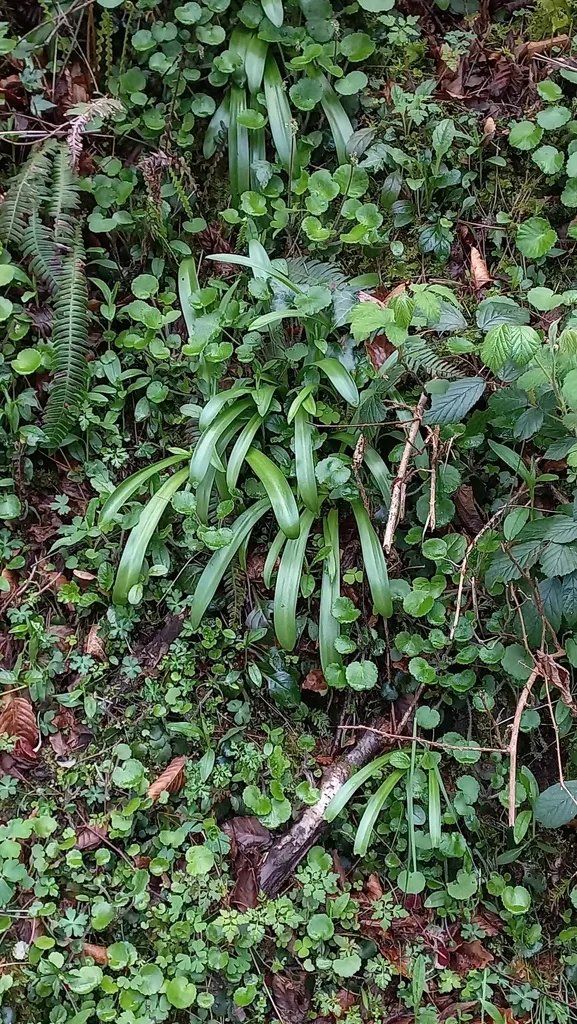
Pyrenean squill pictures
Distribution of Pyrenean squill
Distribution map
- Native
- Introduced
- Cultivated
Source:WCVP v16 · Royal Botanic Gardens, Kew · CC BY 3.0 · Boundaries:WGSRPD / TDWG
Toxicity
Skin irritant. Wear gloves and other protective equipment when handling
Pyrenean squill care guide
- Moist soil during active growth, then reduce watering after foliage yellows
- Watering
- Full sun · Partial shade
- Sunlight

Watering
Moist soil during active growth, then reduce watering after foliage yellows
Fertilizing
 Fertilizing
Light bulb fertilizer at emergence and again after flowering
Pruning
 Pruning
No pruning required
Propagation
 Propagation
Propagate by seed, sown in pots in a cold frame when ripe, keep shaded and do not allow to dry out. Alternatively remove offsets in summer. See bulb propagation
Growing
 Growing
Ideal for naturalising in grass or a gravel garden in full sun and a well-drained soil. Plant bulbs two to three times their depth. Please see bulb cultivation page
Common pests and diseases
Diseases
Generally disease-free
Pests
May be susceptible to slugs and snails
Explore the plant health library →




