
garden anchusa
Also known as: Italian alkanet; Italian borage; sea borage
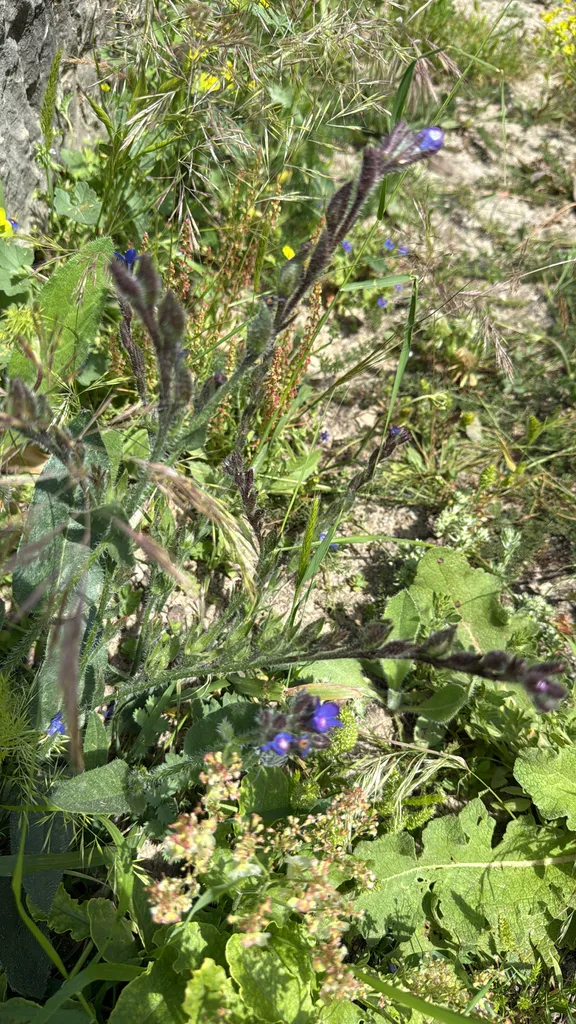
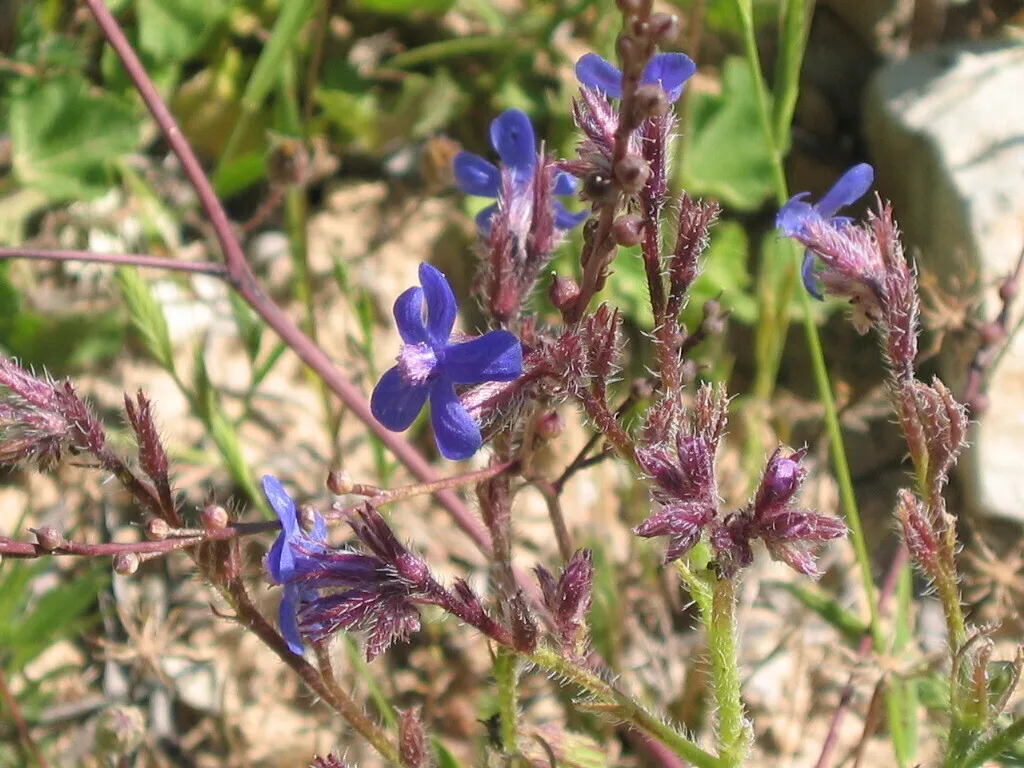
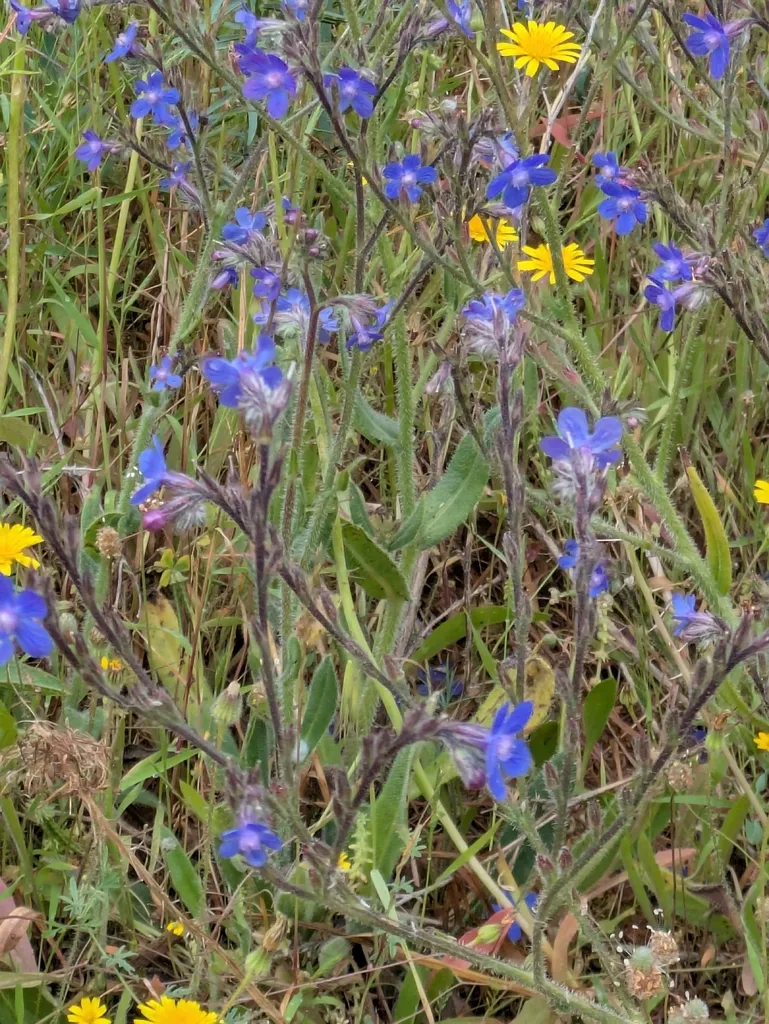
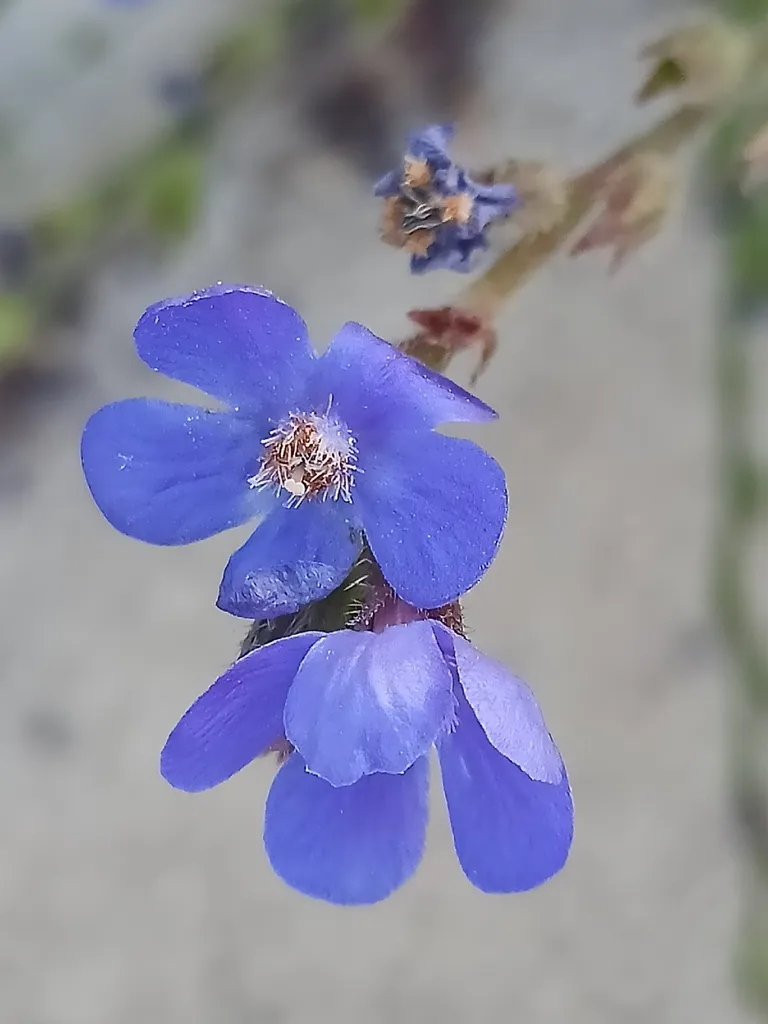
A herbaceous perennial to 90cm with coarsely-hairy, lance-shaped, mostly basal leaves. Bright gentian-blue flowers, aging to blue-purple, are borne on erect, branching stems
Scientific classification
- Species
- garden anchusa (Anchusa azurea)
- Genus
- Anchusa
- Family
- Boraginaceae
- Information to be completed
- Toxicity
- Herbaceous Perennial
- Plant type
- 0.5-1 metres
- Height
- 0.1-0.5 metres
- Spread
- Deciduous
- Foliage
- Information to be completed
- Habit
- Spring · Summer · Autumn
- Season of interest
- Full sun · Partial shade
- Sunlight
- Information to be completed
- Ideal temperature









garden anchusa pictures
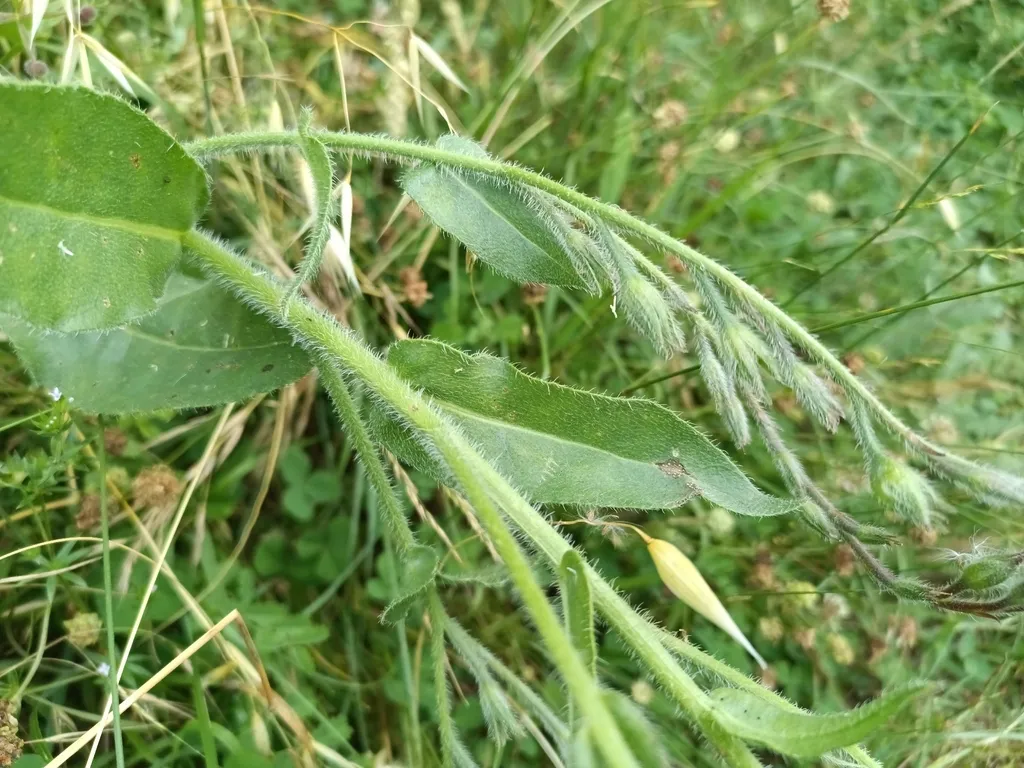
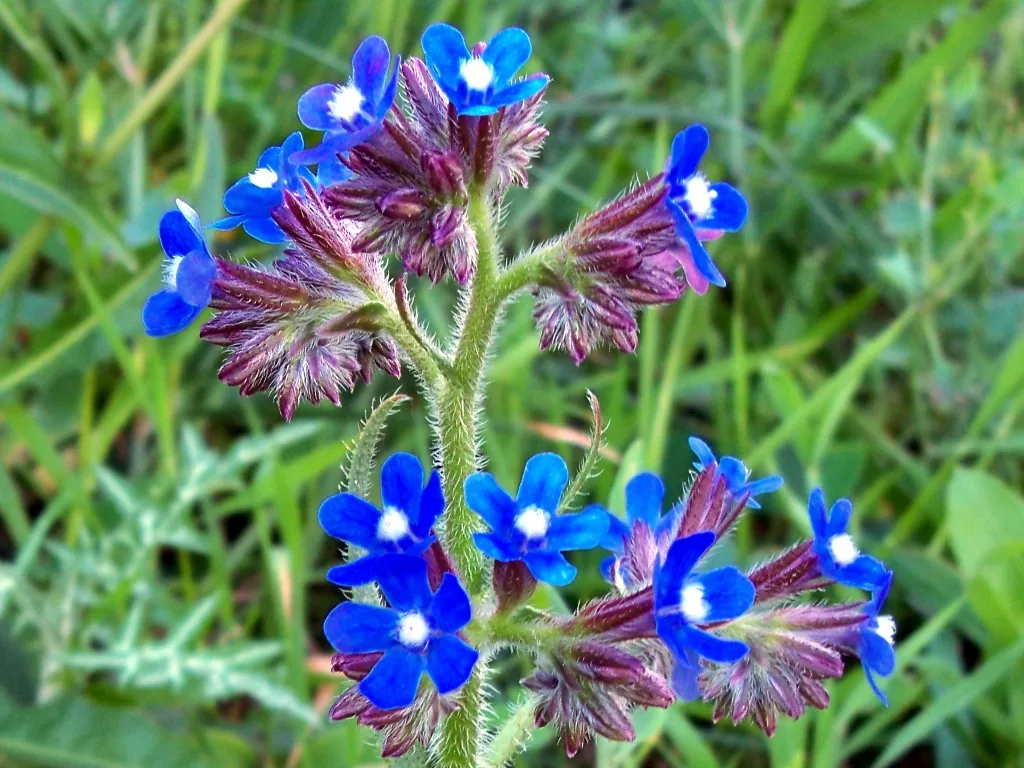
Distribution of garden anchusa
Distribution map
Europe, Northern Africa, Western Asia
Information to be completed
Culture
Information to be completed
Toxicity
Information to be completed
Quick identification of garden anchusa
Information to be completed
garden anchusa care guide
- Moderate regular watering, allowing brief slight drying between soakings
- Watering
- Full sun · Partial shade
- Sunlight
- Information to be completed
- Ideal temperature

Watering
Moderate regular watering, allowing brief slight drying between soakings
Fertilizing
 Fertilizing
Balanced perennial feed every four weeks from spring through summer
Pruning
 Pruning
Deadhead to encourage a second flush of flowers. Cut back top growth after flowering to encourage overwintering rosettes of foliage
Propagation
 Propagation
Propagate by seed, root cuttings or by softwood cuttings from the base of young shoots
Growing
 Growing
Grows in any moderately fertile, moist but well-drained soil in full sun, although it can also tolerate partial shade. It thrives in moist soils but dislikes winter wet. May need staking
People also ask
Information to be completed
Common pests and diseases
Diseases
May be infected by powdery mildews
Pests
Can get leaf-mining flies
Explore the plant health library →




