
Dasylirion quadrangulatum
Also known as: Information to be completed
A succulent, evergreen shrub, forming a sphere of foliage on a stout trunk ultimately to 1.2m tall. The pale green leaves are narrow and linear and fan out from the centre of the rosette. In summer a very tall, slender flowerspike is produced, densely packed with bell-shaped, greenish-white flowers. Borderline hardy in sharply-draining soil in a sheltered, sunny position
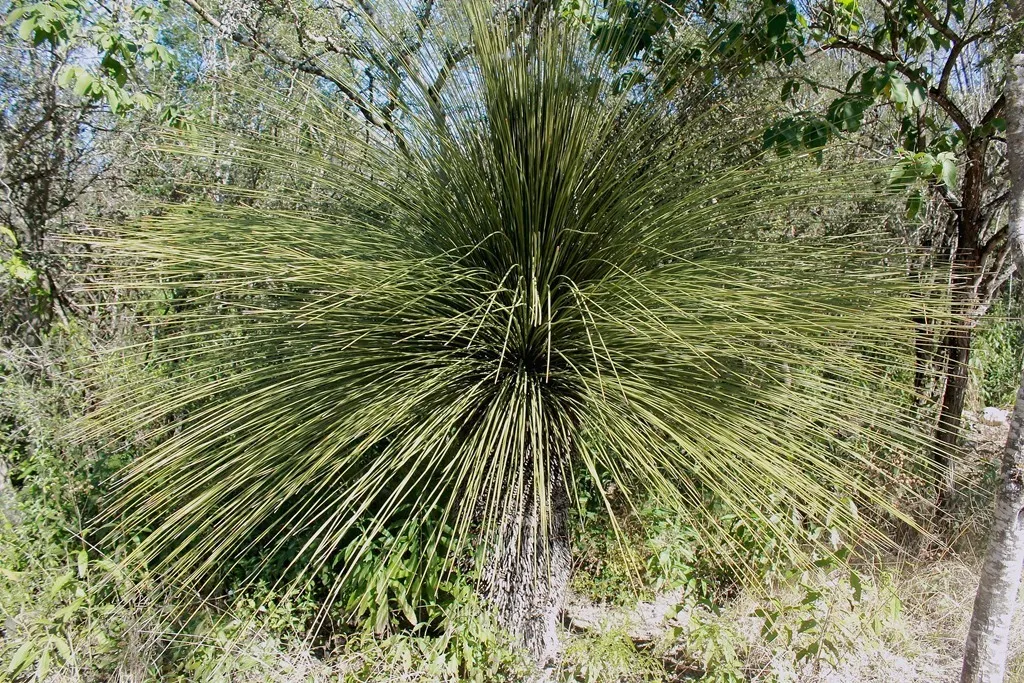
Scientific classification
- Species
- Dasylirion quadrangulatum (Dasylirion quadrangulatum)
- Genus
- Dasylirion
- Family
- Asparagaceae
- Order
- Asparagales
- Class
- Liliopsida
- Phylum
- Magnoliophyta
- Information to be completed
- Toxicity
- Cactus Succulent · Shrubs
- Plant type
- 1-1.5 metres
- Height
- 1-1.5 metres
- Spread
- Evergreen
- Foliage
- Tufted
- Habit
- Spring · Summer · Autumn · Winter
- Season of interest
- Full sun
- Sunlight
- Information to be completed
- Ideal temperature









Dasylirion quadrangulatum pictures
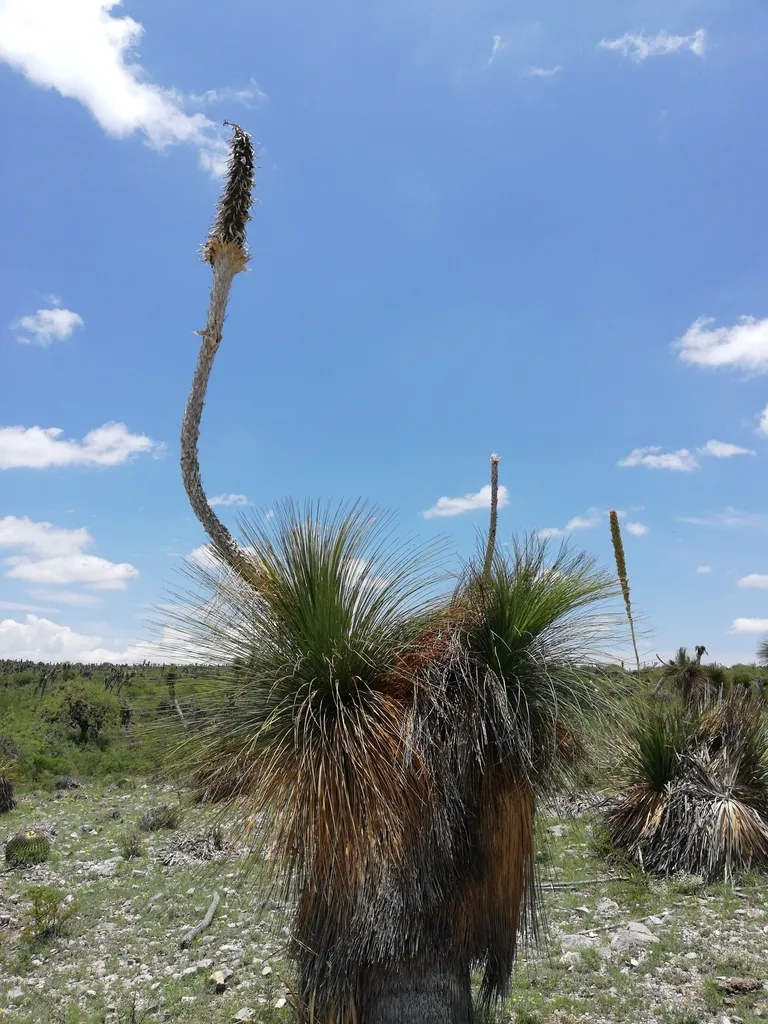
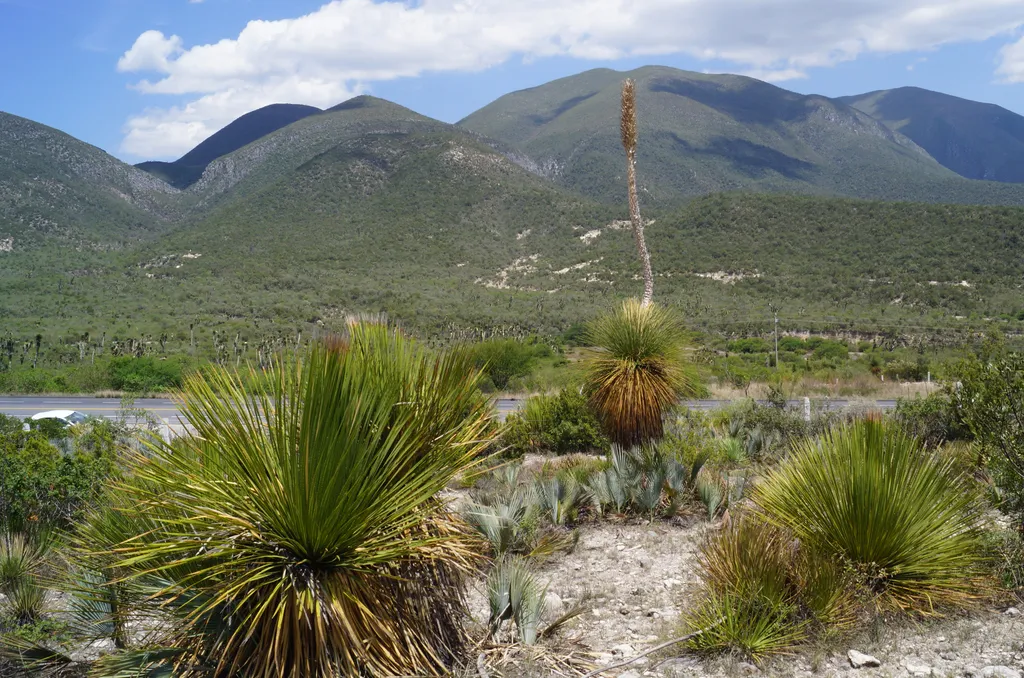
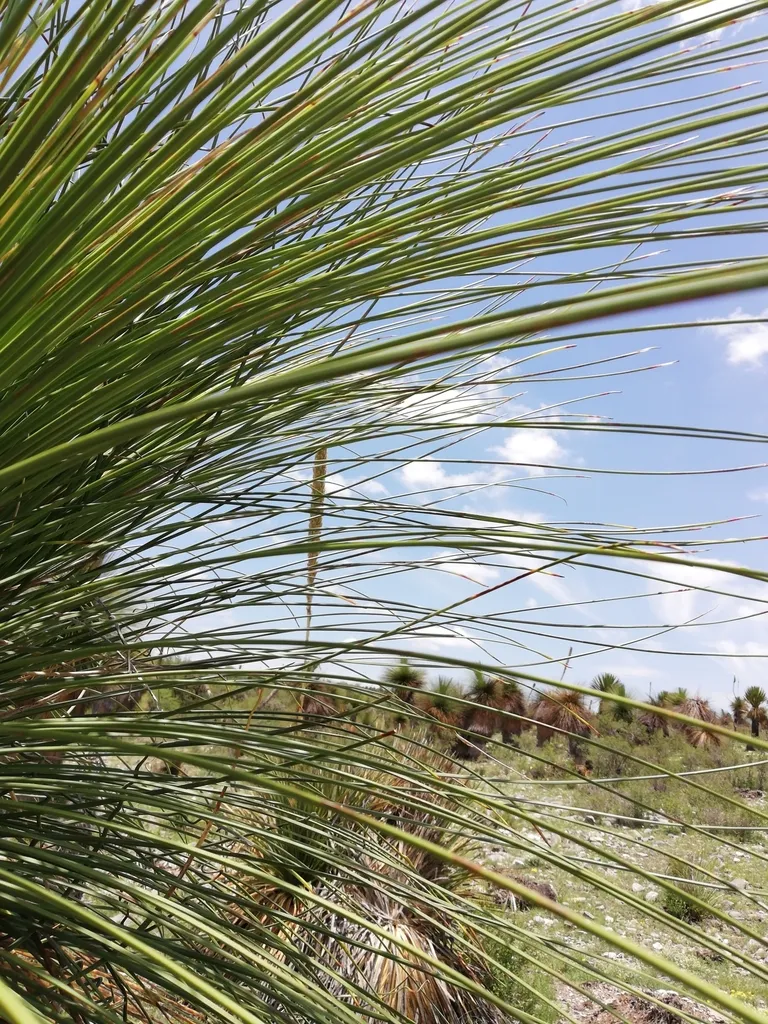
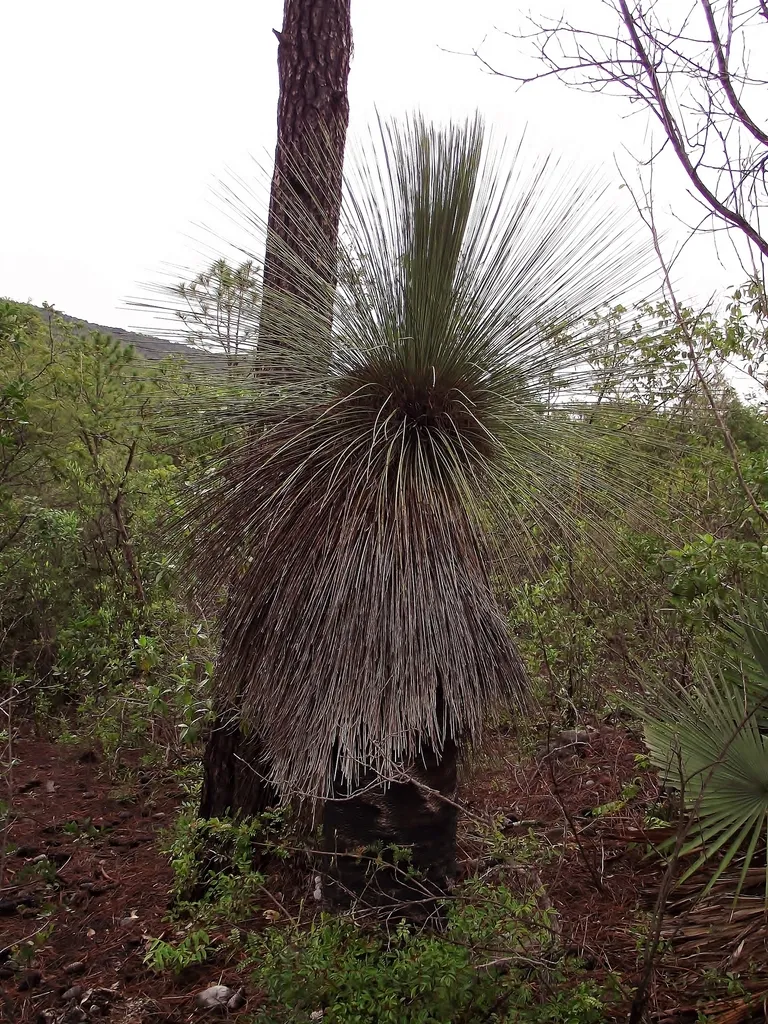
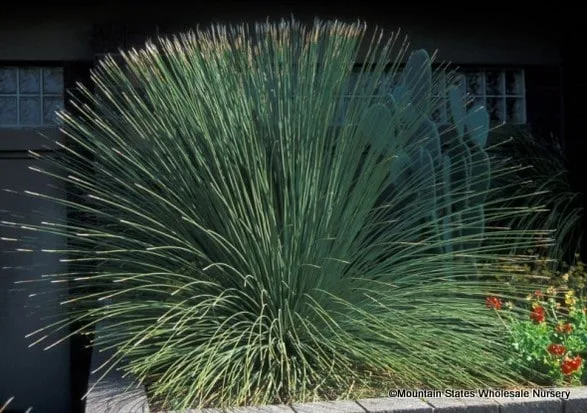
Distribution of Dasylirion quadrangulatum
Distribution map
- Native
- Introduced
- Cultivated
Source:WCVP v16 · Royal Botanic Gardens, Kew · CC BY 3.0 · Boundaries:WGSRPD / TDWG
Dasylirion quadrangulatum care guide
- Moderate regular watering, allowing brief slight drying between soakings
- Watering
- Full sun
- Sunlight

Watering
Moderate regular watering, allowing brief slight drying between soakings
Fertilizing
 Fertilizing
Balanced perennial feed every four weeks from spring through summer
Pruning
 Pruning
No pruning required
Propagation
 Propagation
Propagate by sowing seed at 21°C in spring
Growing
 Growing
Under glass grow in a mix of 2 parts each loam and sand, and 1 part each leaf mould and peat substitute. provide full light and low humidity. In the growing season, water freely and apply a balanced liquid fertiliser monthly; keep almost dry at other times. In summer, move containerised specimens outside. Outdoors grow in very sharply draining soil in a very sheltered, sunny spot
Common pests and diseases
Diseases
Generally disease-free
Pests
May be susceptible to mealybugs and scale insects
Explore the plant health library →




