
crocus 'Yalta'
Also known as: Information to be completed
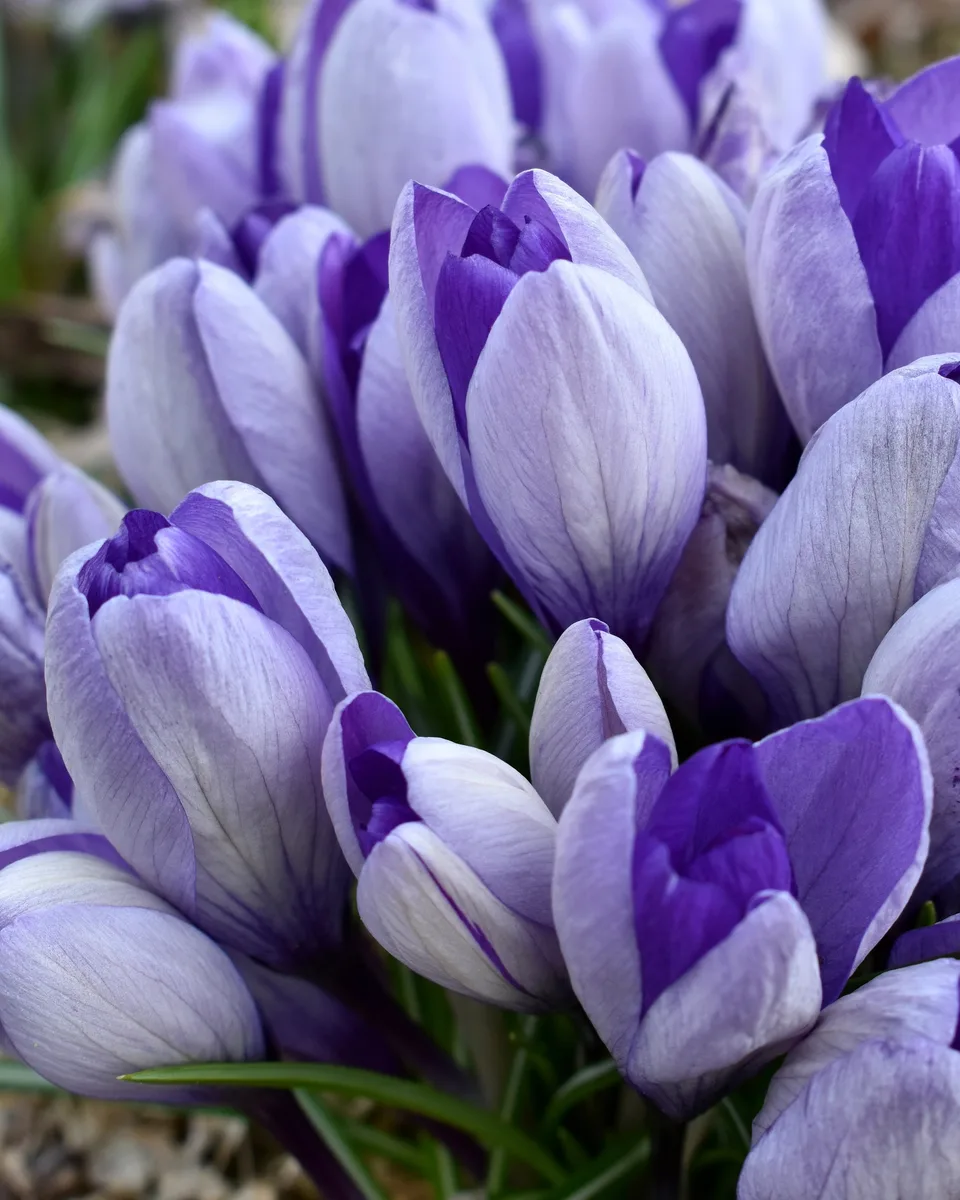
A cormous perennial 8cm high with tufted green leaves with a central silvery-white stripe, and flowers which have purple inner tepals, silvery blue outer tepals, and orange stigmas and stamens, in late winter and early spring; crocuses are a good source of pollen for honeybees early in the season
Scientific classification
- Species
- crocus 'Yalta' (Crocus 'Yalta')
- Genus
- Crocus
- Family
- Iridaceae
- Ornamental bulbs - not to be eaten. Wear gloves and other protective equipment when handling
- Toxicity
- Bulbs
- Plant type
- Up to 10 cm
- Height
- 0-0.1 metre
- Spread
- Deciduous
- Foliage
- Tufted
- Habit
- Spring · Winter
- Season of interest
- Full sun
- Sunlight
- Information to be completed
- Ideal temperature









crocus 'Yalta' pictures
Distribution of crocus 'Yalta'
Distribution map
Information to be completed
Information to be completed
Culture
Information to be completed
Toxicity
Ornamental bulbs - not to be eaten. Wear gloves and other protective equipment when handling
Quick identification of crocus 'Yalta'
Information to be completed
crocus 'Yalta' care guide
- Moist in growth, dry down after foliage yellows
- Watering
- Full sun
- Sunlight
- Information to be completed
- Ideal temperature

Watering
Moist in growth, dry down after foliage yellows
Fertilizing
 Fertilizing
Light bulb feed in late winter or early spring
Pruning
 Pruning
No pruning required
Propagation
 Propagation
Propagate by removing cormlets during dormancy; for more advice, see bulb propagation
Growing
 Growing
Plant 8-10cm deep in autumn in gritty, poor to moderately fertile, well-drained soil, in full sun; for more advice, see bulb cultivation
People also ask
Information to be completed
Common pests and diseases
Diseases
Generally disease-free, corms may rot in storage
Pests
May be susceptible to rodents and birds
Explore the plant health library →




