
hydrangea 'Zebra'
Also known as: Information to be completed
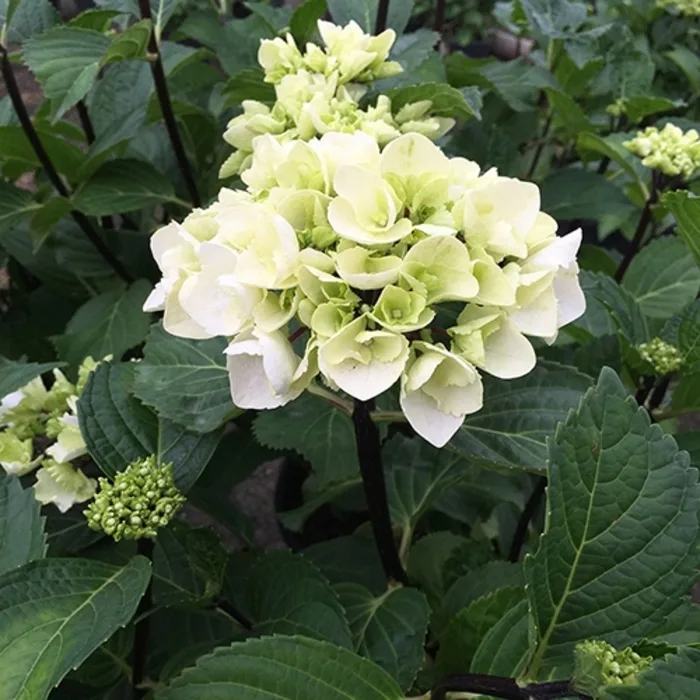
A compact, bushy, deciduous shrub with light green flower heads which fade to pure white and last from June to October. These flowerheads contrast with nearly black stems and dark green foliage.
Scientific classification
- Species
- hydrangea 'Zebra' (Hydrangea macrophylla 'Zebra')
- Genus
- Hydrangea
- Family
- Hydrangeaceae
- Skin allergen. Wear gloves and other protective equipment when handling
- Toxicity
- Shrubs
- Plant type
- Information to be completed
- Height
- Information to be completed
- Spread
- Deciduous
- Foliage
- Columnar upright
- Habit
- Spring · Summer · Autumn
- Season of interest
- Full sun · Partial shade
- Sunlight
- Information to be completed
- Ideal temperature









hydrangea 'Zebra' pictures
Distribution of hydrangea 'Zebra'
Distribution map
Information to be completed
Information to be completed
Culture
Information to be completed
Toxicity
Skin allergen. Wear gloves and other protective equipment when handling
Quick identification of hydrangea 'Zebra'
Information to be completed
hydrangea 'Zebra' care guide
- Keep soil consistently moist, especially in warm weather
- Watering
- Full sun · Partial shade
- Sunlight
- Information to be completed
- Ideal temperature

Watering
Keep soil consistently moist, especially in warm weather
Fertilizing
 Fertilizing
Hydrangea feed in spring and again early summer
Pruning
 Pruning
Little pruning is needed. Remove diseased, damaged, crowded or crossing shoots and unwanted growth. Timing depends on the plant: generally late winter or early spring; plants prone to bleeding and deciduous magnolias need different timing, and deciduous azaleas and lilacs are pruned after flowering.
Propagation
 Propagation
Propagate by softwood cuttings
Growing
 Growing
Best grown in moist, well-drained soil, preferably in a spot with afternoon shade. It will tolerate full sun, however with potential scorching of flowers. Don't let dry out.
People also ask
Information to be completed
Common pests and diseases
Diseases
May be susceptible to a leaf spot, powdery mildews, grey moulds (Botrytis) and honey fungus (rarely)
Pests
May be susceptible to capsid bug, glasshouse red spider mite and hydrangea scale
Explore the plant health library →




