
yellow bleeding heart vine
Also known as: Information to be completed
A herbaceous climber with deeply lobed leaves 15-30cm long, some with tendrils. Yellow or sometimes white 2.5cm long flowers, occasionally tipped with pink or purple, emerge from mid-spring to late summer
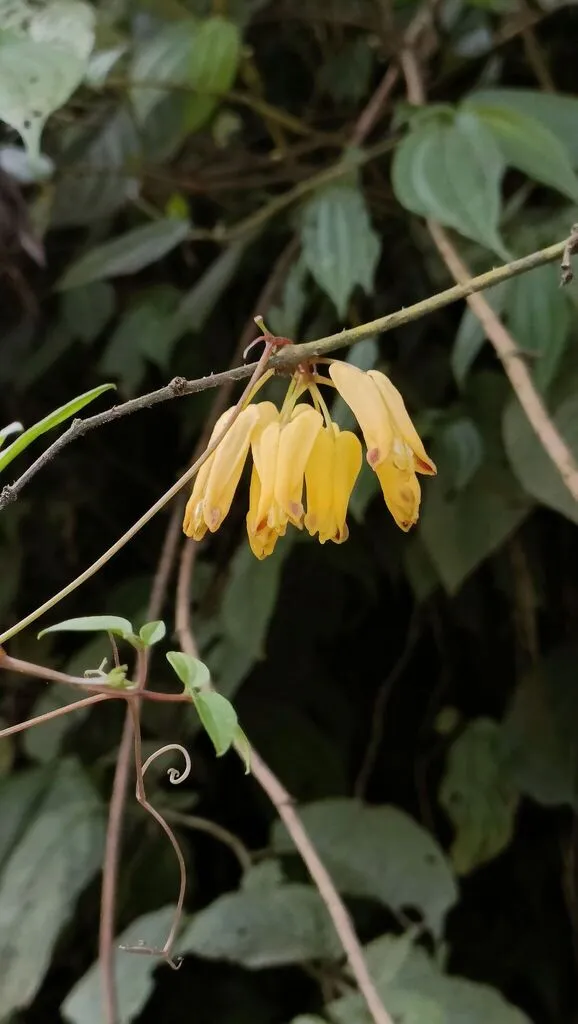
Scientific classification
- Species
- yellow bleeding heart vine (Dactylicapnos scandens)
- Genus
- Dactylicapnos
- Family
- Papaveraceae
- Can cause stomach upset if ingested and contact with foliage may aggravate skin allergies. Wear gloves and other protective equipment when handling
- Toxicity
- Climber Wall Shrub · Conservatory Greenhouse
- Plant type
- 2.5-4 metres
- Height
- 1-1.5 metres
- Spread
- Deciduous
- Foliage
- Climbing
- Habit
- Spring · Summer · Autumn
- Season of interest
- Partial shade
- Sunlight
- Information to be completed
- Ideal temperature









yellow bleeding heart vine pictures

Distribution of yellow bleeding heart vine
Distribution map
Central Nepal to Southern China
Information to be completed
Culture
Information to be completed
Toxicity
Can cause stomach upset if ingested and contact with foliage may aggravate skin allergies. Wear gloves and other protective equipment when handling
Quick identification of yellow bleeding heart vine
Information to be completed
yellow bleeding heart vine care guide
- Moderate regular watering, avoid prolonged drought and stagnant waterlogging
- Watering
- Partial shade
- Sunlight
- Information to be completed
- Ideal temperature

Watering
Moderate regular watering, avoid prolonged drought and stagnant waterlogging
Fertilizing
 Fertilizing
Balanced perennial feed every four weeks spring through summer growth
Pruning
 Pruning
Cut back foliage down to ground level at end of growing season
Propagation
 Propagation
Propagate by seed; sow fresh seed in vermiculite or grit and place in a cold frame through winter (stratifying). If the clump is large enough, propagation may be possible by division when the plant is dormant
Growing
 Growing
Grow in partial shade in a moist but well-drained, humus rich soil. A soil rich in leaf mould is ideal. Avoid soils that are prone to drying out or staying wet. Plant in a sheltered spot
People also ask
Information to be completed
Common pests and diseases
Diseases
Generally trouble free
Pests
Slugs and snails may be problematic
Explore the plant health library →




