
jelly palm
Also known as: pindo palm
An elegant palm with long, arching, grey-green leaves. Tolerant of cold and wet conditions it can make a great specimen plant in mild areas, but will require some protection in areas with very harsh winter weather
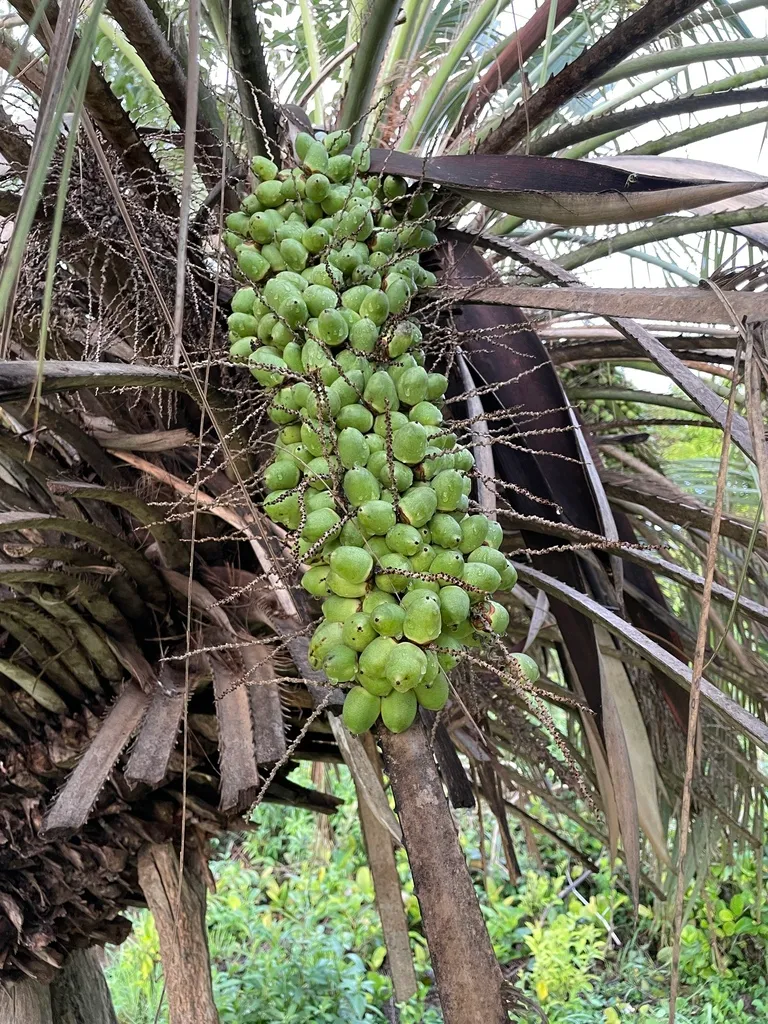
Scientific classification
- Species
- jelly palm (Butia capitata)
- Genus
- Butia
- Family
- Arecaceae
- Information to be completed
- Toxicity
- Palms
- Plant type
- 4-8 metres
- Height
- 1.5-2.5 metres
- Spread
- Evergreen
- Foliage
- Columnar upright
- Habit
- Spring · Summer · Autumn · Winter
- Season of interest
- Full sun
- Sunlight
- Information to be completed
- Ideal temperature









jelly palm pictures
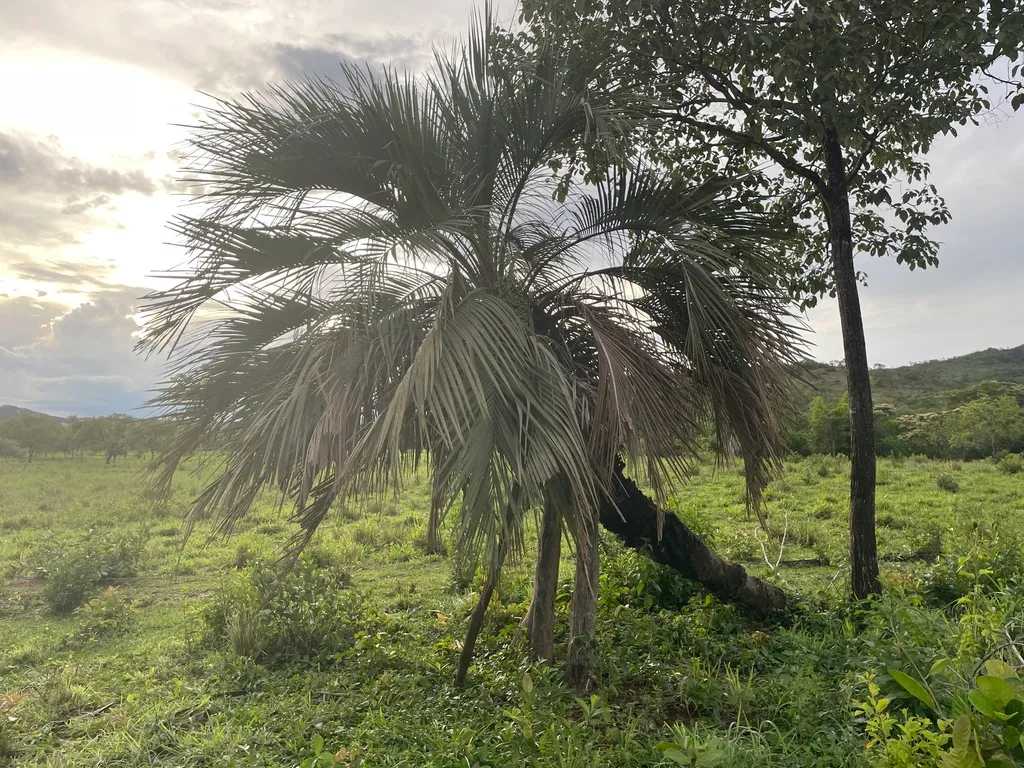
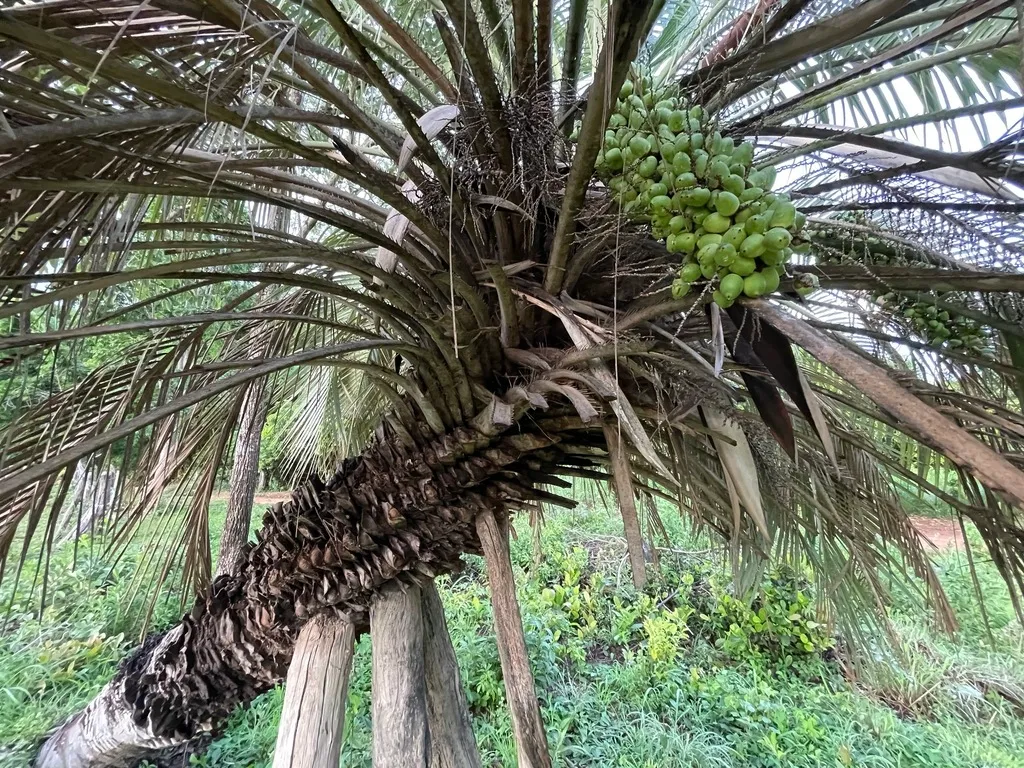
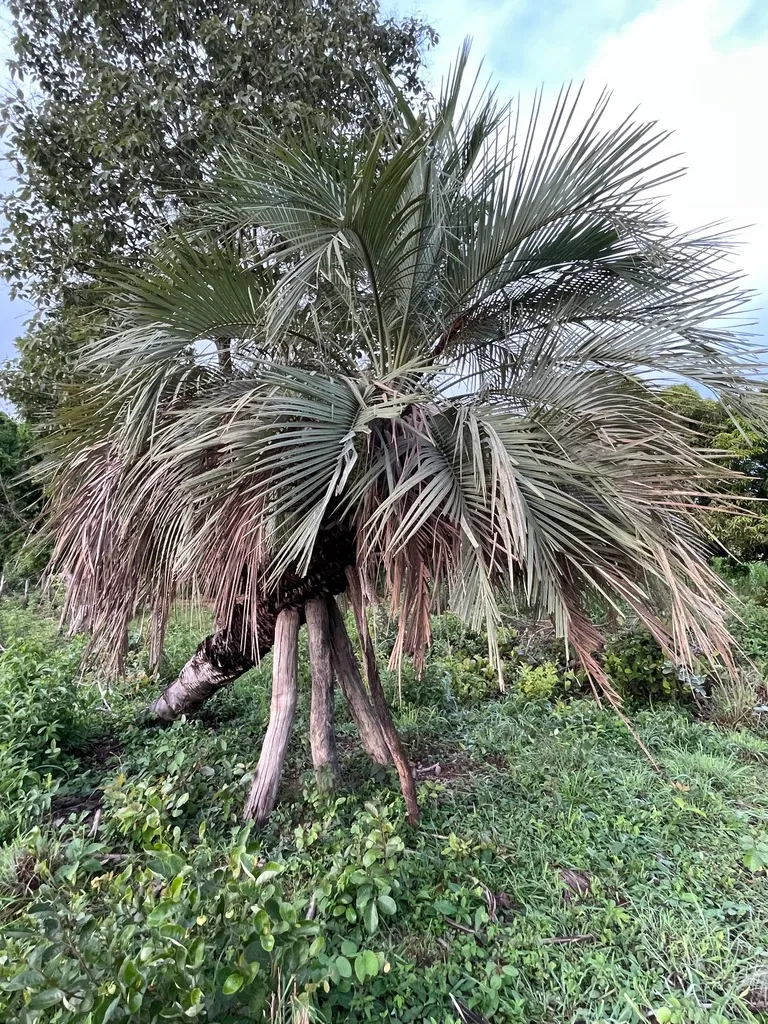
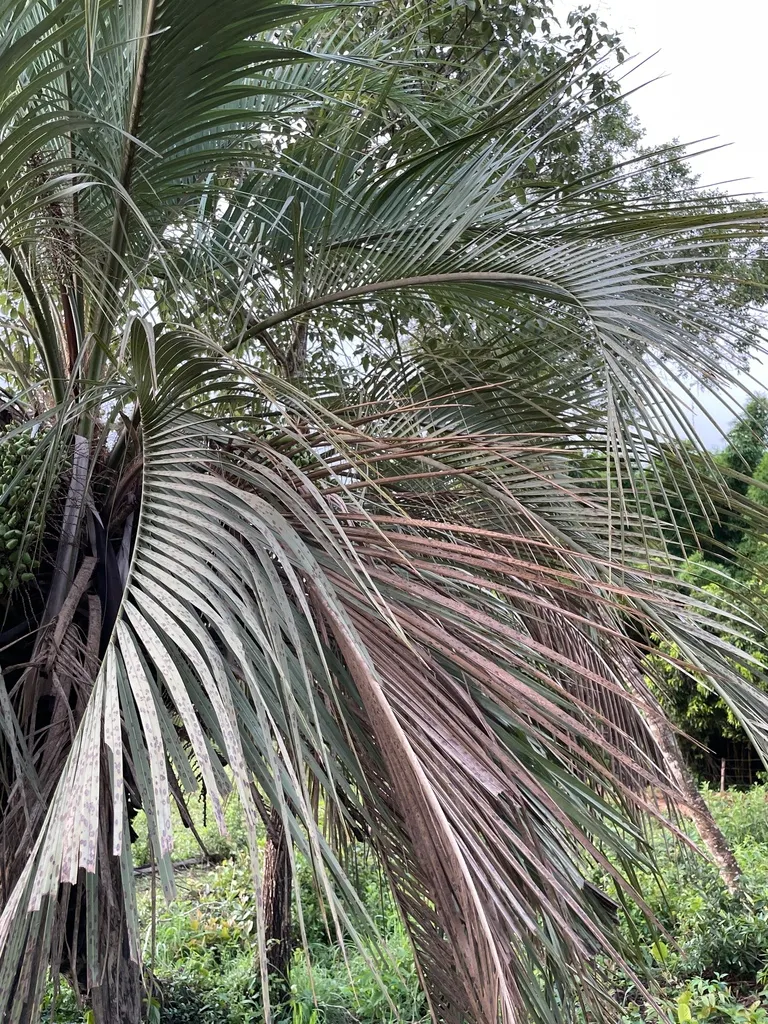
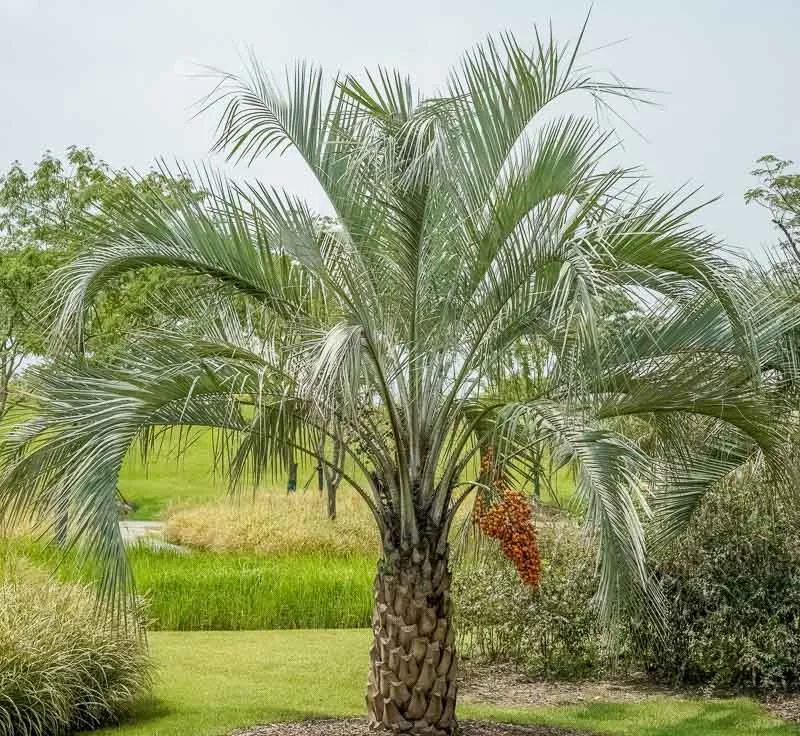
Distribution of jelly palm
Distribution map
Brazil to Uruguay
Information to be completed
Culture
Information to be completed
Toxicity
Information to be completed
Quick identification of jelly palm
Information to be completed
jelly palm care guide
- Moderate regular watering, avoid prolonged drought and stagnant waterlogging
- Watering
- Full sun
- Sunlight
- Information to be completed
- Ideal temperature

Watering
Moderate regular watering, avoid prolonged drought and stagnant waterlogging
Fertilizing
 Fertilizing
Balanced perennial feed every four weeks spring through summer growth
Pruning
 Pruning
No pruning required
Propagation
 Propagation
Propagate by sowing seed at 25°C in spring
Growing
 Growing
If growing in pots, use a loam-based compost and position in full sun. Water freely in summer and apply a balanced liquid feed weekly. In very cold areas the pots should be moved to a sheltered corner or greennhouse over winter. In milder areas plant into the ground in spring, selecting a sheltered site where the ground does not become waterlogged. See palm cultivation outdoors for further information
People also ask
Information to be completed
Common pests and diseases
Diseases
Generally disease-free
Pests
May be susceptible to red spider mite and scale insects if grown under glass
Explore the plant health library →




