
Carolina allspice
Also known as: strawberry shrub
Also known as the spicebush. It is a dense, spreading, bushy and sometimes suckering deciduous specimen shrub, bearing oblong to oval dark green to yellow leaves with hairy undersides. Dark brownish-red calyx-like strappy-petalled very fragrant flowers are borne at the ends of short branchlets in May. The fragrance is described as combining hints of pineapple, strawberry and banana. Urn-shaped fruit capsules follow flowers and persist throughout the winter.
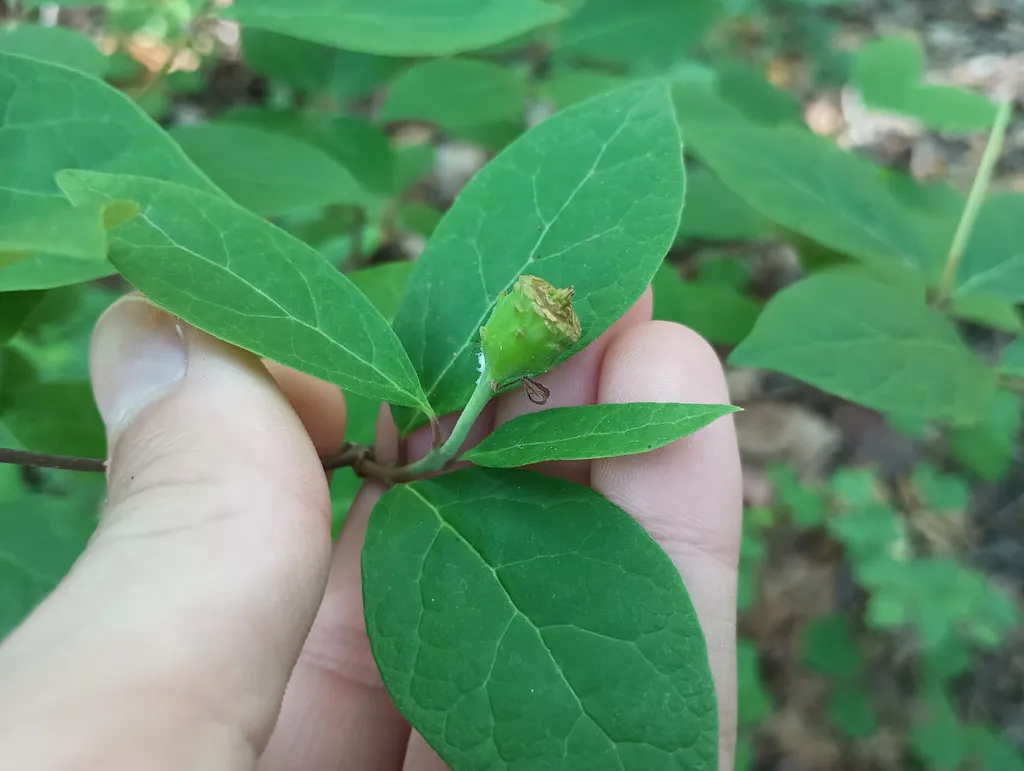
Scientific classification
- Species
- Carolina allspice (Calycanthus floridus)
- Genus
- Calycanthus
- Family
- Calycanthaceae
- Harmful if eaten. Wear gloves and other protective equipment when handling
- Toxicity
- Shrubs
- Plant type
- 2.5-4 metres
- Height
- 2.5-4 metres
- Spread
- Deciduous
- Foliage
- Bushy · Columnar upright
- Habit
- Autumn · Spring · Summer
- Season of interest
- Full sun · Partial shade
- Sunlight
- Information to be completed
- Ideal temperature









Carolina allspice pictures
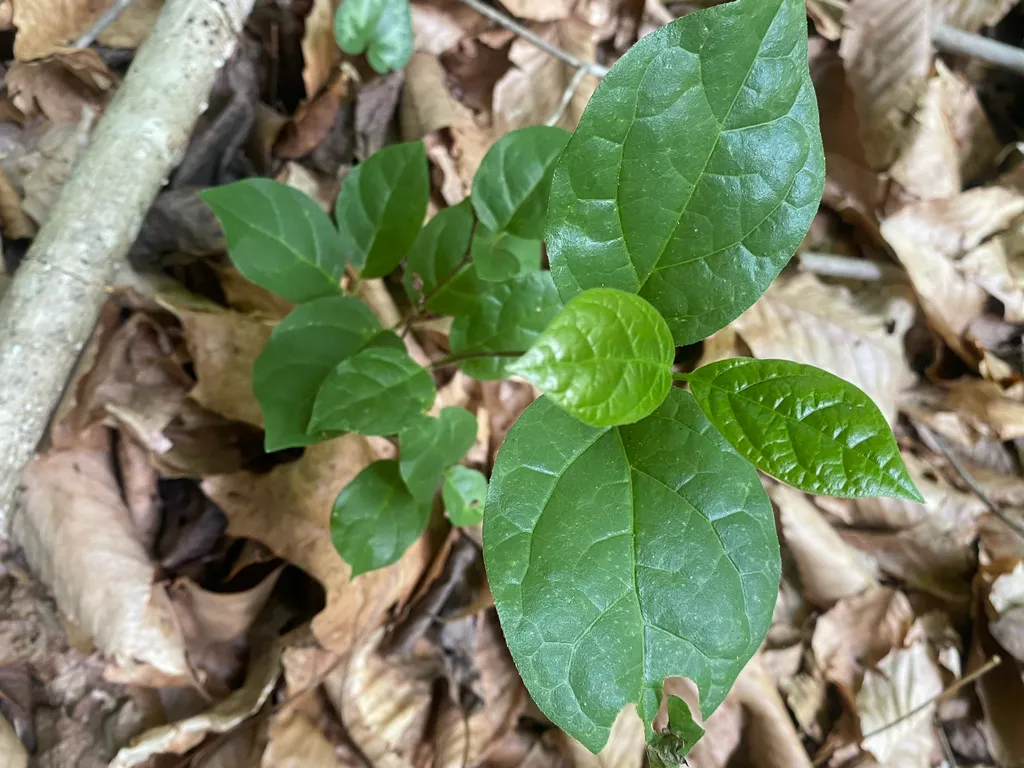
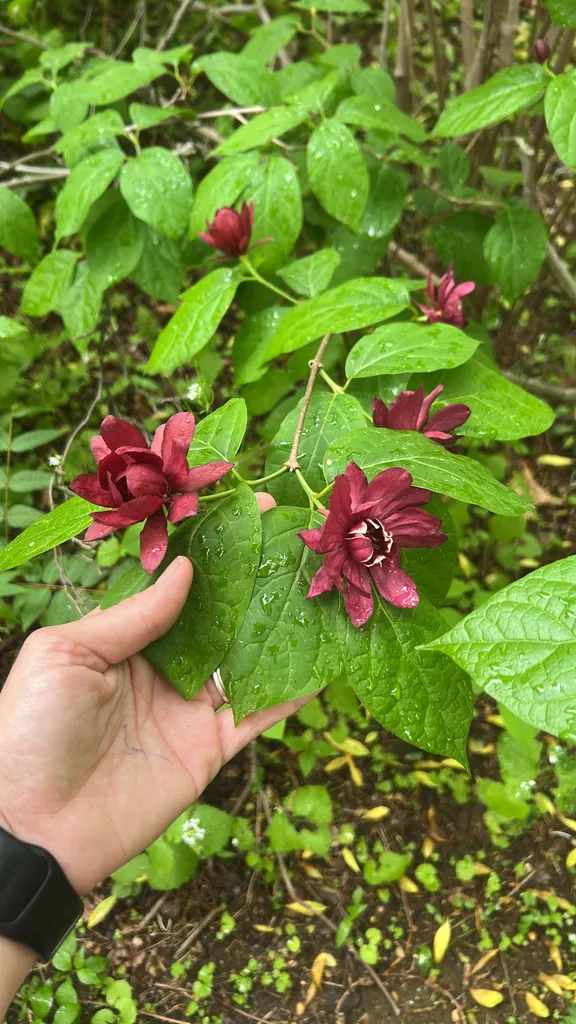
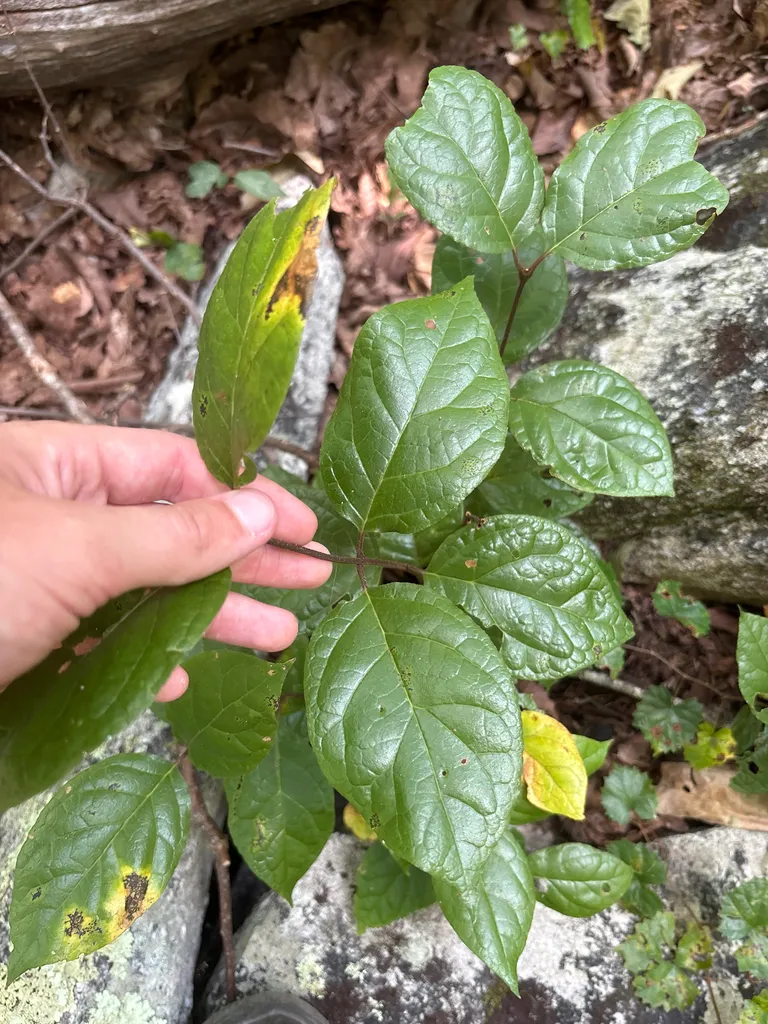
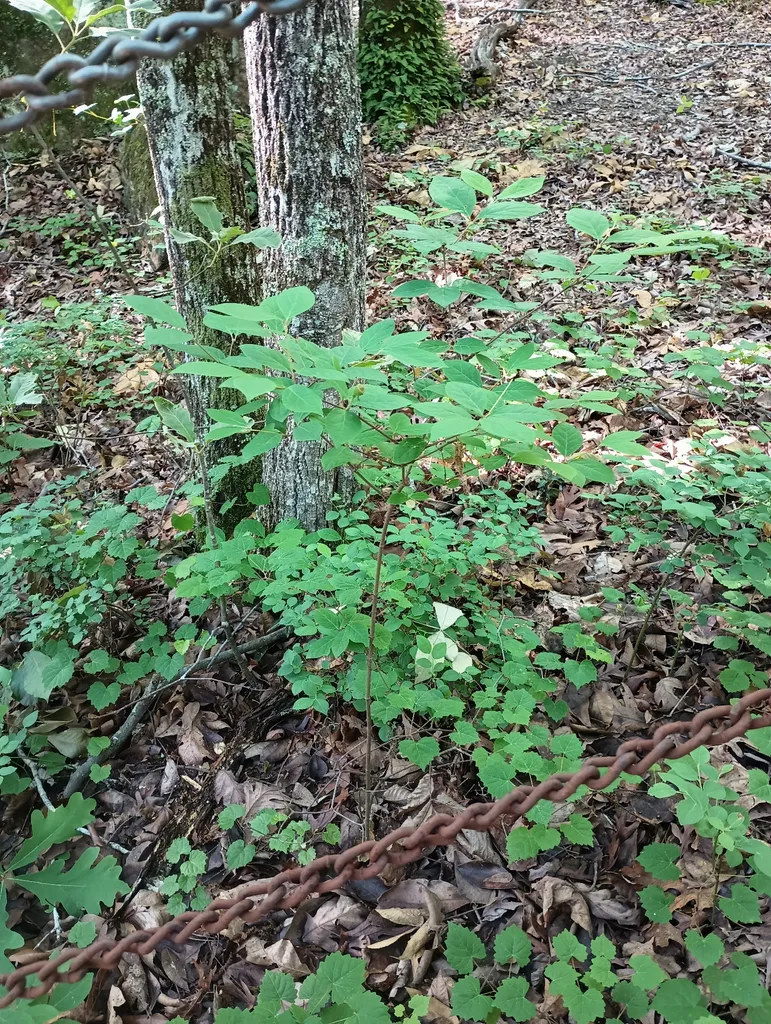
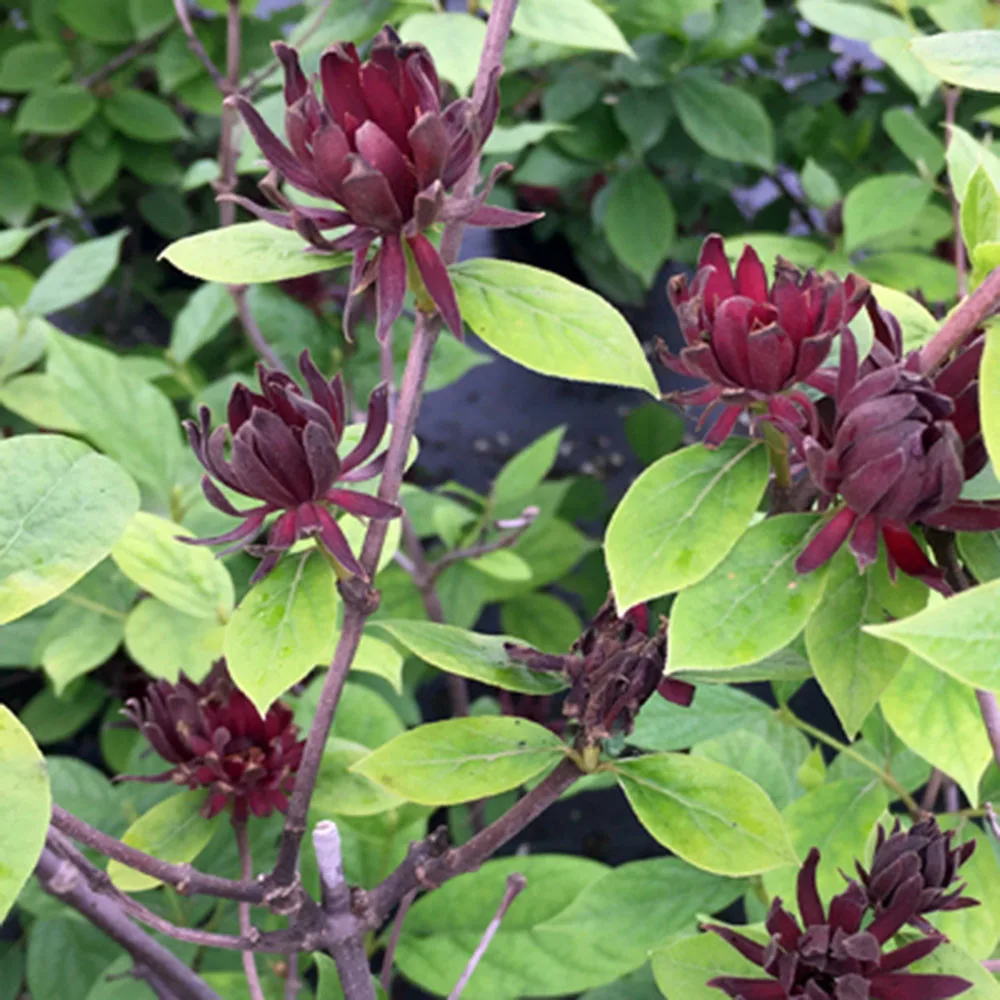
Distribution of Carolina allspice
Distribution map
Southeastern USA
Information to be completed
Culture
Information to be completed
Toxicity
Harmful if eaten. Wear gloves and other protective equipment when handling
Quick identification of Carolina allspice
Information to be completed
Carolina allspice care guide
- Moderate regular watering, avoid prolonged drought and stagnant waterlogging
- Watering
- Full sun · Partial shade
- Sunlight
- Information to be completed
- Ideal temperature

Watering
Moderate regular watering, avoid prolonged drought and stagnant waterlogging
Fertilizing
 Fertilizing
Balanced perennial feed every four weeks spring through summer growth
Pruning
 Pruning
Prune immediately after flowering to shape and maintain size. Remove root suckers promptly. Tends to form colonies in the wild.
Propagation
 Propagation
Propagate by softwood cuttings
Growing
 Growing
Prefers moderately fertile, humus-rich, moist but well-drained soil in partial shade where it grows taller, but tolerates a wide range of soil conditions and some sun. Shelter from cold, drying winds. Autumn colour is better in its native habitat.
People also ask
Information to be completed
Common pests and diseases
Diseases
May be susceptible to honey fungus (rarely)
Pests
Generally pest-free
Explore the plant health library →




