
raspberry 'Cascade Delight'
Also known as: Information to be completed
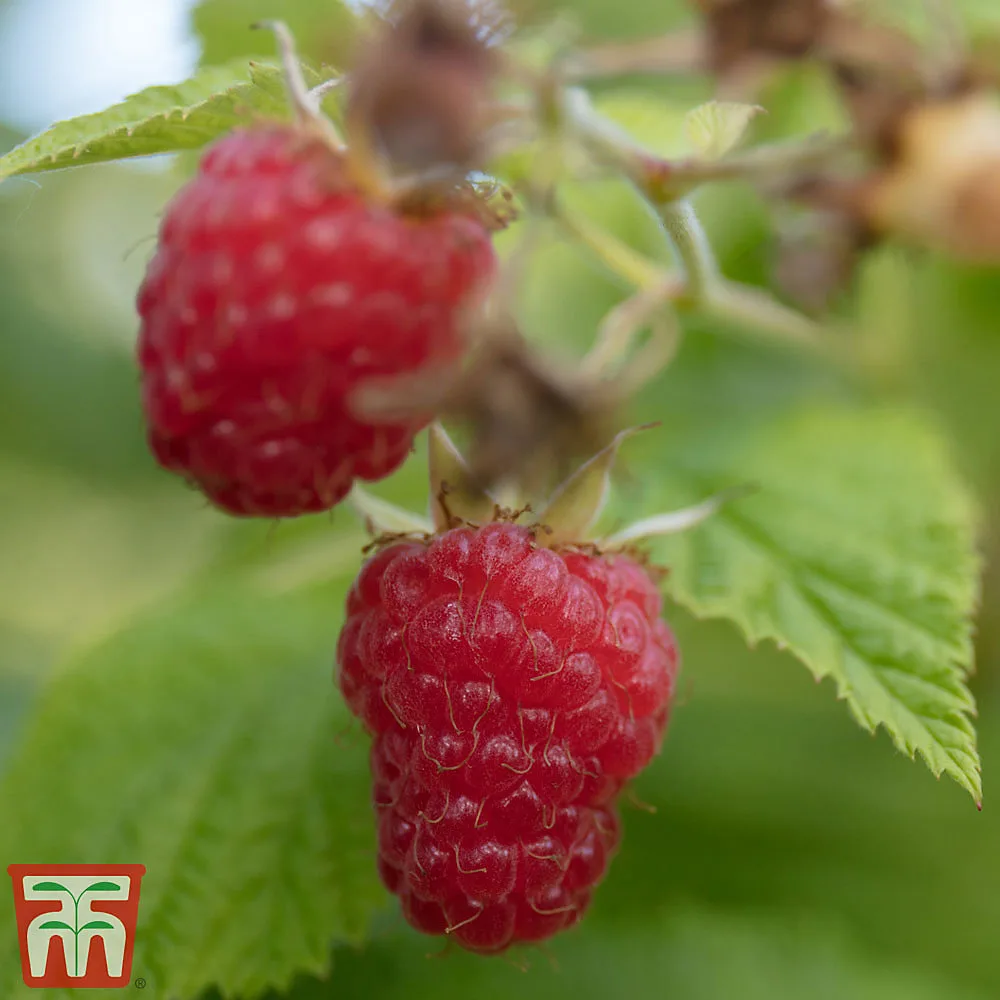
A late summer fruiting, dessert cultivar with large firm fruit, and vigorous growth. A good choice for difficult growing conditions as it can tolerate heavier, wet soils
Scientific classification
- Species
- raspberry 'Cascade Delight' (Rubus idaeus 'Cascade Delight')
- Genus
- Rubus
- Family
- Rosaceae
- Information to be completed
- Toxicity
- Fruit Edible · Shrubs
- Plant type
- 1-1.5 metres
- Height
- 0.5-1 metres
- Spread
- Deciduous
- Foliage
- Suckering
- Habit
- Spring · Summer · Autumn
- Season of interest
- Full sun
- Sunlight
- Information to be completed
- Ideal temperature









raspberry 'Cascade Delight' pictures
Distribution of raspberry 'Cascade Delight'
Distribution map
Information to be completed
Information to be completed
Culture
Information to be completed
Toxicity
Information to be completed
Quick identification of raspberry 'Cascade Delight'
Information to be completed
raspberry 'Cascade Delight' care guide
- Regular deep watering, boost moisture supply while berries swell and ripen
- Watering
- Full sun
- Sunlight
- Information to be completed
- Ideal temperature

Watering
Regular deep watering, boost moisture supply while berries swell and ripen
Fertilizing
 Fertilizing
Balanced berry bush feed applied early spring and pre-fruit swelling time
Pruning
 Pruning
Cut back all stems that have fruited, in autumn and train in new growth ready for the following summer's fruit
Propagation
 Propagation
Propagate by division in the dormant season. Lift new canes along with their rootballs. Choose only newly planted, disease-free stock from which to propagate
Growing
 Growing
Grow in moist well-drained slightly acidic soil in a sheltered position in full sun although can tolerate light shade but the yield will be reduced. Grow in rows between parallel wires for support. Mulch with acidic material such as composted bark. May have the potential to become a nuisance if not managed well. See raspberry cultivation
People also ask
Information to be completed
Common pests and diseases
Diseases
May be susceptible to grey moulds and honey fungus (rarely)
Pests
May be susceptible to aphids, leafhoppers, raspberry beetle, glasshouse red spider mite and gall mites
Explore the plant health library →




