
Peloponnesian cyclamen
Also known as: Information to be completed
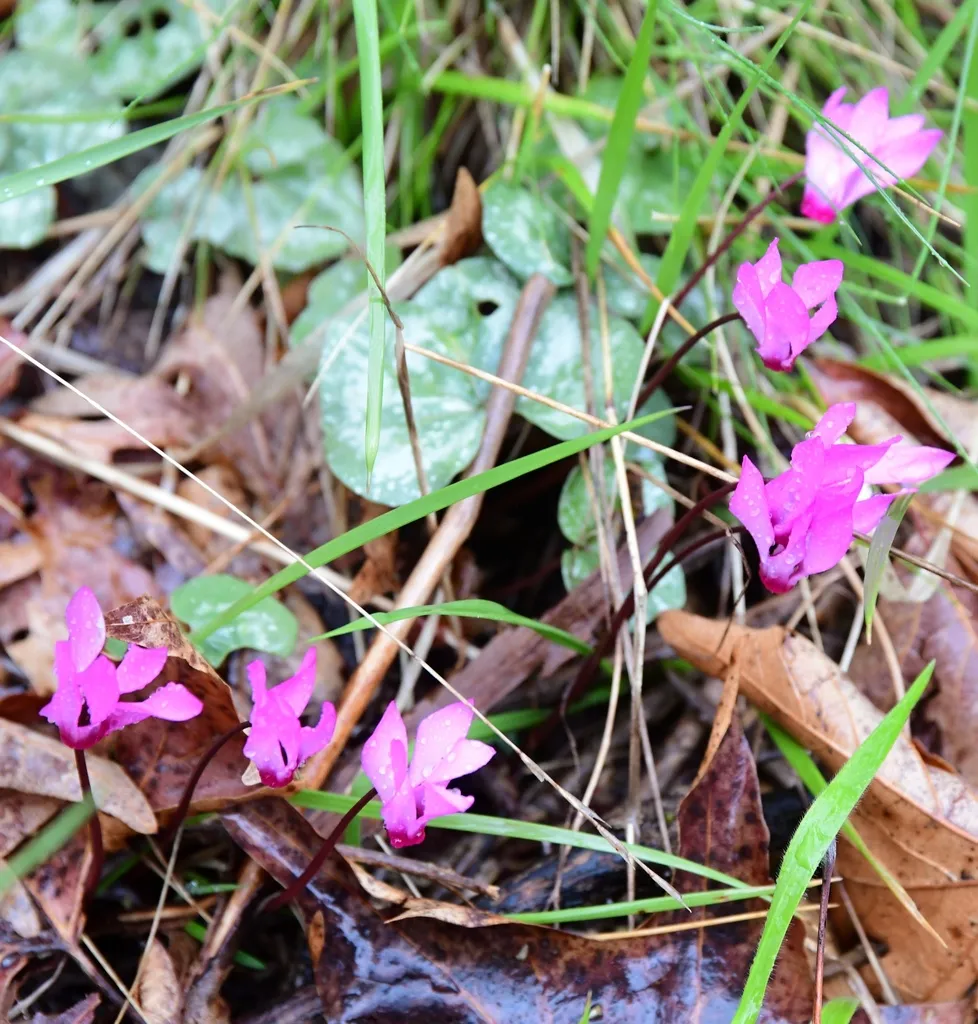
A small tuberous plant with rounded leaves speckled with grey-green, and scented rosy-pink flowers, darker at the mouth, opening in late spring
Scientific classification
- Species
- Peloponnesian cyclamen (Cyclamen rhodium)
- Genus
- Cyclamen
- Family
- Primulaceae
- Order
- Ericales
- Class
- Magnoliopsida
- Phylum
- Magnoliophyta
- Ornamental bulbs, not to be eaten. Wear gloves and other protective equipment when handling
- Toxicity
- Alpine Rockery · Bulbs
- Plant type
- Up to 10 cm
- Height
- 0-0.1 metre
- Spread
- Deciduous
- Foliage
- Bushy
- Habit
- Spring
- Season of interest
- Partial shade
- Sunlight
- Information to be completed
- Ideal temperature









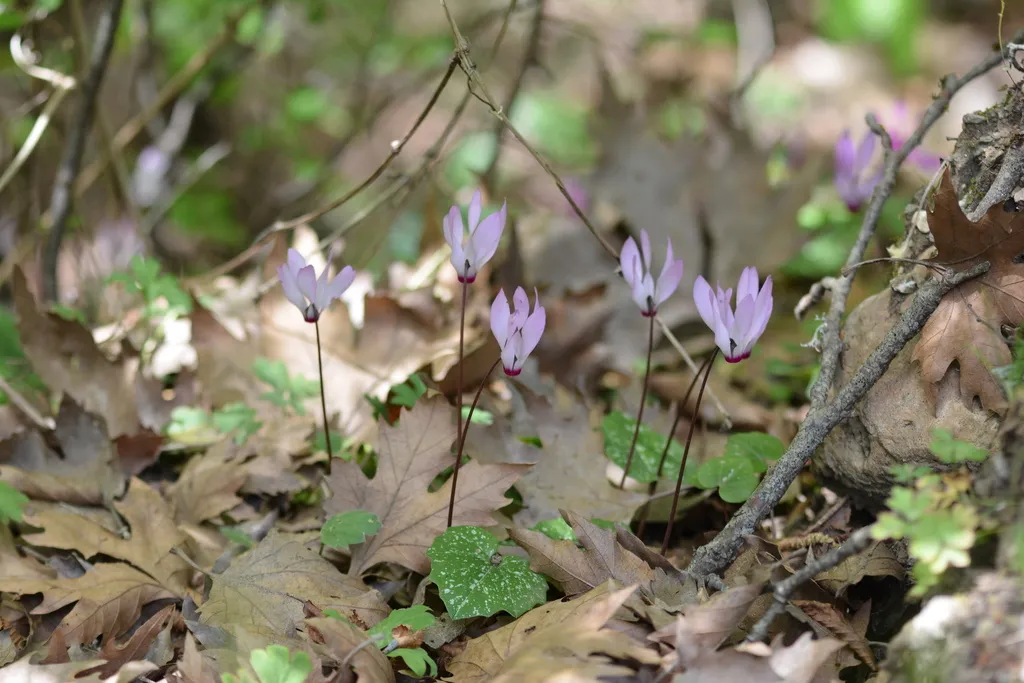
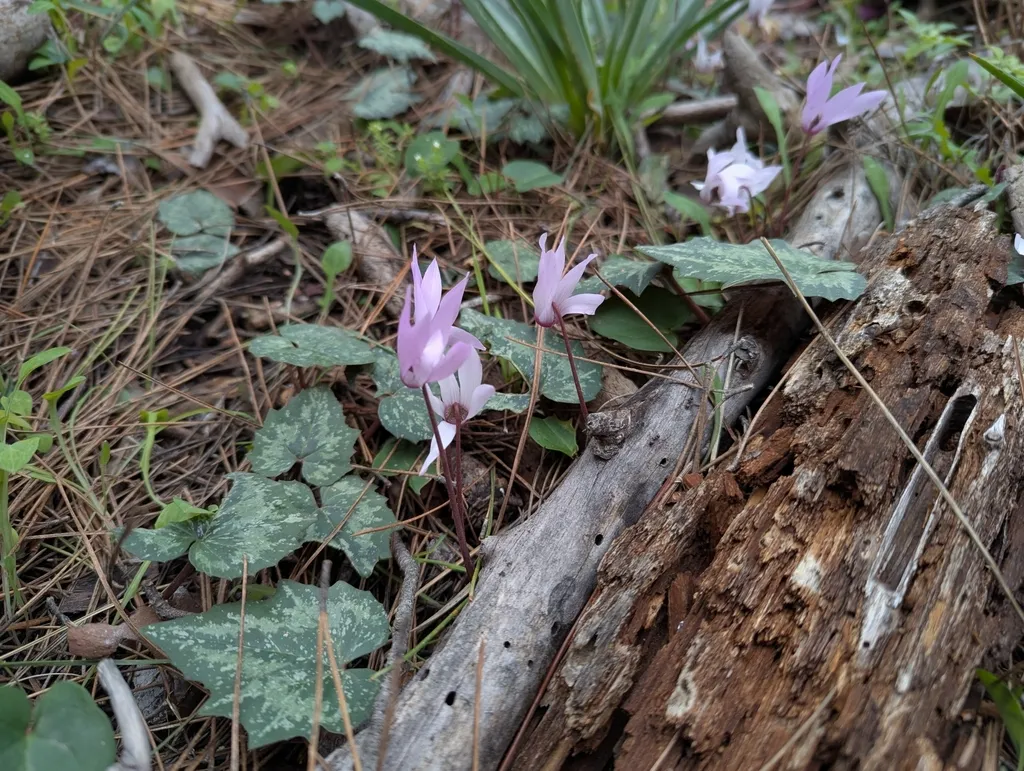
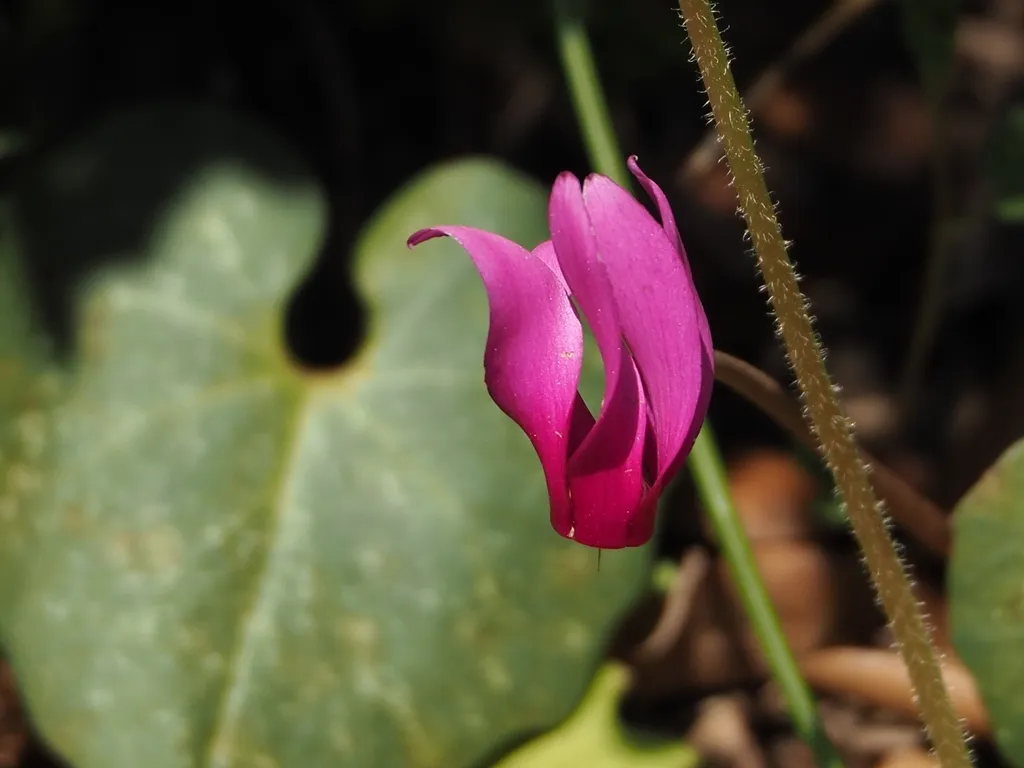
Peloponnesian cyclamen pictures
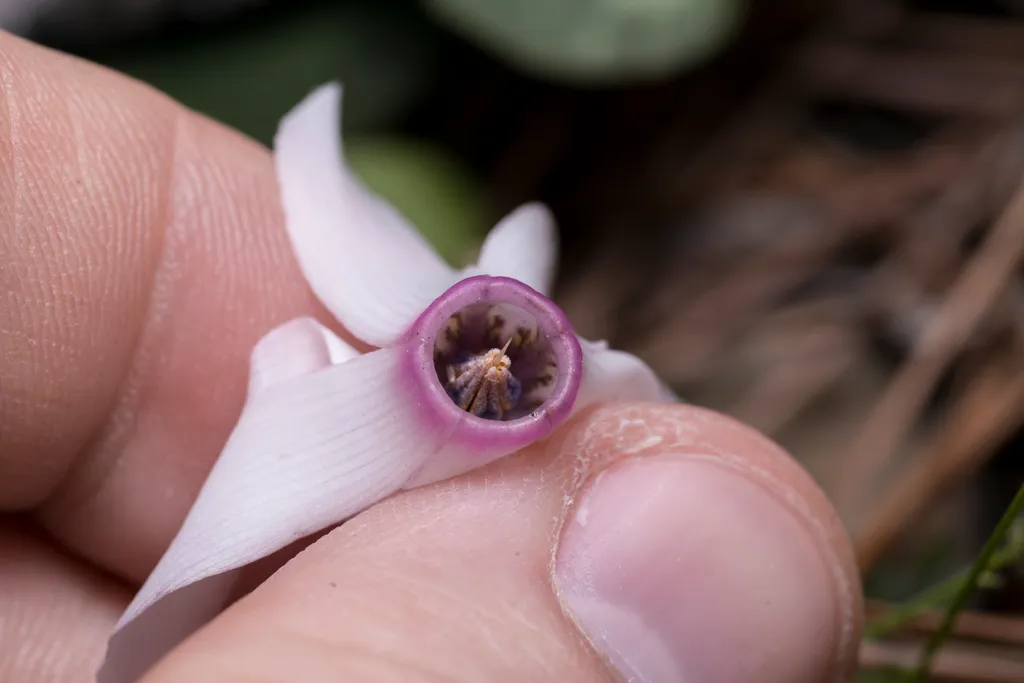
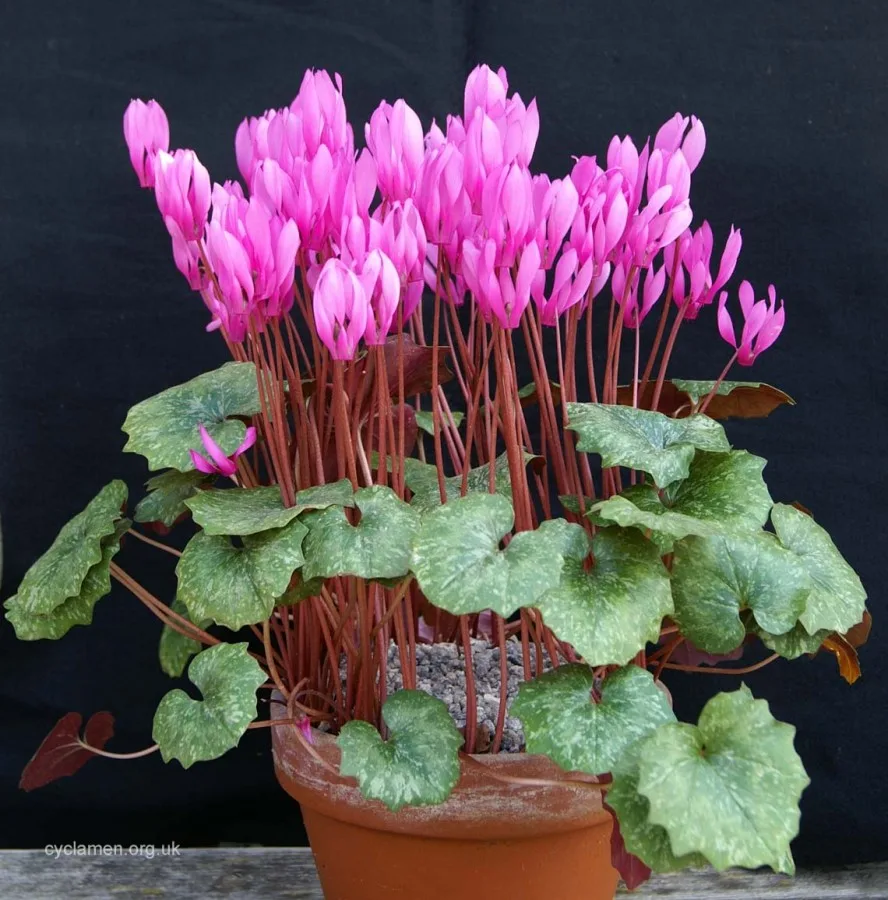
Distribution of Peloponnesian cyclamen
Distribution map
- Native
- Introduced
- Cultivated
Source:WCVP v16 · Royal Botanic Gardens, Kew · CC BY 3.0 · Boundaries:WGSRPD / TDWG
Toxicity
Ornamental bulbs, not to be eaten. Wear gloves and other protective equipment when handling
Peloponnesian cyclamen care guide
- Minimal water while dormant, mild moisture during leaf growth
- Watering
- Partial shade
- Sunlight

Watering
Minimal water while dormant, mild moisture during leaf growth
Fertilizing
 Fertilizing
Half-strength low-nitrogen feed monthly autumn growth phase
Pruning
 Pruning
No pruning required
Propagation
 Propagation
Propagate by seed: before sowing soak seed in water for at least 10 hours and rinse thoroughly. Sow seed as soon as ripe in darkness, in a mix of equal parts seed compost and sharp grit. Water and drain then seal pots in clear plastic bags. Keep at a minimum of 16°C (61°F) in a lightly shaded place. Remove bags once germination occurs and transplant seedlings when large enough to handle
Growing
 Growing
Grow in moderately fertile, humus-rich, well-drained soil in part shade, under trees or shrubs, to avoid excessive summer moisture. Mulch annually with leaf mould as leaves wither; in areas with prolonged frost provide a deep, loose mulch
Common pests and diseases
Diseases
Generally disease free but may suffer cyclamen grey mould (Botrytis) under glass
Pests
Mice or squirrels may be a problem; prone to red spider mites, vine weevil and cyclamen mite
Explore the plant health library →




